
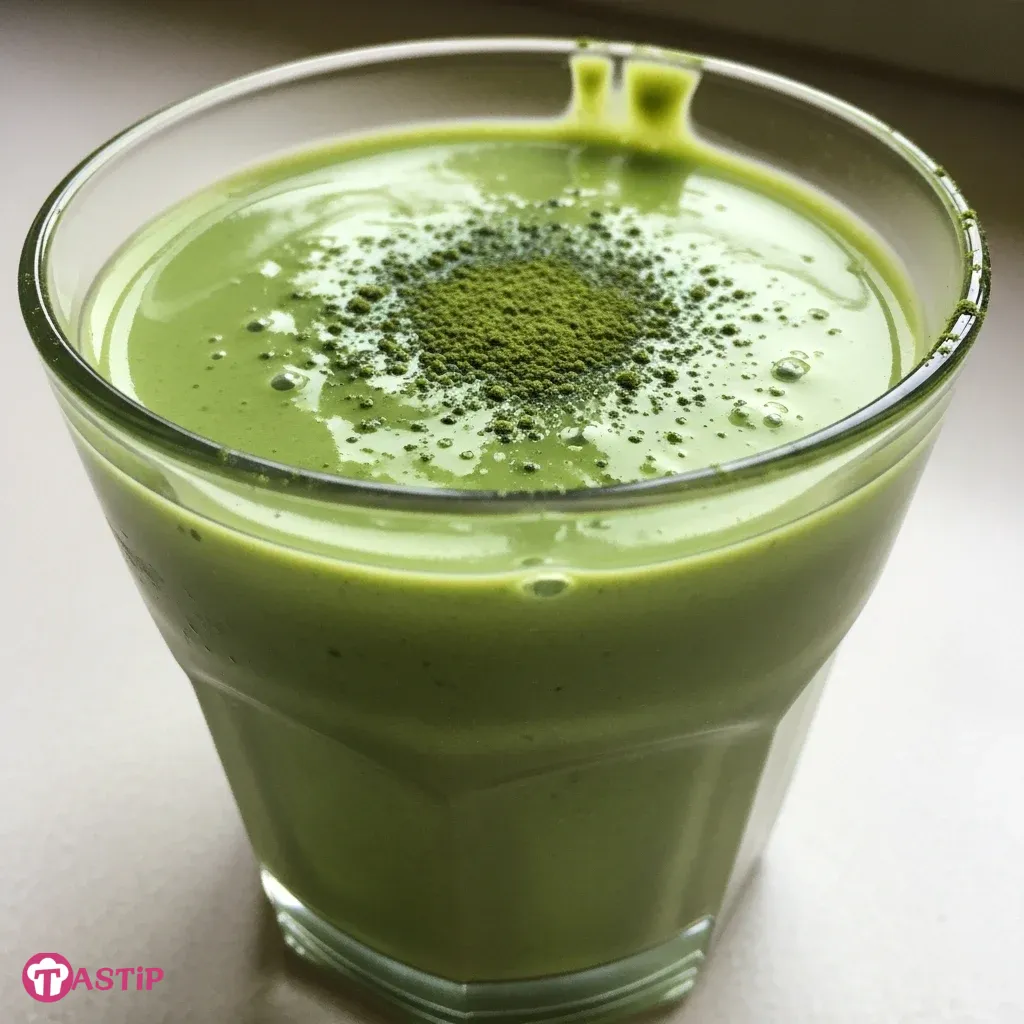
Creating the perfect Matcha Green Tea Smoothie requires a delicate balance between earthy richness and creamy sweetness. In my years working in professional test kitchens, I discovered that this vibrant beverage relies on more than just throwing ingredients into a blender; it is a lesson in emulsification and temperature control. You will love the velvety texture of this drink, which provides a clean energy boost without the jittery crash associated with coffee.
This recipe yields a refreshing, jade-colored treat that tastes as sophisticated as it looks. By understanding the science of the ingredients, you can master the ultimate Matcha Green Tea Smoothie every single time. Let’s dive into the mechanics of why these specific components work so well together.
Why You’ll Love This Matcha Green Tea Smoothie
- The combination of L-theanine and caffeine in the Matcha Green Tea Smoothie provides sustained focus and a “calm” energy boost.
- Using frozen fruit creates a natural emulsion that mimics the thick, luxurious texture of a high-end milkshake without the heavy dairy.
- This recipe is incredibly versatile, allowing you to customize the nutrient profile while maintaining its signature earthy flavor.
- The high concentration of antioxidants, specifically EGCG, makes this Matcha Green Tea Smoothie a powerhouse for metabolic health.
Ingredients You’ll Need
To achieve a professional-grade Matcha Green Tea Smoothie, ingredient quality is paramount. When you shop for matcha, look for “ceremonial grade” if you prefer a smoother, less bitter profile, or “culinary grade” if you enjoy a bolder, more astringent tea flavor. From a food science perspective, the fats in the milk and the starches in the banana serve as the stabilizing matrix for the tea particles.
| Ingredient | Quantity | Purpose in the Recipe |
|---|---|---|
| Ceremonial Grade Matcha Powder | 1.5 teaspoons | Provides the primary flavor, color, and antioxidant boost. |
| Frozen Banana (sliced) | 1 large | Acts as the thickener and primary sweetener; provides potassium. |
| Unsweetened Almond or Oat Milk | 1 cup | Provides the liquid base for a smooth, pourable consistency. |
| Greek Yogurt or Coconut Cream | 1/4 cup | Adds protein and healthy fats for a creamy mouthfeel. |
| Pure Maple Syrup or Honey | 1 teaspoon (optional) | Balances the natural bitterness of the green tea. |
| Fresh Baby Spinach | 1 handful | Enhances the green color and adds fiber without altering the taste. |
| Vanilla Extract | 1/2 teaspoon | Adds aromatic depth and complements the earthy tea notes. |
Substitutions & Variations
Note: This video is for demonstration purposes and may use a slightly different method.

In the kitchen, we always look for functional swaps that don’t compromise the structural integrity of the dish. If you find yourself missing an ingredient for your Matcha Green Tea Smoothie, consider these scientifically sound alternatives:
- Liquid Base: If you are avoiding nuts, substitute almond milk with soy milk or coconut water. Soy milk contains lecithin, an excellent emulsifier that creates a very stable Matcha Green Tea Smoothie.
- Thickener: For a lower-sugar option, replace the frozen banana with half a frozen avocado. This introduces monounsaturated fats, which help your body absorb the fat-soluble vitamins found in the matcha.
- Protein Boost: Add a scoop of unflavored or vanilla collagen peptides. Unlike some protein powders, collagen dissolves completely and won’t make your Matcha Green Tea Smoothie chalky.
- Sweetener: Dates are a fantastic whole-food substitute for syrup. Soak two pitted Medjool dates in warm water for five minutes before blending to ensure they break down completely.
If you’re in search of alternative ingredients for your Matcha Green Tea Smoothie, consider exploring our delicious Ghost Fruit Skewers for an exciting and fun twist that maintains the integrity of your dish.
Step-by-Step Instructions
- Sift the Matcha: Begin by sifting your matcha powder through a fine-mesh strainer into a small bowl. Matcha is prone to clumping due to static electricity and moisture. Sifting ensures that every particle integrates into the Matcha Green Tea Smoothie rather than forming bitter, dry pockets.
- Layer the Liquid First: Pour your chosen milk into the blender canister first. This creates a “vortex” effect and prevents the frozen ingredients from getting stuck at the bottom, protecting your blender’s motor and ensuring a consistent Matcha Green Tea Smoothie.
- Add the Soft Ingredients: Add the yogurt, sweetener, vanilla extract, and spinach. Placing the greens near the blades helps pulverize the cell walls, releasing the chlorophyll and nutrients more effectively.
- Add the Frozen Components: Place the frozen banana slices on top. The weight of the frozen fruit helps push the lighter ingredients down into the blades as they spin.
- Blend on Low to High: Start the blender on the lowest setting to break up the large frozen chunks. Gradually increase the speed to high for 45 to 60 seconds. High-speed blending is essential for a Matcha Green Tea Smoothie because it aerates the mixture, creating a lighter texture.
- Check for Consistency: Stop the blender and stir. If the Matcha Green Tea Smoothie is too thick, add an extra tablespoon of milk. If it is too thin, add two or three ice cubes and blend again.
- Serve Immediately: Pour the vibrant green mixture into a chilled glass. Garnish with a light dusting of matcha powder if desired.
Pro Tips for Success
To truly elevate your Matcha Green Tea Smoothie, you need to think about temperature. In the test kitchen, we always chilled our glasses before serving. This prevents the smoothie from melting too quickly, which can cause the emulsion to break and the tea particles to settle at the bottom.
Another professional secret involves the “Matcha Bloom.” If you have time, whisk your matcha with a tablespoon of warm (not boiling) water to create a paste before adding it to the blender. This releases the aromatic compounds of the tea. Furthermore, never use boiling water with matcha; temperatures above 175°F (80°C) will scorch the delicate tea leaves and turn your Matcha Green Tea Smoothie unpleasantly bitter.
Finally, use “overripe” bananas for freezing. As a banana ripens, its starches convert to sugars, providing better natural sweetness and a creamier texture when blended.
Elevate your smoothie experience by learning about the impact of temperature with our refreshing Bloody Red Velvet Popcorn, which can complement your chilled Matcha Green Tea Smoothie perfectly.
Storage & Reheating Tips
While a Matcha Green Tea Smoothie is best enjoyed immediately to benefit from its aeration and temperature, you can store leftovers with a few tricks. Place the leftover smoothie in an airtight glass jar and fill it to the very top to minimize oxygen exposure; oxygen causes the matcha to oxidize and lose its bright green hue. Store it in the refrigerator for no more than 12 hours.
When you are ready to drink it, give it a vigorous shake or a quick 10-second pulse in the blender to re-incorporate the ingredients. For longer storage, pour the Matcha Green Tea Smoothie into silicone ice cube trays and freeze. You can then blend these “matcha cubes” later for a quick breakfast. Do not attempt to reheat this recipe, as heat will destroy the fresh flavor and degrade the antioxidants.
What to Serve With This Recipe
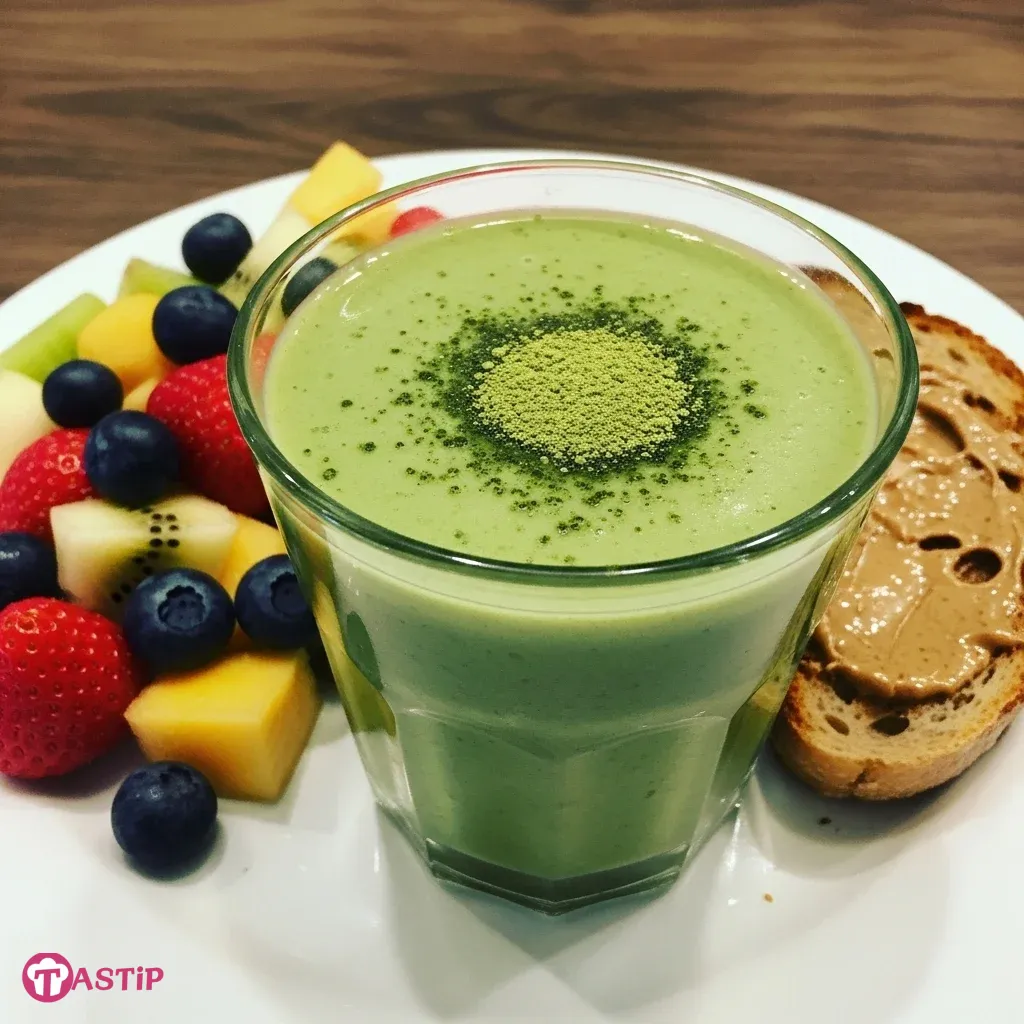
Because the Matcha Green Tea Smoothie is quite filling due to its fiber and healthy fats, it pairs best with light, clean flavors. I recommend serving it alongside a bright seasonal fruit salad or a slice of toasted sourdough with a light spread of almond butter. If you are enjoying this as a post-workout snack, pair it with a handful of raw walnuts or a hard-boiled egg for extra protein.
The earthy notes of the green tea also complement savory dishes like roasted vegetables or a light quinoa salad. Avoiding overly processed sugary snacks alongside your Matcha Green Tea Smoothie will help you maintain the “steady energy” effect that the tea provides.
For a balanced meal, consider pairing your Matcha Green Tea Smoothie with our Why Is Cookie Monster Ice Cream Blue?, which offers light flavors that beautifully complement the earthy notes of matcha.
FAQs
Can I make this Matcha Green Tea Smoothie without a banana?
Yes, absolutely. The banana serves as a source of sugar and starch for creaminess. You can substitute it with 1/2 cup of frozen mango for a tropical twist, or 1/2 cup of frozen steamed cauliflower for a low-carb version. If you use cauliflower, you may need to add a bit more sweetener like stevia or monk fruit to compensate for the loss of the banana’s natural sugars.
Is there a lot of caffeine in a Matcha Green Tea Smoothie?
A standard Matcha Green Tea Smoothie using 1.5 teaspoons of matcha contains approximately 60 to 80 milligrams of caffeine. This is slightly less than a standard cup of coffee. However, the L-theanine in the tea slows the absorption of caffeine, providing a more gradual wakefulness rather than a spike and crash. It is usually best to consume this in the morning or early afternoon.
Why did my smoothie turn brown?
Matcha is highly sensitive to light and oxygen. If your Matcha Green Tea Smoothie turns a muddy brown color, it is likely due to oxidation or using a lower-quality culinary matcha that was already oxidized. To keep your smoothie vibrant green, use high-quality powder, blend in some vitamin C (via a squeeze of lemon or the spinach), and drink it immediately after blending.
A Matcha Green Tea Smoothie combines the unique benefits of matcha with other wholesome ingredients to create a delicious and nutritious beverage. Its blend of antioxidants and natural energy makes it a popular choice among health enthusiasts, as detailed in this informative article.
Nutrition Information (per serving)
This macro summary reflects a Matcha Green Tea Smoothie made with unsweetened almond milk and a medium banana. Actual values may vary based on your specific ingredient choices.
| Metric | Value |
|---|---|
| Calories | 210 kcal |
| Total Fat | 6g |
| Saturated Fat | 1.5g |
| Carbohydrates | 34g |
| Dietary Fiber | 7g |
| Sugars | 18g |
| Protein | 8g |
| Vitamin C | 25% DV |
Mastering the Matcha Green Tea Smoothie is a rewarding journey into the world of functional beverages. By respecting the delicate nature of the tea and using the physics of your blender to your advantage, you can create a cafe-quality drink in the comfort of your own home.
Remember, the key to a great Matcha Green Tea Smoothie is the quality of your powder and the temperature of your ingredients. Stay curious in the kitchen, keep experimenting with your ratios, and enjoy the clean energy that this traditional Japanese ingredient provides.
Print
Matcha Green Tea Smoothie
- Total Time: 10 mins
- Yield: 1 serving 1x
- Diet: Gluten Free
Description
A delicious and healthy Matcha Green Tea Smoothie that provides a clean energy boost while being rich in antioxidants and nutrients.
Ingredients
1.5 teaspoons Ceremonial Grade Matcha Powder
1 large Frozen Banana (sliced)
1 cup Unsweetened Almond or Oat Milk
1/4 cup Greek Yogurt or Coconut Cream
1 teaspoon Pure Maple Syrup or Honey (optional)
1 handful Fresh Baby Spinach
1/2 teaspoon Vanilla Extract
Instructions
- Sift the Matcha powder through a fine-mesh strainer into a small bowl
- Pour the chosen milk into the blender canister first
- Add the yogurt, sweetener, vanilla extract, and spinach to the blender
- Place the frozen banana slices on top of the mixture
- Blend on low to high for 45 to 60 seconds
- Check for consistency and adjust with more milk or ice as needed
- Pour into a chilled glass and garnish with a dusting of matcha powder if desired
Notes
Chill glasses before serving to prevent the smoothie from melting quickly.
To enhance flavor, whisk matcha with warm water before blending.
- Prep Time: 10 mins
- Cook Time: 0 mins
- Category: Beverage
- Method: Blending
- Cuisine: Japanese
Nutrition
- Serving Size: 1 glass
- Calories: 210 kcal
- Sugar: 18g
- Sodium: 180mg
- Fat: 6g
- Saturated Fat: 1.5g
- Unsaturated Fat: 4.5g
- Trans Fat: 0g
- Carbohydrates: 34g
- Fiber: 7g
- Protein: 8g
- Cholesterol: 5mg