
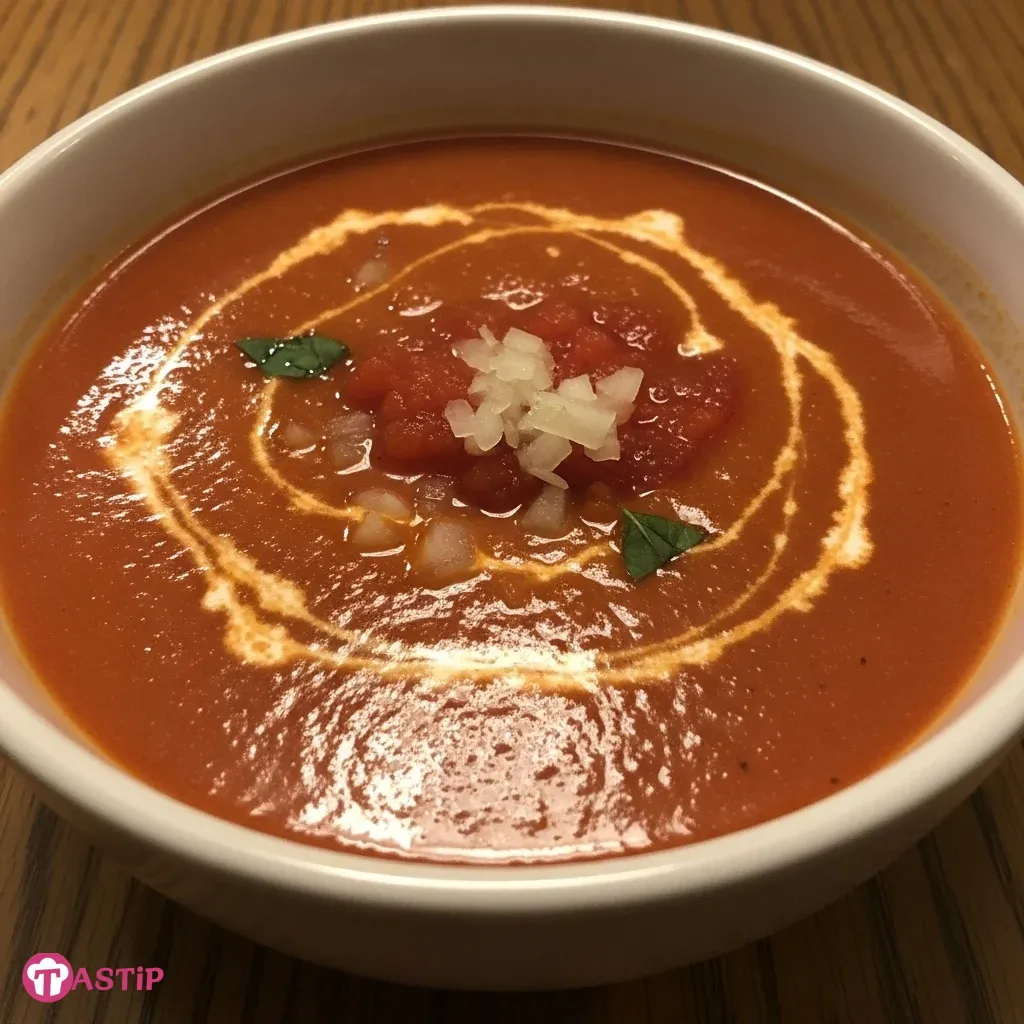
Nothing evokes a sense of culinary comfort quite like a bowl of Classic Tomato Soup. This recipe delivers a velvety texture and a complex balance of acidity and sweetness that canned versions simply cannot replicate. As a former test kitchen chef, I approach this dish through the lens of food science, focusing on how heat transforms the humble tomato into a rich, umami-heavy masterpiece.
By understanding the interaction between aromatics, fats, and acids, you can elevate this simple lunch into a gourmet experience. We will use specific techniques to maximize flavor extraction from every single ingredient. This Classic Tomato Soup represents the perfect intersection of chemistry and nostalgia. Prepare yourself for a bowl that is as nourishing for the soul as it is fascinating for the mind.
Why You’ll Love This Classic Tomato Soup
- The high concentration of glutamates in cooked tomatoes provides a deep, savory umami profile that satisfies the palate instantly.
- This recipe utilizes emulsification techniques to achieve a luxurious, creamy mouthfeel without requiring excessive amounts of heavy dairy.
- Loaded with lycopene and antioxidants, this soup offers significant health benefits, especially when paired with healthy fats for better nutrient absorption.
- It is an incredibly versatile base, allowing you to customize the flavor profile with various herbs or spices to suit your specific dietary needs.
- The preparation is efficient and foolproof, making it an ideal choice for busy weeknights when you still crave a high-quality, homemade meal.
Ingredients You’ll Need
In the test kitchen, we always emphasize that the quality of your Classic Tomato Soup depends entirely on the quality of your inputs. Tomatoes are the stars here, but the supporting cast provides the structural integrity of the flavor profile. I recommend looking for high-quality canned whole peeled tomatoes, specifically San Marzano varieties, because they have a lower seed count and a thicker pulp, which contributes to a better viscosity in the final product. Here is what you will need:
| Ingredient | Quantity | Purpose in the Recipe |
|---|---|---|
| Whole Peeled Tomatoes | 28 oz Can | Provides the primary structure and acidic base for the soup. |
| Yellow Onion | 1 Medium | Adds foundational sweetness through the caramelization of natural sugars. |
| Fresh Garlic | 3 Cloves | Contributes pungent aromatic compounds that deepen the flavor. |
| Extra Virgin Olive Oil | 2 tbsp | Acts as a solvent for fat-soluble flavor compounds and creates a smooth texture. |
| Vegetable or Chicken Stock | 2 Cups | Adjusts the final viscosity and adds layers of savory depth. |
| Fresh Basil | 1/4 Cup | Introduces volatile oils that provide a bright, peppery finish. |
| Sea Salt & Black Pepper | To Taste | Enhances all other flavors and balances the tomato’s acidity. |
Substitutions & Variations
Note: This video is for demonstration purposes and may use a slightly different method.

While the Classic Tomato Soup is perfect in its traditional form, you can experiment with healthy swaps to meet your nutritional goals. If you want to keep the soup vegan while maintaining a creamy texture, try blending in soaked cashews or a small amount of full-fat coconut milk. These plant-based fats provide the necessary creaminess without the lactose.
For those looking to increase the fiber content, adding a stalk of finely diced celery to the aromatic base provides structural complexity and micronutrients. If you find the acidity of the tomatoes too sharp, instead of adding refined sugar, try adding a roasted carrot.
The natural sugars in the carrot neutralize the acid while adding a beautiful orange hue and extra beta-carotene. You can also swap the olive oil for ghee if you prefer a slightly nutty, buttery undertone that remains shelf-stable and high-heat resistant.
If you’re looking to add a healthy crunch to your meal, consider integrating other nutritious dishes alongside the soup. For a delightful morning treat, pair it with our Classic Paleo Breakfast Granola to start your day right.
Step-by-Step Instructions
- Sauté the Aromatics: Heat the olive oil in a large heavy-bottomed pot over medium heat. Add the diced onions and a pinch of salt. Sauté for about 8 to 10 minutes. You are looking for the onions to become translucent and slightly golden. This process, known as the Maillard reaction, breaks down the sulfur compounds in the onions, turning them sweet and savory.
- Activate the Garlic: Add the minced garlic to the pot. Cook for only 60 seconds. Garlic contains allicin, which is highly heat-sensitive. You want to cook it just long enough to release its fragrance without burning it, as burnt garlic introduces a bitter alkalinity that ruins a Classic Tomato Soup.
- Simmer the Tomatoes: Pour in the canned tomatoes (with their juices) and the stock. Use a wooden spoon to crush the whole tomatoes into smaller pieces. This increases the surface area, allowing the heat to penetrate the fruit and break down the pectin more efficiently. Bring the mixture to a gentle boil, then reduce the heat to low and simmer for 20 minutes.
- Integrate Fresh Herbs: Remove the pot from the heat and stir in the fresh basil leaves. The residual heat is sufficient to wilt the leaves and extract the essential oils without destroying the delicate flavor of the herb. This is a critical step for a high-quality Classic Tomato Soup.
- Emulsify and Blend: Use an immersion blender (or transfer to a standard blender in batches) to process the soup until it is completely smooth. As you blend, the fats from the olive oil break into microscopic droplets that are suspended in the tomato liquid. This creates a stable emulsion, giving the soup its “creamy” appearance even without heavy cream.
- Final Seasoning: Taste the soup and adjust the salt and pepper. If the soup feels too thick, add a splash more stock. If it feels too thin, simmer for another 5 minutes to reduce the water content and concentrate the solutes.
Pro Tips for Success
Achieving the perfect Classic Tomato Soup requires more than just following steps; it requires attention to technical detail. First, always use heavy-bottomed cookware. Thin pots create “hot spots” that can scorch the tomato sugars, leading to a smoky, unpleasant aftertaste.
Second, do not skip the simmering phase. This duration allows the water to evaporate slightly, which concentrates the acids and sugars, leading to a more robust flavor profile. If you are using a high-speed blender, be careful not to over-process.
Excessive blending can incorporate too much air, turning the soup a pale orange and giving it a frothy, aerated texture rather than a dense, velvety one. Finally, if your tomatoes are particularly acidic, a tiny pinch of baking soda can neutralize the pH level. This is a classic lab trick that smooths out the flavor without adding the sweetness of sugar.
Creating the perfect balance of flavors in your Classic Tomato Soup involves some essential cooking techniques. To accompany this dish with a classic twist, check out our Easy Classic Bread Stuffing for a comforting pairing.
Storage & Reheating Tips
Your Classic Tomato Soup actually tastes better the next day. This happens because the aromatic compounds have more time to distribute evenly through the liquid, and the flavors continue to marry at a molecular level. Store the soup in an airtight glass container in the refrigerator for up to 4 to 5 days.
For long-term storage, this soup freezes exceptionally well. Pour it into freezer-safe bags, removing as much air as possible to prevent oxidative rancidity. It will stay fresh in the freezer for up to 3 months.
When you are ready to reheat, do so slowly over medium-low heat on the stovetop. Avoid the microwave if possible, as it can cause uneven heating and may break the emulsion, leading to a grainy texture. Stir frequently during reheating to maintain the uniform suspension of fats and solids.
What to Serve With This Recipe
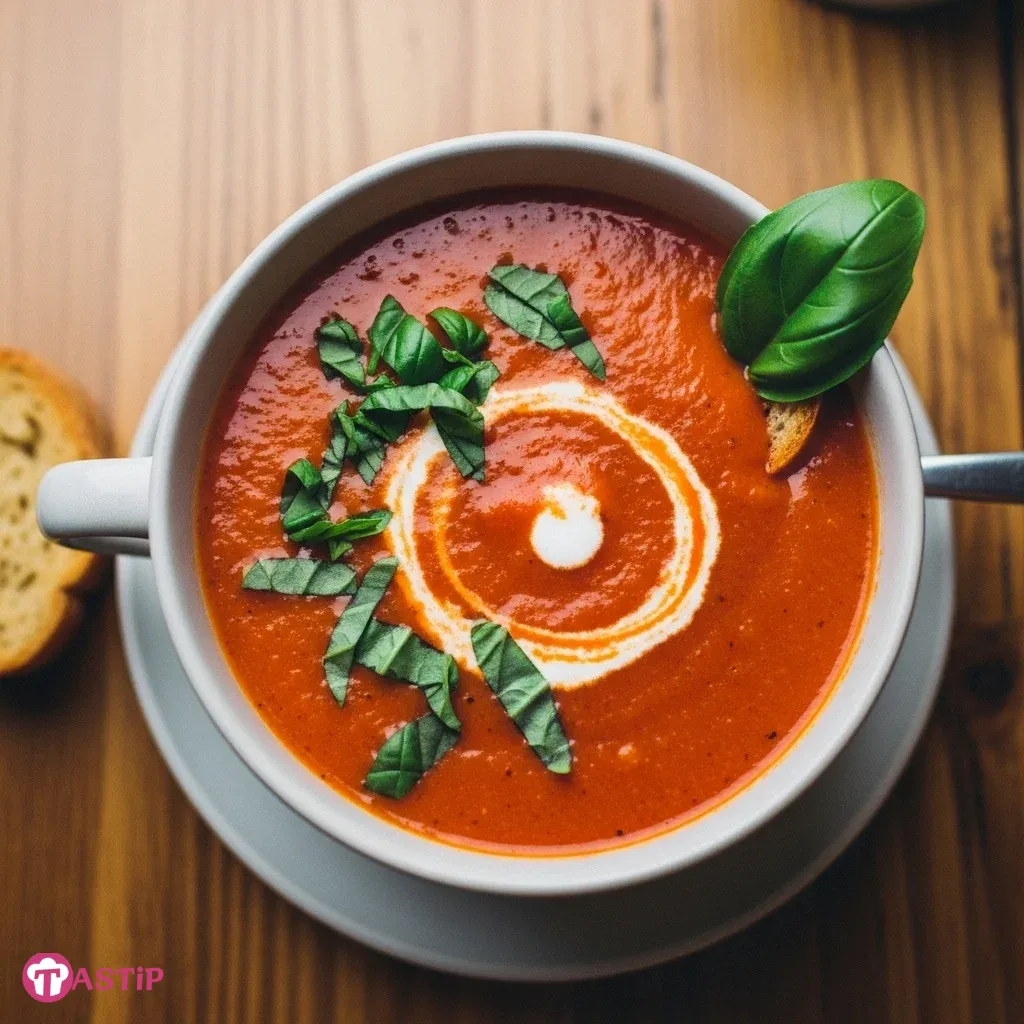
To keep your meal balanced and healthy, pair your Classic Tomato Soup with nutrient-dense sides. A crisp arugula salad with a lemon vinaigrette provides a sharp, peppery contrast to the rich, savory soup. The acidity in the lemon juice cuts through the density of the tomato base perfectly.
Another excellent option is roasted Mediterranean vegetables. Bell peppers, zucchini, and eggplant roasted with oregano complement the Italian-inspired flavors of the soup. If you desire a crunch, try making homemade sourdough croutons.
Sourdough undergoes a fermentation process that makes it easier to digest and provides a complex tang that pairs beautifully with the Classic Tomato Soup. For a protein boost, a side of chickpea salad or a small serving of grilled wild-caught salmon adds healthy fats and lean protein, turning a simple soup into a complete, high-performance meal.
To enhance your dining experience with the Classic Tomato Soup, consider serving it alongside healthy side dishes. A sweet complement to your palate would be our Classic Pumpkin Muffins that pair wonderfully with the savory notes of the soup.
FAQs
Can I use fresh tomatoes instead of canned for this Classic Tomato Soup?
Yes, you can use fresh tomatoes, but you must ensure they are peak-season ripe. Off-season fresh tomatoes often lack the sugar content and acidity required for a deep flavor. If using fresh, I recommend roasting them first to concentrate their sugars and remove the skins. Canned tomatoes are generally preferred by chefs for this Classic Tomato Soup because they are processed at the height of ripeness, ensuring a consistent pH and flavor profile year-round.
How can I make this soup thicker without adding flour or starch?
The best way to thicken a Classic Tomato Soup naturally is through reduction. By simmering the soup longer uncovered, you allow the water molecules to escape as steam, leaving behind a higher concentration of solids. Alternatively, you can blend in a cooked potato or a handful of cooked white beans. These ingredients provide natural starches and fiber that increase the viscosity without altering the flavor profile significantly.
Is Classic Tomato Soup healthy for a weight-loss diet?
Absolutely. This Classic Tomato Soup is low in calories but high in volume and nutrients. The high water and fiber content help promote satiety, making you feel full for longer.
Because we use olive oil instead of heavy cream, the fat content consists primarily of heart-healthy monounsaturated fats. To keep it as healthy as possible, monitor the amount of salt you add and avoid serving it with high-calorie processed breads.
Classic Tomato Soup is a dish that celebrates the flavors of ripe tomatoes transformed through careful cooking techniques. The dish has a cultural significance in various cuisines, often enjoyed as a comforting meal, and you can learn more about this beloved soup’s history and variations through this link.
Nutrition Information (per serving)
This data represents a standard 1.5-cup serving of our Classic Tomato Soup. The nutritional profile is excellent for those seeking a balance of vitamins and healthy fats.
| Metric | Amount per Serving |
|---|---|
| Calories | 185 kcal |
| Total Fat | 9g |
| Saturated Fat | 1.5g |
| Carbohydrates | 22g |
| Dietary Fiber | 4g |
| Sugars | 12g (Natural) |
| Protein | 3g |
| Vitamin A | 25% DV |
| Vitamin C | 40% DV |

Classic Tomato Soup
- Total Time: 40 mins
- Yield: 4 servings 1x
- Diet: Gluten Free
Description
This Classic Tomato Soup delivers a velvety texture and a complex balance of acidity and sweetness. It's made from high-quality ingredients, focusing on flavor extraction and culinary techniques to create a comforting, nourishing dish.
Ingredients
28 oz Can Whole Peeled Tomatoes
1 Medium Yellow Onio
3 Cloves Fresh Garlic
2 tbsp Extra Virgin Olive Oil
2 Cups Vegetable or Chicken Stock
1/4 Cup Fresh Basil
Sea Salt & Black Pepper to Taste
Instructions
- Heat the olive oil in a large heavy-bottomed pot over medium heat. Add the diced onions and a pinch of salt. Sauté for about 8 to 10 minutes until the onions are translucent and slightly golde
- Add the minced garlic and cook for only 60 seconds to release its fragrance without burning it
- Pour in the canned tomatoes (with their juices) and the stock. Use a wooden spoon to crush the whole tomatoes, bring to a gentle boil, then reduce heat and simmer for 20 minutes
- Remove from heat and stir in the fresh basil leaves, allowing them to wilt and extract essential oils
- Use an immersion blender to process the soup until smooth, creating a stable emulsio
- Taste and adjust the salt and pepper. If too thick, add a splash more stock; if too thin, simmer for another 5 minutes
Notes
Store in an airtight container in the refrigerator for up to 4-5 days or freeze for up to 3 months. Reheat slowly over medium-low heat.
- Prep Time: 10 mins
- Cook Time: 30 mins
- Category: Dinner
- Method: Simmering
- Cuisine: American
Nutrition
- Serving Size: 1 bowl
- Calories: 185 kcal
- Sugar: 12g
- Sodium: varies
- Fat: 9g
- Saturated Fat: 1.5g
- Unsaturated Fat: 7.5g
- Trans Fat: 0g
- Carbohydrates: 22g
- Fiber: 4g
- Protein: 3g
- Cholesterol: 0mg