
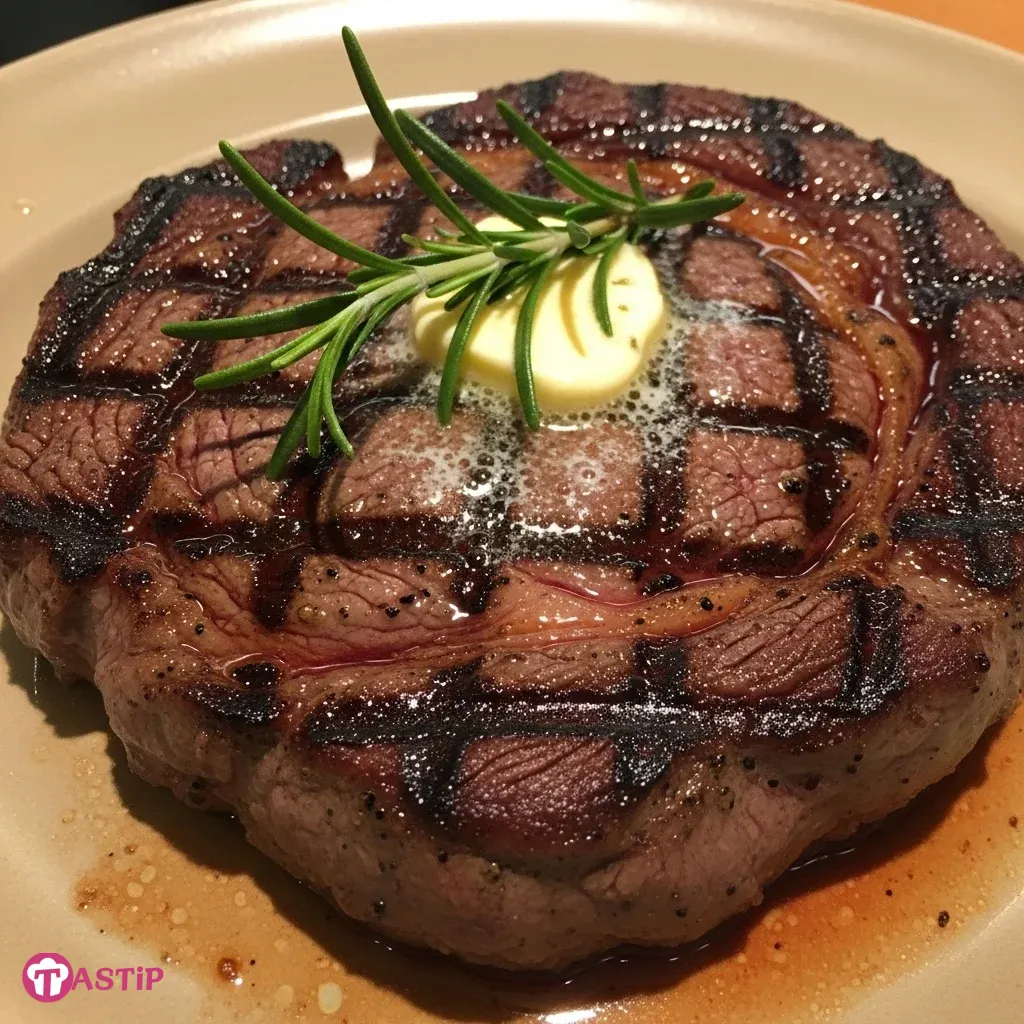
Achieving the perfect Grilled Ribeye Steak requires more than just heat; it requires a foundational understanding of thermodynamics and protein denaturation. This specific cut of beef offers a magnificent balance of intramuscular fat and tender muscle fibers, creating a buttery mouthfeel that few other steaks can match. When you master the Grilled Ribeye Steak, you unlock a depth of savory flavor known as the Maillard reaction, which transforms simple proteins into complex aromatic compounds.
My goal as a former test kitchen chef is to help you navigate the variables of temperature and timing with scientific precision. You will soon produce a restaurant-quality meal in your own backyard using these proven techniques. Let us dive into the science of the Grilled Ribeye Steak so you can cook with absolute confidence and skill.
Why You’ll Love This Recipe
- Intense Beefy Flavor: The high fat content in a Grilled Ribeye Steak provides a rich, concentrated taste that satisfies the palate.
- Scientific Precision: This method utilizes thermal equilibrium to ensure even cooking and a perfect edge-to-edge pink center.
- High Protein Density: A Grilled Ribeye Steak serves as a powerful source of bioavailable protein, iron, and essential B vitamins.
- Culinary Simplicity: You only need a few high-quality pantry staples to highlight the natural, premium profile of the beef.
Ingredients You’ll Need
To produce the ultimate Grilled Ribeye Steak, you must start with high-quality components. Chemistry plays a massive role here, so do not settle for inferior substitutes. I recommend looking for a steak with significant marbling, as those white flecks of intramuscular fat provide the moisture and flavor necessary for high-heat cooking.
| Ingredient | Amount | Reason for Use |
| Ribeye Steak | 2 steaks (1.5 inches thick) | The primary protein; thick cuts allow for a better sear without overcooking the center. |
| Kosher Salt | 1.5 teaspoons | The coarse grains dissolve slowly, helping to denature proteins and retain moisture. |
| Coarse Black Pepper | 1 teaspoon | Provides a pungent bite and creates a textured crust on the Grilled Ribeye Steak surface. |
| Avocado Oil | 1 tablespoon | Has a high smoke point (520°F), preventing the oil from breaking down and becoming bitter. |
| Unsalted Butter | 1 tablespoon | Adds a final layer of richness and aids in the browning process during the rest. |
| Fresh Rosemary | 1 sprig | Provides aromatic compounds that complement the savory notes of the beef. |
Substitutions & Variations
Note: This video is for demonstration purposes and may use a slightly different method.

While the classic Grilled Ribeye Steak relies on simplicity, you can make several healthy and flavorful adjustments based on your dietary preferences. If you want to reduce saturated fats, look for grass-fed beef. Grass-fed steaks typically contain higher levels of Omega-3 fatty acids, though they cook faster due to lower fat content. You should monitor the internal temperature closely if you choose this route.
For those avoiding dairy, replace the butter finish with a high-quality extra virgin olive oil or a dollop of ghee. Ghee provides that same nutty flavor but removes the milk solids, making it lactose-free and more heat-stable. If you want to vary the flavor profile, consider a dry rub consisting of garlic powder, smoked paprika, and dried thyme.
These spices add complexity without adding calories. Always ensure your spices are fresh, as volatile oils dissipate over time, leading to a duller Grilled Ribeye Steak.
If you’re considering healthier options, you might be interested in our delicious Low-Carb Grilled Salmon. This recipe provides an alternative that’s both nutritious and flavorful, perfect for those watching their saturated fat intake.
Step-by-Step Instructions
- Temper the Meat: Remove your Grilled Ribeye Steak from the refrigerator at least 45 minutes before cooking. Bringing the meat closer to room temperature ensures that the thermal gradient between the exterior and interior is not too steep. This leads to more even cooking.
- Salt Early: Pat the steaks completely dry with paper towels. Apply a generous amount of kosher salt to all sides. The salt draws out moisture, dissolves into a brine, and then re-enters the meat through osmosis, seasoning the Grilled Ribeye Steak deeply.
- Preheat the Grill: Set your grill to high heat. You want the grates to be incredibly hot to trigger the Maillard reaction immediately upon contact. Clean the grates thoroughly to prevent sticking and off-flavors.
- Apply Oil and Pepper: Lightly coat the Grilled Ribeye Steak with avocado oil and apply the coarse black pepper. Do not apply pepper before the salting phase, as you want the salt to interact directly with the meat fibers.
- The Initial Sear: Place the steaks on the hottest part of the grill. Close the lid to maintain ambient heat. Sear the Grilled Ribeye Steak for approximately 3 to 4 minutes without moving it to develop a deep brown crust.
- The Flip and Zone Cooking: Flip the steaks using tongs. If the exterior is browning too quickly, move the Grilled Ribeye Steak to a slightly cooler part of the grill (indirect heat). This allows the internal temperature to rise slowly without burning the crust.
- Check Internal Temperature: Use an instant-read thermometer to check the thickest part of the steak. For a medium-rare Grilled Ribeye Steak, pull the meat off the grill when it hits 130°F (54°C).
- The Rest: Place the steaks on a warm plate and top with a small knob of butter and fresh rosemary. Cover loosely with foil. Let the Grilled Ribeye Steak rest for 10 minutes. This allows the muscle fibers to relax and reabsorb the juices.
Pro Tips for Success
One of the most important aspects of cooking a Grilled Ribeye Steak is understanding carryover cooking. Once you remove the meat from the heat source, the kinetic energy within the outer layers continues to move toward the center. This typically raises the internal temperature by another 5 degrees.
If you wait until the steak reaches 135°F on the grill, it will likely end up at 140°F, which is medium. Always pull your Grilled Ribeye Steak early to hit your target doneness.
Furthermore, moisture is the enemy of a good sear. If the surface of your Grilled Ribeye Steak is wet, the heat of the grill must first evaporate that water before browning can begin. This wastes energy and can lead to a gray, steamed appearance rather than a crispy crust.
Always use paper towels to remove every trace of surface moisture before the steak hits the grates. Finally, keep your grill lid closed as much as possible. This creates an oven-like environment that cooks the Grilled Ribeye Steak from all sides, not just from the bottom up.
Understanding carryover cooking can greatly enhance your grilling technique, just as it does in our Mediterranean Grilled Steak. This approach ensures that your steak reaches the perfect doneness while maintaining its juices and flavor.
Storage & Reheating Tips
If you have leftover Grilled Ribeye Steak, store it in an airtight container in the refrigerator for up to three days. To maintain the integrity of the protein, avoid using a microwave for reheating. Microwaves vibrate water molecules rapidly, which often results in rubbery, overcooked meat.
Instead, use the “low and slow” method in an oven set to 250°F. Place the steak on a wire rack and heat until the internal temperature reaches 110°F. Finish with a quick 30-second sear in a hot pan to revive the crust.
You can also slice cold Grilled Ribeye Steak thinly and serve it over a salad. The fat will be solid, but high-quality ribeye fat is often quite palatable when sliced thin. If you must freeze the steak, wrap it tightly in plastic wrap and then place it in a vacuum-sealed bag to prevent freezer burn. Thaw it slowly in the refrigerator overnight before reheating to preserve the cellular structure of the meat.
What to Serve With This Recipe
Because a Grilled Ribeye Steak is quite rich and fatty, you should pair it with sides that offer acidity or bitterness to cleanse the palate. A crisp arugula salad with a lemon vinaigrette provides a perfect counterpoint to the savory beef. The peppery notes of the arugula complement the charred exterior of the Grilled Ribeye Steak beautifully.
Roasted vegetables are another excellent healthy option. Asparagus spears or broccoli rabe tossed in garlic and red pepper flakes add fiber and essential nutrients without overwhelming the main course. If you prefer a starch, consider a cauliflower mash seasoned with chives. It provides the creamy texture of mashed potatoes but with a much lower glycemic index, making your Grilled Ribeye Steak dinner both indulgent and nutritionally balanced.
To complement your Grilled Ribeye Steak, consider preparing some Grilled Ranch Garlic Parmesan Chicken Skewers. These skewers offer a delightful balance of flavors that pair excellently with rich cuts of beef.
FAQs
What is the best thickness for a Grilled Ribeye Steak?
The ideal thickness for a Grilled Ribeye Steak is between 1.5 and 2 inches. Thicker steaks allow you to develop a heavy, flavorful crust on the outside while keeping the inside perfectly tender and pink. Thin steaks often overcook in the center before the exterior has a chance to brown properly.
Should I leave the bone in or choose a boneless Grilled Ribeye Steak?
Bone-in steaks, often called Cowboy Ribeyes, offer a bit more flavor protection near the bone and provide a stunning presentation. However, boneless Grilled Ribeye Steak is easier to cook evenly and much simpler to carve. From a flavor perspective, the intramuscular marbling matters much more than the presence of the bone.
How often should I flip the Grilled Ribeye Steak?
While some traditionalists suggest flipping only once, food science suggests that flipping more frequently (every 1-2 minutes) can actually lead to a more evenly cooked interior. This method prevents one side from absorbing too much heat at once. However, for those beautiful cross-hatch grill marks on your Grilled Ribeye Steak, the single-flip method is the way to go.
Grilled Ribeye Steak is known for its rich flavor and tenderness, making it a favorite among steak lovers. This cut features a significant amount of marbling which contributes to its succulent texture; learn more about its unique qualities through this cut of beef.
Nutrition Information (per serving)
The following values are estimates based on a 6-ounce serving of cooked Grilled Ribeye Steak. Note that actual values may vary based on the specific grade of beef and the amount of fat trimmed.
| Macro | Amount |
| Calories | 450 kcal |
| Total Fat | 32g |
| Saturated Fat | 13g |
| Cholesterol | 120mg |
| Sodium | 450mg (variable) |
| Total Carbohydrates | 0g |
| Protein | 40g |
By understanding the science of heat and the biology of the beef, you have now mastered the Grilled Ribeye Steak. This recipe prioritizes technique over gimmicks, ensuring that every bite is as flavorful as the last. Enjoy your culinary success and keep experimenting with the variables of the kitchen!
Print
Grilled Ribeye Steak
- Total Time: 55 mins
- Yield: 2 servings 1x
- Diet: Gluten Free
Description
This recipe provides a scientifically precise method for achieving the perfect Grilled Ribeye Steak, balancing intense beefy flavors with the principles of thermodynamics and protein denaturation.
Ingredients
2 steaks (1.5 inches thick) Ribeye Steak
1.5 teaspoons Kosher Salt
1 teaspoon Coarse Black Pepper
1 tablespoon Avocado Oil
1 tablespoon Unsalted Butter
1 sprig Fresh Rosemary
Instructions
- Temper the Meat: Remove your Grilled Ribeye Steak from the refrigerator at least 45 minutes before cooking
- Salt Early: Pat the steaks completely dry with paper towels. Apply kosher salt to all sides
- Preheat the Grill: Set your grill to high heat and clean the grates thoroughly
- Apply Oil and Pepper: Lightly coat the steaks with avocado oil and apply black pepper
- The Initial Sear: Place the steaks on the hottest part of the grill and sear for approximately 3 to 4 minutes
- The Flip and Zone Cooking: Flip the steaks and move to a cooler part of the grill if necessary
- Check Internal Temperature: Remove the steak from the grill when it hits 130°F (54°C) for medium-rare
- The Rest: Let the steak rest for 10 minutes with a knob of butter and fresh rosemary
Notes
Ensure the steak is at room temperature before cooking for even heat distribution.
Always pat the steak dry before seasoning for a proper sear.
- Prep Time: 45 mins
- Cook Time: 10 mins
- Category: Dinner
- Method: Grilling
- Cuisine: American
Nutrition
- Serving Size: 1 steak
- Calories: 450 kcal
- Sugar: 0g
- Sodium: 450mg
- Fat: 32g
- Saturated Fat: 13g
- Unsaturated Fat: 19g
- Trans Fat: 0g
- Carbohydrates: 0g
- Fiber: 0g
- Protein: 40g
- Cholesterol: 120mg