
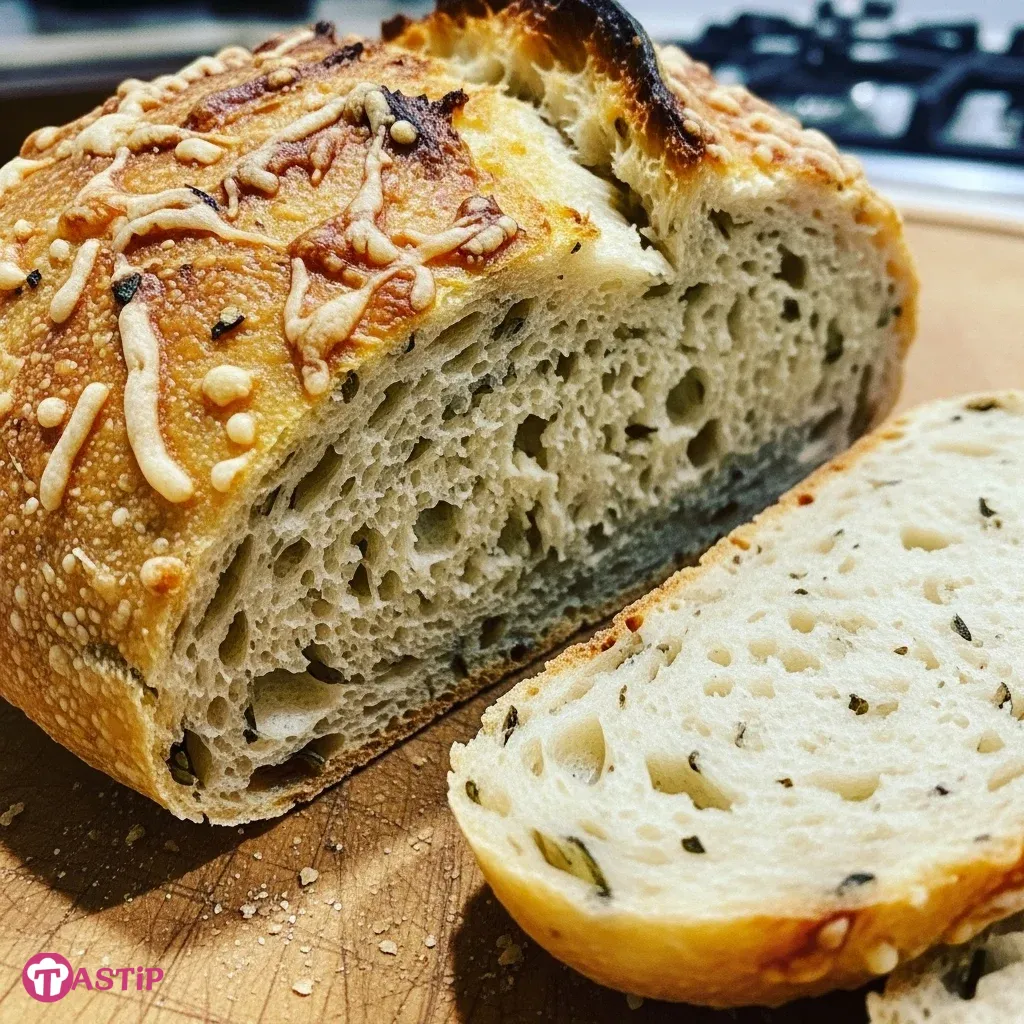
Elevate your weekend baking with this high-impact, low-effort Rosemary Parmesan Sourdough Bread Recipe. You get that bakery-style crust and airy crumb without the intense labor usually associated with traditional sourdough. This bread features aromatic fresh rosemary and savory, salty pockets of melted parmesan cheese in every single bite.
It is the ultimate comfort food for busy professionals who still value artisan quality at home. My streamlined process ensures you spend less time kneading and more time enjoying the incredible aroma filling your kitchen. Trust me, once you try this savory loaf, you will never go back to plain white bread. This Rosemary Parmesan Sourdough Bread Recipe delivers a gourmet experience with minimal active work time.
Why You’ll Love This Rosemary Parmesan Sourdough Bread Recipe
- Effortless Gourmet Flavor: The combination of sharp parmesan and earthy rosemary creates a complex taste profile that tastes like it came from a high-end bakery.
- Busy-Life Friendly: This Rosemary Parmesan Sourdough Bread Recipe utilizes a “stretch and fold” method that fits perfectly into a busy evening or weekend schedule.
- Better Digestion: The long fermentation process breaks down gluten and phytic acid, making this bread much easier on your gut than store-bought options.
- Impressive Results: Even beginners can achieve a professional-looking loaf with a crackly crust and open crumb using this specific method.
Ingredients You’ll Need
Quality is everything when you are working with a short list of ingredients. For this Rosemary Parmesan Sourdough Bread Recipe, I recommend using the best parmesan you can find. Avoid the powdered stuff in a green can; you want real Parmigiano-Reggiano or a high-quality domestic aged parmesan for those distinct melty pockets. Fresh rosemary is also non-negotiable for that punchy, forest-fresh scent.
| Ingredient | Quantity | Notes |
|---|---|---|
| Active Sourdough Starter | 100g | Bubbly and fed within 4-12 hours |
| Warm Water | 350g | Filtered water is best (approx. 80°F) |
| Bread Flour | 500g | High protein content for better structure |
| Sea Salt | 10g | Fine grain for easy dissolving |
| Fresh Rosemary | 2 tbsp | Finely chopped |
| Parmesan Cheese | 80g | Cubed or coarsely shredded |
Substitutions & Variations
Note: This video is for demonstration purposes and may use a slightly different method.
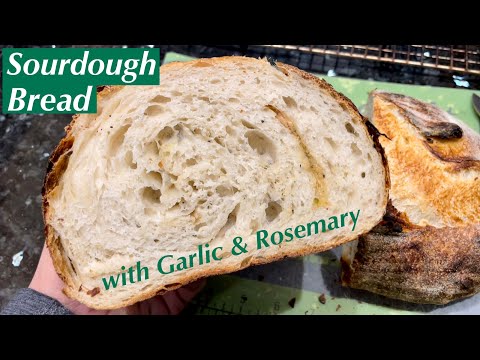
I know life gets hectic and sometimes your pantry isn’t fully stocked. If you want to tweak this Rosemary Parmesan Sourdough Bread Recipe, here are some healthy and efficient swaps. You can replace 100g of the bread flour with whole wheat flour to boost the fiber content and add a nuttier flavor. For those avoiding dairy, high-quality vegan parmesan or nutritional yeast can provide a similar umami hit, though the texture will vary slightly.
If fresh rosemary isn’t available, you can use 1 tablespoon of dried rosemary, but I suggest crushing it in your palm first to release the oils. Want a spicy kick? Add a teaspoon of red pepper flakes to the Rosemary Parmesan Sourdough Bread Recipe during the inclusion stage.
For an even more robust profile, roasted garlic cloves make a spectacular addition alongside the parmesan cheese. Always focus on whole, real-food ingredients to keep your artisan loaf as healthy as possible.
If you’re looking for alternatives while making your own Rosemary Parmesan Sourdough Bread, consider trying out some healthy swaps for a twist on this classic. Additionally, for a delightful meal, pair your bread with this delicious Garlic Butter Steak.
Step-by-Step Instructions
- Mix the Dough: In a large bowl, whisk your active starter and warm water together. Add the flour and salt. Mix by hand until a shaggy dough forms and no dry flour remains. Let it rest for 30 minutes.
- The First Stretch: Wet your hands and perform your first set of “stretch and folds.” Grab the edge of the dough, pull it up, and fold it over itself. Rotate the bowl and repeat four times.
- Add Inclusions: During the second set of stretch and folds (30 minutes later), evenly sprinkle the chopped rosemary and parmesan cubes over the dough. Fold the dough over the inclusions to trap them inside.
- Bulk Fermentation: Perform two more sets of stretch and folds every 30 minutes. Then, cover the bowl and let the Rosemary Parmesan Sourdough Bread Recipe rise in a warm spot for 4 to 6 hours, or until it has grown by about 50%.
- Shape the Loaf: Gently turn the dough onto a lightly floured surface. Fold the edges toward the center to create tension and form a round boule. Place it upside down in a proofing basket or a bowl lined with a floured towel.
- Cold Proof: Place the dough in the refrigerator for 8 to 24 hours. This step is crucial for developing the deep sourdough tang and making the dough easier to score.
- Preheat and Bake: Place a Dutch oven in your oven and preheat to 450°F. Turn the cold dough onto parchment paper, score the top with a sharp blade, and carefully drop it into the hot pot.
- The Final Reveal: Bake with the lid on for 20 minutes. Remove the lid and bake for another 20-25 minutes until the crust is a deep golden brown and the cheese is sizzling.
Pro Tips for Success
Mastering this Rosemary Parmesan Sourdough Bread Recipe requires a few technical tricks to ensure the best results every time. First, let’s talk about the cheese. Cubing the parmesan instead of finely grating it creates “cheese “puddles” that caramelize against the crust.
This provides a much better texture than grated cheese which often disappears into the crumb. Secondly, watch your water temperature. If your house is cold, use slightly warmer water to keep the fermentation on track.
If you are a busy professional, the cold proof in the fridge is your best friend. It gives you a flexible window of up to 24 hours to bake when you actually have the time.
Another key tip for the Rosemary Parmesan Sourdough Bread Recipe is the steam. Baking in a Dutch oven traps the moisture from the dough, allowing the bread to expand fully before the crust sets. If you don’t have a Dutch oven, place a pan of boiling water on the bottom rack of your oven to create a similar effect.
Finally, resist the urge to cut into the bread immediately! I know the smell of rosemary and toasted parmesan is intoxicating, but the bread needs at least an hour to finish cooking internally. Cutting too soon results in a gummy texture.
To ensure your Rosemary Parmesan Sourdough Bread turns out perfectly every time, mastering a few key techniques is essential. For a satisfying meal, complement this bread with a juicy Grilled Ribeye Steak.
Storage & Reheating Tips
If you have leftovers of this Rosemary Parmesan Sourdough Bread Recipe, storage is simple. Keep the loaf cut-side down on a wooden cutting board for the first 24 hours to maintain the crispy crust. After that, store it in a paper bag or a bread box.
Avoid plastic bags, as they trap moisture and turn that beautiful crust soft and chewy. For long-term storage, slice the bread and freeze it in a sealed freezer bag. You can toast the slices directly from the freezer, and they will taste as fresh as the day you baked them.
To reheat a larger portion of the Rosemary Parmesan Sourdough Bread Recipe, wrap it in foil and place it in a 350°F oven for about 10 minutes. This revives the parmesan and refreshes the interior crumb. If you find the bread getting slightly stale after a few days, it makes the world’s best French toast or savory bread pudding.
The rosemary and parmesan notes add an incredible depth to savory brunch dishes. Never throw away sourdough; even the crumbs are gold for topping roasted vegetables.
What to Serve With This Recipe
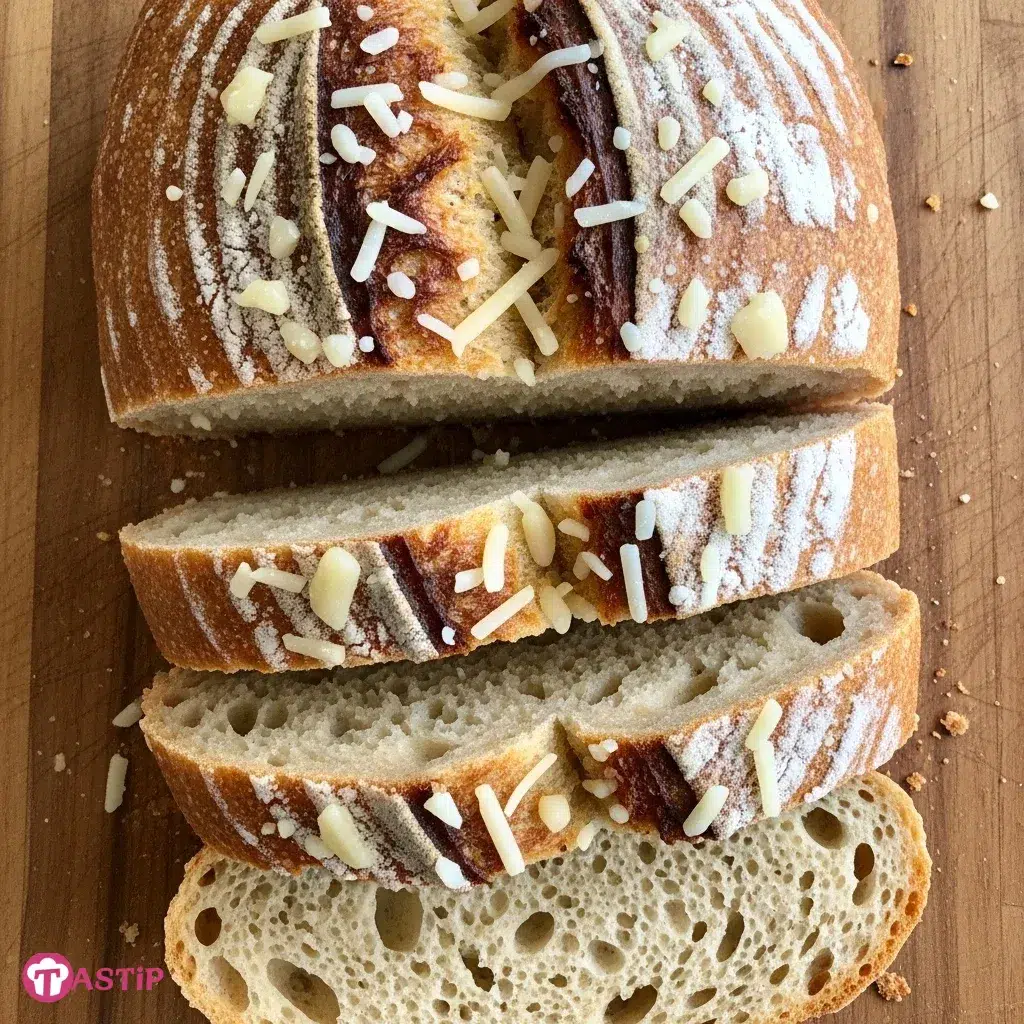
This Rosemary Parmesan Sourdough Bread Recipe is a star on its own, but it also pairs beautifully with light, healthy sides. I love serving a thick slice alongside a massive kale salad with lemon vinaigrette. The acidity of the lemon cuts through the richness of the parmesan perfectly.
It is also the ideal companion for a roasted tomato soup or a hearty vegetable minestrone. The bread acts as a sponge for the flavorful broth, while the rosemary complements the garden-fresh veggies.
For a quick professional lunch, use two slices of this Rosemary Parmesan Sourdough Bread Recipe to make a gourmet grilled cheese or a turkey avocado sandwich. If you are hosting a dinner party, serve it on a charcuterie board with olives, grapes, and a drizzle of high-quality olive oil.
The savory profile of the bread enhances the flavors of cured meats and soft cheeses. It truly is a versatile loaf that elevates any meal from “standard” to “spectacular” without requiring you to spend hours in the kitchen.
While this Rosemary Parmesan Sourdough Bread holds its own, it also pairs wonderfully with vibrant sides. For a delightful dining experience, serve it alongside a classic King Arthur Baguette Recipe for added texture and flavor.
FAQs
Can I make this Rosemary Parmesan Sourdough Bread Recipe without a Dutch oven?
Yes, you can certainly bake this bread on a preheated baking stone or a heavy-duty baking sheet. However, you must introduce steam into the oven to get that signature sourdough crust. Place a shallow pan on the bottom rack and pour a cup of boiling water into it right after you put the bread in the oven. This creates the humidity needed for the bread to rise properly.
What if my sourdough starter isn’t very active?
Success with this Rosemary Parmesan Sourdough Bread Recipe depends on a healthy starter. If your starter is sluggish, give it two or three feedings every 12 hours before you plan to bake. A strong starter should double in size within 4 to 6 hours of feeding. If you’re in a rush, you can add a tiny pinch of commercial yeast to the dough to help it along, though purists might disagree!
Can I use dried rosemary instead of fresh?
While fresh rosemary provides the most vibrant flavor and aroma, dried rosemary is a functional substitute. Use about half the amount of dried rosemary compared to fresh, as the dried herb is more concentrated. To get the most out of it, crush the dried leaves in a mortar and pestle or between your fingers before adding them to the Rosemary Parmesan Sourdough Bread Recipe dough.
This flavored bread showcases the wonderful fusion of herbs and cheese, enhancing the overall taste and aroma of the loaf. Learn more about the baking techniques involving bread making and fermentation processes in this article on bread.
Nutrition Information (per serving)
This Rosemary Parmesan Sourdough Bread Recipe yields approximately 12 thick slices. Sourdough is naturally lower on the glycemic index than standard bread, making it a smarter choice for energy stability throughout your workday.
| Metric | Amount |
|---|---|
| Calories | 210 kcal |
| Total Carbohydrates | 36g |
| Protein | 8g |
| Total Fat | 4g |
| Fiber | 2g |
| Sodium | 420mg |
Baking your own Rosemary Parmesan Sourdough Bread Recipe is a rewarding way to bring artisan quality into a busy lifestyle. By using smart shortcuts like the stretch-and-fold method and the cold proof, you can enjoy world-class bread with very little active work. This loaf is savory, fragrant, and guaranteed to impress anyone lucky enough to get a slice. Stop settling for boring store-bought loaves and start baking this delicious, professional-grade bread today!
Print
Rosemary Parmesan Sourdough Bread Recipe
- Total Time: 12 hours 10 mins
- Yield: 12 servings 1x
- Diet: Vegetarian
Description
This Rosemary Parmesan Sourdough Bread Recipe delivers a gourmet experience with minimal active work time. It combines sharp parmesan and earthy rosemary for a complex flavor profile, along with an artisan-style crust and airy crumb.
Ingredients
100 g Active Sourdough Starter
350 g Warm Water
500 g Bread Flour
10 g Sea Salt
2 tbsp Fresh Rosemary, finely chopped
80 g Parmesan Cheese, cubed or coarsely shredded
Instructions
- In a large bowl, whisk your active starter and warm water together. Add the flour and salt. Mix by hand until a shaggy dough forms and no dry flour remains. Let it rest for 30 minutes
- Perform your first set of 'stretch and folds.' Grab the edge of the dough, pull it up, and fold it over itself. Rotate the bowl and repeat four times
- During the second set of stretch and folds (30 minutes later), evenly sprinkle the chopped rosemary and parmesan cubes over the dough. Fold the dough over the inclusions to trap them inside
- Perform two more sets of stretch and folds every 30 minutes. Then, cover the bowl and let the dough rise in a warm spot for 4 to 6 hours, or until it has grown by about 50%
- Gently turn the dough onto a lightly floured surface. Fold the edges toward the center to create tension and form a round boule. Place it upside down in a proofing basket or a bowl lined with a floured towel
- Place the dough in the refrigerator for 8 to 24 hours
- Place a Dutch oven in your oven and preheat to 450°F. Turn the cold dough onto parchment paper, score the top with a sharp blade, and carefully drop it into the hot pot
- Bake with the lid on for 20 minutes. Remove the lid and bake for another 20-25 minutes until the crust is a deep golden brow
Notes
Use real Parmigiano-Reggiano or high-quality domestic aged parmesan for best results.
If using dried rosemary, crush it to release the oils.
The cold proof step helps develop flavor and makes the dough easier to score.
- Prep Time: 30 mins
- Cook Time: 40 mins
- Category: Baking
- Method: Baking
- Cuisine: American
Nutrition
- Serving Size: 1 slice
- Calories: 210 kcal
- Sugar: 0 g
- Sodium: 420 mg
- Fat: 4 g
- Saturated Fat: 2 g
- Unsaturated Fat: 0.5 g
- Trans Fat: 0 g
- Carbohydrates: 36 g
- Fiber: 2 g
- Protein: 8 g
- Cholesterol: 10 mg