
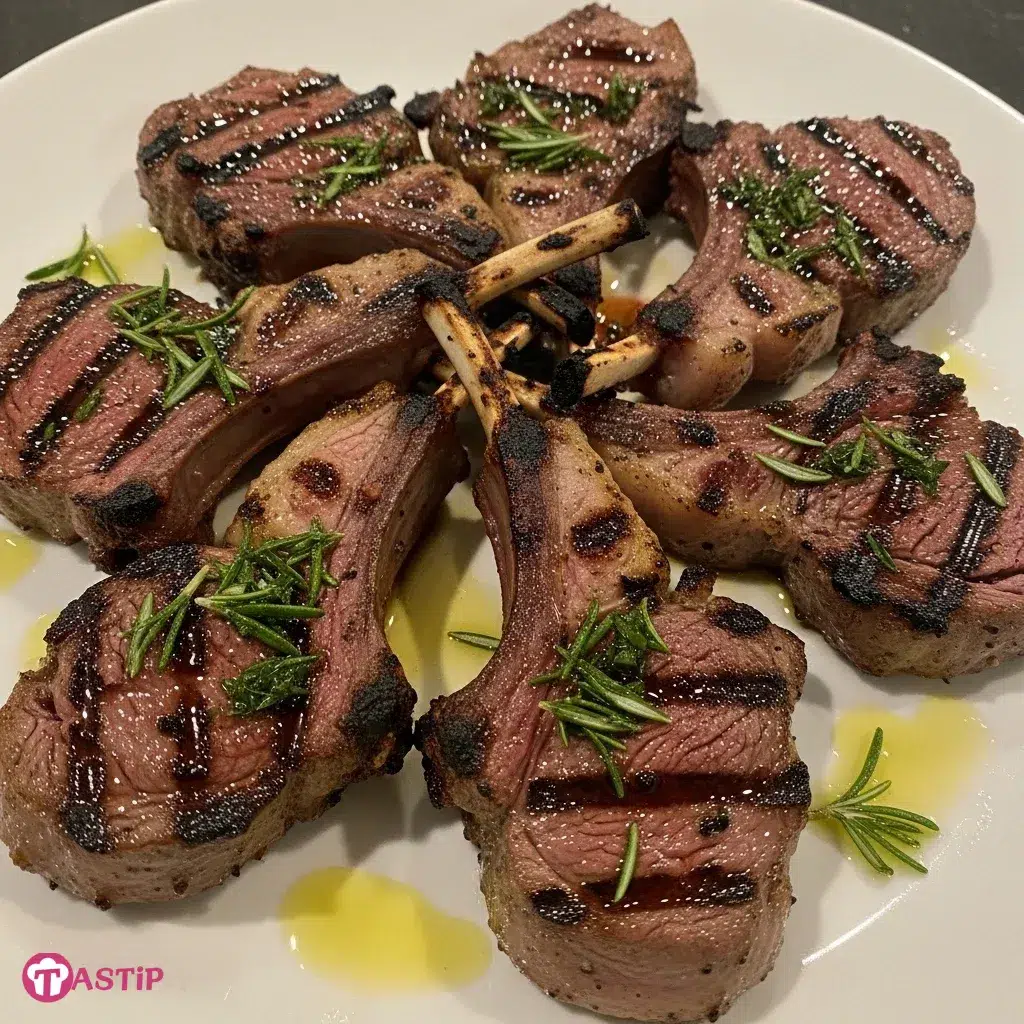
Achieving the perfect Grilled Lamb Chops is a masterclass in heat management and protein chemistry. These small, tender cuts offer a rich, grassy flavor that responds beautifully to the intense radiation of a grill. When prepared correctly, the exterior undergoes a complex Maillard reaction while the interior remains succulent and buttery.
Many home cooks struggle with overcooking lamb, but understanding the thermal properties of the meat changes everything. By focusing on temperature control rather than just time, you can produce a result that rivals the finest steakhouses. This recipe focuses on the science of the sear to ensure your Grilled Lamb Chops are consistently excellent.
Why You’ll Love This Grilled Lamb Chops Recipe
- Unmatched Flavor Profile: The combination of high-heat char and the specific branched-chain fatty acids in lamb creates a unique savory depth.
- Efficient Cook Time: Because of their size, these chops cook in under ten minutes, making them an ideal choice for high-end weeknight meals.
- Nutrient Density: This recipe provides a significant source of high-quality protein, Vitamin B12, and essential minerals like zinc and iron.
- Professional Results: By using my test-kitchen techniques, you will achieve a perfect edge-to-edge medium-rare finish every time.
Ingredients You’ll Need
To make the best Grilled Lamb Chops, you must start with high-quality components. Chemistry plays a role even in your choice of salt and oil.
| Ingredient | Quantity | Purpose |
|---|---|---|
| Lamb Loin or Rib Chops | 8 pieces (1-inch thick) | The primary protein source; rib chops offer more fat, loin chops more meat. |
| Kosher Salt | 1.5 teaspoons | Denatures proteins to retain moisture and enhances flavor. |
| Coarse Black Pepper | 1 teaspoon | Provides pungent heat and textural contrast. |
| Fresh Rosemary | 2 tablespoons (minced) | Contains oil-soluble aromatics that withstand high grill heat. |
| Fresh Garlic | 3 cloves (minced) | Adds depth through the creation of organosulfur compounds. |
| Extra Virgin Olive Oil | 2 tablespoons | Acts as a heat conductor and keeps the meat from sticking to the grates. |
| Lemon Zest | 1 teaspoon | The citric oils cut through the richness of the lamb fat. |
Substitutions & Variations
Note: This video is for demonstration purposes and may use a slightly different method.

If you want to tweak the flavor profile of your Grilled Lamb Chops, you can make these science-backed healthy swaps. Instead of rosemary, try fresh thyme or oregano. These herbs contain different aromatic volatile compounds but offer similar heat resistance. For a lower-sodium option, replace half the salt with lemon juice added at the very end; the acid tricks the tongue into perceiving more seasoning.
If you cannot find lamb chops, thick-cut venison steaks or small mutton chops serve as excellent alternatives. However, mutton requires a longer “tempering” period because the connective tissue is more dense. For the fat source, if you prefer not to use olive oil, avocado oil is a fantastic substitute due to its high smoke point, which prevents the oil from breaking down into bitter compounds during the grilling process.
If you’re looking to mix up the flavors in your Grilled Lamb Chops, consider trying grilled fish varieties, such as Grilled Tilapia. This light and flaky option can provide a fresh contrast that complements rich lamb.
Step-by-Step Instructions
The secret to Grilled Lamb Chops is not just the heat, but how you prepare the meat for the fire. Follow these steps for scientific precision.
- Tempering the Meat: Remove your lamb chops from the refrigerator at least 30 to 45 minutes before cooking. This process, called tempering, ensures that the internal temperature rises closer to room temperature. This reduces the thermal gradient, meaning the outside won’t overcook before the inside reaches the target temperature.
- Surface Dehydration: Use a paper towel to pat the chops completely dry. Moisture is the enemy of the Maillard reaction. If the surface is wet, the energy from the grill will be wasted on evaporating water (latent heat of vaporization) rather than browning the meat.
- Seasoning and Osmosis: Rub the olive oil, garlic, rosemary, and lemon zest onto the chops. Apply the salt generously. Salt draws out moisture initially, but if you wait at least 40 minutes (or season immediately before cooking), the brine will be reabsorbed, seasoning the meat deeply and breaking down tough muscle fibers.
- Preheating the Grill: Fire up your grill to high heat (approximately 450°F to 500°F). Clean the grates thoroughly. A clean grate ensures better conduction and prevents old carbonized food from sticking to your fresh Grilled Lamb Chops.
- The Sear: Place the chops on the direct heat zone. For a 1-inch chop, sear for about 3 to 4 minutes per side. Do not move them once they hit the grill; you want to establish a solid crust through steady conduction.
- Monitoring Doneness: Use an instant-read thermometer. For medium-rare, pull the chops off the grill when they hit 130°F. The temperature will continue to rise during the rest.
- The Critical Rest: Transfer the Grilled Lamb Chops to a warm plate and tent loosely with foil. Let them rest for at least 5 to 10 minutes. This allows the muscle fibers to relax and reabsorb the internal juices, ensuring the liquid stays in the meat rather than on your cutting board.
Pro Tips for Success
To truly master Grilled Lamb Chops, you must think like a scientist. Here are my top technical tips from the test kitchen:
- Understand Carryover Cooking: Thermal momentum is real. Large pieces of meat can rise 5 to 10 degrees after leaving the heat. Because lamb chops are small, the rise is usually only 3 to 5 degrees, but it is enough to push a perfect medium-rare into medium territory if you aren’t careful.
- Watch the Fat Cap: Lamb fat has a higher melting point than beef fat. If your chops have a thick fat cap on the side, use tongs to hold the chops upright on the grill for 30 seconds to “render” that fat. This transforms chewy fat into crispy, flavorful gold.
- Manage Flare-ups: Lamb fat is highly flammable. If the fat drips and creates a flame, move the chops to a “cool zone” on the grill. Carbon soot from grease fires tastes bitter and ruins the delicate flavor of the meat.
- The pH Factor: Adding a small amount of lemon zest to your marinade doesn’t just add flavor; the slight acidity helps tenderize the surface proteins, making the Grilled Lamb Chops feel even more tender on the palate.
- Use a Two-Zone Setup: Even with small chops, having a hot side and a cool side on your grill gives you an escape route if the exterior browns too quickly before the center is done.
To enhance your skills in grilling, consider the scientific approach demonstrated in the Grilled Lemon Garlic Fish recipe. Understanding heat management in different proteins can improve your lamb chops immensely.
Storage & Reheating Tips
If you have leftover Grilled Lamb Chops, you must handle them carefully to preserve their texture. Place them in an airtight glass container and refrigerate for up to three days. The cold temperature will cause the fats to solidify, which actually helps protect the meat from drying out.
To reheat, avoid the microwave at all costs. The microwave vibrates water molecules, which often results in rubbery, overcooked meat. Instead, use a “low and slow” approach.
Place the chops in a 300°F oven for about 10 minutes until they are just warmed through. Alternatively, you can slice the cold meat thinly and serve it over a warm salad, allowing the residual heat of the vegetables to take the chill off the lamb without further denaturing the proteins.
What to Serve With This Recipe
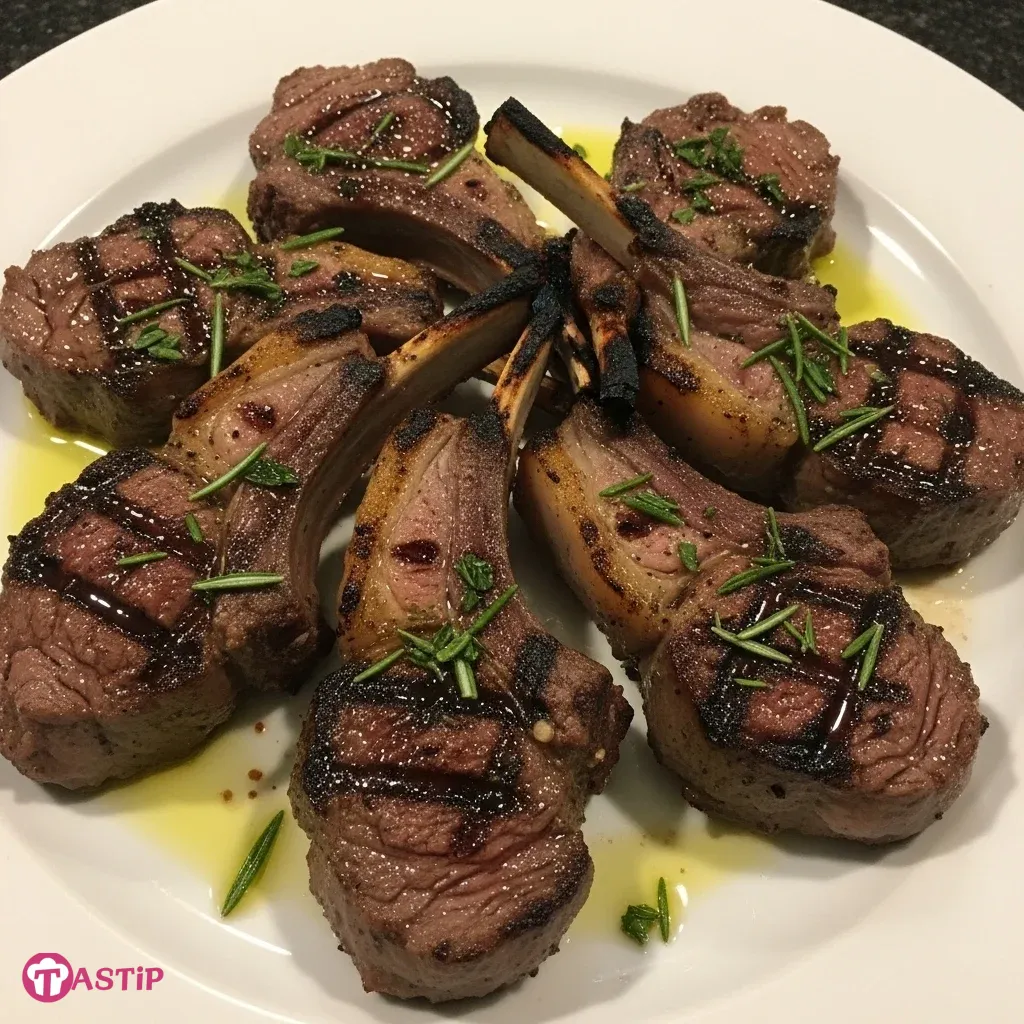
When pairing sides with Grilled Lamb Chops, you want to balance the richness of the fat with acidity and fiber.
- Grilled Asparagus: The slight bitterness of charred asparagus stalks complements the sweetness of the lamb. Toss them in lemon juice and a hint of parmesan.
- Greek Quinoa Salad: A mix of cucumbers, tomatoes, feta, and kalamata olives provides a refreshing contrast. The acidity in the vinaigrette acts as a palate cleanser between bites of rich meat.
- Roasted Root Vegetables: Carrots or parsnips roasted with a touch of honey enhance the earthy notes found in grass-fed lamb.
- Mint Pesto: Traditional mint jelly is often too sugary. Instead, pulse fresh mint, walnuts, and olive oil for a bright, herbaceous sauce that highlights the Grilled Lamb Chops perfectly.
When serving sides with your Grilled Lamb Chops, consider a hearty option like Grilled Ribeye Steak. The combination of flavors from both meats can create an unforgettable dining experience.
FAQs
What is the best internal temperature for lamb chops?
For the most tender results, aim for medium-rare, which is an internal temperature of 135°F after resting. This means you should remove your Grilled Lamb Chops from the heat at 130°F. Cooking lamb to well-done (160°F+) causes the protein fibers to tighten excessively, resulting in a dry and tough texture.
Should I use rib chops or loin chops for grilling?
Both work excellently for Grilled Lamb Chops. Rib chops (often called lollipops) are more elegant and have a higher fat-to-meat ratio, providing more flavor. Loin chops look like mini T-bone steaks; they are meatier and typically more affordable, making them great for a hearty family dinner.
How do I prevent the garlic from burning on the grill?
Garlic contains natural sugars that carbonize quickly. To prevent burning, mince the garlic very finely or use a garlic press so it integrates into the oil. The oil acts as a buffer. Alternatively, you can use granulated garlic in your dry rub, which has a higher heat tolerance than fresh cloves.
Grilled lamb chops are renowned for their rich flavor and tenderness, making them a favorite among meat lovers. The art of grilling lamb involves understanding key cooking principles to achieve that perfectly charred exterior while preserving a succulent interior, much like what is detailed in the study of meat cooking.
Nutrition Information (per serving)
This profile is based on a serving of two standard-sized chops.
| Nutrient | Amount |
|---|---|
| Calories | 340 kcal |
| Total Fat | 22g |
| Saturated Fat | 8g |
| Cholesterol | 95mg |
| Sodium | 420mg |
| Protein | 32g |
| Carbohydrates | 1g |
Cooking Grilled Lamb Chops is an rewarding experience that combines the primal joy of live-fire cooking with the precision of food science. By focusing on surface moisture, temperature gradients, and proper resting, you can elevate this simple cut into something truly extraordinary. Remember, the grill is your laboratory, and every meal is an opportunity to refine your technique. Enjoy the process and the delicious results.
Print
Grilled Lamb Chops
- Total Time: 30 mins
- Yield: 4 servings 1x
- Diet: Gluten Free
Description
This Grilled Lamb Chops recipe combines high-heat cooking with precise temperature management to achieve an unmatched flavor profile, making it perfect for any weeknight meal. The process involves understanding protein chemistry and the science of searing.
Ingredients
8 pieces Lamb Loin or Rib Chops
1.5 teaspoons Kosher Salt
1 teaspoon Coarse Black Pepper
2 tablespoons Fresh Rosemary, minced
3 cloves Fresh Garlic, minced
2 tablespoons Extra Virgin Olive Oil
1 teaspoon Lemon Zest
Instructions
- Remove lamb chops from the refrigerator 30 to 45 minutes before cooking
- Pat chops dry with a paper towel
- Rub the olive oil, garlic, rosemary, and lemon zest onto the chops and apply kosher salt
- Preheat grill to high heat (450°F to 500°F) and clean the grates
- Sear the chops on direct heat for 3 to 4 minutes per side
- Use an instant-read thermometer to check for medium-rare at 130°F
- Let the chops rest for 5 to 10 minutes before serving
Notes
For a lower-sodium option, replace half the salt with lemon juice added at the end.
Use venison steaks or mutton chops if lamb is not available.
- Prep Time: 20 mins
- Cook Time: 10 mins
- Category: Dinner
- Method: Grilling
- Cuisine: American
Nutrition
- Serving Size: 2 chops
- Calories: 340 kcal
- Sugar: 0g
- Sodium: 420mg
- Fat: 22g
- Saturated Fat: 8g
- Unsaturated Fat: 14g
- Trans Fat: 0g
- Carbohydrates: 1g
- Fiber: 0g
- Protein: 32g
- Cholesterol: 95mg