
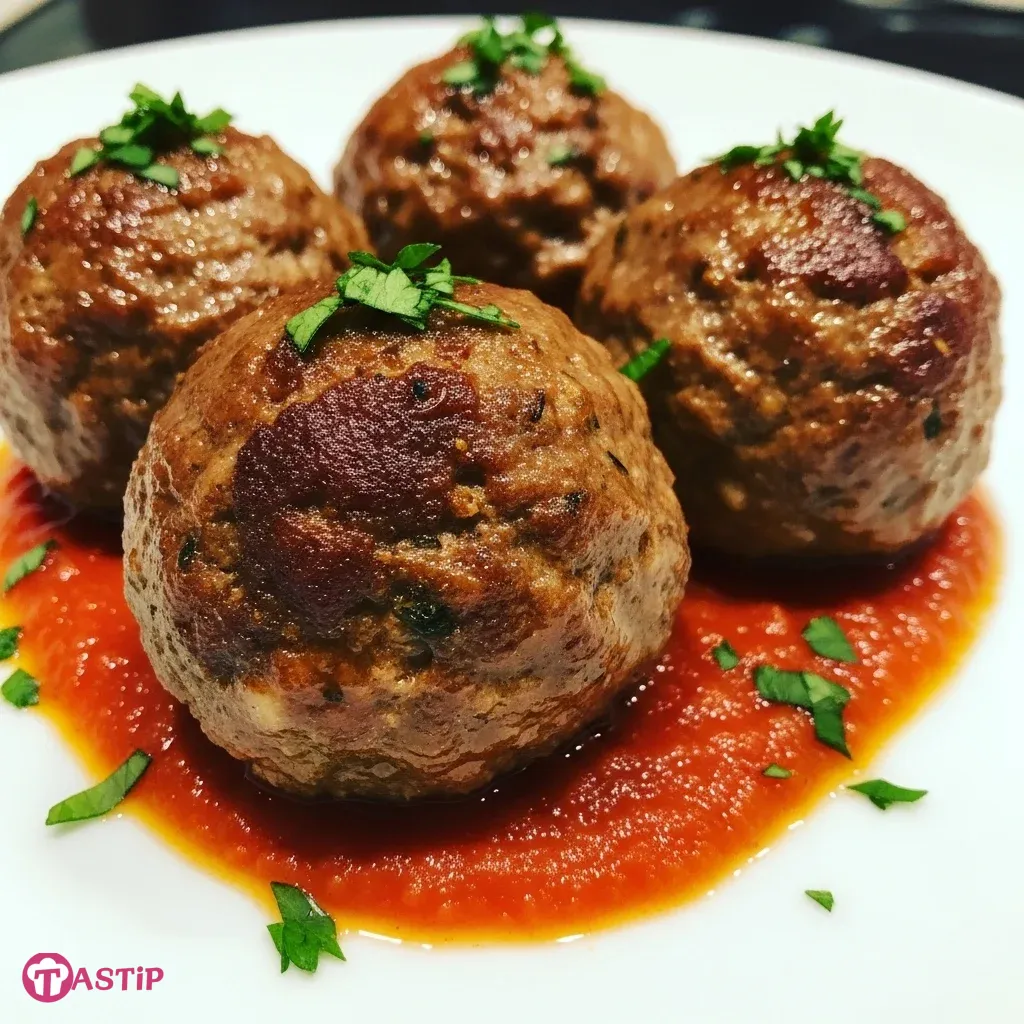
Achieving the perfect balance of a tender interior and a deeply savory exterior is the hallmark of truly great Classic Beef Meatballs. As a former test kitchen chef, I have spent years analyzing the molecular structure of ground meat to understand how to prevent the dreaded “rubber ball” texture. This recipe utilizes a scientifically backed panade to ensure every bite remains succulent while delivering a robust umami punch.
We focus on temperature control and protein manipulation to create a result that surpasses any restaurant version. You will find that these Classic Beef Meatballs offer a sophisticated flavor profile that pairs beautifully with any sauce. Let’s dive into the chemistry of the kitchen to elevate your culinary game today.
Why You’ll Love This Recipe
- Unmatched Texture: This recipe employs a traditional panade—a mixture of starch and liquid—to physically interfere with protein bonding, ensuring your Classic Beef Meatballs remain incredibly soft and tender.
- Scientific Flavor Layering: We leverage the Maillard reaction through precise searing techniques to develop hundreds of complex flavor compounds that you simply cannot get from boiling or steaming meat.
- Meal Prep Efficiency: These Classic Beef Meatballs are highly stable, meaning they retain their moisture and structural integrity even after freezing and reheating for busy weeknights.
- Heart-Healthy Adaptations: While we focus on traditional techniques, we provide clear instructions for integrating leaner proteins and whole grains without sacrificing the essential mouthfeel.
Ingredients You’ll Need
Success in the kitchen starts with high-quality raw materials. For Classic Beef Meatballs, the ratio of fat to lean protein is the most critical variable. I recommend an 80/20 blend of ground chuck.
The 20% fat content provides the lubrication necessary to carry fat-soluble flavor compounds across your palate. Furthermore, using fresh Parmigiano-Reggiano provides a concentrated source of glutamates, which naturally enhances the savory perception of the beef.
| Ingredient | Quantity | Purpose in Recipe |
|---|---|---|
| Ground Beef (80/20 Chuck) | 1 lb | Provides the primary protein structure and essential fats. |
| Plain Breadcrumbs | 1/2 Cup | Acts as the starch component for the panade to retain moisture. |
| Whole Milk | 1/4 Cup | Hydrates the starch and adds a subtle creaminess to the interior. |
| Egg (Large) | 1 Unit | Serves as a protein binder to hold the sphere together during cooking. |
| Parmigiano-Reggiano | 1/3 Cup | Adds umami and a salty, complex finish. |
| Fresh Parsley | 2 Tbsp | Provides volatile aromatic compounds and visual brightness. |
| Garlic (Minced) | 2 Cloves | Delivers allicin for a sharp, savory aromatic base. |
| Kosher Salt | 1 Tsp | Dissolves myosin proteins to improve texture and flavor. |
| Black Pepper | 1/2 Tsp | Adds a mild heat and earthy floral notes. |
Substitutions & Variations
Note: This video is for demonstration purposes and may use a slightly different method.
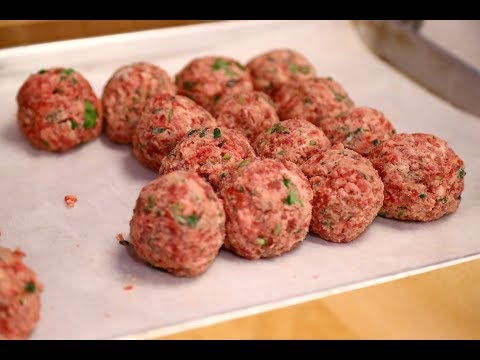
Understanding how to swap ingredients without ruining the structural integrity of your Classic Beef Meatballs is a vital skill. If you are looking for a leaner profile, you can substitute the ground beef with ground turkey or chicken. However, because poultry has less saturated fat, you must increase the moisture in your panade to prevent the meatballs from becoming dry and chalky.
- Low-Carb Option: Replace the traditional breadcrumbs with crushed pork rinds or almond flour. This maintains the physical barrier between meat fibers while significantly reducing the glycemic load.
- Dairy-Free Alternative: Use unsweetened almond milk or beef broth in place of whole milk for the panade. Replace the cheese with a tablespoon of nutritional yeast to maintain that essential umami depth.
- Fiber Boost: Swap white breadcrumbs for toasted wheat germ or ground oats. These options add a nutty flavor and increase the dietary fiber content of your Classic Beef Meatballs.
- Herb Variations: If you find parsley too mild, incorporate fresh oregano or basil. These herbs contain different essential oils that can tilt the flavor profile toward a more traditional Mediterranean style.
As you explore ingredient substitutions for your Classic Beef Meatballs, consider how these changes can impact flavor and texture. For instance, if you want a lighter version, check out our recipe for Classic Iced Coffee which pairs perfectly with the meal.
Step-by-Step Instructions
Follow these steps precisely to ensure your Classic Beef Meatballs achieve the perfect internal temperature and external crust. Consistency in size is key to ensuring that every meatball cooks at the same rate, preventing some from being overdone while others remain undercooked.
- Create the Panade: In a large mixing bowl, combine the breadcrumbs and milk. Let this sit for at least five minutes. This allows the starch granules to fully hydrate and expand, which is the secret to a soft texture.
- Aromatize the Base: Whisk the egg, minced garlic, grated Parmigiano-Reggiano, chopped parsley, salt, and pepper into the breadcrumb mixture. By mixing the seasonings into the panade first, you ensure an even distribution without overworking the meat.
- Integrate the Beef: Add the cold ground beef to the bowl. Using clean hands, gently fold the meat into the mixture. Pro Tip: Do not over-mix. Over-handling causes the proteins to cross-link too tightly, resulting in a tough, dense meatball. Stop as soon as the ingredients are just combined.
- Portioning: Using a spring-loaded scoop or a digital scale, portion the mixture into roughly 1.5-ounce spheres. Gently roll them between your palms to form smooth rounds. Do not pack them too tightly; a loose structure allows for better heat penetration.
- The Searing Phase: Heat a heavy-bottomed skillet over medium-high heat with a tablespoon of high-smoke-point oil. Add the Classic Beef Meatballs in batches, ensuring you do not overcrowd the pan. Searing creates the Maillard reaction, developing a rich brown crust.
- Final Cooking: Once browned on all sides, you can finish the meatballs by simmering them in your favorite marinara sauce for 10-12 minutes or by placing them in a 375°F oven for about 10 minutes until the internal temperature reaches 160°F.
Pro Tips for Success
To master Classic Beef Meatballs, you must think like a scientist. One of the most common mistakes is using meat that is too warm. When fat reaches room temperature, it begins to soften and smear.
If this happens while you are mixing, the fat will leak out during cooking rather than staying trapped within the protein matrix. Always keep your beef in the refrigerator until the exact moment you are ready to mix.
Another technical secret involves the use of salt. Salt doesn’t just season; it changes the structure of the meat. It dissolves a protein called myosin, which helps the meat hold onto water.
However, if you salt the meat too early and let it sit, it can become sausage-like in texture. For the best Classic Beef Meatballs, mix the salt into the panade first, then quickly incorporate the meat and cook shortly after.
Finally, consider the “venting” of your meatballs. If you roll them into perfectly smooth, compressed spheres, steam cannot escape, which can lead to internal pressure that makes the meatballs tough. A slightly “craggy” surface actually provides more surface area for the Maillard reaction and allows for a lighter, airier internal crumb.
Understanding the science behind cooking meat is crucial for the best results. While mastering your meatballs, remember to also perfect dessert with our Classic Cheesecake recipe for a well-rounded dining experience.
Storage & Reheating Tips
Proper storage is essential for maintaining the quality of your Classic Beef Meatballs. If you have leftovers, allow them to cool to room temperature before placing them in an airtight container. They will stay fresh in the refrigerator for up to four days.
For long-term storage, flash-freeze the cooked meatballs on a baking sheet before transferring them to a freezer-safe bag. This prevents them from sticking together and allows you to pull out exactly what you need for a single meal.
When it comes to reheating, avoid the microwave if possible, as it can cause the proteins to tighten and become rubbery. Instead, gently simmer the Classic Beef Meatballs in a sauce over low heat. If you prefer a crispy exterior, you can reheat them in an air fryer at 350°F for 5 minutes. This revives the crust while keeping the interior moist.
What to Serve With This Recipe
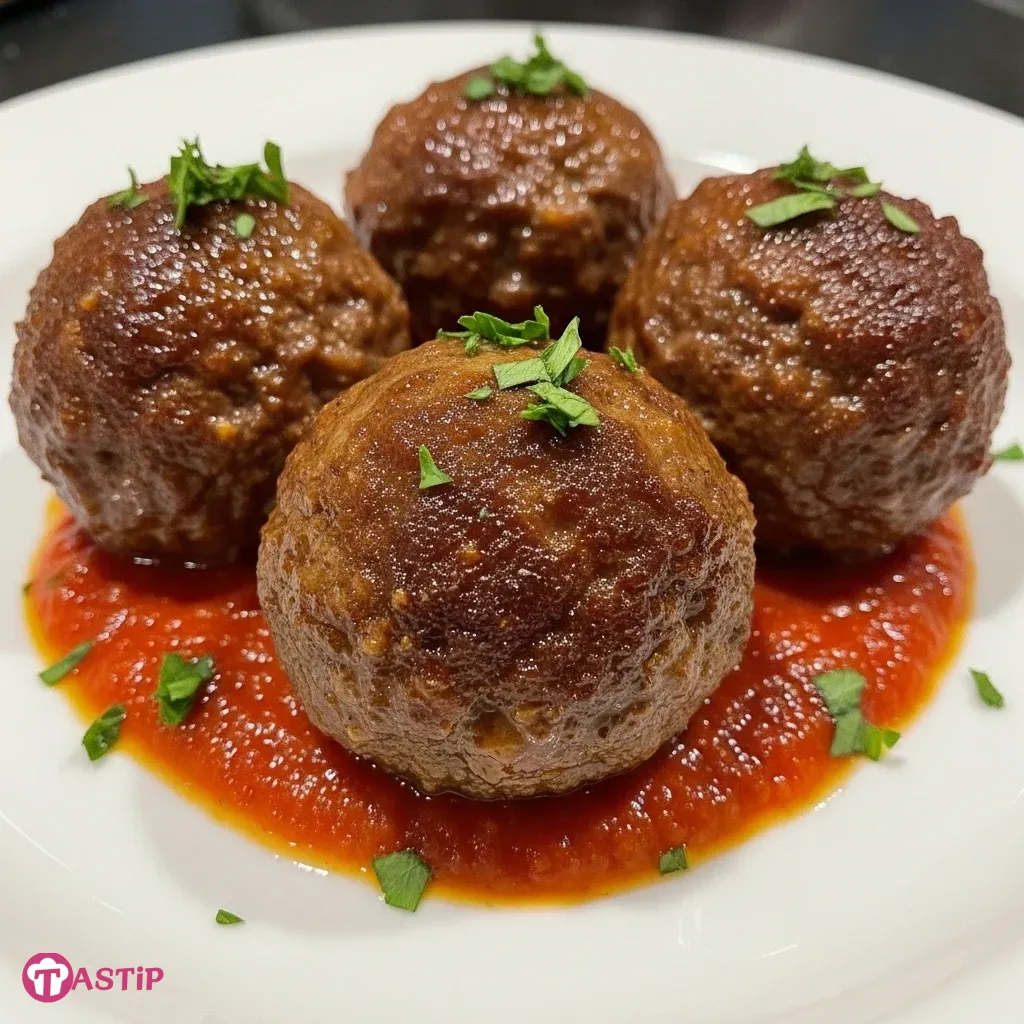
While pasta is the traditional choice, I recommend pairing Classic Beef Meatballs with nutrient-dense sides that balance the richness of the beef. A bright, acidic component can cut through the fat and cleanse the palate between bites. Understanding the balance of flavors—fat, acid, salt, and heat—is what separates a home cook from a chef.
- Roasted Broccolini: Tossed with lemon juice and red pepper flakes, the bitterness of the greens provides a perfect counterpoint to the savory meat.
- Zucchini Noodles: For a lighter, lower-carb alternative to spaghetti, “zoodles” offer a refreshing crunch and absorb the flavors of your sauce beautifully.
- Massaged Kale Salad: A hardy salad with a vinaigrette dressing adds a textural contrast that stands up well to the warm, soft meatballs.
- Cauliflower Mash: If you crave comfort food, a creamy cauliflower purée offers a similar mouthfeel to mashed potatoes with a significantly higher micronutrient profile.
Pairing your Classic Beef Meatballs with flavorful sides enhances the overall meal presentation. For a tasty and nutritious option, why not try our Classic Potato Soup? It complements the richness beautifully.
FAQs
What is the ideal internal temperature for meatballs?
For Classic Beef Meatballs made with ground beef, the USDA recommends an internal temperature of 160°F (71°C). At this temperature, harmful bacteria are destroyed, and the proteins have set, but the moisture hasn’t yet been completely squeezed out. Using a digital instant-read thermometer is the only way to guarantee precision every time.
Can I bake these instead of frying them?
Yes, you can certainly bake Classic Beef Meatballs. Place them on a wire rack over a baking sheet at 400°F for 15-20 minutes. While you won’t get the same localized crust as pan-searing, the circulating air provides even cooking and allows excess fat to drip away, making it a slightly healthier preparation method.
Why are my meatballs falling apart in the sauce?
If your Classic Beef Meatballs disintegrate, it usually indicates a lack of binding or insufficient searing. Ensure you use the proper amount of egg and panade. Furthermore, searing the meatballs creates a “structural shell” that protects the interior. If you skip the sear and put raw meat directly into the liquid, the proteins don’t have a chance to bond quickly enough to hold the shape.
The preparation of traditional meatballs has a rich history and varies significantly across different cultures and cuisines, each bringing their own unique flavors and techniques. The concept of meatballs can be traced back to ancient times, where various types of minced meat were mixed with spices and other ingredients to create flavorful dishes, much like in the classic preparations still enjoyed today.
Nutrition Information (per serving)
This nutritional profile reflects a standard serving of three Classic Beef Meatballs. Note that the values may shift depending on your choice of beef fat percentage and specific substitutions. We focus on high-protein, moderate-fat content to provide sustained satiety.
| Nutrient | Amount per Serving |
|---|---|
| Calories | 285 kcal |
| Protein | 22g |
| Total Fat | 18g |
| Saturated Fat | 7g |
| Carbohydrates | 8g |
| Fiber | 1g |
| Sodium | 480mg |
Classic Beef Meatballs
- Total Time: 30 mins
- Yield: 4 servings 1x
- Diet: Gluten Free
Description
Classic Beef Meatballs are characterized by their tender interior and savory exterior, achieved through a scientifically backed panade that ensures moisture retention and flavor enhancement. Perfect for meal prep and adaptable to various dietary needs.
Ingredients
1 lb Ground Beef (80/20 Chuck)
1/2 cup Plain Breadcrumbs
1/4 cup Whole Milk
1 Large Egg
1/3 cup Parmigiano-Reggiano
2 Tbsp Fresh Parsley
2 Cloves Garlic (Minced)
1 tsp Kosher Salt
1/2 tsp Black Pepper
Instructions
- Create the Panade: In a large mixing bowl, combine the breadcrumbs and milk. Let this sit for at least five minutes
- Aromatize the Base: Whisk the egg, minced garlic, grated Parmigiano-Reggiano, chopped parsley, salt, and pepper into the breadcrumb mixture
- Integrate the Beef: Add the cold ground beef to the bowl and gently fold the meat into the mixture
- Portioning: Portion the mixture into roughly 1.5-ounce spheres and roll them between your palms
- The Searing Phase: Heat a heavy-bottomed skillet over medium-high heat with oil, add the meatballs in batches
- Final Cooking: Once browned, simmer in your favorite marinara sauce for 10-12 minutes or bake at 375°F for 10 minutes
Notes
Keep the ground beef cold until mixing to prevent the fat from softening and leaking out.
Mix salt into the panade first to prevent pulling moisture from the meat too early.
- Prep Time: 20 mins
- Cook Time: 10 mins
- Category: Dinner
- Method: Baking
- Cuisine: American
Nutrition
- Serving Size: 3 meatballs
- Calories: 285 kcal
- Sugar: 0 g
- Sodium: 480 mg
- Fat: 18 g
- Saturated Fat: 7 g
- Unsaturated Fat: NA
- Trans Fat: NA
- Carbohydrates: 8 g
- Fiber: 1 g
- Protein: 22 g
- Cholesterol: 186 mg