
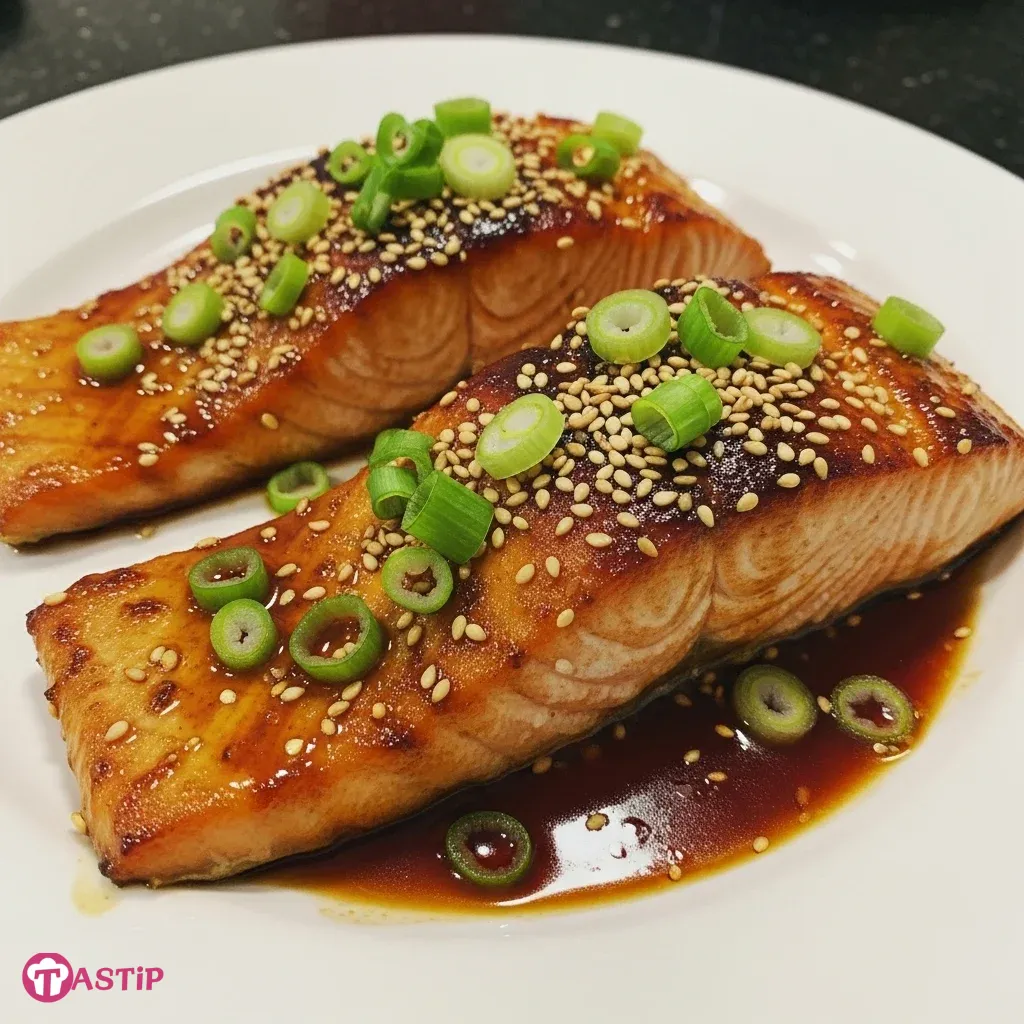
Imagine a dish that perfectly balances sweet, savory, and umami flavors while nourishing your body from the inside out. This Teriyaki Baked Salmon offers a succulent, flaky texture that melts in your mouth with every single bite. As a nutritionist, I prioritize meals that provide high-quality protein and essential fatty acids without sacrificing the joy of eating.
This recipe uses clean ingredients to recreate a classic takeout favorite in the comfort of your own kitchen. You will love how the vibrant glaze caramelizes under the heat, creating a beautiful finish that looks as good as it tastes. Preparing a healthy, restaurant-quality dinner has never been more accessible or more delicious than with this Teriyaki Baked Salmon.
Why You’ll Love This Teriyaki Baked Salmon Recipe
- Nutrient-Dense Fuel: This dish provides a massive dose of Omega-3 fatty acids, which support heart health and brain function.
- Effortless Preparation: You can have this Teriyaki Baked Salmon on the table in less than 30 minutes, making it perfect for busy weeknights.
- Clean Ingredients: We swap refined sugars and excess sodium for natural sweeteners and mineral-rich alternatives to keep your energy levels stable.
- Crowd-Pleasing Flavor: The balance of ginger, garlic, and honey creates a sophisticated flavor profile that even the pickiest eaters will enjoy.
Ingredients You’ll Need
To create the ultimate Teriyaki Baked Salmon, the quality of your ingredients truly matters. I always recommend sourcing wild-caught salmon whenever possible to ensure you get the highest concentration of nutrients and the cleanest flavor profile. For the glaze, we use whole-food aromatics like fresh ginger and garlic, which offer anti-inflammatory benefits that bottled sauces simply cannot match.
| Ingredient | Quantity | Nutritional Benefit |
|---|---|---|
| Salmon Fillets | 4 (6-ounce) fillets | Rich in Omega-3s and high-quality protein. |
| Coconut Aminos | 1/2 cup | A soy-free, lower-sodium alternative to soy sauce. |
| Raw Honey | 2 tablespoons | Natural sweetener with antioxidant properties. |
| Fresh Ginger | 1 tablespoon, grated | Supports digestion and reduces inflammation. |
| Fresh Garlic | 3 cloves, minced | Boosts immune function and adds pungent depth. |
| Rice Vinegar | 1 tablespoon | Adds a bright acidity to balance the sweetness. |
| Toasted Sesame Oil | 1 teaspoon | Provides a nutty aroma and healthy fats. |
| Green Onions & Sesame Seeds | For garnish | Adds texture and a fresh finish. |
Substitutions & Variations
Note: This video is for demonstration purposes and may use a slightly different method.

Adaptability is key to a sustainable, healthy lifestyle. If you do not have every ingredient on hand for your Teriyaki Baked Salmon, do not worry. You can easily swap Coconut Aminos for Low-Sodium Tamari if you prefer a more traditional flavor while keeping the dish gluten-free.
For those who enjoy a bit of heat, adding a teaspoon of Sriracha or crushed red pepper flakes to the glaze provides a delightful spicy kick. If honey is not in your pantry, Pure Maple Syrup works as a wonderful vegan-friendly substitute that still offers that signature caramelization. You might also consider using this same marinade for other proteins like Steelhead Trout or even Extra-Firm Tofu for a plant-based twist on the classic Teriyaki Baked Salmon experience.
If you’re looking for another delicious teriyaki dish, try making a Teriyaki Chicken Casserole. It’s an easy and comforting option that adapts well to whatever ingredients you have on hand, just like this salmon recipe. Teriyaki Chicken Casserole
Step-by-Step Instructions
- Preheat the Oven: Start by preheating your oven to 400°F (200°C). Line a large baking sheet with parchment paper or a silicone mat to prevent sticking and ensure easy cleanup.
- Prepare the Salmon: Pat the salmon fillets dry with a paper towel. Removing excess moisture is a crucial step for your Teriyaki Baked Salmon to ensure the glaze adheres properly and the skin gets slightly crisp.
- Whisk the Glaze: In a small saucepan over medium heat, combine the Coconut Aminos, honey, grated ginger, minced garlic, rice vinegar, and sesame oil. Simmer for 5-7 minutes until the mixture thickens slightly into a glossy syrup.
- Marinate (Optional): If you have time, place the salmon in a shallow dish and pour half of the glaze over it. Let it sit for 15 minutes. If you are in a rush, you can skip this and move straight to baking.
- Arrange and Coat: Place the fillets on the prepared baking sheet. Generously brush the remaining glaze over the top of each piece of Teriyaki Baked Salmon.
- Bake to Perfection: Slide the tray into the oven and bake for 12-15 minutes. The exact time depends on the thickness of your fillets. The internal temperature should reach 145°F (63°C), and the fish should flake easily with a fork.
- Broil for Color: For a professional finish, turn the broiler on for the last 2 minutes of cooking. This allows the sugars in the glaze to bubble and brown, creating a stunning Teriyaki Baked Salmon.
- Garnish and Serve: Remove from the oven and sprinkle with sliced green onions and toasted sesame seeds immediately.
Pro Tips for Success
Achieving the perfect Teriyaki Baked Salmon requires a few technical nuances. First, always bring your fish to room temperature for about 10 minutes before cooking. Cold fish often cooks unevenly, leaving the outside dry while the center remains underdone.
Second, do not overcook the salmon. Salmon continues to cook for a few minutes after you remove it from the oven due to residual heat. Aim for a slightly translucent center for the juiciest results.
Finally, use a microplane for your ginger and garlic. This creates a fine paste that distributes flavor more evenly throughout the glaze of your Teriyaki Baked Salmon than chunky pieces would.
For dessert after your Teriyaki Baked Salmon, indulge in a Hawaiian Pineapple Cake. The fruity sweetness complements the savory notes of the salmon beautifully, making it a great finish to your meal. Hawaiian Pineapple Cake
Storage & Reheating Tips
If you find yourself with leftovers of this delicious Teriyaki Baked Salmon, you can store them in an airtight glass container in the refrigerator for up to 3 days. To maintain the integrity of the texture, I recommend reheating the salmon gently. Avoid the microwave if possible, as it can make the fish rubbery.
Instead, place the Teriyaki Baked Salmon in a covered skillet over low heat with a splash of water or broth for about 5 minutes. Alternatively, cold Teriyaki Baked Salmon tastes incredible flaked over a fresh green salad or folded into a chilled grain bowl for a quick, protein-packed lunch the next day.
What to Serve With This Recipe
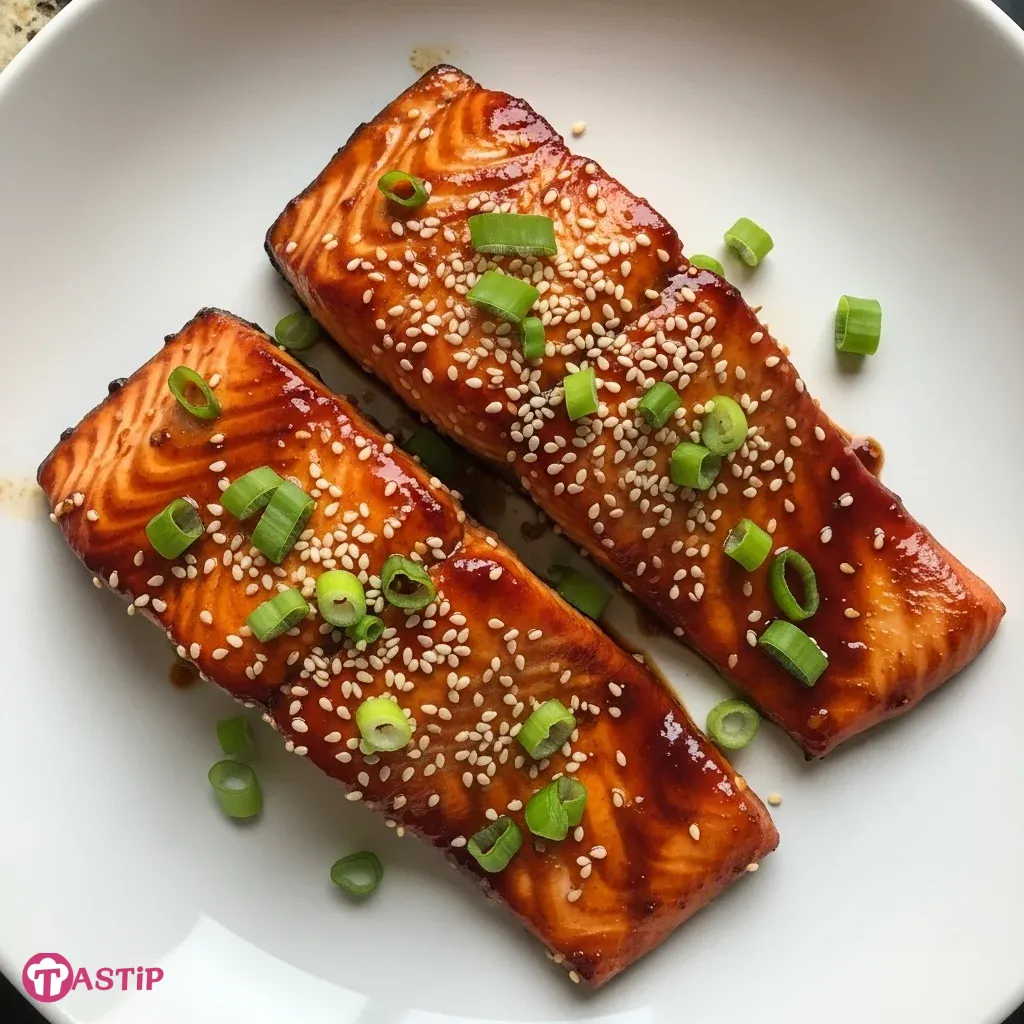
To turn your Teriyaki Baked Salmon into a complete, balanced meal, pair it with fiber-rich sides. A bed of Steamed Jasmine Rice or Quinoa works beautifully to soak up any extra glaze. For a lower-carb option, Cauliflower Rice seasoned with lime and cilantro provides a light and refreshing base.
I also love serving this Teriyaki Baked Salmon alongside Roasted Bok Choy or Garlic Snap Peas. The crunch of the vegetables creates a satisfying contrast to the tender fish. If you want something vibrant, a simple Cucumber Salad with a splash of rice vinegar and sesame seeds complements the umami flavors perfectly.
To complete your dinner experience, consider pairing the Teriyaki Baked Salmon with a nutrient-dense side like High-Protein Philly Cheesesteak Mac & Cheese. This hearty dish offers a delightful contrast to the lightness of salmon while still being wholesome. High-Protein Philly Cheesesteak Mac & Cheese
FAQs
How can I tell if the salmon is fully cooked?
The easiest way to check your Teriyaki Baked Salmon is to press down gently on the top of the fillet with a fork or your finger. If the meat flakes easily along the white lines (the fat deposits), it is ready. You can also use a meat thermometer to ensure it has reached an internal temperature of 145°F.
Can I use frozen salmon for this recipe?
Absolutely! Frozen salmon is often flash-frozen at sea, preserving its nutritional value. Just ensure you thaw it completely in the refrigerator overnight before preparing your Teriyaki Baked Salmon. Pat it very dry before applying the glaze to avoid a watery sauce.
Is this recipe gluten-free?
Yes, as long as you use Coconut Aminos or Tamari instead of traditional soy sauce, your Teriyaki Baked Salmon will be 100% gluten-free. Always check your labels to ensure no hidden wheat thickeners are present in any pre-bottled ingredients you might choose to use.
Teriyaki Baked Salmon is a popular dish known for its balance of savory and sweet flavors that come from a glaze typically made of soy sauce, sugar, and other seasonings. This cooking method enhances the natural flavors of the fish while providing essential nutrients like Omega-3 fatty acids, which are beneficial for heart health and cognitive function. Learn more about the components of this delightful dish in this resource.
Nutrition Information (per serving)
This Teriyaki Baked Salmon is designed to provide clean energy and essential nutrients. Here is a breakdown of the macronutrients for one serving of this nourishing meal.
| Metric | Amount |
|---|---|
| Calories | 340 kcal |
| Protein | 34g |
| Total Fat | 18g |
| Saturated Fat | 3g |
| Carbohydrates | 10g |
| Fiber | 1g |
| Sugars | 8g |
Teriyaki Baked Salmon
- Total Time: 30 mins
- Yield: 4 servings 1x
- Diet: Gluten Free
Description
This Teriyaki Baked Salmon offers a succulent, flaky texture that melts in your mouth with every single bite. It balances sweet, savory, and umami flavors while nourishing your body. Made with clean ingredients, it's a healthy take on a classic dish, ready in less than 30 minutes.
Ingredients
4 (6-ounce) fillets Salmo
1/2 cup Coconut Aminos
2 tablespoons Raw Honey
1 tablespoon Fresh Ginger, grated
3 cloves Fresh Garlic, minced
1 tablespoon Rice Vinegar
1 teaspoon Toasted Sesame Oil
Green Onions & Sesame Seeds, for garnish
Instructions
- Preheat your oven to 400°F (200°C) and line a large baking sheet with parchment paper
- Pat the salmon fillets dry with a paper towel
- In a small saucepan over medium heat, combine Coconut Aminos, honey, grated ginger, minced garlic, rice vinegar, and sesame oil. Simmer for 5-7 minutes until slightly thickened
- Optional: Marinate the salmon in half of the glaze for 15 minutes
- Place the fillets on the prepared baking sheet and brush the remaining glaze over them
- Bake for 12-15 minutes until the fish flakes easily and reaches an internal temperature of 145°F
- Turn on the broiler for the last 2 minutes for a professional finish
- Remove from oven and garnish with sliced green onions and sesame seeds
Notes
For best results, bring salmon to room temperature before cooking.
Avoid overcooking; salmon continues to cook after being removed from the oven.
- Prep Time: 15 mins
- Cook Time: 15 mins
- Category: Dinner
- Method: Baking
- Cuisine: American
Nutrition
- Serving Size: 1 fillet
- Calories: 340 kcal
- Sugar: 8g
- Sodium: 500mg
- Fat: 18g
- Saturated Fat: 3g
- Unsaturated Fat: 15g
- Trans Fat: 0g
- Carbohydrates: 10g
- Fiber: 1g
- Protein: 34g
- Cholesterol: 70mg