
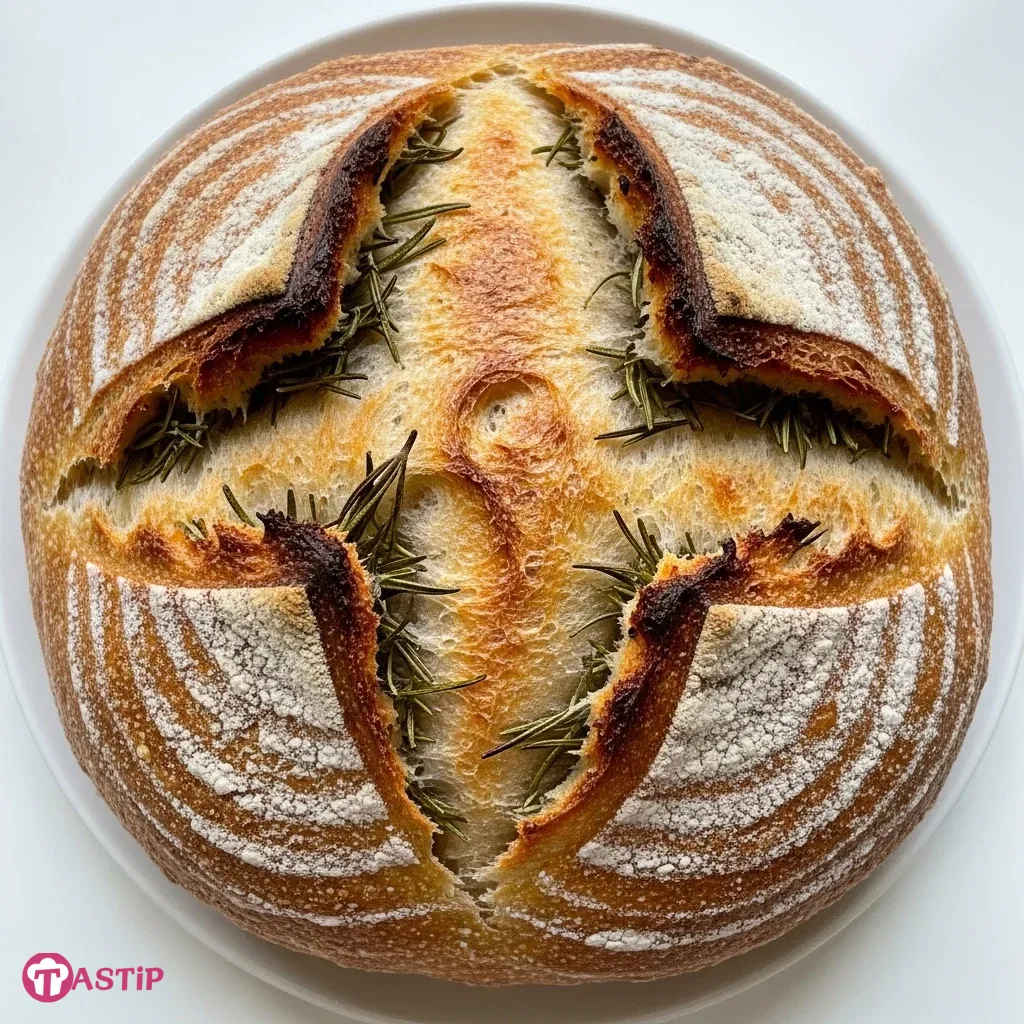
The aroma of Rosemary Garlic Sourdough Bread baking in a home kitchen is arguably one of the most comforting scents in the culinary world. This specific recipe combines the ancient art of natural fermentation with the pungent, savory notes of roasted garlic and the earthy, resinous qualities of fresh rosemary. As a former test kitchen chef, I have spent countless hours analyzing the crumb structure and crust development of this particular loaf to ensure a perfect result every time.
You will find that the natural acidity of the sourdough culture perfectly balances the sweetness of the caramelized garlic. Achieving that elusive “ear” on your crust and a soft, airy interior requires a basic understanding of dough tension and hydration.
This guide will walk you through the scientific principles that make this bread a masterpiece of texture and flavor. By the end of this article, you will master the Rosemary Garlic Sourdough Bread and understand exactly how each variable contributes to the final product.
Why You’ll Love This Rosemary Garlic Sourdough Bread
- Unparalleled Flavor Depth: The combination of slow-fermented dough and roasted aromatics creates a sophisticated palate that store-bought bread cannot replicate.
- Enhanced Digestibility: The long fermentation process breaks down gluten and phytic acid, making this Rosemary Garlic Sourdough Bread easier on the digestive system.
- Professional Results at Home: Using specific heat management techniques allows you to achieve a shatteringly crisp crust and a moist, open crumb.
- Nutrient Density: Sourdough acts as a prebiotic, and the addition of fresh garlic provides antioxidants and anti-inflammatory benefits.
Ingredients You’ll Need
Success in baking Rosemary Garlic Sourdough Bread starts with the quality of your raw materials. I always recommend using a high-protein bread flour (12% to 13% protein) to ensure the gluten network can support the weight of the garlic and rosemary inclusions. The water should be filtered to remove chlorine, which can inhibit the delicate wild yeast in your starter.
Furthermore, use fresh rosemary rather than dried; the volatile oils in fresh needles provide a much more vibrant profile. For the garlic, roasting the cloves beforehand is non-negotiable, as raw garlic contains antimicrobial compounds that can actually slow down your fermentation process.
| Ingredient | Quantity | Chef’s Note |
|---|---|---|
| Active Sourdough Starter | 100g | Ensure it is at its peak (doubled in size). |
| Bread Flour | 500g | Look for unbleached, high-protein varieties. |
| Filtered Water | 350g | Warm to approximately 80°F (27°C). |
| Sea Salt | 10g | Fine grain dissolves more consistently. |
| Roasted Garlic Cloves | 1 whole head | Mash into a paste or leave in chunks. |
| Fresh Rosemary | 2 tablespoons | Finely minced to distribute flavor evenly. |
| Extra Virgin Olive Oil | 1 tablespoon | Used to coat the garlic during roasting. |
Substitutions & Variations
Note: This video is for demonstration purposes and may use a slightly different method.
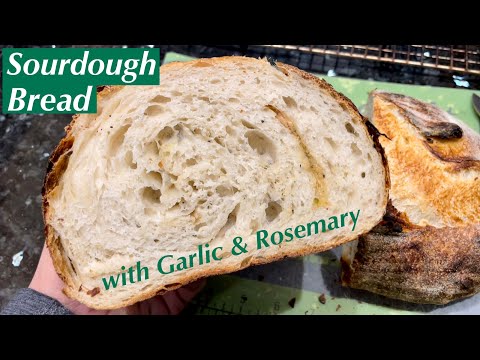
While the classic Rosemary Garlic Sourdough Bread is exceptional, you can modify the ingredients to suit specific dietary needs or flavor preferences. If you want to increase the fiber content, replace 100 grams of bread flour with 100 grams of whole-wheat flour or rye flour; however, be aware that whole grains absorb more water, so you may need to increase the hydration by 5%. For a lower-sodium option, you can reduce the salt to 8 grams, though this may slightly speed up fermentation.
If you lack fresh rosemary, you can use dried thyme or oregano, but use only one-third of the amount since dried herbs are more concentrated. To make the loaf even healthier, consider folding in 50 grams of toasted walnuts for added omega-3 fatty acids and a pleasant crunch that complements the Rosemary Garlic Sourdough Bread profile.
While the classic Rosemary Garlic Sourdough Bread is exceptional, you can modify the ingredients to suit specific dietary needs or flavor preferences. For some delicious pairing ideas, check out these Garlic Rosemary Lamb Chops that complement the flavors perfectly.
Step-by-Step Instructions
- Roast the Garlic: Slice the top off a head of garlic, drizzle with olive oil, wrap in foil, and bake at 400°F (200°C) for 40 minutes. Once cool, squeeze the softened cloves out and set aside.
- The Autolyse: Mix your 500g of flour and 350g of warm water in a large bowl until no dry flour remains. Cover and let rest for 1 hour. This process allows the flour to hydrate fully and activates enzymes that begin gluten development.
- Incorporate Starter and Salt: Add 100g of active starter to the dough. Use your fingers to “dimple” it in, then fold the dough over itself several times. Let it rest for 20 minutes before adding the 10g of salt and a splash of water to help it dissolve.
- Bulk Fermentation: This is the most critical phase for your Rosemary Garlic Sourdough Bread. Keep the dough in a warm spot (75-80°F). Perform four sets of “stretch and folds” every 30 minutes.
- Add Inclusions: During the second set of stretch and folds, evenly distribute the roasted garlic and minced rosemary across the surface of the dough. The subsequent folds will incorporate these flavors into the layers of the gluten network.
- The Long Rise: After the final fold, let the dough sit undisturbed until it has grown in volume by about 50-75% and shows visible bubbles on the surface. This usually takes 4 to 6 hours depending on your kitchen’s temperature.
- Pre-shaping: Gently turn the dough onto a lightly floured surface. Use a bench scraper to shape it into a loose round. Let it rest uncovered for 20 minutes to allow the gluten to relax.
- Final Shaping: Shape the dough into a tight boule (round) or batard (oval). Create tension by pulling the dough toward you on the counter. Place the dough upside down into a floured proofing basket (banneton).
- Cold Proof: Cover the basket with a plastic bag and place it in the refrigerator for 12 to 24 hours. Cold fermentation develops the complex organic acids that give Rosemary Garlic Sourdough Bread its signature tang.
- Scoring and Baking: Preheat a Dutch oven in your oven at 500°F (260°C) for one hour. Turn the cold dough onto parchment paper, score a deep slash across the top with a razor blade, and carefully place it into the hot Dutch oven.
- The Bake: Reduce the oven temperature to 450°F (230°C). Bake with the lid on for 20 minutes to trap steam, which allows the bread to expand. Remove the lid and bake for another 20-25 minutes until the crust is a deep mahogany brown.
- The Cooling Phase: Transfer the Rosemary Garlic Sourdough Bread to a wire rack. Resist the urge to cut it immediately; the internal structure is still setting. Wait at least 2 hours.
Pro Tips for Success
To truly elevate your Rosemary Garlic Sourdough Bread, you must focus on temperature control. The biological activity of your starter is highly sensitive to heat; a difference of five degrees can change your fermentation timeline by hours. Use a digital probe thermometer to check your dough temperature throughout the process.
Furthermore, do not over-roast the garlic; if it turns dark brown or black, it will introduce a bitter flavor to your bread. Aim for a golden-tan color. When adding the rosemary, mince it as finely as possible.
Large rosemary needles can sometimes pierce the delicate gas bubbles in your dough, leading to a denser loaf. Finally, ensure your oven is truly preheated. Most home ovens signal they are ready long before the heavy cast iron of a Dutch oven has reached the necessary thermal mass to produce a professional-grade Rosemary Garlic Sourdough Bread.
To truly elevate your Rosemary Garlic Sourdough Bread, you must focus on temperature control. For an added twist, try the Rosemary Parmesan Sourdough Bread Recipe which brings a new depth of flavor to the classic.
Storage & Reheating Tips
Proper storage preserves the hard-earned texture of your Rosemary Garlic Sourdough Bread. Never store fresh sourdough in the refrigerator, as the cold temperature accelerates the recrystallization of starch, causing the bread to go stale rapidly. Instead, keep the loaf cut-side down on a wooden cutting board for the first 24 hours.
For longer storage, wrap the bread in a breathable linen bag or a paper bag. If you need to keep it for more than three days, slice the loaf and freeze it in a sealed freezer bag.
When you want to enjoy a slice, reheat it in a toaster or a 350°F oven for five minutes. This revives the crust’s crunch and softens the interior, making the Rosemary Garlic Sourdough Bread taste as if it just came out of the oven.
What to Serve With This Recipe
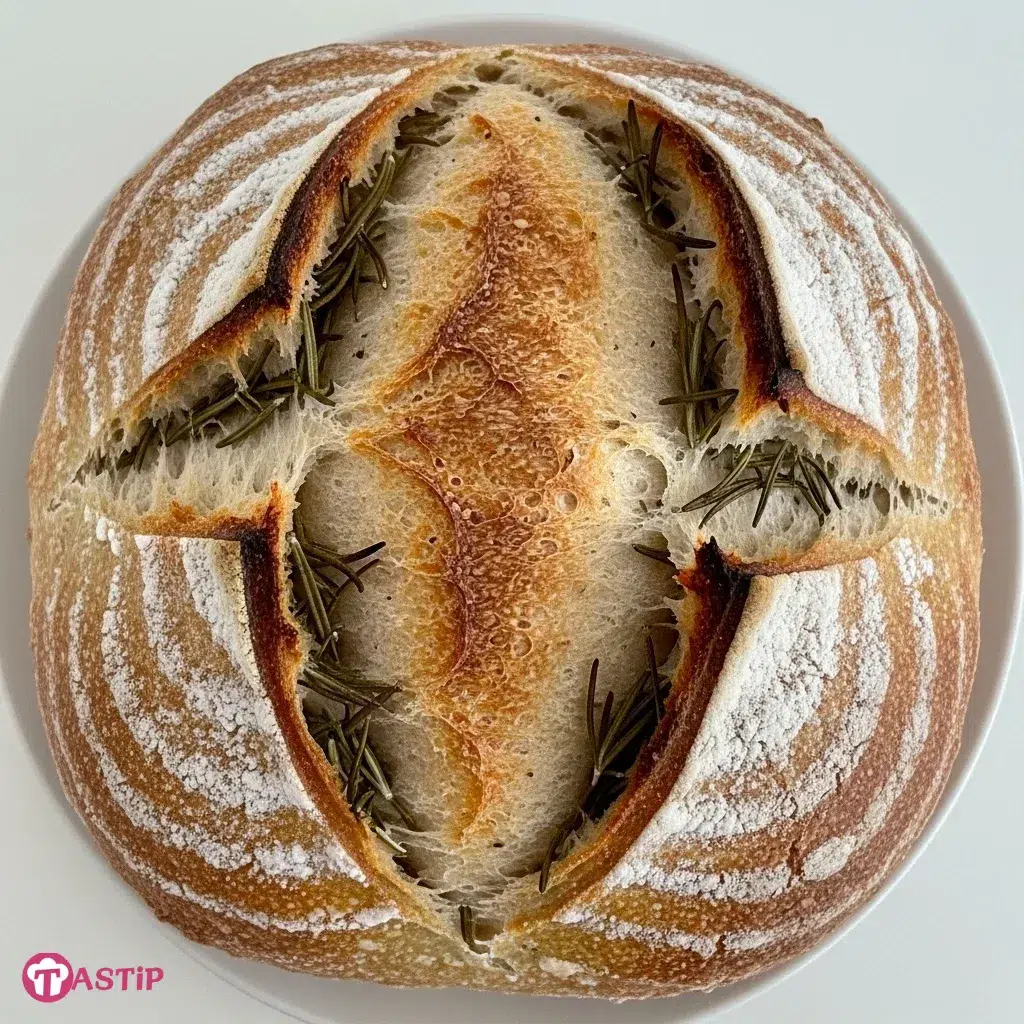
The robust profile of Rosemary Garlic Sourdough Bread demands pairings that can stand up to its intensity. I highly recommend serving a warm slice alongside a fresh Mediterranean salad featuring arugula, cherry tomatoes, and a light balsamic vinaigrette. The acidity of the dressing cuts through the richness of the roasted garlic.
For a more substantial meal, use this bread to scoop up a hearty roasted vegetable ratatouille or a bowl of nutrient-dense lentil soup. The structural integrity of the sourdough makes it perfect for dipping into high-quality olive oil infused with cracked black pepper. If you are hosting a dinner party, Rosemary Garlic Sourdough Bread acts as an excellent base for avocado toast topped with microgreens and hemp seeds, providing a healthy balance of fats, fiber, and complex carbohydrates.
The robust profile of Rosemary Garlic Sourdough Bread demands pairings that can stand up to its intensity. For a hearty meal, consider enjoying this bread with a warm bowl of Loaded Potato Soup that will perfectly complement its flavors.
FAQs
Can I use raw garlic instead of roasted garlic in this bread?
I strongly advise against using large amounts of raw garlic in Rosemary Garlic Sourdough Bread. Raw garlic contains allicin, which has potent antimicrobial properties that can inhibit the growth of your sourdough yeast and bacteria. Roasting the garlic not only mellows the flavor but also neutralizes these compounds, ensuring a healthy and vigorous fermentation process.
Why did my Rosemary Garlic Sourdough Bread turn out flat?
A flat loaf, often called a “pancake,” usually results from under-proofing or weak dough strength. If you do not perform enough stretch and folds, the gluten network cannot hold the gases produced during fermentation. Additionally, ensure your starter is at its peak activity before mixing. If the starter is weak, it will not provide enough lift to support the heavy roasted garlic inclusions in your Rosemary Garlic Sourdough Bread.
How can I get a more open crumb with these inclusions?
Achieving an open crumb with inclusions requires high hydration and careful handling. Try increasing your water content by 20 grams and ensure you handle the dough very gently during the final shaping phase. If you degas the dough too much while shaping, you will lose the large air pockets that characterize a high-quality Rosemary Garlic Sourdough Bread. Focus on creating surface tension without squeezing out the air.
Rosemary Garlic Sourdough Bread is a flavorful variation of sourdough bread, enhanced by the aromatic qualities of rosemary and garlic. This exquisite bread not only boasts a unique taste but also offers digestive benefits due to the fermentation process, making it a delightful choice for any meal; learn more about its cultural significance in the bread community.
Nutrition Information (per serving)
One standard slice (approximately 50g) of this Rosemary Garlic Sourdough Bread provides a balanced mix of complex carbohydrates and modest protein. Because we use a long fermentation process, the glycemic index of this bread is lower than that of conventional white bread, meaning it provides more sustained energy without a sharp insulin spike.
| Nutrient | Amount |
|---|---|
| Calories | 145 kcal |
| Total Carbohydrates | 28g |
| Dietary Fiber | 2g |
| Protein | 5g |
| Total Fat | 1.5g |
| Sodium | 210mg |
Mastering the Rosemary Garlic Sourdough Bread is a journey that rewards patience and attention to detail. By understanding the science of fermentation and the interaction of these savory ingredients, you can consistently produce a loaf that rivals the best artisanal bakeries. Enjoy the process and the delicious results.
Print
Rosemary Garlic Sourdough Bread
- Total Time: 3 hours 24 mins
- Yield: 1 loaf 1x
- Diet: Vegetarian
Description
Rosemary Garlic Sourdough Bread combines the ancient art of natural fermentation with the pungent, savory notes of roasted garlic and the earthy flavors of fresh rosemary. The result is a perfectly balanced loaf with a crisp crust and airy interior.
Ingredients
100 g Active Sourdough Starter
500 g Bread Flour
350 g Filtered Water
10 g Sea Salt
1 whole head Roasted Garlic Cloves
2 tablespoons Fresh Rosemary
1 tablespoon Extra Virgin Olive Oil
Instructions
- Roast the Garlic: Slice the top off a head of garlic, drizzle with olive oil, wrap in foil, and bake at 400°F (200°C) for 40 minutes. Once cool, squeeze the softened cloves out and set aside
- The Autolyse: Mix your 500g of flour and 350g of warm water in a large bowl until no dry flour remains. Cover and let rest for 1 hour
- Incorporate Starter and Salt: Add 100g of active starter to the dough and dimple it in, then fold the dough over itself several times. Let it rest for 20 minutes before adding the 10g of salt
- Bulk Fermentation: Keep the dough in a warm spot (75-80°F) and perform four sets of 'stretch and folds' every 30 minutes
- Add Inclusions: During the second set of stretch and folds, evenly distribute the roasted garlic and minced rosemary across the surface of the dough
- The Long Rise: After the final fold, let the dough sit until it has grown in volume by about 50-75%, usually 4 to 6 hours
- Pre-shaping: Gently turn the dough onto a lightly floured surface and shape it into a loose round. Let it rest uncovered for 20 minutes
- Final Shaping: Shape the dough into a tight boule or batard, creating tension by pulling the dough toward you. Place upside down into a floured proofing basket
- Cold Proof: Cover the basket and refrigerate for 12 to 24 hours
- Scoring and Baking: Preheat a Dutch oven at 500°F (260°C) for one hour. Turn the cold dough onto parchment, score with a razor blade, and place in the hot Dutch ove
- The Bake: Reduce oven temperature to 450°F (230°C) and bake with the lid on for 20 minutes. Remove the lid and bake for another 20-25 minutes until crust is brow
- The Cooling Phase: Transfer to a wire rack and wait at least 2 hours before cutting
Notes
Ensure your sourdough starter is active and bubbly before using.
Avoid over-roasting the garlic to prevent bitterness in the bread.
- Prep Time: 20 mins
- Cook Time: 40 mins
- Category: Bread
- Method: Baking
- Cuisine: American
Nutrition
- Serving Size: 1 slice
- Calories: 145 kcal
- Sugar: 0 g
- Sodium: 210 mg
- Fat: 1.5 g
- Saturated Fat: 0.2 g
- Unsaturated Fat: 1.3 g
- Trans Fat: 0 g
- Carbohydrates: 28 g
- Fiber: 2 g
- Protein: 5 g
- Cholesterol: 0 mg