
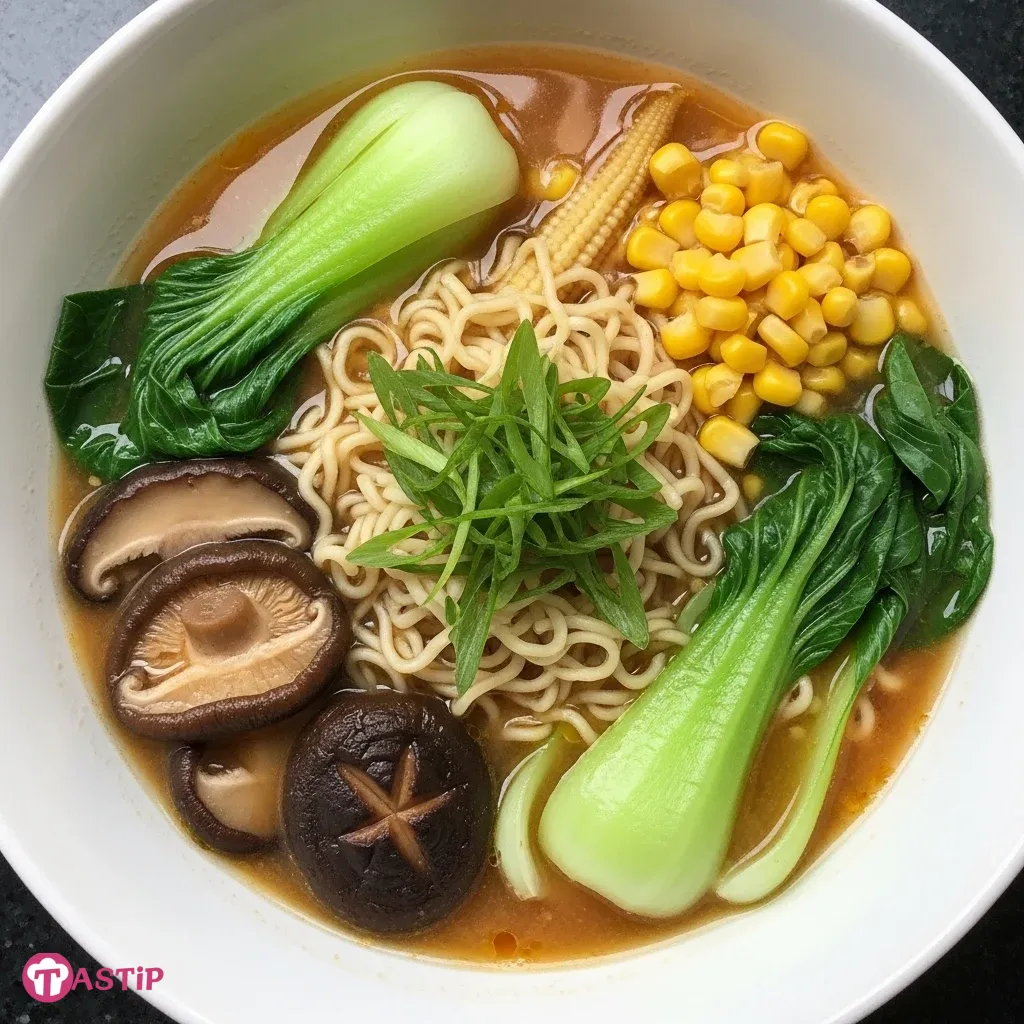
The steam rises from the bowl, carrying the deep, earthy scent of fermented soybeans and toasted sesame oil. This Vegetable Miso Ramen offers a complex symphony of flavors that instantly transports you to a cozy kitchen in Japan. You will find that the broth is velvety and rich, while the colorful toppings provide a delightful crunch in every bite.
Every spoonful delivers a perfect balance of salty, savory, and sweet notes that linger on the palate. Whether you seek comfort on a rainy day or a nutritious meal after a long journey, this recipe satisfies every craving. This Vegetable Miso Ramen proves that plant-based cooking never has to sacrifice depth or authenticity.
Why You’ll Love This Vegetable Miso Ramen Recipe
- Explosion of Umami: The combination of red miso and dried shiitake mushrooms creates a savory depth that rivals traditional meat-based broths.
- Nutrient-Dense Goodness: This Vegetable Miso Ramen packs a punch with fresh ginger, garlic, and a rainbow of vegetables that boost your immune system.
- Customizable Comfort: You can easily adapt the toppings and spice levels to suit your personal preference or what you have in your pantry.
- Restaurant Quality at Home: Achieve that professional, velvety broth consistency without needing hours of simmering or expensive equipment.
Ingredients You’ll Need
To create a truly authentic Vegetable Miso Ramen, you must focus on the quality of your base ingredients. Miso is a live, fermented food, and its flavor varies wildly depending on the region and aging process. For this recipe, I recommend using a high-quality organic miso paste and fresh aromatics to ensure the most vibrant flavor profile possible.
| Ingredient Group | Specific Item | Quantity | Purpose |
|---|---|---|---|
| Aromatics | Fresh Ginger & Garlic | 2 tbsp each | Provides the foundational bite and warmth. |
| Broth Base | Vegetable Stock | 6 cups | The essential liquid body for the soup. |
| The Soul | Red or White Miso Paste | 4-5 tbsp | Delivers the signature salty, fermented umami flavor. |
| Noodles | Fresh or Dried Ramen Noodles | 4 servings | The heart of the dish; choose alkaline noodles for the best texture. |
| Vegetables | Shiitake Mushrooms & Bok Choy | 2 cups total | Adds earthy flavors and essential vitamins. |
| Healthy Fats | Toasted Sesame Oil | 1 tbsp | Adds a nutty aroma and rich mouthfeel. |
| Toppings | Green Onions, Norhi, & Corn | To taste | Provides color, crunch, and traditional Japanese aesthetics. |
Substitutions & Variations
Note: This video is for demonstration purposes and may use a slightly different method.

In my travels, I have seen Vegetable Miso Ramen adapted in countless ways. If you cannot find fresh ramen noodles, you may substitute them with high-quality dried wheat noodles or even rice noodles for a gluten-free experience. For the protein, while many love soft-boiled eggs, you can use seared tofu or tempeh to keep the dish entirely vegan.
If you prefer a lighter flavor, swap the bold red miso for white miso, which offers a sweeter, milder profile. Those who enjoy a bit of heat should consider adding a dollop of chili bean paste (toban djan) or a drizzle of spicy rayu oil.
For an even creamier broth, some chefs whisk in a tablespoon of tahini or unsweetened soy milk to mimic the richness of tonkotsu without the animal fat. These variations allow the Vegetable Miso Ramen to evolve with your mood and the seasons.
If you’re looking for a comforting alternative that features robust flavors, check out our recipe for Slow Cooker Vegetable Minestrone which perfectly balances nutrition and taste.
Step-by-Step Instructions
- Prepare the Aromatics: Finely mince the fresh garlic and ginger. In a large heavy-bottomed pot, heat the sesame oil over medium heat and sauté these aromatics until they become fragrant and slightly golden, which usually takes about two minutes.
- Build the Flavor Base: Add sliced shiitake mushrooms to the pot. Sauté them until they release their moisture and begin to brown. This step is crucial for developing the deep umami characteristic of a great Vegetable Miso Ramen.
- Simmer the Broth: Pour in the vegetable stock and bring the mixture to a gentle boil. Reduce the heat and let it simmer for at least 15 minutes. If you have kombu (dried kelp) on hand, add a small piece now to infuse the water with a sea-like depth.
- The Miso Magic: This is the most important part of making Vegetable Miso Ramen. Take a small ladle of the hot broth and place it in a separate bowl. Whisk the miso paste into this small amount of liquid until it is completely smooth and lump-free. Turn off the heat on the main pot and stir the miso slurry back in. Do not boil the broth after adding miso, as high heat destroys the delicate probiotics and alters the flavor.
- Prepare the Noodles: In a separate pot, boil water and cook your ramen noodles according to the package instructions. Always cook noodles separately to prevent the starch from clouding your beautiful Vegetable Miso Ramen broth. Drain them immediately.
- Blanch the Greens: During the last minute of the noodle cooking time, drop your bok choy or spinach into the boiling water for 30 seconds until bright green, then drain.
- Assemble the Bowl: Divide the cooked noodles among four deep bowls. Ladle the hot, fragrant miso broth over the noodles. Arrange your toppings—mushrooms, bok choy, corn, and sliced green onions—artistically on top. Serve your Vegetable Miso Ramen immediately while the steam is still rising.
Pro Tips for Success
To master the art of Vegetable Miso Ramen, you must understand the “Tare.” The tare is the concentrated seasoning base at the bottom of the bowl. While we incorporate the miso directly into the broth here, some professionals prefer to place the miso mixture in the bowl first and pour the hot stock over it. Another technical secret involves the temperature of your serving bowls.
Always rinse your ramen bowls with hot water before assembly. This prevents the cold ceramic from sucking the heat out of your Vegetable Miso Ramen, ensuring your meal stays piping hot until the very last drop. Finally, do not overcook your noodles. Aim for al dente, as they will continue to soften slightly once they hit the hot broth.
To take your ramen skills to the next level, exploring our Vegetable Stir Fry with Tofu will provide you with essential techniques to enhance your dishes.
Storage & Reheating Tips
If you have leftover Vegetable Miso Ramen, you must store the components separately. Keep the broth in an airtight glass jar and the noodles in a separate container lightly tossed in a drop of oil to prevent sticking. The broth will stay fresh in the refrigerator for up to five days, and the flavors often deepen over time.
When you are ready to enjoy it again, reheat the broth on the stove until it reaches a simmer, then pour it over the cold noodles. Using a microwave can often result in rubbery noodles, so the stovetop method is highly recommended for maintaining the integrity of your Vegetable Miso Ramen.
What to Serve With This Recipe
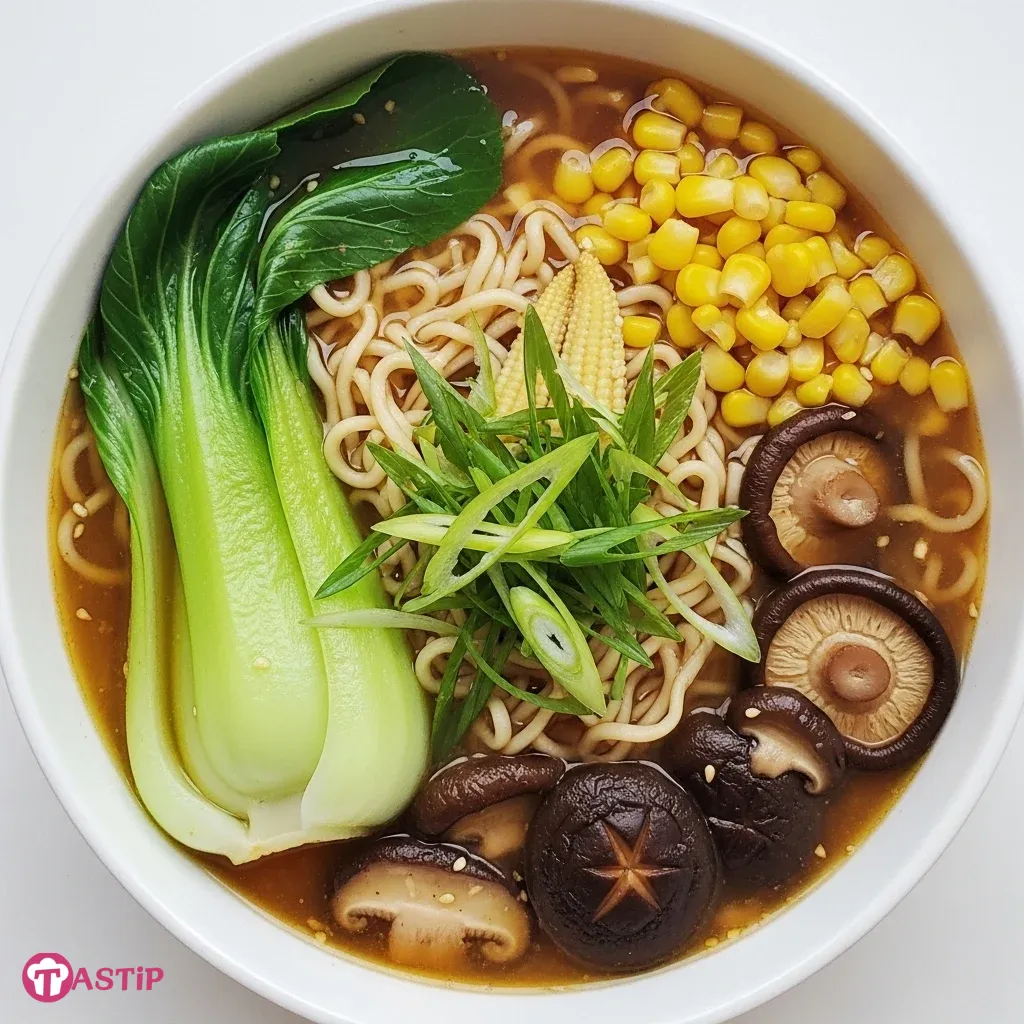
While a bowl of Vegetable Miso Ramen is a complete meal on its own, I love pairing it with traditional Japanese side dishes to create a full sensory experience. A crisp, refreshing seaweed salad provides a wonderful textural contrast to the soft noodles. You might also consider a side of pan-fried vegetable gyoza, which offers a satisfying crunch.
For those who want more greens, a plate of steamed edamame with sea salt or roasted broccoli with a ginger-soy glaze complements the earthy notes of the miso perfectly. These sides transform your Vegetable Miso Ramen dinner into a true feast that celebrates the diversity of plant-based Japanese cuisine.
Consider complementing your Vegetable Miso Ramen with our Roasted Vegetable Power Bowl for a vibrant and satisfying meal pairing.
FAQs
Can I make Vegetable Miso Ramen gluten-free?
Yes, you can easily make this dish gluten-free by using tamari instead of soy sauce and choosing certified gluten-free miso paste. For the noodles, substitute the traditional wheat ramen with brown rice ramen or shirataki noodles. Always check the labels on your vegetable stock to ensure no hidden gluten exists, and you will have a safe, delicious Vegetable Miso Ramen experience.
Which type of miso is best for this ramen?
The “best” miso depends on your flavor preference. For a bold, punchy, and traditional Vegetable Miso Ramen, use red miso (aka miso), which is fermented longer and has a saltier profile. If you prefer something more delicate and slightly sweet, go with white miso (shiro miso). Many enthusiasts actually use a blend of both to achieve a perfectly balanced flavor profile that hits all the right notes.
Why is my ramen broth cloudy?
A cloudy broth usually happens if you boil the noodles directly in the soup or if you boil the miso paste for too long. To keep your Vegetable Miso Ramen broth clear and vibrant, always cook your noodles in a separate pot of plain water. Additionally, remember to whisk the miso in at the very end after you have removed the pot from the heat source.
Vegetable Miso Ramen is a beloved dish in Japanese cuisine that focuses on deep umami flavors derived from ingredients like fermented soybean paste and various vegetables. The healthful qualities and versatility of this dish make it a favorite among plant-based diets, as noted in Japanese cuisine.
Nutrition Information (per serving)
This Vegetable Miso Ramen is a balanced meal, providing complex carbohydrates, essential fats, and a significant amount of plant-based protein from the miso and mushrooms. It is naturally low in saturated fat and high in fiber, making it an excellent choice for a heart-healthy diet.
| Nutrient | Amount |
|---|---|
| Calories | 380 kcal |
| Total Fat | 9g |
| Sodium | 1,200mg |
| Total Carbohydrates | 62g |
| Dietary Fiber | 6g |
| Protein | 14g |
| Vitamin A | 45% DV |
| Iron | 15% DV |
Vegetable Miso Ramen
- Total Time: 30 mins
- Yield: 4 servings 1x
- Diet: Vegan
Description
This Vegetable Miso Ramen offers a complex symphony of flavors that instantly transports you to a cozy kitchen in Japan. The broth is velvety and rich, while the colorful toppings provide a delightful crunch. A perfect balance of salty, savory, and sweet notes, making it a comforting and nutritious meal.
Ingredients
2 tbsp Fresh Ginger
2 tbsp Garlic
6 cups Vegetable Stock
4–5 tbsp Red or White Miso Paste
4 servings Fresh or Dried Ramen Noodles
2 cups Shiitake Mushrooms & Bok Choy
1 tbsp Toasted Sesame Oil
To taste Green Onions
To taste Nori
To taste Cor
Instructions
- Finely mince the fresh garlic and ginger. In a large heavy-bottomed pot, heat the sesame oil over medium heat and sauté these aromatics until fragrant and slightly golden, about 2 minutes
- Add sliced shiitake mushrooms to the pot. Sauté until they release moisture and begin to brow
- Pour in the vegetable stock and bring to a gentle boil. Reduce heat and let simmer for at least 15 minutes
- In a separate bowl, whisk a small ladle of hot broth with the miso paste until smooth. Turn off the heat and stir the miso slurry back into the pot. Do not boil the broth after adding miso
- In a separate pot, boil water and cook ramen noodles according to package instructions. Drain them immediately
- During the last minute of noodle cooking, drop bok choy into boiling water for 30 seconds until bright green, then drai
- Divide cooked noodles among four bowls. Ladle the hot miso broth over the noodles and arrange toppings on top
Notes
Always rinse serving bowls with hot water before assembly to maintain heat.
Cook noodles separately to prevent broth cloudiness.
- Prep Time: 20 mins
- Cook Time: 10 mins
- Category: Dinner
- Method: Simmering
- Cuisine: Japanese
Nutrition
- Serving Size: 1 bowl
- Calories: 380 kcal
- Sugar: 0 g
- Sodium: 1200 mg
- Fat: 9 g
- Saturated Fat: 1 g
- Unsaturated Fat: 6 g
- Trans Fat: 0 g
- Carbohydrates: 62 g
- Fiber: 6 g
- Protein: 14 g
- Cholesterol: 0 mg