
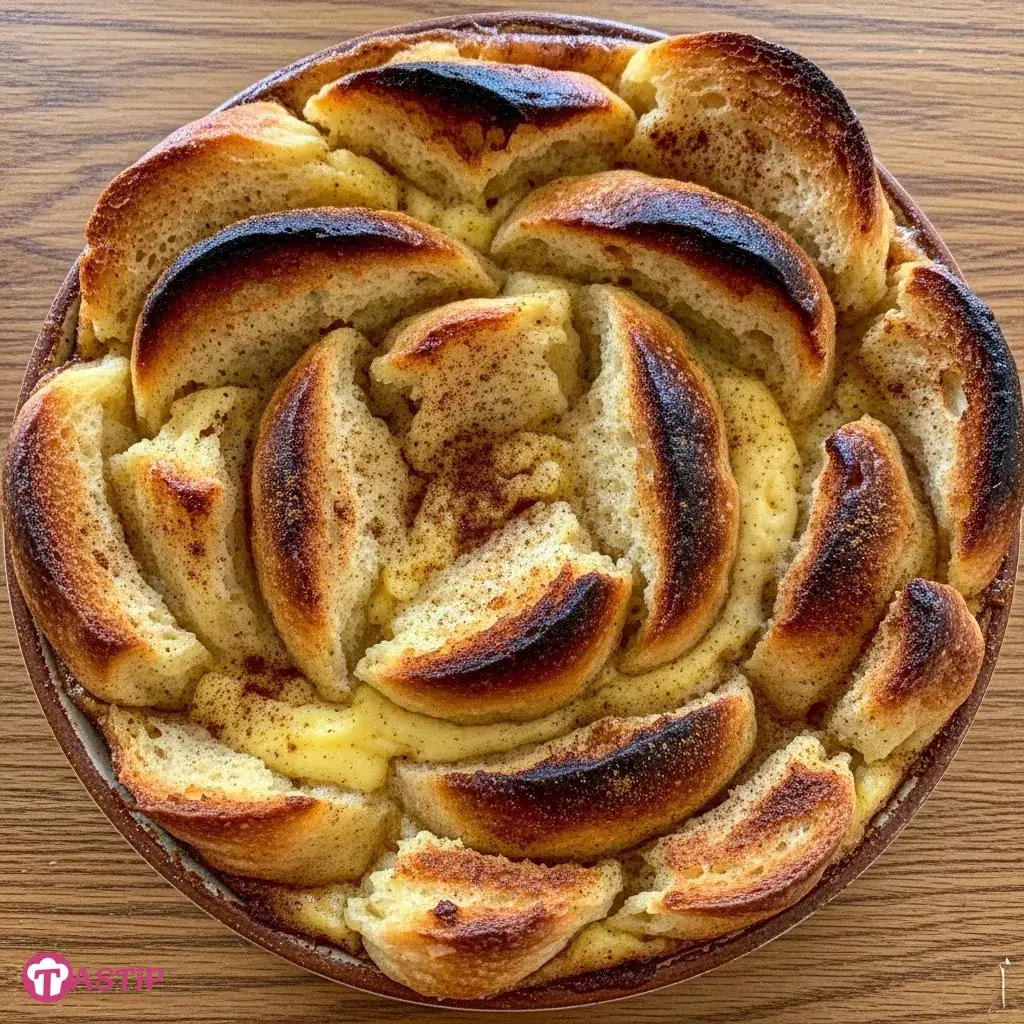
Imagine a dessert that combines the nostalgic comfort of a warm custard with the sophisticated tang of fermented grains. This Sourdough Bread Pudding transforms leftover crusty loaves into a decadent, custard-soaked masterpiece that your whole family will adore. My kids crave the soft, pillowy center and the golden, slightly crisp top every single weekend.
It offers a unique depth of flavor that regular white bread simply cannot match. You only need a few pantry staples to create a dish that tastes like a high-end bakery treat. Furthermore, the natural fermentation of the bread adds a subtle complexity that balances the sweetness perfectly. Let’s dive into how you can make this nourishing Sourdough Bread Pudding in your own kitchen today.
Why You’ll Love This Sourdough Bread Pudding
- Reduces Food Waste: This recipe is the ultimate way to use up a stale loaf of sourdough bread, ensuring nothing goes to waste in your kitchen.
- Digestibility: Because sourdough undergoes a fermentation process, this Sourdough Bread Pudding is often gentler on the stomach than traditional desserts.
- Effortless Preparation: You can whisk the custard together in minutes, making this an ideal choice for busy moms who want to provide a special treat.
- Customizable Sweetness: You control the sugar content, allowing you to use natural sweeteners like maple syrup or honey for a more nourishing profile.
Ingredients You’ll Need
Quality ingredients make a significant difference in the final outcome of your Sourdough Bread Pudding. Whenever possible, I choose organic dairy and pasture-raised eggs to ensure the richest flavor and highest nutrient density. The bread should be at least two days old; fresh bread tends to turn into mush, whereas stale bread holds its structure against the heavy custard.
| Ingredient | Quantity | Notes |
|---|---|---|
| Stale Sourdough Bread | 6-8 Cups | Cut into 1-inch cubes |
| Pasture-Raised Eggs | 5 Large | Room temperature is best |
| Whole Milk | 2 Cups | Use organic or raw milk if available |
| Heavy Cream | 1 Cup | Adds essential richness |
| Maple Syrup | 3/4 Cup | Or sub with honey or coconut sugar |
| Pure Vanilla Extract | 1 Tablespoon | Avoid imitation vanilla |
| Ground Cinnamon | 1 Teaspoon | For warmth and aroma |
| Sea Salt | 1/2 Teaspoon | Balances the sweetness |
| Unsalted Butter | 2 Tablespoons | Melted, for greasing the pan |
Substitutions & Variations
Note: This video is for demonstration purposes and may use a slightly different method.

One of the reasons I love making Sourdough Bread Pudding is how easily it adapts to different dietary needs. If you prefer a dairy-free version, you can substitute the milk and cream with full-fat coconut milk or cashew milk. These alternatives provide a similar creamy texture without the lactose. For a refined sugar-free option, coconut sugar works beautifully and adds a slight caramel note to the dish.
To boost the nutritional value, consider adding a handful of organic blueberries or sliced tart apples between the bread layers. If your family loves chocolate, sprinkling some dark chocolate chips into the mix turns this Sourdough Bread Pudding into a truly indulgent evening treat.
Additionally, you can swap the cinnamon for pumpkin pie spice in the autumn months or add orange zest for a bright, citrusy finish in the spring. Always remember that the goal is to keep it simple and nourishing for your loved ones.
To elevate your Sourdough Bread Pudding experience, consider making your own Artisan Sourdough Bread with Decorative Scoring. This technique not only enhances the visual appeal but also allows you to use the freshest bread possible in your pudding, guaranteeing a fantastic texture and flavor. Artisan Sourdough Bread with Decorative Scoring
Step-by-Step Instructions
- Prepare the Bread: Begin by cutting your stale sourdough loaf into uniform 1-inch cubes. If the bread is still relatively fresh, you can toast the cubes in a 300°F oven for about 10 minutes to dry them out.
- Grease the Baking Dish: Use the melted butter to generously coat a 9×13 inch baking dish. This prevents the Sourdough Bread Pudding from sticking and creates delicious golden edges.
- Whisk the Custard: In a large mixing bowl, beat the five eggs thoroughly. Gradually whisk in the milk, heavy cream, maple syrup, vanilla extract, cinnamon, and sea salt until the mixture is completely smooth and well-combined.
- Combine and Soak: Place the bread cubes into the prepared baking dish. Pour the liquid custard mixture over the bread, ensuring every piece is covered. Use a spatula to gently press the bread down so it absorbs the liquid.
- Rest the Mixture: Allow the Sourdough Bread Pudding to sit at room temperature for at least 30 minutes. This step is crucial because it allows the sourdough to fully soak up the custard, resulting in a consistent texture.
- Bake to Perfection: Preheat your oven to 350°F (175°C). Place the dish on the center rack and bake for 45 to 55 minutes. The pudding is done when the center is set but still slightly jiggly and the top is golden brown.
- Cool and Serve: Remove the dish from the oven and let it cool for at least 10 minutes. This resting period allows the custard to finish setting before you slice into it.
Pro Tips for Success
To achieve the best Sourdough Bread Pudding, pay close attention to the texture of your bread. If you use a very dense, artisanal sourdough, it may require a longer soaking time. I often prepare the dish the night before and let it sit in the refrigerator overnight.
Consequently, the bread absorbs every drop of the custard, leading to a melt-in-your-mouth experience the next morning. This is an excellent strategy for holiday brunches or busy school mornings.
Another tip involves the baking temperature. If you notice the top of your Sourdough Bread Pudding browning too quickly, loosely cover the dish with a piece of parchment paper or foil. This allows the center to cook through without burning the crust.
Furthermore, always use a high-quality sea salt. Salt is a powerful flavor enhancer; it cuts through the richness of the cream and highlights the complex notes of the sourdough fermentation.
The texture of your bread plays a crucial role in the success of your Sourdough Bread Pudding. For a delightful contrast, try adding Sourdough Laminated Croissant Bread for an unmatched flaky quality that will take your dessert to the next level. Sourdough Laminated Croissant Bread
Storage & Reheating Tips
If you find yourself with leftovers, don’t worry! This Sourdough Bread Pudding stores remarkably well. Simply cover the baking dish tightly with beeswax wrap or store individual portions in airtight containers.
It will stay fresh in the refrigerator for up to four days. For longer storage, you can freeze individual slices for up to two months, though the texture may change slightly upon thawing.
When you are ready to enjoy it again, reheating is a breeze. For the best results, place a slice of Sourdough Bread Pudding in a toaster oven or a regular oven at 325°F for about 10 minutes. This method revives the slightly crisp exterior.
If you are in a rush, a quick 30-second zap in the microwave also works, though it will result in a softer, more steamed texture. I personally love eating a cold slice straight from the fridge as a quick afternoon snack!
What to Serve With This Recipe
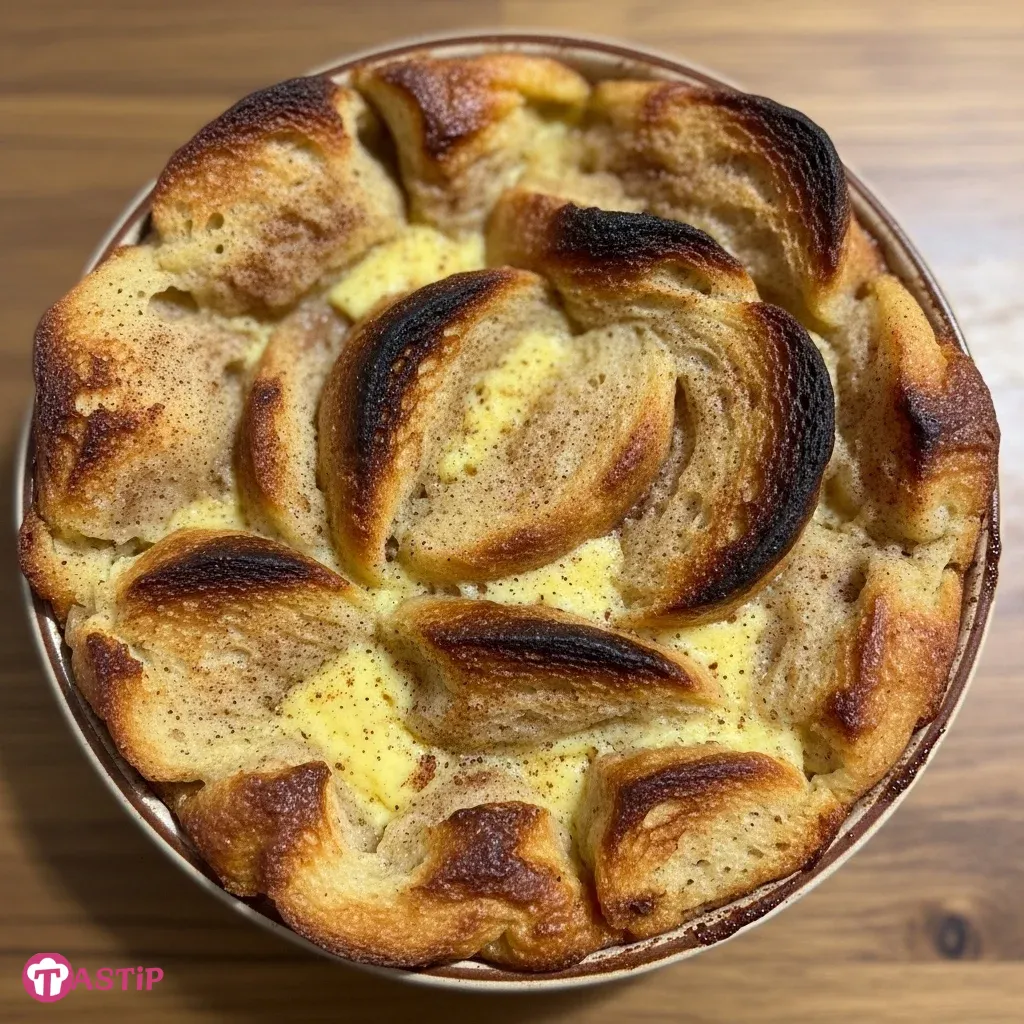
While this Sourdough Bread Pudding is a star on its own, I love pairing it with fresh, vibrant sides to create a balanced meal. A large bowl of seasonal berries provides a necessary acidic contrast to the rich custard. During the winter months, roasted apples with a sprinkle of nutmeg complement the warm flavors of the pudding beautifully. If you are serving this for brunch, consider a side of crispy pasture-raised bacon or savory sausage to balance the sweetness.
For a lighter pairing, a simple arugula salad with a lemon-tahini dressing works surprisingly well. The bitterness of the greens cleanses the palate between bites of the sweet Sourdough Bread Pudding. Additionally, a dollop of unsweetened Greek yogurt or a splash of cold heavy cream poured over the top adds an extra layer of luxury. Whatever you choose, focus on whole, minimally processed foods to keep the meal nourishing for your body and soul.
Pairing your Sourdough Bread Pudding with the right sides can create a well-rounded meal. For an extraordinary flavor experience, consider serving it alongside a rich, savory Rosemary Garlic Sourdough Bread that perfectly complements its sweetness. Rosemary Garlic Sourdough Bread
FAQs
Can I use fresh bread for this Sourdough Bread Pudding?
You can use fresh bread, but I do not recommend it. Fresh bread lacks the structure needed to absorb the custard without becoming soggy. If you only have fresh bread, be sure to cube it and toast it in the oven at a low temperature until it feels dry and firm to the touch before proceeding with the recipe.
Is this recipe suitable for someone with a gluten sensitivity?
Many people with mild gluten sensitivities find they can tolerate traditional sourdough because the fermentation process breaks down much of the gluten. However, for a strictly gluten-free version, you should use a certified gluten-free sourdough loaf. The instructions for making the Sourdough Bread Pudding remain exactly the same.
Can I make this Sourdough Bread Pudding savory instead of sweet?
Absolutely! To transform this into a savory strata, omit the maple syrup, vanilla, and cinnamon. Instead, add sautéed onions, garlic, spinach, and sharp cheddar cheese.
Increase the salt slightly and add black pepper or red pepper flakes for a kick. It makes for a wonderful, nourishing dinner option.
Sourdough Bread Pudding is a delightful dessert that turns stale bread into a luxurious treat. This traditional dish leverages the natural fermentation of sourdough bread, enhancing its flavor and texture, and can be customized in numerous ways for a unique culinary experience. Learn more about its history and variations through this Pudding reference.
Nutrition Information (per serving)
The following nutritional values are estimates based on using whole milk, heavy cream, and maple syrup. This recipe yields approximately 8 servings. Each serving of Sourdough Bread Pudding provides a balanced mix of healthy fats, proteins, and complex carbohydrates to keep you satisfied.
| Nutrient | Amount Per Serving |
|---|---|
| Calories | 385 kcal |
| Total Fat | 18g |
| Saturated Fat | 10g |
| Protein | 12g |
| Total Carbohydrates | 44g |
| Dietary Fiber | 2g |
| Sugars | 18g |
| Sodium | 420mg |
Ultimately, food is about connection and nourishment. Serving this Sourdough Bread Pudding to your family is a way to show love while honoring the traditional methods of bread making. I hope this recipe becomes a cherished staple in your home, just as it has in mine. Enjoy every warm, custard-filled bite!
Print
Sourdough Bread Pudding
- Total Time: 1 hr 15 mins
- Yield: 8 servings 1x
- Diet: Gluten Sensitive (with certified gluten-free sourdough)
Description
This Sourdough Bread Pudding transforms leftover crusty loaves into a decadent, custard-soaked dessert that your family will adore. It's easy to make, reduces food waste, and is gentle on the stomach due to the fermentation of the sourdough.
Ingredients
6–8 cups Stale Sourdough Bread
5 large Pasture-Raised Eggs
2 cups Whole Milk
1 cup Heavy Cream
3/4 cup Maple Syrup
1 tablespoon Pure Vanilla Extract
1 teaspoon Ground Cinnamo
1/2 teaspoon Sea Salt
2 tablespoons Unsalted Butter
Instructions
- Prepare the Bread: Cut the stale sourdough loaf into uniform 1-inch cubes and toast if necessary
- Grease the Baking Dish: Coat a 9×13 inch baking dish with melted butter
- Whisk the Custard: Beat the eggs in a bowl, then whisk in milk, cream, maple syrup, vanilla, cinnamon, and salt
- Combine and Soak: Place the bread cubes in the dish and pour the custard over, pressing down to soak
- Rest the Mixture: Let the mixture sit at room temperature for 30 minutes
- Bake to Perfection: Preheat oven to 350°F (175°C) and bake for 45-55 minutes
- Cool and Serve: Let cool for 10 minutes before serving
Notes
You can prepare the dish the night before and refrigerate it overnight for best results.
- Prep Time: 20 mins
- Cook Time: 45-55 mins
- Category: Dessert
- Method: Baking
- Cuisine: American
Nutrition
- Serving Size: 1 slice
- Calories: 385 kcal
- Sugar: 18g
- Sodium: 420mg
- Fat: 18g
- Saturated Fat: 10g
- Unsaturated Fat: 0g
- Trans Fat: 0g
- Carbohydrates: 44g
- Fiber: 2g
- Protein: 12g
- Cholesterol: 186mg