
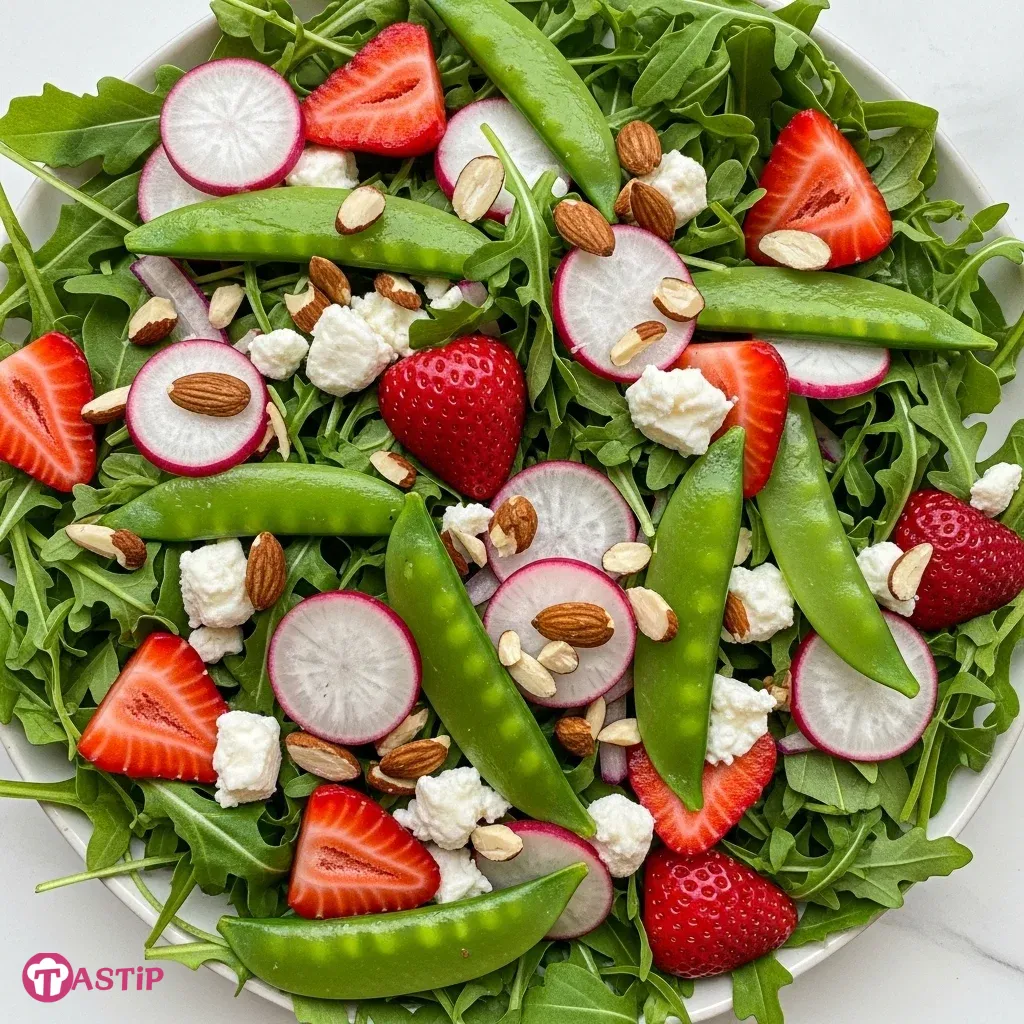
This vibrant and refreshing Easter Salad brings the essence of spring directly to your holiday table. I have designed this recipe to balance crunchy textures with a zesty, emulsified dressing that highlights seasonal produce. You will find that the combination of snap peas, radishes, and tender greens provides a refreshing counterpoint to traditional heavy holiday roasts.
Understanding the science of acidity and salt will help you elevate these simple ingredients into a professional-grade dish. This Easter Salad relies on peak-season vegetables to deliver maximum nutritional density and flavor. Let us dive into the mechanics of building the perfect spring bowl.
Why You’ll Love This Vibrant Easter Salad
- Textural Harmony: This dish combines the snap of fresh peas with the creamy finish of goat cheese for a superior mouthfeel.
- Nutrient Density: Every bite provides essential vitamins like Vitamin K and C, which are abundant in early spring greens.
- Kitchen Efficiency: You can prepare most components in advance, allowing you to focus on your main course during the holiday rush.
- Scientific Balance: The dressing uses a specific ratio of acid to fat to cut through the richness of typical holiday side dishes.
Ingredients You’ll Need
To achieve the best results with your Easter Salad, you must focus on ingredient quality. High-quality fats and fresh, turgid vegetables make all the difference in a dish where the ingredients are the stars.
| Category | Ingredient | Quantity | Chef’s Note |
|---|---|---|---|
| Greens | Baby Arugula or Spinach | 5 ounces | Provides a peppery or earthy base. |
| Vegetable | Sugar Snap Peas | 1 cup | Blanch these briefly to lock in the green color. |
| Vegetable | Red Radishes | 4-5 large | Slice paper-thin to distribute the heat. |
| Fruit | Fresh Strawberries | 1 cup | Adds a necessary sweetness to balance the acid. |
| Cheese | Crumbled Goat Cheese | 4 ounces | Provides a creamy, tangy fat source. |
| Nuts | Toasted Sliced Almonds | 1/4 cup | Adds a nutty crunch and healthy fats. |
| Dressing | Extra Virgin Olive Oil | 1/3 cup | Use cold-pressed oil for better flavor. |
| Dressing | Fresh Lemon Juice | 2 tablespoons | Provides the citric acid to brighten the dish. |
| Dressing | Dijon Mustard | 1 teaspoon | The primary emulsifier for the vinaigrette. |
| Herbs | Fresh Mint Leaves | 2 tablespoons | Mint provides a cooling aromatic finish. |
Substitutions & Variations
Note: This video is for demonstration purposes and may use a slightly different method.

You can easily adapt this Easter Salad to meet different dietary needs while maintaining its structural integrity. If you prefer a dairy-free option, replace the goat cheese with avocado slices. Avocado provides the same creamy lipid profile without the lactose.
For those who want more protein, grilled chicken or chilled shrimp integrate perfectly with these spring flavors. If sugar snap peas are unavailable, blanched asparagus spears serve as an excellent scientific substitute because they contain similar fiber structures. To reduce the glycemic load, you might swap strawberries for fresh raspberries or omit them entirely. Always ensure your substitutions maintain a balance of salt, fat, acid, and heat to keep the Easter Salad profile consistent.
For those looking to make their Easter Salad even more delicious, consider trying a unique twist with homemade bread. Pairing this dish with Flavored Sourdough Bread not only enhances the meal but also adds delightful texture and flavor.
Step-by-Step Instructions
- Prepare the Vegetables: Begin by washing your greens in ice-cold water. This process increases the turgor pressure within the plant cells, making the leaves crisper. Spin them dry completely to ensure the dressing adheres properly.
- Blanch the Peas: Bring a small pot of salted water to a boil. Submerge the sugar snap peas for exactly 60 seconds. Immediately transfer them to an ice bath. This process “sets” the chlorophyll, keeping your Easter Salad vibrant green.
- Slice the Radishes: Use a mandoline to slice the radishes into translucent rounds. If they are too thick, the glucosinolates (the spicy compounds) will overwhelm the other delicate flavors.
- Create the Emulsion: In a small bowl, whisk together the lemon juice, Dijon mustard, and salt. Slowly drizzle in the olive oil while whisking vigorously. The mustard acts as a bridge between the water-based juice and the oil, creating a stable emulsion.
- Assemble the Base: Place the greens, blanched peas, and radishes in a large mixing bowl. Drizzle half of the dressing over the vegetables and toss gently with your hands or tongs to ensure even coverage.
- Add the Delicate Toppings: Gently fold in the sliced strawberries and fresh mint. These ingredients are fragile and can bruise if handled roughly.
- Final Garnish: Plate the Easter Salad and finish by sprinkling the crumbled goat cheese and toasted almonds over the top. Serve immediately to prevent the acid from wilting the tender greens.
Pro Tips for Success
As a former test kitchen chef, I cannot stress enough the importance of temperature. You should serve your Easter Salad on chilled plates. This prevents the greens from wilting prematurely.
Furthermore, let us talk about the science of seasoning. Always season your greens with a pinch of salt before adding the dressing. Salt draws out a tiny amount of moisture, which helps the oil-based dressing cling to the leaves.
When making the dressing for your Easter Salad, ensure all ingredients are at room temperature. Cold oil does not emulsify as easily as room-temperature oil. If your vinaigrette breaks, simply add a teaspoon of warm water and whisk again; the water helps re-establish the bond.
Additionally, if you find the radishes too pungent, soak the slices in ice water for ten minutes before serving. This leaches out some of the harsher sulfur compounds, making them milder for your Easter Salad.
To ensure your Easter Salad is served at the optimal temperature, chilling your plates is key. For an added protein boost that complements the greens, consider incorporating Spiced Chickpeas into your dish.
Storage & Reheating Tips
The Easter Salad is best enjoyed immediately after assembly. However, you can prepare the components ahead of time to save labor. Store the washed greens, blanched peas, and sliced radishes in separate airtight containers in the refrigerator. Use a damp paper towel inside the container of greens to maintain humidity without causing rot.
The dressing will stay stable in a sealed jar for up to five days. If the oil solidifies in the fridge, let it sit at room temperature for fifteen minutes and shake it vigorously before use. Do not dress the Easter Salad until the very last moment.
Once the acid in the lemon juice touches the greens, it begins to break down the cell walls, resulting in a soggy texture within thirty minutes. Never reheat this salad, as the heat will destroy the volatile aromatics in the mint and the crisp texture of the vegetables.
What to Serve With This Recipe
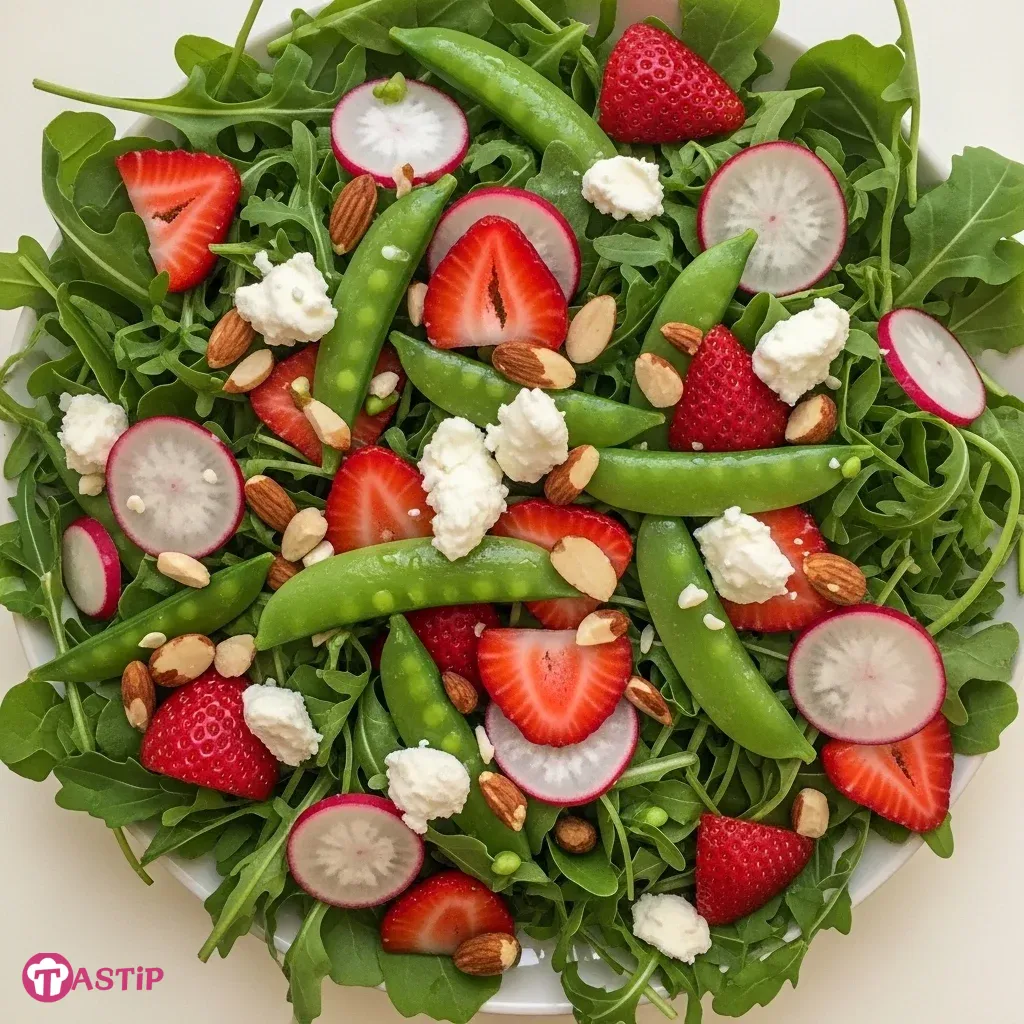
This Easter Salad serves as a versatile companion to many traditional spring dishes. Because it features high acidity and fresh herbs, it cuts through the fat of roasted meats beautifully. Consider pairing it with a slow-roasted herb-crusted lamb or a honey-glazed ham. The sweetness of the strawberries in the Easter Salad mirrors the glaze of the ham, creating a cohesive flavor bridge.
If you are hosting a vegetarian brunch, serve this salad alongside a savory leek and mushroom quiche. The crisp radishes provide a much-needed contrast to the soft texture of the eggs. You can also pair it with roasted baby carrots seasoned with cumin and honey to enhance the earthy notes of the dish. Regardless of the main course, this Easter Salad adds a layer of sophistication and nutritional balance to your holiday spread.
This Easter Salad is a great accompaniment to rich entrees, offering a refreshing contrast. If you’re looking for a sweet finish to your meal, complement your salad with Hawaiian Pineapple Cake for a delightful culinary experience.
FAQs
Can I make this Easter Salad a day in advance?
You can prepare the individual components up to 24 hours in advance. However, do not combine the dressing with the vegetables until you are ready to serve. If you mix them too early, the acidity will wilt the greens and turn the bright green peas into a dull olive color.
How do I stop the radishes from bleeding onto the cheese?
Radishes contain natural pigments called anthocyanins which can bleed. To prevent this in your Easter Salad, pat the radishes dry with a paper towel after slicing. Add them and the goat cheese at the very end as a garnish rather than tossing them deeply into the mix.
What is the best way to toast the almonds?
Place the sliced almonds in a dry skillet over medium-low heat. Shake the pan constantly for 3 to 5 minutes until they turn golden brown and smell fragrant. Immediately remove them from the hot pan to stop the cooking process, as they can burn in seconds due to their high oil content.
Easter Salad is a celebratory dish that embodies the essence of spring with vibrant colors and fresh ingredients. A traditional choice, it often features a mix of greens, vegetables, and flavorful dressings, making it a staple for festive gatherings and seasonal celebrations like Easter.
Nutrition Information (per serving)
This Easter Salad is a powerhouse of micronutrients and healthy fats. Below is a breakdown of the macro-nutritional profile based on four servings.
| Nutrient | Amount |
|---|---|
| Calories | 210 kcal |
| Total Fat | 16g |
| Saturated Fat | 4g |
| Carbohydrates | 12g |
| Fiber | 4g |
| Protein | 6g |
| Sodium | 180mg |
Easter Salad
- Total Time: 30 mins
- Yield: 4 servings 1x
- Diet: Gluten Free
Description
This vibrant and refreshing Easter Salad brings the essence of spring directly to your holiday table. It balances crunchy textures with a zesty, emulsified dressing that highlights seasonal produce to provide a refreshing counterpoint to traditional heavy holiday roasts.
Ingredients
5 ounces Baby Arugula or Spinach
1 cup Sugar Snap Peas
4–5 large Red Radishes
1 cup Fresh Strawberries
4 ounces Crumbled Goat Cheese
1/4 cup Toasted Sliced Almonds
1/3 cup Extra Virgin Olive Oil
2 tablespoons Fresh Lemon Juice
1 teaspoon Dijon Mustard
2 tablespoons Fresh Mint Leaves
Instructions
- Begin by washing your greens in ice-cold water. Spin them dry completely
- Bring a small pot of salted water to a boil. Blanch the sugar snap peas for 60 seconds, then transfer them to an ice bath
- Slice the radishes into translucent rounds using a mandoline
- In a small bowl, whisk together the lemon juice, Dijon mustard, and salt. Slowly drizzle in the olive oil while whisking vigorously
- Place the greens, blanched peas, and radishes in a large mixing bowl. Drizzle half of the dressing over the vegetables and toss gently
- Gently fold in the sliced strawberries and fresh mint
- Plate the Easter Salad and finish by sprinkling the crumbled goat cheese and toasted almonds over the top
Notes
Serve on chilled plates to prevent the greens from wilting.
Season greens with a pinch of salt before adding dressing to help it cling.
- Prep Time: 20 mins
- Cook Time: 10 mins
- Category: Dinner
- Method: Baking
- Cuisine: American
Nutrition
- Serving Size: 1 bowl
- Calories: 210 kcal
- Sugar: 3 g
- Sodium: 180 mg
- Fat: 16 g
- Saturated Fat: 4 g
- Unsaturated Fat: 12 g
- Trans Fat: 0 g
- Carbohydrates: 12 g
- Fiber: 4 g
- Protein: 6 g
- Cholesterol: 10 mg