
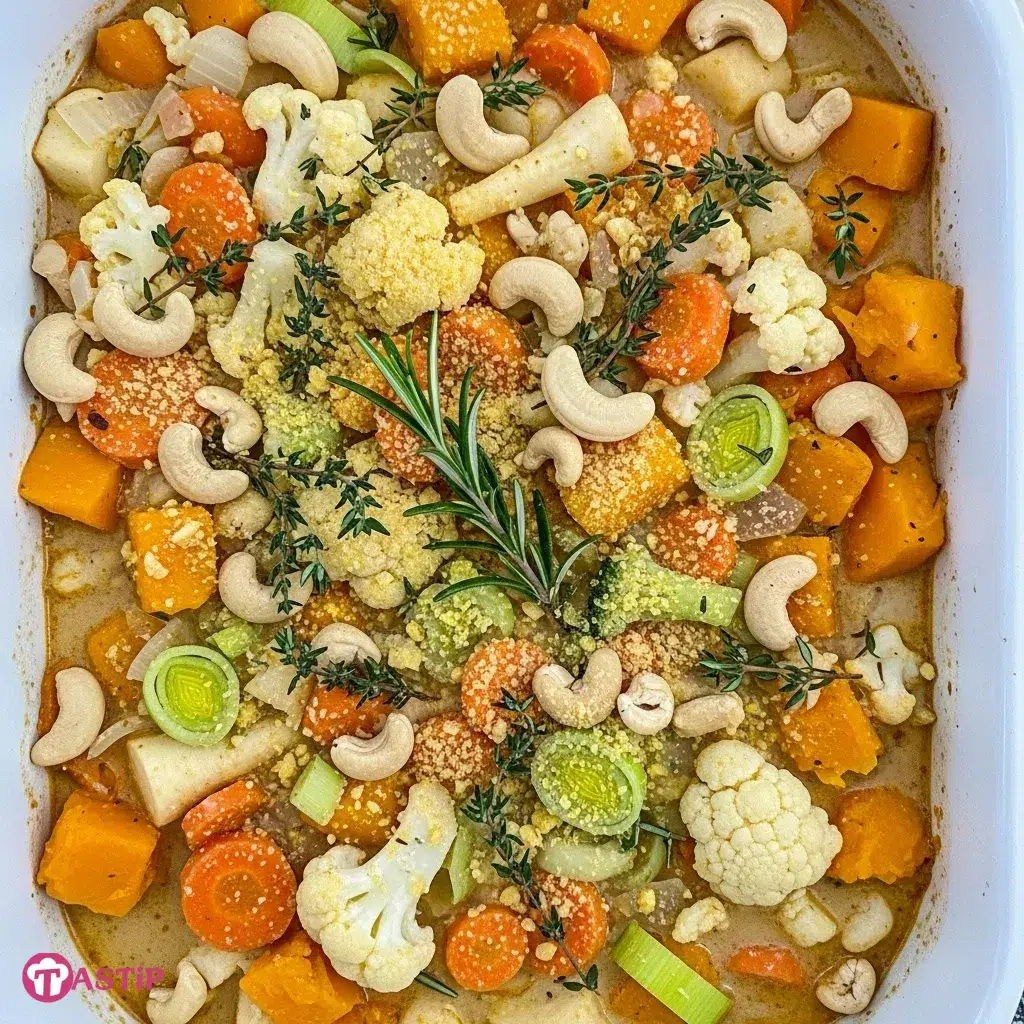
As the temperatures drop, our bodies naturally crave grounding, warm nourishment that provides both comfort and vitality. This Creamy Winter Vegetable Casserole delivers exactly that, blending seasonal root vegetables with a silky, plant-based sauce that feels indulgent yet remains entirely clean. You will experience a harmony of earthy parsnips, sweet carrots, and velvety textures in every single bite.
It serves as an ideal centerpiece for a cozy weeknight dinner or a sophisticated holiday gathering. I designed this Creamy Winter Vegetable Casserole to be nutrient-dense, ensuring you feel energized rather than sluggish after eating. Embrace the cooling season with a dish that supports your wellness journey while satisfying your deepest cravings for comfort food.
Why You’ll Love This Creamy Winter Vegetable Casserole
- This Creamy Winter Vegetable Casserole uses whole, unprocessed ingredients to create a rich texture without the need for heavy dairy or inflammatory oils.
- You can prepare the entire dish in relatively short time, making it a practical option for busy families who prioritize health.
- The recipe features a diverse profile of phytonutrients and fiber from various winter vegetables, which aids digestion and boosts immune function.
- It offers a versatile base that allows you to swap vegetables based on what is fresh and local to your specific region.
Ingredients You’ll Need
To achieve the best results with your Creamy Winter Vegetable Casserole, I recommend sourcing organic produce. Freshness significantly impacts the natural sweetness of the root vegetables. High-quality fats and sea salt also elevate the mineral content of this healing meal.
| Ingredient | Quantity | Wellness Benefit |
|---|---|---|
| Butternut Squash | 3 Cups (cubed) | High in Vitamin A and Beta-carotene for eye health. |
| Parsnips | 2 Cups (sliced) | Excellent source of soluble fiber and Vitamin C. | 2 Large (rounds) | Supports skin health and provides natural sweetness. |
| Cauliflower florets | 1 Head (medium) | Contains sulforaphane, which supports detoxification. |
| Leeks | 2 Large (white parts) | Prebiotic fibers that feed beneficial gut bacteria. |
| Raw Cashews | 1 Cup (soaked) | Provides heart-healthy monounsaturated fats. |
| Vegetable Broth | 1.5 Cups (low sodium) | Hydrating base for the creamy sauce. |
| Fresh Thyme & Rosemary | 2 Tablespoons (minced) | Contains antioxidant and anti-inflammatory compounds. |
| Garlic | 4 Cloves (minced) | Antimicrobial properties to support winter immunity. |
| Nutritional Yeast | 3 Tablespoons | Adds a cheesy flavor and essential B-vitamins. |
Substitutions & Variations
Note: This video is for demonstration purposes and may use a slightly different method.

The beauty of the Creamy Winter Vegetable Casserole lies in its adaptability. If you have a nut allergy, replace the cashews with a jar of full-fat coconut milk or a sunflower seed butter base. This swap maintains the “clean” integrity of the dish while accommodating different dietary needs.
You can also experiment with different starch profiles. For instance, replace the butternut squash with sweet potatoes or Japanese yams for a denser, more filling texture.
Furthermore, consider adding a protein boost to your Creamy Winter Vegetable Casserole. I often suggest folding in cooked chickpeas or white cannellini beans before baking. These legumes blend seamlessly with the creamy sauce and provide additional plant-based protein.
For those who enjoy a bit of crunch, replace the traditional breadcrumb topping with crushed walnuts or pumpkin seeds. These additions provide healthy Omega-3 fatty acids and a satisfying textural contrast without the use of processed gluten.
For those looking to get creative, check out our recipe for Creamy Tuscan Scallops, which offers another indulgent creamy dish that can complement your Winter Vegetable Casserole beautifully.
Step-by-Step Instructions
Follow these clear steps to create your masterpiece. Focus on the aroma of the fresh herbs as they hit the pan; this mindful approach to cooking enhances the overall dining experience.
- Preheat your oven to 375 degrees Fahrenheit (190 degrees Celsius) and lightly grease a large baking dish with avocado oil.
- Place your raw cashews in a bowl of hot water and let them soak for at least 20 minutes to soften.
- Chop the butternut squash, parsnips, and carrots into uniform half-inch cubes to ensure even cooking throughout the Creamy Winter Vegetable Casserole.
- Sauté the sliced leeks and minced garlic in a large skillet over medium heat until they become translucent and fragrant.
- Drain the cashews and place them in a high-speed blender along with the vegetable broth, nutritional yeast, sea salt, and a pinch of black pepper.
- Blend the mixture on high until it reaches a perfectly smooth, velvet-like consistency.
- Place all the chopped raw vegetables into the prepared baking dish and toss them with the fresh minced thyme and rosemary.
- Pour the creamy cashew sauce over the vegetables, ensuring every piece receives a generous coating.
- Cover the dish with parchment paper or a lid and bake for 40 minutes.
- Remove the cover and bake for an additional 15 minutes to allow the top of the Creamy Winter Vegetable Casserole to turn slightly golden and bubbly.
Pro Tips for Success
To master the Creamy Winter Vegetable Casserole, pay close attention to the vegetable sizes. Cutting the harder root vegetables like parsnips slightly smaller than the cauliflower florets ensures everything finishes cooking at the same time. If the vegetables are too large, the sauce might thicken too much before the centers soften.
Another technical secret involves the sauce consistency. If your cashew cream appears too thick after blending, add a tablespoon of water or broth at a time. The sauce should resemble a heavy pouring cream.
During the baking process, the vegetables release their own juices, which mingle with the cream to create the final delicious texture of the Creamy Winter Vegetable Casserole. Always use fresh herbs rather than dried ones when possible, as the volatile oils in fresh rosemary and thyme provide a more vibrant flavor profile that cuts through the richness of the nuts.
To refine your skills even further, consider trying the Classic Creamy Mushroom Soup, as mastering the technique of cutting vegetables to ensure even cooking will enhance both dishes.
Storage & Reheating Tips
This Creamy Winter Vegetable Casserole tastes even better the next day as the flavors continue to marry. Store any leftovers in an airtight glass container in the refrigerator for up to four days. Glass is preferable to plastic to avoid any chemical leaching, especially when storing warm food.
When you are ready to enjoy it again, reheat the Creamy Winter Vegetable Casserole in the oven at 350 degrees Fahrenheit. Cover the dish to prevent the sauce from drying out. If you prefer using a stovetop, place a portion in a small saucepan with a splash of vegetable broth to loosen the sauce. Avoid using a microwave if possible, as it can sometimes change the texture of the root vegetables and the delicate cashew cream.
What to Serve With This Recipe
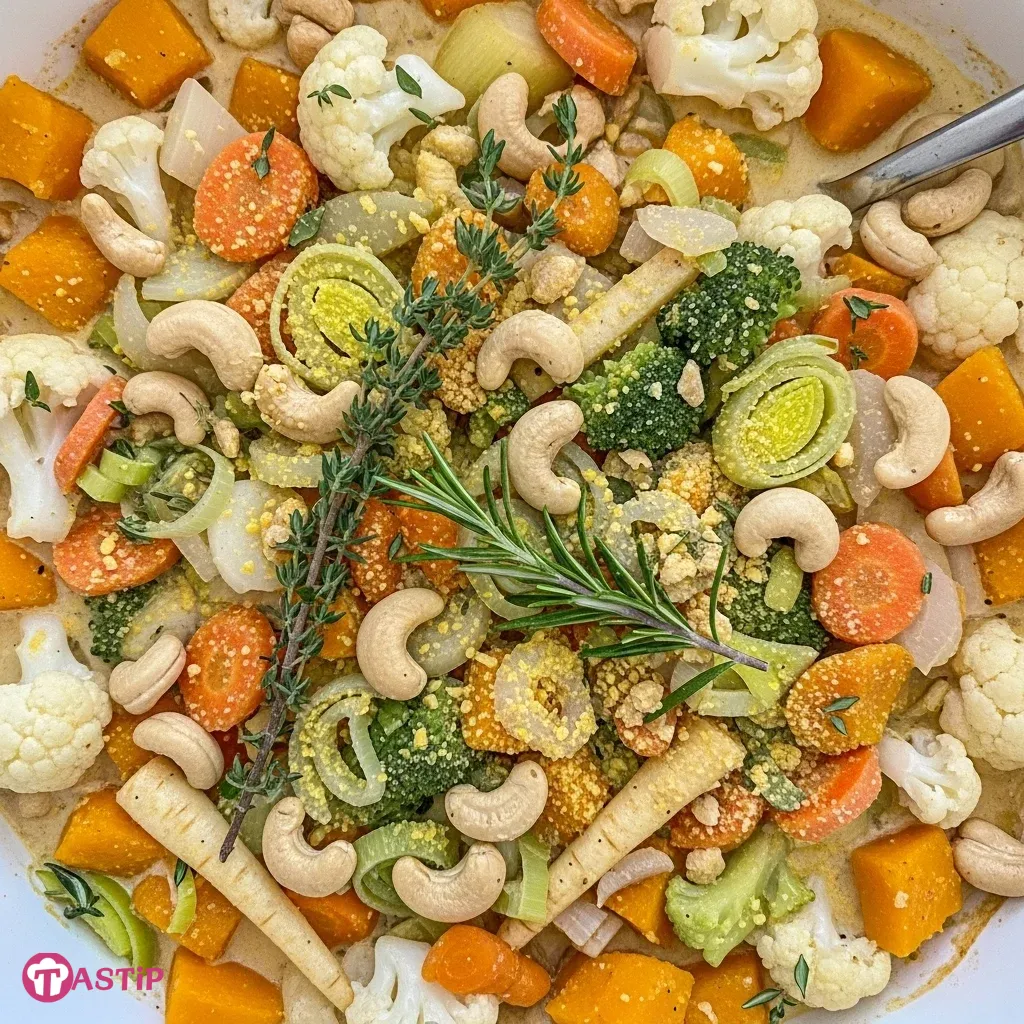
Pairing your Creamy Winter Vegetable Casserole with the right sides creates a balanced, holistic meal. I recommend a crisp, bitter green salad to balance the richness of the casserole. A massaged kale salad with a lemon-tahini dressing provides a bright acidity that cleanses the palate between bites of the creamy vegetables.
Additionally, consider serving this dish alongside a light protein source. Grilled wild-caught salmon or a simple roasted organic chicken breast complements the earthy flavors perfectly. If you prefer a fully plant-based spread, a side of toasted quinoa or wild rice adds a nutty flavor and extra fiber. These pairings ensure your Creamy Winter Vegetable Casserole remains the star of a meal that is both physically satisfying and nutritionally complete.
If you’re looking to round out your meal with sides, a perfect accompaniment would be the Creamy Potato Soup, which pairs wonderfully with the casseroles for a comforting dinner experience.
FAQs
Can I freeze the Creamy Winter Vegetable Casserole?
You can freeze this dish, although the texture of the vegetables may soften slightly upon thawing. If you plan to freeze it, I recommend undercooking the vegetables by about ten minutes during the initial bake. Allow the Creamy Winter Vegetable Casserole to cool completely before sealing it in a freezer-safe container for up to two months. Thaw it in the refrigerator overnight before reheating.
How do I make this recipe nut-free?
To make a nut-free version of the Creamy Winter Vegetable Casserole, you can create a “cream” using steamed cauliflower and vegetable broth blended together. Alternatively, use a high-quality organic soy milk or oat milk thickened with a small amount of arrowroot powder. These options maintain the “clean” eating standards while remaining safe for those with nut allergies.
Can I add green vegetables to the casserole?
Absolutely. While the Creamy Winter Vegetable Casserole focuses on root vegetables, adding greens like kale or spinach works beautifully. Stir the greens into the mixture during the last ten minutes of baking so they wilt without becoming overcooked or losing their vibrant color and nutritional integrity.
Creamy casseroles are a beloved comfort food during the colder months, providing warmth and nourishment to those who enjoy them. Discover more about the health benefits and varieties of this dish in relation to seasonal cooking through this casserole overview.
Nutrition Information (per serving)
This Creamy Winter Vegetable Casserole provides a wealth of micronutrients. The following data represents an approximate value for one generous serving of the recipe.
| Macro/Nutrient | Amount |
|---|---|
| Calories | 310 kcal |
| Total Fat | 14g |
| Saturated Fat | 2.5g |
| Protein | 9g |
| Total Carbohydrates | 38g |
| Dietary Fiber | 8g |
| Sugars (Natural) | 7g |
| Sodium | 240mg |
Cooking this Creamy Winter Vegetable Casserole is an act of self-care. It honors the season’s bounty while fueling your body with the clean energy it deserves. By choosing whole, plant-based ingredients, you are investing in your long-term wellness and enjoying a truly delicious culinary experience. Share this Creamy Winter Vegetable Casserole with loved ones to spread the joy of health-conscious, soul-warming food.
Print
Creamy Winter Vegetable Casserole
- Total Time: 1 hour 15 mins
- Yield: 4 servings 1x
- Diet: Gluten Free
Description
This Creamy Winter Vegetable Casserole blends seasonal root vegetables with a creamy, plant-based sauce, providing a comforting and nutrient-dense meal for chilly evenings.
Ingredients
3 Cups Butternut Squash (cubed)
2 Cups Parsnips (sliced)
2 Large Carrots (rounds)
1 Head Cauliflower florets (medium)
2 Large Leeks (white parts)
1 Cup Raw Cashews (soaked)
1.5 Cups Vegetable Broth (low sodium)
2 Tablespoons Fresh Thyme (minced)
2 Tablespoons Fresh Rosemary (minced)
4 Cloves Garlic (minced)
3 Tablespoons Nutritional Yeast
Instructions
- Preheat your oven to 375 degrees Fahrenheit (190 degrees Celsius) and lightly grease a large baking dish with avocado oil
- Place your raw cashews in a bowl of hot water and let them soak for at least 20 minutes to softe
- Chop the butternut squash, parsnips, and carrots into uniform half-inch cubes
- Sauté the sliced leeks and minced garlic in a large skillet over medium heat until they become translucent and fragrant
- Drain the cashews and blend them in a high-speed blender with vegetable broth, nutritional yeast, sea salt, and black pepper until smooth
- Place all the chopped raw vegetables into the prepared baking dish and toss them with fresh minced thyme and rosemary
- Pour the creamy cashew sauce over the vegetables, coating them evenly
- Cover the dish and bake for 40 minutes, then remove the cover and bake for an additional 15 minutes until golde
Notes
Store leftovers in an airtight glass container for up to four days.
Reheat in the oven covered, or on the stovetop with vegetable broth to loosen.
- Prep Time: 20 mins
- Cook Time: 55 mins
- Category: Dinner
- Method: Baking
- Cuisine: American
Nutrition
- Serving Size: 1 bowl
- Calories: 310 kcal
- Sugar: 7g
- Sodium: 240mg
- Fat: 14g
- Saturated Fat: 2.5g
- Unsaturated Fat: 11.5g
- Trans Fat: 0g
- Carbohydrates: 38g
- Fiber: 8g
- Protein: 9g
- Cholesterol: 0mg