
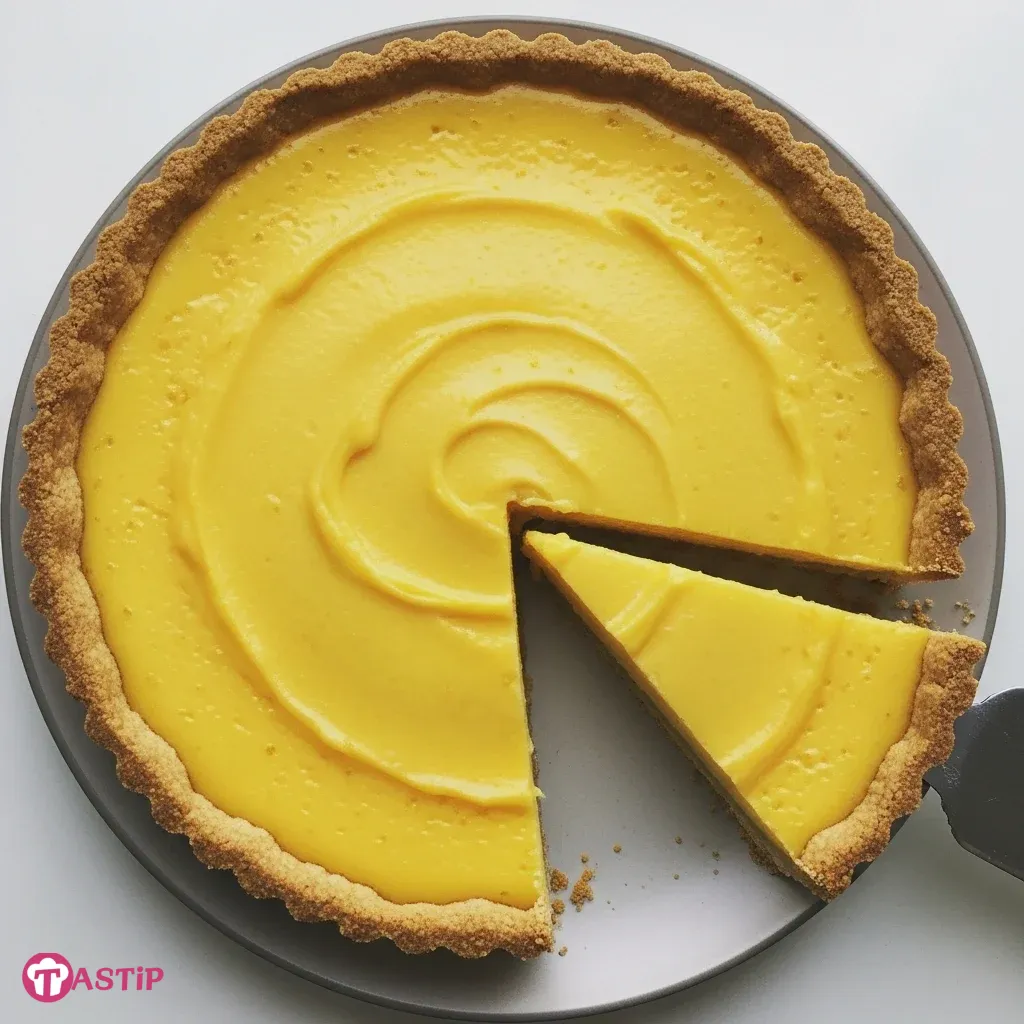
Whenever I wander through the sun-drenched streets of Menton, France, the scent of citrus hangs heavy in the air. This coastal town celebrates the lemon like royalty, and nothing captures that vibrant spirit better than a classic Lemon Tart. This dessert strikes a perfect balance between a buttery, crisp shortcrust pastry and a silky, sharp citrus curd.
Every bite offers a refreshing burst of acidity followed by a mellow sweetness that dances on the palate. I find that this specific recipe brings a piece of the French Riviera directly into your kitchen. Achieving the ideal Lemon Tart requires patience, but the results are incredibly rewarding for any home baker. It is the ultimate bright finale for a heavy meal or a sophisticated centerpiece for a weekend brunch.
Why You’ll Love This Recipe
- Zesty Flavor Profile: The intense citrus punch provides a refreshing alternative to heavy, chocolate-based desserts.
- Authentic Texture: You will master the contrast between a crumbly, melt-in-the-mouth crust and a creamy, custard-like filling.
- Natural Ingredients: This Lemon Tart relies on fresh fruit and high-quality fats rather than artificial flavorings or preservatives.
- Crowd-Pleasing Elegance: The vibrant yellow hue and clean lines make this dish look like it came straight from a professional patisserie.
Ingredients You’ll Need
To create a truly remarkable Lemon Tart, you must prioritize the quality of your ingredients. I always recommend using organic lemons because the recipe utilizes a significant amount of zest. Furthermore, high-fat European-style butter ensures the pastry remains flaky and rich. Use large, room-temperature eggs to ensure the filling emulsifies perfectly without curdling during the baking process.
| Category | Ingredient | Quantity |
|---|---|---|
| Pastry | All-purpose flour | 1.5 cups |
| Pastry | Unsalted butter (cold) | 1/2 cup |
| Pastry | Powdered sugar | 1/4 cup |
| Pastry | Egg yolk | 1 large |
| Filling | Fresh lemon juice | 3/4 cup |
| Filling | Lemon zest | 2 tablespoons |
| Filling | Granulated sugar | 1 cup |
| Filling | Heavy cream | 1/2 cup |
| Filling | Large eggs | 4 total |
Substitutions & Variations
Note: This video is for demonstration purposes and may use a slightly different method.

While the traditional version is spectacular, you can adapt this Lemon Tart to suit various dietary needs or flavor preferences. For a healthier twist, replace the all-purpose flour in the crust with finely ground almond flour. This substitution adds a lovely nutty note and reduces the glycemic load of the dessert.
Additionally, if you prefer to avoid refined sugar, high-quality honey or maple syrup can sweeten the curd. However, keep in mind that liquid sweeteners will slightly alter the final texture of the filling. You might also consider swapping a portion of the lemon juice for Meyer lemons or even blood oranges for a sweeter, more floral profile. To make the recipe dairy-free, use chilled coconut oil in the crust and full-fat coconut milk in the filling instead of heavy cream.
If you’re looking to elevate the flavors of your Lemon Tart, try pairing it with our delicious Lemon Garlic Chicken Breast. This savory dish complements the tartness of the dessert beautifully, offering a delightful contrast to your meal.
Step-by-Step Instructions
- Prepare the Crust: Combine the flour and powdered sugar in a large bowl. Cut the cold butter into small cubes and work it into the flour using your fingertips or a pastry cutter until the mixture resembles coarse sand.
- Bind the Dough: Add the egg yolk and a tablespoon of cold water. Mix gently until the dough just comes together. Shape it into a flat disc, wrap it in plastic, and let it chill in the refrigerator for at least 30 minutes.
- Roll and Shape: On a lightly floured surface, roll the dough out to an 11-inch circle. Carefully transfer it to a 9-inch tart pan with a removable bottom. Press the dough into the edges and trim any excess.
- Blind Bake: Line the crust with parchment paper and fill it with pie weights or dried beans. Bake at 375°F (190°C) for 15 minutes. Remove the weights and bake for another 5 minutes until the base is dry and lightly golden.
- Whisk the Filling: In a medium bowl, whisk together the eggs and granulated sugar until smooth. Gradually stir in the fresh lemon juice, lemon zest, and heavy cream. Ensure there are no large air bubbles in the mixture.
- Final Bake: Lower the oven temperature to 325°F (160°C). Pour the lemon mixture into the warm crust. Bake for 20 to 25 minutes, or until the filling is set around the edges but still has a slight jiggle in the center.
- Cool and Set: Allow the Lemon Tart to cool completely at room temperature. Afterward, refrigerate it for at least two hours to ensure the curd sets firmly before slicing.
Pro Tips for Success
Success with a Lemon Tart depends on temperature control and precision. To avoid a “soggy bottom,” always blind bake the crust thoroughly before adding the liquid filling. If the crust appears to be browning too quickly during the final bake, cover the edges with aluminum foil.
Another vital tip involves the lemons themselves; always zest the fruit before squeezing the juice. It is much harder to zest a squashed lemon! Furthermore, strain the filling through a fine-mesh sieve before pouring it into the crust.
This step removes any bits of cooked egg or oversized zest, resulting in a perfectly smooth texture. Finally, do not over-mix the filling after adding the cream, as excess air can cause the surface of the Lemon Tart to crack or develop unsightly bubbles.
Mastering the art of Lemon Tart also involves understanding the importance of temperature control, which is key when making Lemon Ginger Tea. This refreshing beverage can enhance the lemony flavors and provide a soothing balance to the meal, especially during warmer months.
Storage & Reheating Tips
The Lemon Tart tastes best when served chilled or at room temperature on the day it is made. However, you can store leftovers in the refrigerator for up to three days. Cover the tart loosely with foil or plastic wrap, ensuring it does not touch the surface of the curd to prevent sticking.
I do not recommend freezing the completed tart, as the moisture in the curd can compromise the crispness of the pastry upon thawing. If the crust loses some of its crunch, you can briefly place individual slices in a toaster oven for 2 minutes, though most people prefer the cool contrast of the refrigerated dessert. Always store the tart away from pungent foods like onions or garlic, as the fat in the tart can easily absorb unwanted odors.
What to Serve With This Recipe
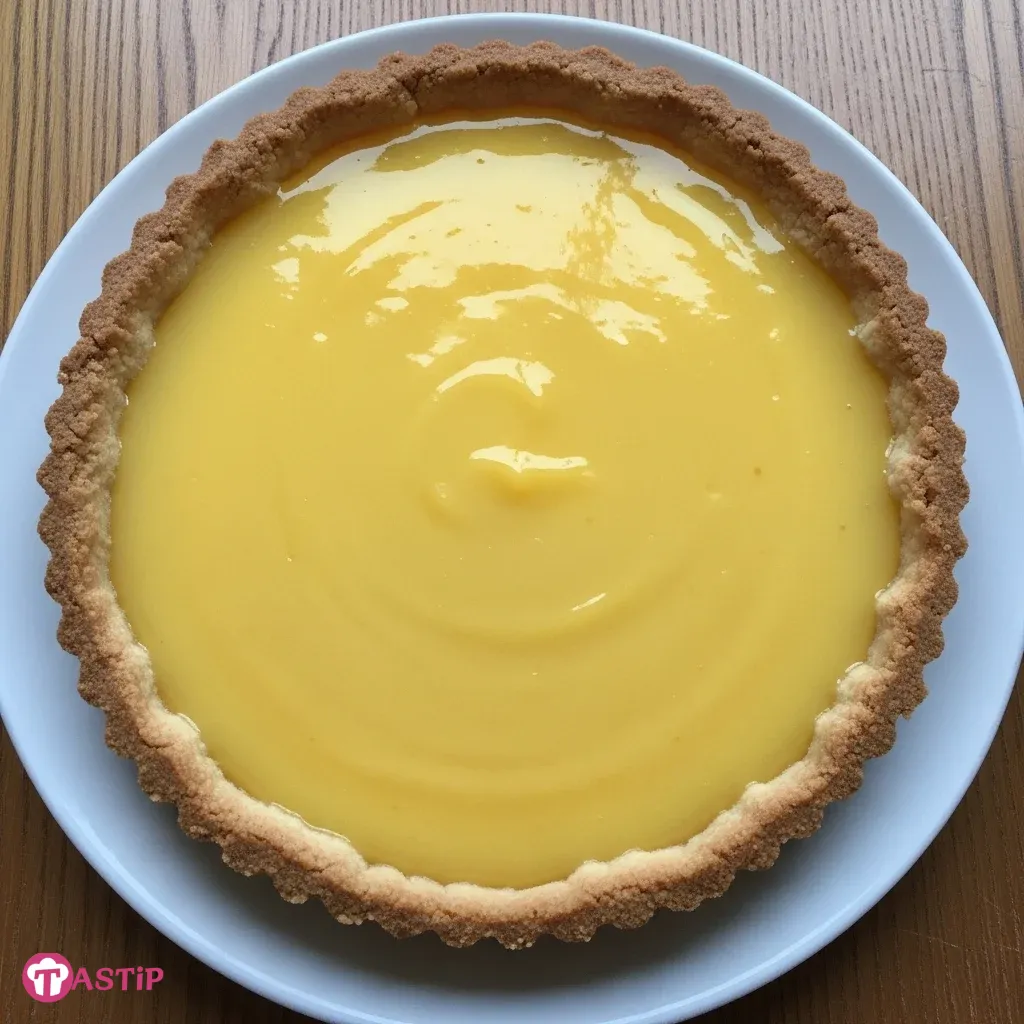
To balance the vibrant acidity of the Lemon Tart, I suggest pairing it with light and refreshing accompaniments. A dollop of unsweetened whipped cream or a scoop of vanilla bean gelato provides a creamy contrast that softens the sharp citrus notes. If you want to lean into the healthy traveler vibe, serve the tart alongside a bowl of fresh seasonal berries like raspberries or blueberries.
For a more savory pairing, a light arugula salad with a simple vinaigrette can cleanse the palate between bites. Regarding beverages, a hot cup of Earl Grey tea or a glass of chilled Prosecco complements the flavors beautifully. These pairings enhance the dessert without overshadowing the star of the show: the Lemon Tart.
To add an extra layer of flavor to your dessert experience, consider serving your Lemon Tart alongside Lemon Cupcakes. These light, zesty treats will bring out the citrus notes and create a beautiful dessert spread.
FAQs
Can I use bottled lemon juice for this tart?
I strongly advise against using bottled lemon juice for a Lemon Tart. Bottled juices often contain preservatives and lack the complex, bright aromatic oils found in fresh fruit. Since lemon is the primary flavor, using fresh-squeezed juice is essential for an authentic and vibrant result. The zest is also a crucial component that bottled juice cannot provide.
Why did my lemon filling turn out runny?
A runny filling usually happens if the tart did not bake long enough or if the ratio of eggs to liquid was incorrect. The eggs act as the thickening agent; they must reach a specific temperature to coagulate and set the curd. Ensure your oven is calibrated correctly and give the Lemon Tart ample time to chill in the refrigerator, as the setting process continues even after it leaves the oven.
How do I prevent the crust from shrinking?
Crust shrinkage occurs when the gluten in the flour is overworked or when the dough is not allowed to rest. When you mix the dough, do so just until it holds together. Most importantly, let the dough rest in the fridge both after mixing and after pressing it into the pan. This relaxation allows the gluten strands to settle, ensuring your Lemon Tart maintains its beautiful shape during the baking process.
A Lemon Tart is a classic dessert that features a bright and tangy filling made from fresh lemons, sugar, and eggs, enveloped in a buttery pastry crust. The balance of tart and sweet flavors makes it a beloved treat, perfect for any occasion and often enjoyed in gourmet culinary circles. You can learn more about the history and variations of this delightful dessert in this informative article.
Nutrition Information (per serving)
This Lemon Tart provides a satisfying treat that balances fats and carbohydrates. While it contains sugar, the inclusion of fresh lemon provides a small boost of Vitamin C. Using high-quality ingredients ensures that every calorie delivers maximum flavor and satisfaction.
| Nutrient | Amount per Serving |
|---|---|
| Calories | 320 kcal |
| Total Fat | 18g |
| Saturated Fat | 11g |
| Cholesterol | 145mg | Sodium | 45mg |
| Total Carbohydrates | 36g |
| Dietary Fiber | 1g |
| Sugars | 22g |
| Protein | 5g |
Ultimately, the Lemon Tart is more than just a dessert; it is a celebration of simple, high-quality ingredients handled with care. Whether you are reliving a memory of a European vacation or simply looking for the perfect weekend project, this recipe delivers consistent excellence.
The sharp, clean flavors and the golden, buttery crust will undoubtedly make this Lemon Tart a staple in your baking repertoire. Embrace the process, enjoy the citrusy aroma filling your home, and savor every zesty bite of this timeless classic.
Print
Lemon Tart
- Total Time: 50 mins
- Yield: 8 servings 1x
- Diet: Vegetarian
Description
This classic Lemon Tart captures the vibrant spirit of Menton, France, with its buttery shortcrust pastry and silky citrus curd. Perfect for any occasion, it offers a refreshing burst of flavor balanced with sweetness, making it an elegant dessert.
Ingredients
1.5 cups All-purpose flour
1/2 cup Unsalted butter (cold)
1/4 cup Powdered sugar
1 large Egg yolk
3/4 cup Fresh lemon juice
2 tablespoons Lemon zest
1 cup Granulated sugar
1/2 cup Heavy cream
4 Large eggs
Instructions
- Combine the flour and powdered sugar in a large bowl. Cut the cold butter into small cubes and work it into the flour until the mixture resembles coarse sand
- Add the egg yolk and a tablespoon of cold water. Mix gently until the dough just comes together. Shape into a flat disc, wrap in plastic, and chill for at least 30 minutes
- Roll the dough out to an 11-inch circle and transfer it to a 9-inch tart pan. Press the dough into the edges and trim any excess
- Line the crust with parchment paper and fill with pie weights or dried beans. Bake at 375°F (190°C) for 15 minutes. Remove weights and bake for another 5 minutes until lightly golde
- Whisk the eggs and granulated sugar in a medium bowl until smooth. Gradually stir in the lemon juice, lemon zest, and heavy cream
- Lower the oven temperature to 325°F (160°C). Pour the lemon mixture into the warm crust. Bake for 20 to 25 minutes until set around the edges with a slight jiggle in the center
- Cool completely at room temperature, then refrigerate for at least two hours to set before slicing
Notes
Always zest your lemons before juicing them for the freshest flavor.
For a healthier option, consider using almond flour instead of all-purpose flour.
- Prep Time: 20 mins
- Cook Time: 30 mins
- Category: Dessert
- Method: Baking
- Cuisine: French
Nutrition
- Serving Size: 1 slice
- Calories: 320 kcal
- Sugar: 22g
- Sodium: 45mg
- Fat: 18g
- Saturated Fat: 11g
- Unsaturated Fat: 7g
- Trans Fat: 0g
- Carbohydrates: 36g
- Fiber: 1g
- Protein: 5g
- Cholesterol: 145mg