
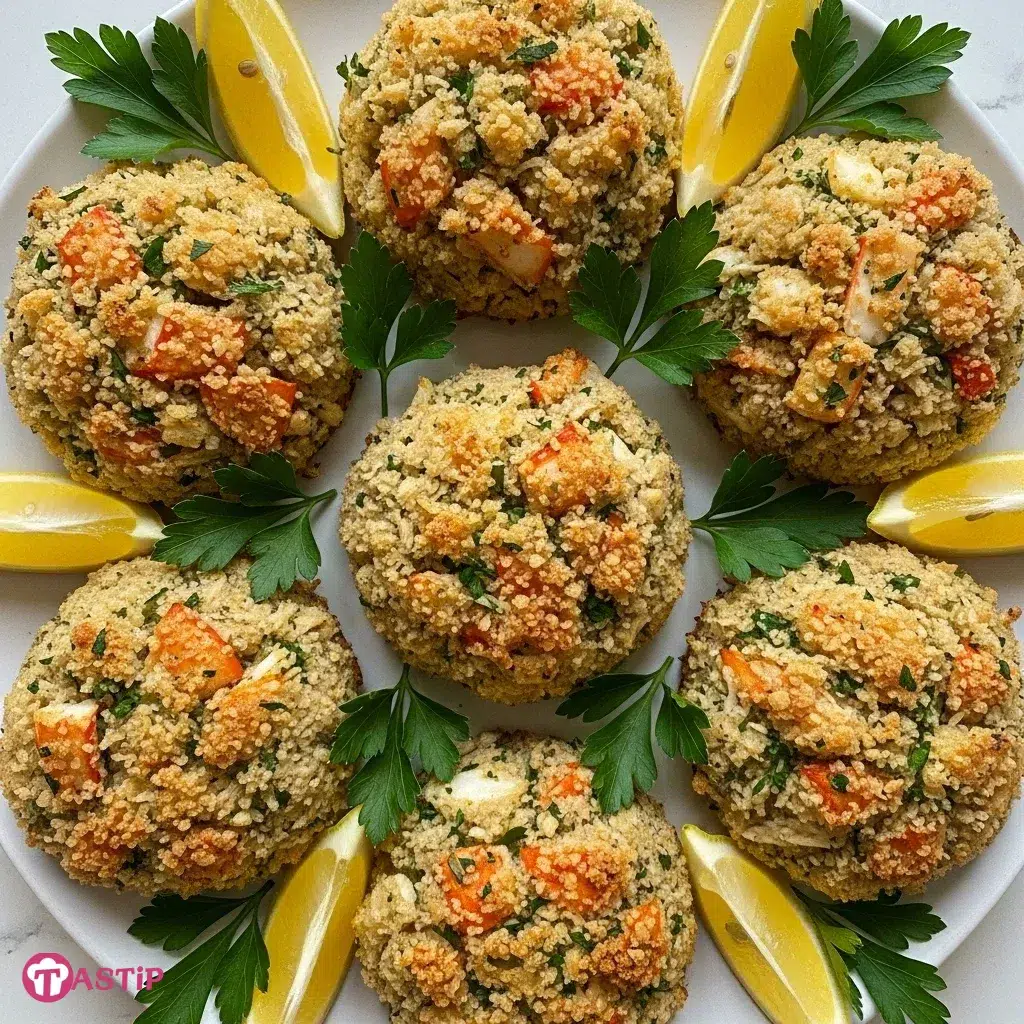
Creating the perfect Baked Crab Cakes requires a delicate balance between structural integrity and the unadulterated flavor of the sea. Many home cooks struggle with cakes that fall apart or, conversely, cakes that feel like leaden bread balls. In this recipe, we leverage the principles of protein coagulation and starch hydration to ensure a tender, lump-heavy result every time.
By choosing to bake instead of fry, we utilize dry-heat convection to achieve a crisp exterior without the grease that often masks the sweet, briny notes of high-quality crab. This technique preserves the integrity of the jumbo lump meat while simplifying the cooking process for any weeknight meal.
You will find that these Baked Crab Cakes offer a sophisticated texture that rivals the best coastal seafood houses. Prepare to master the science of the binder and the art of the fold.
Why You’ll Love This Recipe
- Pure Flavor Profile: By using a minimal amount of filler, these Baked Crab Cakes highlight the natural sweetness of premium crab meat rather than masking it with heavy breading.
- Superior Texture: Our chilling method allows the binders to set, resulting in a cake that remains moist on the inside while developing a beautiful golden crust in the oven.
- Nutrient Dense and Light: Choosing to bake rather than deep-fry significantly reduces the saturated fat content while maintaining the essential omega-3 fatty acids found in the seafood.
Ingredients You’ll Need
Success in the kitchen starts with understanding your components. For Baked Crab Cakes, the quality of the crab is the most critical variable. I recommend sourcing fresh, refrigerated jumbo lump crab meat for the best mouthfeel and flavor extraction.
- Jumbo Lump Crab Meat: This consists of the large muscles that drive the swimming legs; it is prized for its brilliant white color and sweet taste.
- Panko Breadcrumbs: Unlike traditional fine crumbs, Panko has a larger surface area, which provides structural support without making the Baked Crab Cakes dense.
- Mayonnaise: This acts as our primary fat source and emulsifier, providing the necessary moisture to prevent the proteins from drying out.
- Dijon Mustard: Beyond flavor, the mucilage in mustard helps stabilize the emulsion of the binder.
- Large Egg: The proteins in the egg (primarily albumin) act as the “glue” that coagulates upon heating, locking the crab meat in place.
- Old Bay Seasoning: This classic blend of celery salt, spices, and paprika provides the quintessential Maryland-style aromatic profile.
- Fresh Parsley and Lemon Juice: These acidic and herbaceous components brighten the dish and cut through the richness of the crab and mayo.
- Worcestershire Sauce: Adds a layer of umami that enhances the natural savory notes of the shellfish.
Substitutions & Variations
Note: This video is for demonstration purposes and may use a slightly different method.

If you have specific dietary needs or simply want to experiment with the flavor profile of your Baked Crab Cakes, consider these scientifically sound substitutions. Each change maintains the structural integrity required for a successful bake.
- Gluten-Free Option: Replace the Panko breadcrumbs with crushed gluten-free crackers or almond flour. Almond flour adds a nutty depth and healthy fats, though it creates a slightly softer texture.
- Lower Fat Binder: You can substitute the mayonnaise with plain Greek yogurt. The acidity in the yogurt will react with the crab meat, so expect a tangier finish. Ensure you strain the yogurt first to remove excess whey, preventing soggy Baked Crab Cakes.
- Spicy Variation: Incorporate finely diced jalapeños or a dash of sriracha into the wet mixture. The heat pairs exceptionally well with the cooling nature of the crab.
- Egg-Free Alternative: A “flax egg” (ground flaxseed mixed with water) can provide some binding, though the resulting Baked Crab Cakes will be more fragile and require careful handling.
If you want to elevate the taste of your Baked Crab Cakes while catering to specific dietary needs, consider trying a gluten-free alternative. For an inspired dish, check out this Teriyaki Baked Salmon that pairs beautifully with the unique flavors of crab.
Step-by-Step Instructions
- Inspect the Crab: Gently spread the crab meat out on a flat sheet pan. Use your fingertips to feel for any stray bits of shell or cartilage. Do not break up the large lumps; these are the hallmark of high-quality Baked Crab Cakes.
- Prepare the Emulsion: In a large mixing bowl, whisk together the mayonnaise, egg, Dijon mustard, Worcestershire sauce, Old Bay, and lemon juice. This creates a stable, flavored base that will coat every piece of crab evenly.
- Incorporate the Aromatics: Fold in the fresh parsley and the Panko breadcrumbs. Let this mixture sit for two minutes. This brief rest allows the Panko to begin hydrating, which prevents it from pulling moisture away from the crab later.
- The Gentle Fold: Add the cleaned crab meat to the bowl. Using a rubber spatula, use a “folding” motion—cutting through the center and lifting from the bottom—to combine. Stop the moment the crab is coated to preserve the lump structure.
- The Critical Chill: Cover the mixture and refrigerate for at least 30 minutes. This is a scientific necessity. Chilling allows the starches in the breadcrumbs to fully hydrate and the proteins in the egg to thicken, ensuring your Baked Crab Cakes do not flatten in the oven.
- Form the Cakes: Use a half-cup measuring tool to portion the mixture into six even mounds. Gently shape them into discs about 1 inch thick. Place them on a parchment-lined baking sheet.
- The Bake: Preheat your oven to 425°F (218°C). Lightly brush the tops with melted butter or a spray of olive oil to facilitate the Maillard reaction. Bake for 12 to 15 minutes until the internal temperature reaches 145°F and the tops are golden brown.
Pro Tips for Success
As a former test kitchen chef, I cannot stress enough how much technique matters when making Baked Crab Cakes. To move from “good” to “restaurant quality,” keep these technical pointers in mind:
- Temperature Control: Always start with cold crab meat. If the crab reaches room temperature during the mixing process, the fats in the mayonnaise can break, leading to an oily result.
- Resist the Over-Mix: The more you stir, the more you break the delicate myofibrillar proteins in the crab. This turns a premium ingredient into a mushy paste. Handle the meat as if it were fragile glass.
- High Heat is Key: We bake at 425°F to ensure rapid heat transfer. This high temperature causes the exterior moisture to evaporate quickly, creating a “crust” while the interior remains succulent.
- The Scoop Method: Use an ice cream scoop to portion your Baked Crab Cakes. This ensures uniform density and size, which means they will all finish cooking at the exact same moment.
Mastering the techniques of Baked Crab Cakes can significantly improve your cooking results. To learn more about cooking methods, explore our guide on Oven Baked BBQ Ribs for insights on achieving perfect textures in your meals.
Storage & Reheating Tips
While Baked Crab Cakes are best enjoyed immediately, you can store leftovers effectively if you follow these steps to prevent oxidation and moisture loss.
- Refrigeration: Place completely cooled cakes in an airtight container. They will stay fresh for up to two days. Beyond that, the delicate fats in the crab can begin to develop “off” flavors.
- Freezing: You can freeze uncooked Baked Crab Cakes. Wrap them individually in plastic wrap and store in a vacuum-sealed bag for up to three months. Thaw in the refrigerator overnight before baking.
- Reheating: Avoid the microwave at all costs! Microwaves vibrate water molecules, which can turn the crab rubbery in seconds. Instead, reheat in a 350°F oven for 8-10 minutes or until warmed through. This restores the exterior texture without overcooking the delicate proteins.
What to Serve With This Recipe
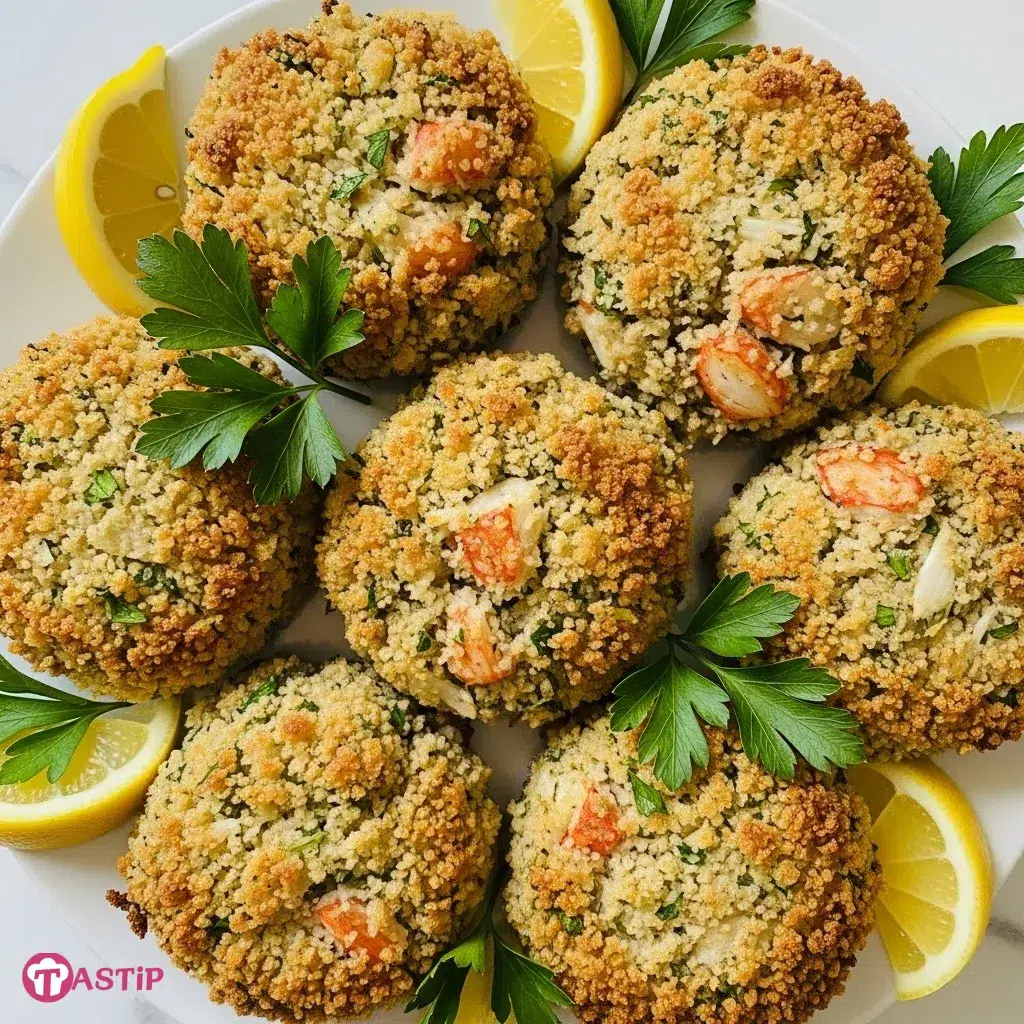
To complement the rich, oceanic flavor of Baked Crab Cakes, you should select sides that offer acidity or a crisp contrast. Avoid heavy, starch-laden sides that might compete with the cakes for dominance on the palate.
- Arugula Salad with Lemon Vinaigrette: The peppery bite of arugula and the citric acid of the lemon act as a palate cleanser, making each bite of crab taste as fresh as the first.
- Roasted Asparagus: The earthy, slightly bitter notes of asparagus provide a sophisticated counterpoint to the sweetness of the jumbo lump meat.
- Shaved Fennel Slaw: Fennel offers a subtle anise flavor that pairs beautifully with shellfish. Use a light vinegar-based dressing rather than a creamy one to keep the meal balanced.
- Classic Remoulade: While not a side dish, a homemade remoulade with capers and cornichons provides the necessary acid and salt to elevate the Baked Crab Cakes.
The right side dishes can enhance your Baked Crab Cakes experience by providing a refreshing contrast. For a delightful pairing, consider adding a Baked Lobster Tail to your meal for an elegant touch.
FAQs
Can I use canned crab meat for these cakes?
While you can use canned crab meat, I strongly advise against it if you want high-quality Baked Crab Cakes. Canned shelf-stable crab is often over-processed and lacks the structural integrity of fresh refrigerated lump crab. If you must use canned, look for “refrigerated pasteurized” crab in the seafood department rather than the dry goods aisle.
Why do my crab cakes fall apart when I flip them?
The primary reason Baked Crab Cakes fall apart is either a lack of chilling time or an insufficient binder-to-crab ratio. Chilling is non-negotiable as it allows the proteins and starches to set. Also, ensure you aren’t trying to flip them too early; the “crust” needs time to form structural strength on the bottom before it can be moved.
Is it better to bake or fry crab cakes?
From a food science perspective, baking is often superior for jumbo lump crab. Frying involves high-velocity movement in oil which can break apart the lumps. Baking provides a stable environment where the Baked Crab Cakes can cook undisturbed, preserving the beautiful texture of the meat while being significantly healthier.
Baked Crab Cakes are a popular dish known for their tender texture and rich seafood flavor, often found on coastal restaurant menus. They showcase the delightful sweetness of high-quality crab, commonly enjoyed by seafood lovers seeking gourmet taste in their home-cooked meals. For more information on this delectable dish, visit the page on crab cakes.
Nutrition Information (per serving)
This nutritional summary reflects one serving of our Baked Crab Cakes, assuming the recipe yields six cakes. These figures emphasize the high protein and low carbohydrate nature of this preparation.
| Nutrient | Amount per Serving |
|---|---|
| Calories | 210 kcal |
| Total Fat | 11g |
| Saturated Fat | 2g |
| Cholesterol | 125mg |
| Sodium | 580mg |
| Total Carbohydrates | 8g |
| Dietary Fiber | 1g |
| Sugars | 1g |
| Protein | 22g |
Baked Crab Cakes
- Total Time: 35 mins
- Yield: 6 servings 1x
- Diet: Gluten Free (if using gluten-free substitutions)
Description
Baked Crab Cakes are a refined dish that merges the fresh flavor of crab with a delicate texture, baked to perfection for a crisp exterior and moist interior.
Ingredients
1 pound Jumbo Lump Crab Meat
1 cup Panko Breadcrumbs
1/2 cup Mayonnaise
1 tablespoon Dijon Mustard
1 large Egg
1 tablespoon Old Bay Seasoning
2 tablespoons Fresh Parsley, chopped
1 tablespoon Lemon Juice
1 teaspoon Worcestershire Sauce
Instructions
- Inspect the crab meat for shell pieces and set aside
- In a large bowl, whisk together mayonnaise, egg, Dijon mustard, Worcestershire sauce, Old Bay seasoning, and lemon juice
- Fold in fresh parsley and Panko breadcrumbs, and let mixture rest for 2 minutes
- Gently fold in the crab meat to combine without breaking large lumps
- Cover and chill the mixture in the refrigerator for at least 30 minutes
- Preheat oven to 425°F (218°C). Shape the chilled crab mixture into cakes
- Place on a parchment-lined baking sheet and brush with melted butter
- Bake for 12 to 15 minutes or until golden brown and the internal temperature reaches 145°F
Notes
Ensure the crab meat is cold before mixing to prevent an oily texture.
Avoid over-mixing to retain the lump structure of the crab.
- Prep Time: 20 mins
- Cook Time: 15 mins
- Category: Dinner
- Method: Baking
- Cuisine: American
Nutrition
- Serving Size: 1 crab cake
- Calories: 210 kcal
- Sugar: 1g
- Sodium: 580mg
- Fat: 11g
- Saturated Fat: 2g
- Unsaturated Fat: N/A
- Trans Fat: N/A
- Carbohydrates: 8g
- Fiber: 1g
- Protein: 22g
- Cholesterol: 125mg