
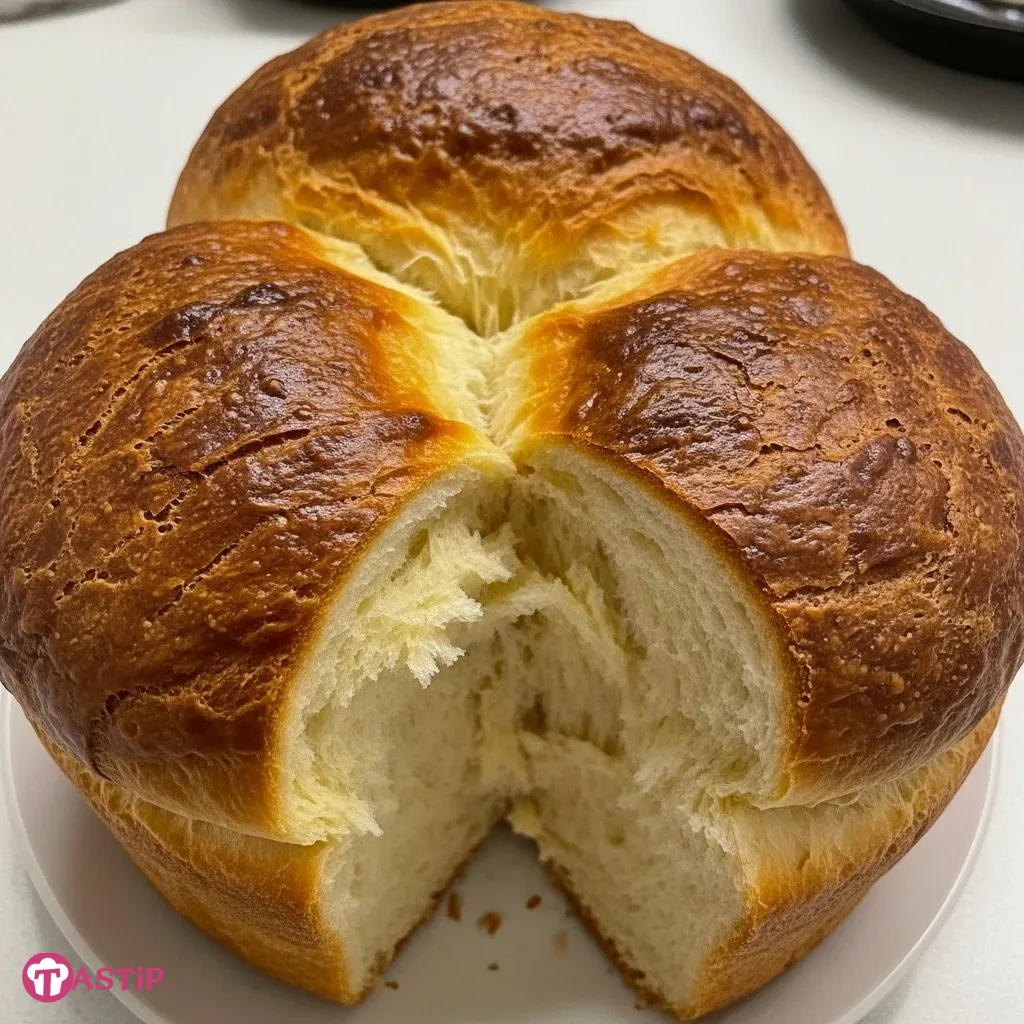
There is nothing quite like the aroma of fresh Brioche Bread wafting through a sun-drenched kitchen. This golden, pillowy loaf represents the pinnacle of enriched dough, offering a buttery richness that feels like a warm embrace. As a nutritionist, I believe that true wellness involves honoring our cravings with high-quality, whole ingredients that nourish both the body and the spirit.
This specific version of Brioche Bread balances traditional French techniques with mindful ingredient choices. You will find that the texture is incredibly light, yet the flavor remains deep and satisfying. By using nutrient-dense fats and unrefined sweeteners, we transform a classic indulgence into a mindful addition to your healthy lifestyle.
Why You’ll Love This Brioche Bread
- Unmatched Texture: This recipe creates a cloud-like interior with a delicate, paper-thin golden crust.
- Nutrient-Dense Ingredients: We prioritize grass-fed butter and pasture-raised eggs to boost the healthy fat content.
- Versatility: This Brioche Bread works perfectly for savory avocado toast or a clean version of French toast.
- No Refined Sugars: We use natural sweeteners that provide a subtle depth without the blood sugar spike.
- Simple Process: Despite its gourmet reputation, my method breaks down the steps to make it accessible for any home baker.
Ingredients You’ll Need
To create the perfect Brioche Bread, you must focus on the quality of your components. Every ingredient serves a specific structural and nutritional purpose in the dough.
| Ingredient | Quantity | Nutritional Benefit |
|---|---|---|
| Unbleached Bread Flour | 4 Cups | Provides the protein structure needed for a high rise. |
| Grass-Fed Butter | 1 Cup (softened) | Rich in Vitamin K2 and Omega-3 fatty acids. |
| Pasture-Raised Eggs | 4 Large | High in choline and provides the signature golden hue. |
| Raw Honey or Maple Syrup | 1/4 Cup | A natural, unrefined sweetener with antioxidants. |
| Active Dry Yeast | 2 1/4 tsp (1 packet) | Essential for the fermentation and airy texture. |
| Warm Whole Milk (or Nut Milk) | 1/2 Cup | Activates the yeast and adds a soft richness. |
| Fine Sea Salt | 1 tsp | Balances the flavors and strengthens the gluten. |
Substitutions & Variations
Note: This video is for demonstration purposes and may use a slightly different method.

While traditional Brioche Bread relies on dairy and eggs, you can adapt this recipe to suit your specific dietary needs. If you prefer a dairy-free version, you can substitute the grass-fed butter with chilled, solid virgin coconut oil or a high-quality vegan cultured butter. Please note that coconut oil will provide a slight tropical hint and a slightly different crumb structure.
For the flour, you can experiment with a blend of 70% bread flour and 30% sprouted spelt flour to increase the fiber content and ease of digestion. If you want a savory twist, consider folding in fresh rosemary or cracked black pepper during the final kneading stage. For a festive touch, adding a handful of organic raisins or dark chocolate chips creates a wonderful treat without the need for excess processed sugar.
If you’re curious about how to incorporate different flavors into your baking, check out our guide on Smoked Beef Birria Burgers. Our insights into flavor pairing can elevate your culinary creations, making them exciting and delicious.
Step-by-Step Instructions
- Activate the Yeast: In a small bowl, combine the warm milk and your choice of honey. Sprinkle the yeast over the top and let it sit for about 5 to 10 minutes until it becomes frothy and bubbly. This step ensures your Brioche Bread will rise beautifully.
- Mix the Base Dough: In the bowl of a stand mixer fitted with a dough hook, combine the flour and sea salt. Pour in the yeast mixture and the lightly beaten pasture-raised eggs. Mix on low speed until a shaggy dough forms and no dry flour remains.
- The Butter Incorporation: This is the most critical stage. Increase the mixer speed to medium-low. Add the softened grass-fed butter one tablespoon at a time. Wait until each piece is fully incorporated before adding the next. This slow process creates the luxurious texture of the Brioche Bread.
- Develop the Gluten: Once all the butter is added, continue kneading the dough in the mixer for 10 to 15 minutes. The dough should eventually become smooth, shiny, and very elastic, pulling away from the sides of the bowl.
- First Rise: Place the dough in a lightly greased bowl and cover it with a damp cloth. Let it rise in a warm, draft-free spot until doubled in size, usually about 1 to 2 hours. For better flavor development, you can perform this rise in the refrigerator overnight.
- Shape the Loaf: Gently deflate the dough and transfer it to a floured surface. Divide it into three or four equal pieces and roll them into smooth balls or braid them for a classic look. Place them into a parchment-lined loaf pan.
- Second Rise: Cover the pan and let the Brioche Bread rise again for about 45 to 60 minutes until it looks puffy and fills the pan.
- Bake to Perfection: Preheat your oven to 350°F (175°C). Brush the top of the loaf with a simple egg wash (one egg beaten with a splash of water) for a glossy finish. Bake for 30 to 35 minutes until the crust is deep golden brown and the internal temperature reaches 190°F.
Pro Tips for Success
To achieve professional-grade Brioche Bread, temperature control is your best friend. Ensure your eggs and butter are at room temperature before you begin. If the butter is too cold, it will not emulsify into the dough properly; if it is melted, it will ruin the delicate structure.
I highly recommend using a kitchen scale to measure your flour in grams. Volume measurements can be inconsistent, and even a small amount of extra flour can result in a dense loaf rather than a light one.
Finally, do not rush the kneading process. The “windowpane test” is a great way to check gluten development; if you can stretch a small piece of dough thin enough to see light through it without it tearing, your Brioche Bread is ready for the first rise.
Temperature control is crucial for achieving the perfect Brioche Bread, and you might also enjoy our recipe for Sourdough Croissant Loaf. This recipe emphasizes techniques that ensure a light, airy texture similar to Brioche.
Storage & Reheating Tips
Because this Brioche Bread is made with fresh, natural ingredients and no preservatives, it is best enjoyed within the first two days. Store the loaf in an airtight container or a linen bread bag at room temperature. If you find you cannot finish it quickly, this bread freezes exceptionally well.
Simply slice the loaf, place parchment paper between the slices, and store them in a freezer-safe bag for up to three months. To reheat, I suggest using a toaster or a toaster oven. A gentle toast revives the fats in the Brioche Bread, making it taste just as fresh as the day it was baked. Avoid the microwave, as it can make the texture chewy and tough.
What to Serve With This Recipe
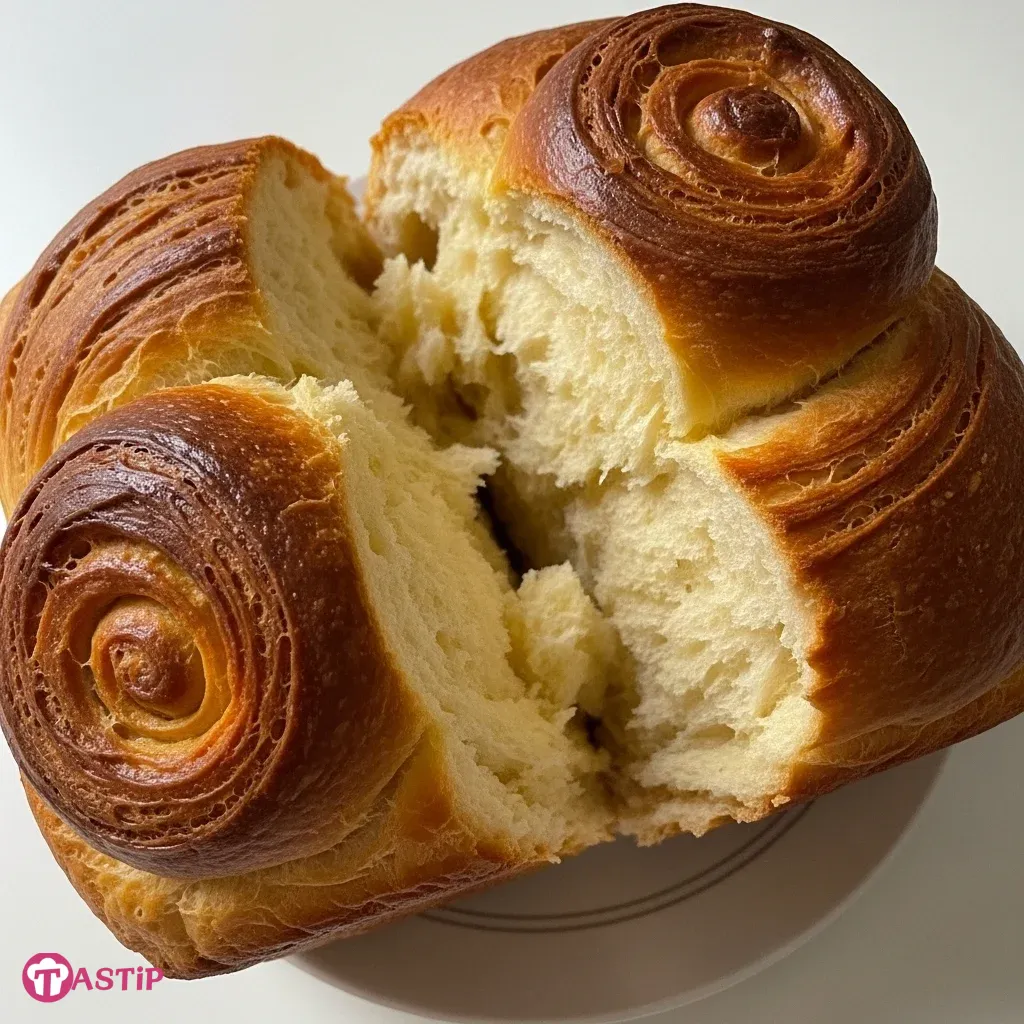
The beauty of Brioche Bread lies in its ability to pair with almost anything. For a balanced, wellness-focused breakfast, serve a thick slice toasted and topped with smashed avocado, a squeeze of lemon, and a sprinkle of hemp seeds. The healthy fats in the avocado complement the richness of the bread perfectly.
For a vibrant lunch, pair a grilled slice of Brioche Bread with a large massaged kale salad featuring roasted butternut squash and pumpkin seeds. The sweetness of the bread creates a beautiful contrast with the earthy greens. If you are serving this for brunch, a side of fresh organic berries and a dollop of Greek yogurt provides a protein-rich accompaniment that feels incredibly indulgent yet remains clean and energizing.
Brioche’s versatility makes it a perfect companion for various dishes; for a unique twist on your bread experience, don’t miss our Sourdough Croissant Bread Loaf. These ideas will inspire you to pair flavors and make the most of your baking.
FAQs
Can I make this Brioche Bread without a stand mixer?
Yes, you can certainly make Brioche Bread by hand, though it requires significant physical effort. Incorporating the butter by hand takes time and patience to ensure the dough does not get too warm from your hands. Use a sturdy bench scraper to help fold and slap the dough onto the counter until it reaches the desired elasticity.
Why did my Brioche Bread turn out dense?
A dense loaf usually results from under-kneading or using too much flour. If the gluten is not fully developed, the dough cannot trap the gases produced by the yeast, preventing a proper rise. Additionally, ensure your yeast is fresh and that the milk was not too hot, which could kill the yeast and stop the Brioche Bread from expanding.
How do I get that dark, shiny crust?
The signature look of Brioche Bread comes from the egg wash applied right before baking. The proteins and sugars in the egg caramelize in the oven, creating a deep mahogany color and a beautiful sheen. For an even deeper color, you can use only the egg yolk mixed with a teaspoon of heavy cream or whole milk.
Brioche Bread is a rich and tender bread that hails from France, making it a beloved staple in many kitchens. With its unique, buttery texture and its ability to complement numerous dishes, this bread is celebrated for both its flavor and versatility; learn more about its history and variations through this detailed exploration.
Nutrition Information (per serving)
This nutrition summary is based on one thick slice of Brioche Bread, assuming the loaf is divided into 12 servings.
| Nutrient | Amount per Serving |
|---|---|
| Calories | 240 kcal |
| Total Fat | 14g |
| Saturated Fat | 8g |
| Cholesterol | 85mg |
| Sodium | 210mg |
| Total Carbohydrates | 22g |
| Dietary Fiber | 1g |
| Sugars | 4g |
| Protein | 6g |
Enjoying a piece of homemade Brioche Bread is a wonderful way to practice mindful eating. When we choose high-quality fats and natural sweeteners, we can enjoy these traditional favorites as part of a vibrant, healthy lifestyle. This bread is more than just food; it is a celebration of slow living and the joy of creating something beautiful from scratch.
Print
Brioche Bread
- Total Time: 1 hour 5 mins
- Yield: 12 servings 1x
- Diet: Vegetarian
Description
This golden, pillowy loaf of Brioche Bread represents the pinnacle of enriched dough, offering a buttery richness that's both light and flavorful. Using high-quality, nutrient-dense ingredients, it transforms a classic indulgence into a mindful addition to your healthy lifestyle.
Ingredients
4 cups Unbleached Bread Flour
1 cup Grass-Fed Butter (softened)
4 large Pasture-Raised Eggs
1/4 cup Raw Honey or Maple Syrup
2 1/4 tsp Active Dry Yeast (1 packet)
1/2 cup Warm Whole Milk (or Nut Milk)
1 tsp Fine Sea Salt
Instructions
- Activate the Yeast: In a small bowl, combine the warm milk and your choice of honey. Sprinkle the yeast over the top and let it sit for about 5 to 10 minutes until it becomes frothy and bubbly
- Mix the Base Dough: In the bowl of a stand mixer fitted with a dough hook, combine the flour and sea salt. Pour in the yeast mixture and the lightly beaten pasture-raised eggs. Mix on low speed until a shaggy dough forms
- The Butter Incorporation: Increase the mixer speed to medium-low. Add the softened butter one tablespoon at a time. Wait until each piece is incorporated before adding the next
- Develop the Gluten: Knead the dough in the mixer for 10 to 15 minutes until it is smooth and elastic
- First Rise: Place the dough in a lightly greased bowl and cover with a damp cloth. Let it rise until doubled in size, about 1 to 2 hours
- Shape the Loaf: Gently deflate the dough and divide it into equal pieces. Shape them into balls or braid them and place in a parchment-lined loaf pa
- Second Rise: Cover the pan and let the dough rise again for about 45 to 60 minutes until puffy
- Bake to Perfection: Preheat the oven to 350°F (175°C), brush the top with egg wash, and bake for 30 to 35 minutes until golden brow
Notes
Ensure ingredients like eggs and butter are at room temperature for best results.
Use a kitchen scale for measuring flour for consistency.
- Prep Time: 30 mins
- Cook Time: 35 mins
- Category: Bread
- Method: Baking
- Cuisine: French
Nutrition
- Serving Size: 1 slice
- Calories: 240 kcal
- Sugar: 4g
- Sodium: 210mg
- Fat: 14g
- Saturated Fat: 8g
- Unsaturated Fat: N/A
- Trans Fat: N/A
- Carbohydrates: 22g
- Fiber: 1g
- Protein: 6g
- Cholesterol: 85mg