
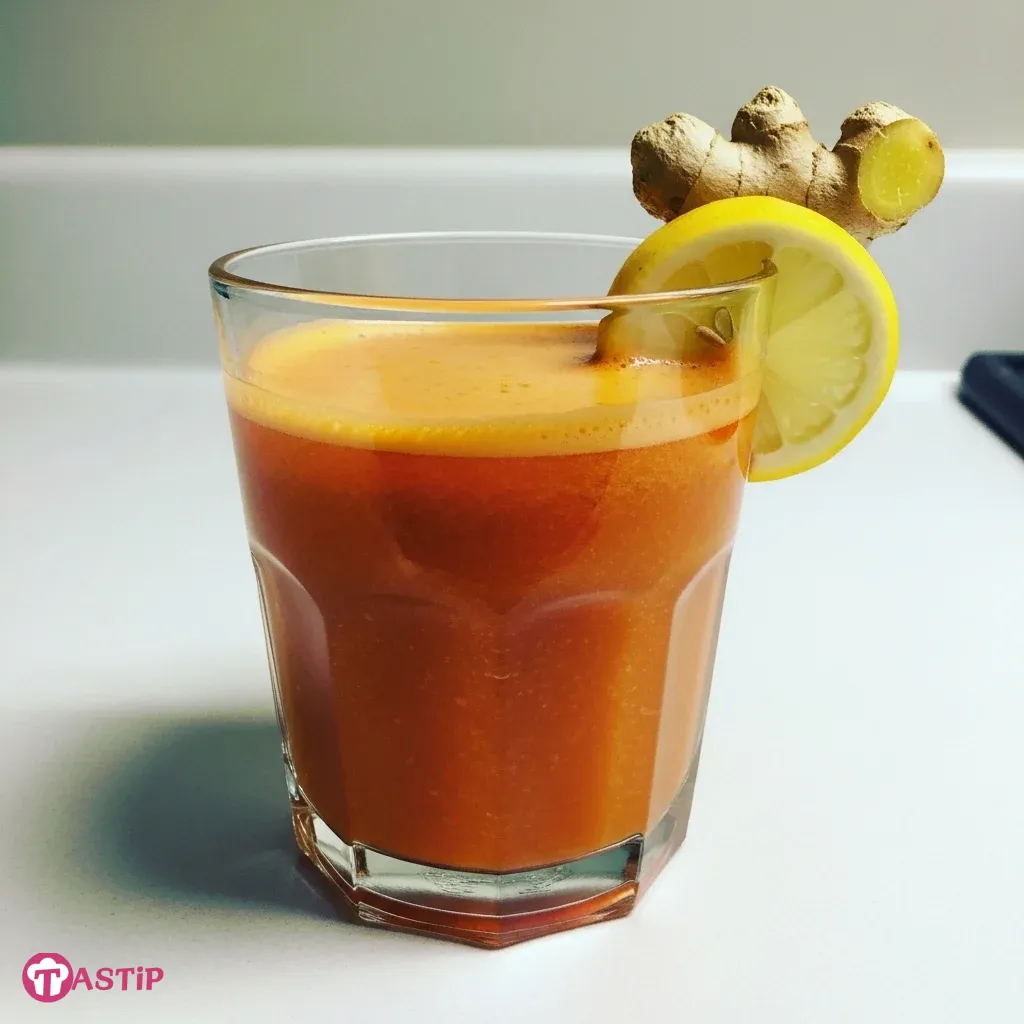
Freshly made Carrot Juice offers a vibrant, earthy sweetness that processed, store-bought versions simply cannot replicate. This beverage provides a silky texture and a concentrated burst of beta-carotene that feels immediately revitalizing. As a former test kitchen chef, I find the science behind extracting liquid from root vegetables fascinating because it requires breaking down tough cellular walls.
When you process these roots correctly, you release locked-in sugars and volatile aromatic compounds. You will notice a distinct difference in flavor when you use cold, crisp carrots versus room-temperature ones. This guide will help you master the art of the perfect Carrot Juice while explaining the mechanics of flavor extraction.
Why You’ll Love This Carrot Juice Recipe
- This Carrot Juice provides a massive dose of Vitamin A and antioxidants in a highly bioavailable liquid form.
- Making your own Carrot Juice at home costs significantly less than purchasing premium bottled versions at high-end grocery stores.
- The recipe allows for total control over sugar content and additives, ensuring a 100% natural beverage every time.
- You can customize the flavor profile by adding simple aromatics like ginger or citrus to balance the natural earthiness.
Ingredients You’ll Need
The quality of your Carrot Juice depends entirely on the quality of your raw materials. Always choose firm, heavy carrots because they contain the highest water content. Avoid flaccid or rubbery roots, as they have lost their cellular integrity and will produce a bitter, metallic-tasting liquid. I recommend organic carrots whenever possible to avoid pesticide residue that can concentrate during the juicing process.
| Ingredient | Quantity | Purpose |
|---|---|---|
| Fresh Carrots | 2 lbs (approx. 8-10 large) | The primary source of sugar, color, and nutrients. |
| Fresh Lemon Juice | 1 tablespoon | Acts as a pH adjuster to brighten flavor and prevent rapid oxidation. |
| Fresh Ginger (Optional) | 1/2 inch knob | Adds a spicy top note and digestive benefits. |
| Filtered Water | 1/4 cup (if using a blender) | Helps facilitate the movement of the blades. |
Substitutions & Variations
Note: This video is for demonstration purposes and may use a slightly different method.

While pure Carrot Juice is delicious on its own, you can experiment with healthy swaps to alter the nutrient density and flavor. If you find the earthiness too intense, try substituting half of the carrots with crisp Granny Smith apples.
The malic acid in the apples provides a sharp contrast to the carrot’s natural glucose. For a greener profile, you can add a handful of spinach or kale, though this will significantly change the color to a murky brown.
If you want to enhance the anti-inflammatory properties of your Carrot Juice, consider adding a teaspoon of fresh turmeric root. Turmeric contains curcumin, which pairs exceptionally well with the earthy notes of the carrot. However, remember that curcumin requires a fat source for optimal absorption, so consider drinking your juice alongside a meal containing healthy fats. You can also swap the lemon for lime or orange to introduce different citric acid profiles.
While pure Carrot Juice is delicious on its own, you can experiment with healthy swaps to alter the nutrient density and flavor. For a delightful twist, try substituting half of the carrots with crisp Granny Smith apples by checking out this Oat, Apple, and Carrot Cake recipe.
Step-by-Step Instructions
- Preparation: Scrub the carrots thoroughly with a vegetable brush under cold running water. You do not need to peel them if they are organic, as the skin contains significant nutrients. However, peeling can result in a slightly sweeter, less “dusty” flavor profile.
- Chilling: Place your cleaned carrots in the refrigerator for at least two hours before juicing. Cold carrots produce a crisper Carrot Juice and help keep the machine from heating up the delicate enzymes.
- Sizing: Cut the carrots into manageable pieces that fit your juicer’s feed chute. If you are using a high-speed blender, chop the carrots into one-inch rounds to prevent the motor from straining.
- Extraction (Juicer Method): Turn on your juicer and feed the carrots through one by one. If using ginger, feed it through in the middle of the carrot batch to ensure the carrot fiber pushes the ginger juice through the screen.
- Extraction (Blender Method): Add the carrots, ginger, and a small splash of filtered water to the blender canister. Blend on high speed until you achieve a thick, smooth puree.
- Straining: If you used a blender, pour the mixture into a nut milk bag or a fine-mesh sieve lined with cheesecloth. Squeeze the bag firmly to extract every drop of Carrot Juice, leaving the dry pulp behind.
- Seasoning: Stir in the fresh lemon juice. This small amount of acid stabilizes the juice and prevents it from turning a dull orange-brown color through enzymatic browning.
- Serving: Pour the fresh Carrot Juice into a glass and serve immediately for the best flavor and nutritional impact.
Pro Tips for Success
To achieve the best results with your Carrot Juice, you must understand the role of heat during extraction. Centrifugal juicers spin at high speeds, which can generate friction and heat. This heat can slightly degrade certain enzymes and speed up oxidation.
If you have a choice, use a masticating (cold-press) juicer. These machines chew the vegetable fibers slowly, mimicking human mastication, which preserves the cellular structure and nutrient density of the Carrot Juice.
Another technical tip involves the pulp. Don’t throw it away! The leftover carrot pulp still contains significant amounts of insoluble fiber.
You can incorporate this pulp into muffin batters, veggie burgers, or even use it as a base for a vegetable stock. From a food science perspective, the pulp is the cellulose “skeleton” of the carrot. When you make Carrot Juice, you are essentially separating the “blood” of the plant from its “bones.”
Lastly, pay attention to the foam. Many high-speed juicers produce a layer of froth on top of the Carrot Juice. This foam is simply aerated proteins and fibers.
While perfectly safe to drink, some find it distracting. You can easily remove it by skimming the surface with a spoon or pouring the juice through a fine-meshed tea strainer before serving.
To achieve the best results with your Carrot Juice, you must understand the role of heat during extraction. To preserve your nutrients efficiently, consider using a masticating juicer, and learn more about this technique in our guide to Creamy Potato Soup.
Storage & Reheating Tips
Fresh Carrot Juice is a highly unstable product because it lacks the preservatives found in commercial varieties. Ideally, you should consume it within 20 minutes of extraction. If you must store it, use an airtight glass jar and fill it to the very top to minimize the “headspace” where oxygen can sit. Oxygen is the enemy of fresh juice; it causes the breakdown of Vitamin C and changes the flavor profile.
Store your Carrot Juice in the back of the refrigerator, which is the coldest part. It will stay relatively fresh for up to 24 hours. If the juice separates, simply give it a quick shake to re-emulsify the solids.
I do not recommend reheating Carrot Juice, as heat destroys the delicate flavors and some heat-sensitive vitamins. If you want a warm beverage, try a carrot-based soup instead. You can freeze the juice in ice cube trays for up to three months, though the texture may change slightly upon thawing.
What to Serve With This Recipe
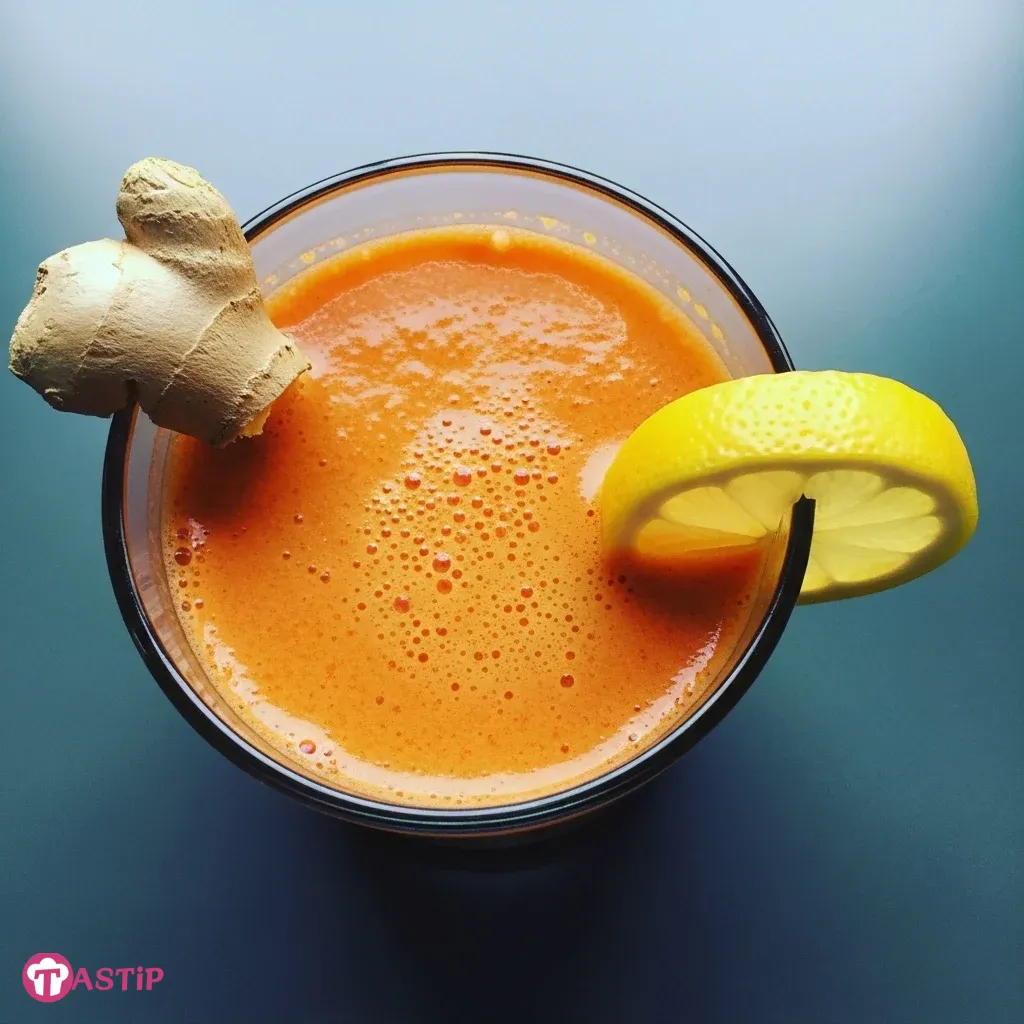
Since Carrot Juice contains fat-soluble vitamins like Vitamin A (in the form of beta-carotene), you should serve it alongside a meal that contains healthy fats. This significantly increases the absorption of nutrients into your bloodstream. A fresh avocado salad or a handful of walnuts makes an excellent companion. The healthy lipids help your body process the nutrients found in the juice more efficiently.
For a balanced breakfast, pair your Carrot Juice with poached eggs and sautéed greens. The richness of the egg yolk complements the sweetness of the carrots beautifully. If you are enjoying it as a mid-day snack, consider serving it with roasted chickpeas seasoned with cumin and paprika. The savory, spicy notes of the chickpeas provide a wonderful counterpoint to the clean, sugary finish of the juice.
Since Carrot Juice contains fat-soluble vitamins like Vitamin A, it is beneficial to serve it alongside a meal rich in healthy fats. For the best pairing, consider combining your juice with a fresh avocado salad or explore other options in our recipe for Classic Potato Soup.
FAQs
Can I make Carrot Juice without a juicer?
Yes, you can easily make Carrot Juice using a high-powered blender and a nut milk bag. Simply blend the carrots with a small amount of water until smooth, then strain the mixture to remove the fiber. This method is effective and requires less specialized equipment.
Why is my Carrot Juice bitter?
Bitterness usually results from using carrots that are past their prime or carrots with a large, woody core. The core can sometimes harbor more bitter compounds than the outer layers. Additionally, if you don’t scrub the skins thoroughly, the natural oils on the surface can contribute an “earthy” bitterness to the Carrot Juice.
Is it safe to drink Carrot Juice every day?
For most people, drinking Carrot Juice daily is perfectly safe and highly beneficial. However, excessive consumption can lead to a harmless condition called carotenemia, where the skin takes on a slightly yellowish-orange tint. This occurs because the body stores excess beta-carotene in the skin’s outer layer. Simply reducing your intake will resolve this quickly.
Carrot juice is a nutritious drink that not only delivers essential vitamins but also offers a wide array of health benefits. Many people enjoy it for its rich flavor and vibrant color, enhancing both health and culinary experiences—learn more about its origins and uses in this juice source.
Nutrition Information (per serving)
One serving of fresh Carrot Juice (approximately 8 ounces) provides a dense profile of micronutrients. Because we remove the fiber during the juicing process, the sugars are more concentrated, which provides a quick energy boost.
| Nutrient | Amount |
|---|---|
| Calories | 94 kcal |
| Carbohydrates | 22g |
| Sugars | 9g |
| Protein | 2g |
| Vitamin A | 450% DV |
| Vitamin C | 20% DV |
| Potassium | 689mg |
Making Carrot Juice at home is a rewarding scientific endeavor that yields a superior product. By understanding the importance of temperature, oxidation, and fat-solubility, you transform a simple beverage into a nutritional powerhouse. Always focus on the quality of your produce, as the carrot’s flavor is the undisputed star of this recipe. Enjoy the process and the vibrant results of your hard work.
Print
Carrot Juice
- Total Time: 30 mins
- Yield: 4 servings 1x
- Diet: Gluten Free
Description
Freshly made Carrot Juice offers a vibrant, earthy sweetness that processed versions cannot replicate. This juice provides a silky texture and a concentrated burst of beta-carotene, revitalizing and refreshing.
Ingredients
2 lbs Fresh Carrots
1 tablespoon Fresh Lemon Juice
1/2 inch knob Fresh Ginger (Optional)
1/4 cup Filtered Water
Instructions
- Scrub the carrots thoroughly with a vegetable brush under cold running water
- Chill the cleaned carrots in the refrigerator for at least two hours before juicing
- Cut the carrots into manageable pieces for your juicer's feed chute
- If using a juicer, turn it on and feed the carrots through one by one
- If using a blender, blend the carrots, ginger, and a small splash of filtered water on high speed until smooth
- Strain the mixture using a nut milk bag or fine-mesh sieve to extract the juice
- Stir in the fresh lemon juice to stabilize the juice
- Serve immediately for best flavor and nutritional impact
Notes
Use organic carrots whenever possible to avoid pesticide residue.
Don't throw away the carrot pulp; it can be used in muffins or veggie burgers.
- Prep Time: 20 mins
- Cook Time: 10 mins
- Category: Juice
- Method: Juicing
- Cuisine: American
Nutrition
- Serving Size: 1 cup
- Calories: 94 kcal
- Sugar: 9g
- Sodium: 88mg
- Fat: 0g
- Saturated Fat: 0g
- Unsaturated Fat: 0g
- Trans Fat: 0g
- Carbohydrates: 22g
- Fiber: 0g
- Protein: 2g
- Cholesterol: 0mg