
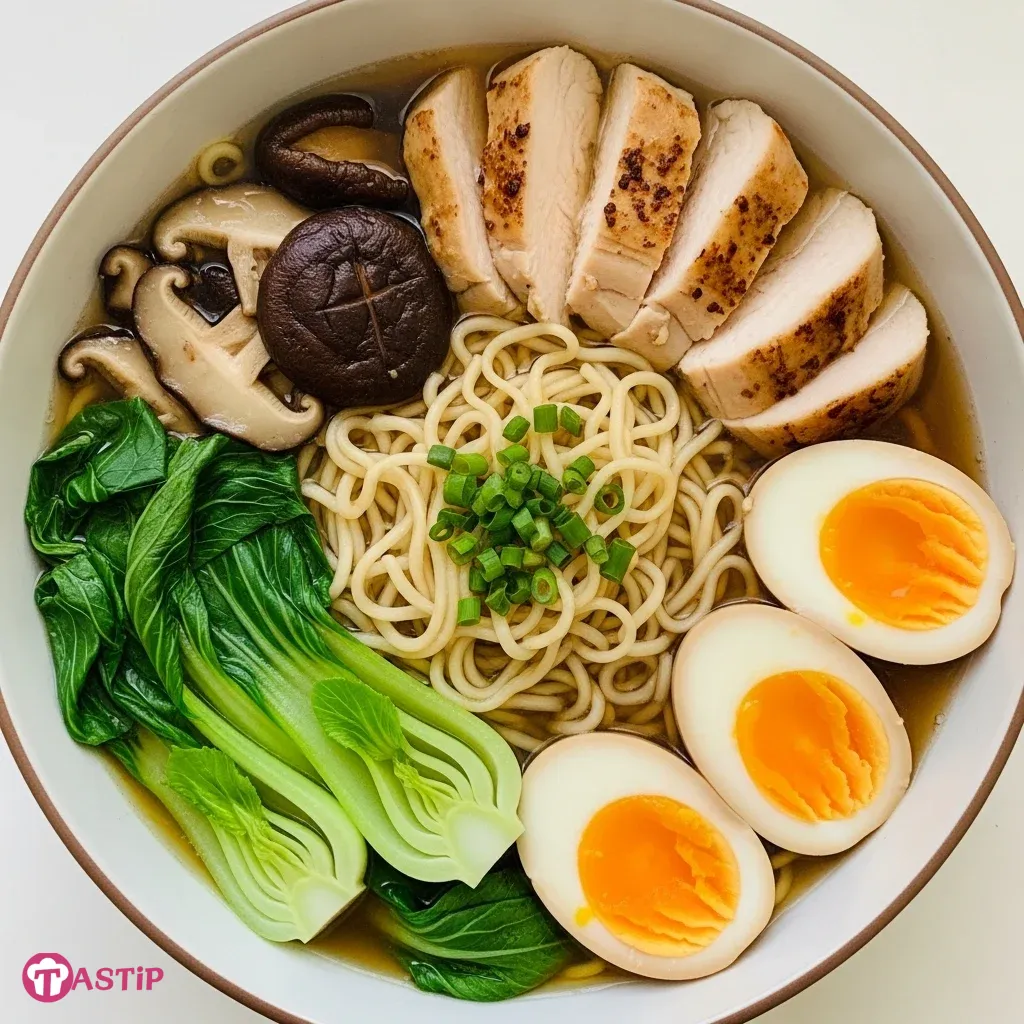
Experience the ultimate comfort in a bowl with this nutrient-dense Chicken Ramen. This recipe delivers a deeply savory umami flavor profile paired with the satisfying texture of tender noodles and crisp vegetables. Unlike traditional instant versions, this version focuses on clean, whole-food ingredients that nourish your body from the inside out.
You will find that the delicate balance of ginger, garlic, and high-quality broth creates an energizing meal perfect for any weeknight. This dish transitions beautifully from a quick kitchen project to a gourmet dining experience. Each spoonful offers a harmonious blend of protein, healthy fats, and complex carbohydrates to keep you feeling vibrant. Let us dive into the art of creating a wholesome Chicken Ramen that satisfies your cravings without compromising your wellness goals.
Why You’ll Love This Chicken Ramen
- Nutrient-Dense Profile: This recipe utilizes fresh aromatics and leafy greens, providing a significant boost of antioxidants and essential vitamins.
- Time-Efficient Preparation: You can achieve a complex, slow-cooked flavor in under 40 minutes, making it ideal for busy professionals and families.
- Customizable and Clean: By controlling the ingredients, you eliminate the hidden sugars and excessive sodium often found in restaurant alternatives.
- Anti-Inflammatory Benefits: The generous use of fresh ginger and garlic supports digestive health and immune function with every bite.
Ingredients You’ll Need
- Organic Chicken Breast or Thighs: Choose high-quality, pasture-raised chicken for the best flavor and fatty acid profile.
- Low-Sodium Bone Broth: This serves as the foundation of your Chicken Ramen, providing collagen and minerals.
- Organic Ramen Noodles: Look for brown rice or whole-wheat ramen noodles to increase fiber content.
- Fresh Ginger and Garlic: These aromatics provide the signature zing and deep medicinal benefits.
- Shiitake Mushrooms: These add a meaty texture and essential vitamin D to your soup.
- Baby Bok Choy: This cruciferous vegetable adds a refreshing crunch and a wealth of vitamin K.
- Soft-Boiled Eggs: A classic topping that adds creamy protein and essential choline.
- Low-Sodium Tamari or Liquid Aminos: These provide the salty, savory “umami” depth without the gluten.
- Toasted Sesame Oil: A finishing oil that offers heart-healthy fats and a nutty aroma.
- Green Onions and Radishes: These fresh garnishes add brightness and a peppery bite to the finished Chicken Ramen.
Substitutions & Variations
Note: This video is for demonstration purposes and may use a slightly different method.

Flexibility remains a cornerstone of a sustainable wellness lifestyle. If you prefer a plant-based version, you can easily substitute the chicken with organic firm tofu or tempeh. Simply sear the tofu until golden before adding it to your Chicken Ramen broth.
For those following a grain-free or Paleo protocol, replace the traditional noodles with zucchini noodles (zoodles) or spaghetti squash. These swaps significantly lower the carbohydrate count while increasing your daily vegetable intake. Furthermore, if you cannot find bok choy, baby spinach or kale work exceptionally well as leafy green alternatives.
You might also consider adding kimchi for a probiotic boost that introduces a spicy, fermented tang to the soup. If you enjoy a bit of heat, a drizzle of sriracha or a spoonful of chili crunch will elevate the spice profile of your Chicken Ramen effortlessly.
For those seeking a nutritious twist on their Chicken Ramen, consider trying elements from a refreshing Chicken Cobb Salad. This recipe provides a perfect complement to the rich broth, enhancing your meal’s flexibility and flavor – check it out here: Chicken Cobb Salad.
Step-by-Step Instructions
- Prepare the Aromatics: Begin by heating a small amount of avocado oil in a large pot over medium heat. Add finely minced garlic and grated ginger, sautéing for about 2 minutes until the fragrance fills your kitchen.
- Sear the Chicken: Season your chicken lightly with sea salt. Place it in the pot and sear each side until golden brown. You do not need to cook it through completely at this stage, as it will continue to simmer in the broth.
- Simmer the Broth: Pour the low-sodium bone broth and tamari into the pot. Bring the liquid to a gentle boil, then reduce the heat to low. Add the sliced shiitake mushrooms and let the Chicken Ramen base simmer for 15 to 20 minutes to develop a deep flavor.
- Cook the Noodles: While the broth simmers, boil a separate pot of water. Cook your organic ramen noodles according to the package instructions, usually about 3 to 4 minutes. Drain them and set them aside. Cooking the noodles separately prevents the broth from becoming too starchy.
- Soft-Boil the Eggs: Place large eggs in boiling water for exactly 6 minutes and 30 seconds. Immediately transfer them to an ice bath. Once cooled, peel them carefully and slice them in half to reveal a jammy yolk.
- Wilting the Greens: During the last 3 minutes of simmering the broth, add the halved baby bok choy. The steam will soften the leaves while keeping the stems crisp.
- Assemble the Bowl: Divide the cooked noodles into deep bowls. Ladle the hot broth and mushrooms over the noodles. Slice the cooked chicken into thin strips and place them on top.
- Garnish and Serve: Top each bowl of Chicken Ramen with a soft-boiled egg, sliced green onions, radishes, and a light drizzle of toasted sesame oil. Serve immediately while the steam carries the aromatic ginger notes.
Pro Tips for Success
To achieve a restaurant-quality Chicken Ramen at home, pay close attention to the temperature of your broth. Never allow the broth to reach a rolling boil for an extended period, as this can make the liquid cloudy and diminish the delicate flavors of the ginger. Instead, maintain a gentle simmer.
Another technical secret involves the “tare,” or the seasoning base. You can whisk together a tablespoon of miso paste with a bit of warm broth and add it to your individual bowl at the end for an extra layer of complexity. Furthermore, always rinse your noodles in cold water after boiling.
This removes excess starch and ensures the noodles maintain a “bouncy” texture rather than becoming mushy in the Chicken Ramen. Lastly, use the freshest ginger possible. If your ginger root looks shriveled, it has lost the essential oils that provide that signature heat and fragrance.
Achieving the ideal flavor balance in your Chicken Ramen is essential, and attention to detail is key. To further refine your culinary skills, explore this Grilled BBQ Chicken recipe that can offer exceptional flavor pairings – learn more here: Grilled BBQ Chicken.
Storage & Reheating Tips
Storing leftover Chicken Ramen requires a specific strategy to maintain the integrity of the ingredients. Always store the broth and the noodles in separate airtight containers. If you store them together, the noodles will absorb all the liquid and become unpleasantly soft.
The broth and chicken will stay fresh in the refrigerator for up to 4 days. When you are ready to enjoy it again, reheat the broth on the stove until it reaches a simmer. Place the cold noodles in a bowl and pour the boiling broth over them; the heat from the liquid will warm the noodles perfectly without overcooking them.
Avoid microwaving the soft-boiled eggs, as they may explode or become rubbery. Instead, let the eggs sit at room temperature for a few minutes before adding them to your warm Chicken Ramen bowl.
What to Serve With This Recipe
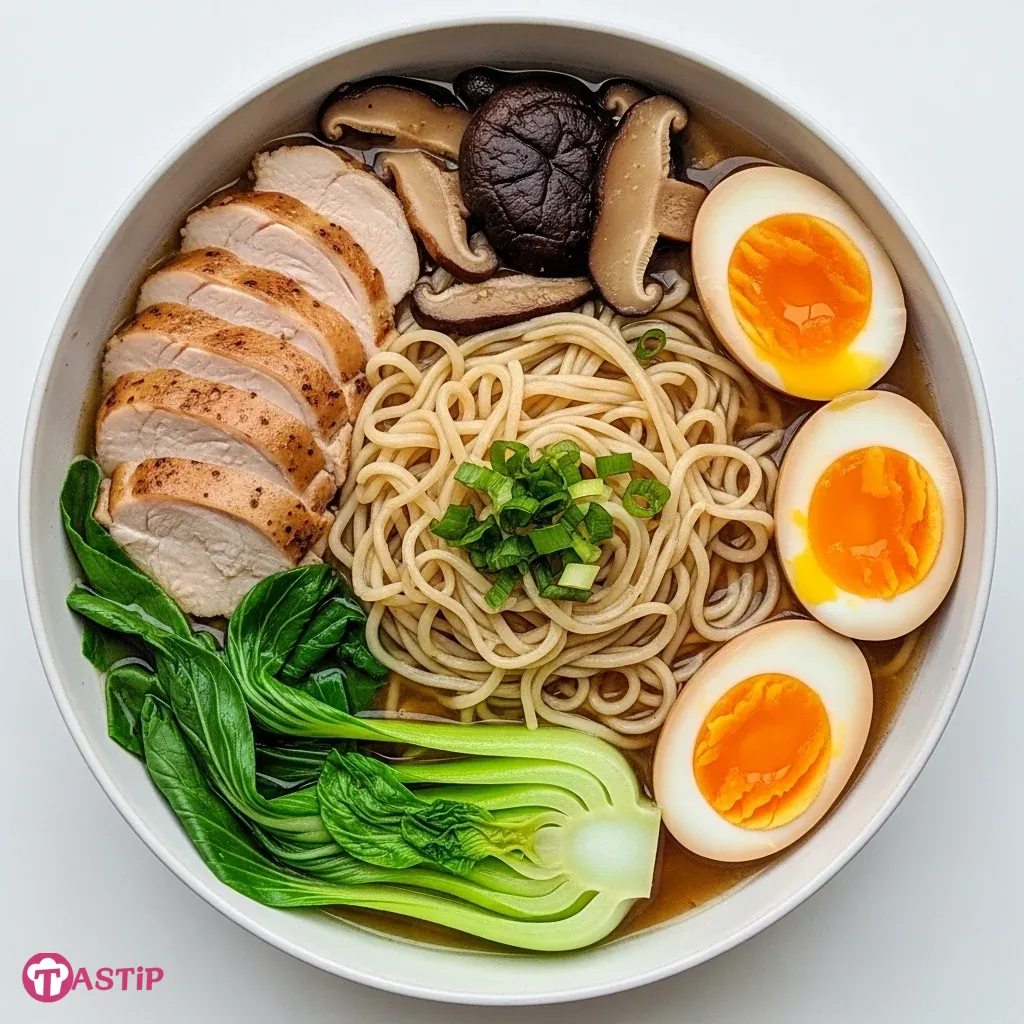
While a bowl of Chicken Ramen serves as a complete meal, pairing it with light side dishes can enhance the dining experience. A crisp cucumber salad dressed in rice vinegar and sesame seeds provides a cooling contrast to the warm, savory soup. You might also consider a side of steamed edamame sprinkled with sea salt for extra plant-based protein and fiber.
For a more vegetable-forward meal, serve your ramen alongside roasted broccoli or charred shishito peppers. These additions provide different textures and flavors that complement the umami profile of the broth. If you are hosting a dinner, a small plate of fresh gyoza (pan-seared dumplings) makes for an excellent appetizer that stays true to the Japanese-inspired theme of your Chicken Ramen feast.
While indulging in Chicken Ramen can be a complete dining experience, pairing it with lighter side dishes can elevate your meal to perfection. For an exciting option, consider pairing your ramen with a side of Korean BBQ Chicken, which brings a unique and delicious flavor – see the recipe here: Korean BBQ Chicken.
FAQs
Can I make this Chicken Ramen gluten-free?
Absolutely. To ensure your Chicken Ramen is entirely gluten-free, use 100% buckwheat soba noodles or brown rice ramen noodles. Additionally, verify that your tamari or liquid aminos are certified gluten-free, as standard soy sauce contains wheat. These simple adjustments maintain the authentic flavor while making the dish accessible for those with gluten sensitivities.
How do I make the broth richer without adding cream?
To add richness to your Chicken Ramen broth without dairy, you can stir in a teaspoon of tahini or creamy almond butter. These nut butters emulsify into the broth, creating a velvety mouthfeel and adding healthy fats. Another option is to simmer a piece of kombu (dried seaweed) in the broth, which naturally enhances the umami depth and mineral content.
Is it safe to use frozen chicken for this recipe?
Yes, you can use frozen chicken for Chicken Ramen, but you must thaw it completely before cooking. Thawing ensures that the chicken cooks evenly and reaches the safe internal temperature of 165°F. For the best texture, thaw the chicken overnight in the refrigerator. If you are in a rush, you can use a cold-water bath to speed up the process safely.
A classic Japanese dish, Chicken Ramen consists of wheat noodles served in a savory broth, often garnished with sliced chicken, green onions, and other toppings. For a deeper dive into its cultural significance and variations, check this informative article on ramen.
Nutrition Information (per serving)
This Chicken Ramen offers a balanced macronutrient profile, focusing on lean protein and complex carbohydrates. The following data represents a standard serving size including noodles, chicken, broth, and one egg.
| Nutrient | Amount per Serving |
|---|---|
| Calories | 450 kcal |
| Protein | 35g |
| Total Fat | 12g |
| Saturated Fat | 3g |
| Carbohydrates | 48g |
| Dietary Fiber | 6g |
| Sugars | 4g |
| Sodium | 850mg |
By preparing this Chicken Ramen at home, you successfully navigate away from the high-sodium pitfalls of processed foods. You are choosing a meal that respects your body’s need for real, vibrant nourishment. I hope this recipe becomes a staple in your wellness journey, bringing warmth and vitality to your table. Enjoy the process of mindful cooking and the incredible flavors that follow.
Print
Chicken Ramen
- Total Time: 40 mins
- Yield: 4 servings 1x
- Diet: Gluten Free
Description
Experience the ultimate comfort in a bowl with this nutrient-dense Chicken Ramen. This recipe delivers a deeply savory umami flavor profile paired with the satisfying texture of tender noodles and crisp vegetables. It focuses on clean, whole-food ingredients that nourish your body, with a delicate balance of ginger, garlic, and high-quality broth creating an energizing meal perfect for any weeknight.
Ingredients
2 Organic Chicken Breasts or Thighs
4 cups Low-Sodium Bone Broth
4 oz Organic Ramen Noodles
1 tbsp Fresh Ginger, grated
2 cloves Fresh Garlic, minced
1 cup Shiitake Mushrooms, sliced
2 Baby Bok Choy, halved
4 Soft-Boiled Eggs
2 tbsp Low-Sodium Tamari or Liquid Aminos
1 tbsp Toasted Sesame Oil
2 Green Onions, sliced
1 Radish, sliced
Instructions
- Prepare the Aromatics: Heat a small amount of avocado oil in a large pot over medium heat. Add finely minced garlic and grated ginger, sautéing for about 2 minutes until fragrant
- Sear the Chicken: Season chicken lightly with sea salt. Place it in the pot and sear each side until golden brow
- Simmer the Broth: Pour the low-sodium bone broth and tamari into the pot. Bring to a gentle boil, reduce heat to low, add shiitake mushrooms, and let simmer for 15 to 20 minutes
- Cook the Noodles: In a separate pot, boil water and cook the ramen noodles according to package instructions, about 3 to 4 minutes. Drain and set aside
- Soft-Boil the Eggs: Boil large eggs for 6 minutes and 30 seconds, then transfer to an ice bath. Once cooled, peel and slice in half
- Wilting the Greens: During the last 3 minutes of simmering, add halved baby bok choy
- Assemble the Bowl: Divide noodles into bowls, ladle the broth and mushrooms over them, and top with sliced chicke
- Garnish and Serve: Top with soft-boiled egg, sliced green onions, radishes, and toasted sesame oil
Notes
To store leftovers, keep broth and noodles in separate containers to prevent noodles from becoming soggy.
- Prep Time: 20 mins
- Cook Time: 20 mins
- Category: Dinner
- Method: Simmering
- Cuisine: Japanese
Nutrition
- Serving Size: 1 bowl
- Calories: 450 kcal
- Sugar: 4g
- Sodium: 850mg
- Fat: 12g
- Saturated Fat: 3g
- Unsaturated Fat: 5g
- Trans Fat: 0g
- Carbohydrates: 48g
- Fiber: 6g
- Protein: 35g
- Cholesterol: 186mg