
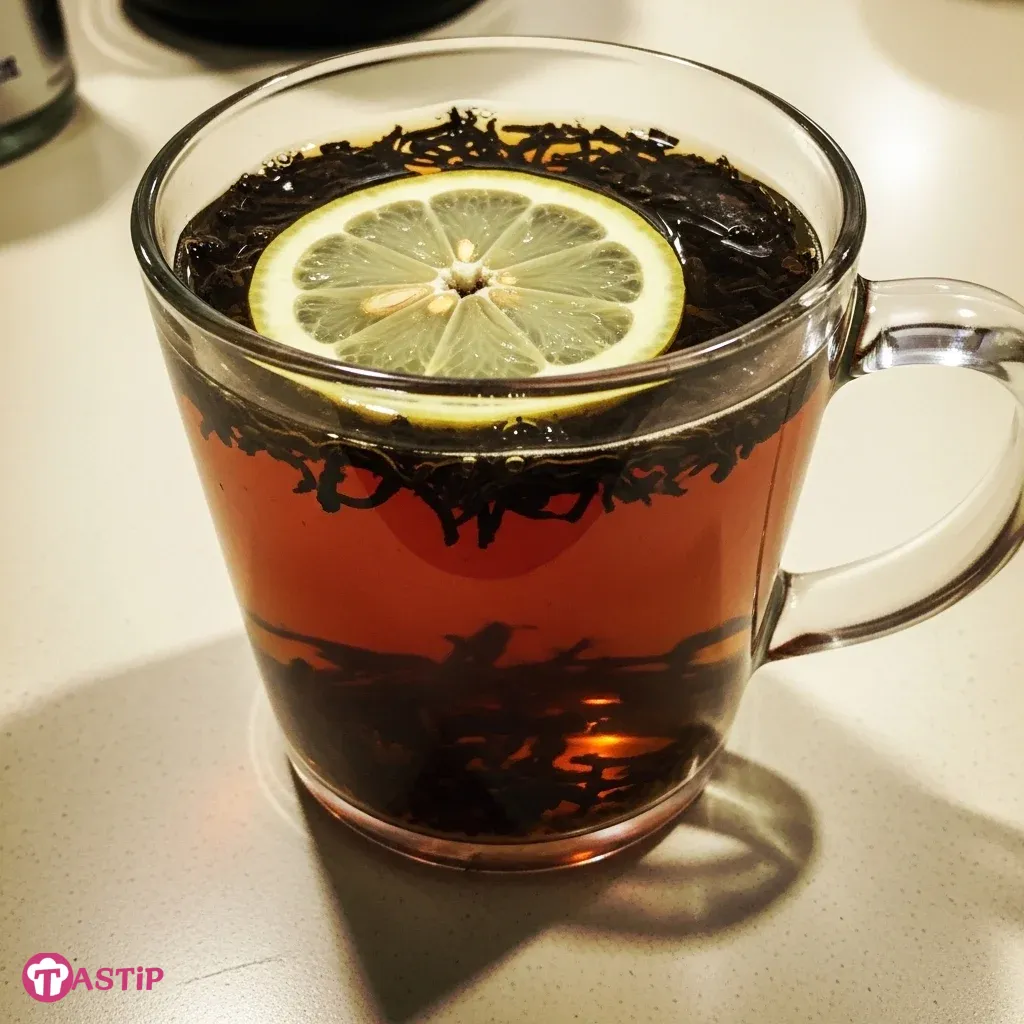
A perfectly brewed cup of Classic Black Tea offers a sensory experience that balances bold maltiness with a crisp, astringent finish. In the test kitchen, I have found that this beverage serves as the ultimate foundation for understanding extraction science. When you master this recipe, you learn exactly how heat and time manipulate delicate organic compounds.
This guide focuses on the precise methodology required to produce a robust, clear, and fragrant infusion every single time. We will move beyond simple “tea bags in a mug” and explore the molecular dance of tannins and polyphenols. By following these steps, you will transform a humble leaf into a sophisticated drink that rivals any high-end cafe offering. Understanding the chemistry of Classic Black Tea ensures that you never suffer through a bitter or watery cup again.
Why You’ll Love Brewing Classic Black Tea
- Unmatched Sensory Depth: You will experience a complex profile ranging from earthy cocoa notes to bright citrus undertones.
- Scientific Simplicity: This recipe utilizes basic kinetic energy to extract maximum flavor with minimal effort.
- Natural Health Boost: Every sip delivers a concentrated dose of heart-healthy flavonoids and clean caffeine.
- Versatile Foundation: A strong Classic Black Tea serves as the perfect base for iced drinks, lattes, or medicinal infusions.
Ingredients You’ll Need
The quality of your Classic Black Tea depends entirely on two variables: the chemistry of your water and the integrity of your tea leaves. In my experience, using tap water often introduces chlorine and heavy minerals that mute the tea’s natural bright notes. I highly recommend using filtered spring water to allow the tea’s true terroir to shine.
| Ingredient | Quantity | Scientific Purpose |
|---|---|---|
| Loose-Leaf Black Tea (Assam or Ceylon) | 2 Teaspoons (approx. 5 grams) | Provides the surface area for optimal polyphenol extraction. |
| Filtered Spring Water | 12 Ounces (350 ml) | Acts as the solvent for flavor compounds without mineral interference. |
| Optional: Raw Honey or Stevia | To taste | Softens the astringency of the tannins if desired. |
| Optional: Fresh Lemon Slice | 1 Thin Slice | The acidity helps break down tea “scum” and brightens the liquor. |
Substitutions & Variations
Note: This video is for demonstration purposes and may use a slightly different method.

While a Classic Black Tea is stunning on its own, you may occasionally want to pivot for health or flavor reasons. If you are sensitive to caffeine, you can substitute the standard leaves with a high-quality decaffeinated black tea; however, ensure it was processed using the CO2 method to preserve the flavor. For a creamy variation without the dairy, a splash of unsweetened oat milk provides a luxurious mouthfeel that complements the tea’s natural maltiness perfectly.
If you want to avoid sugar entirely, try adding a cinnamon stick during the steeping process. The cinnamon releases cinnamaldehyde, which tricks the brain into perceiving sweetness without adding any glucose.
While a Classic Black Tea is stunning on its own, you may occasionally want to pivot for health or flavor reasons. For a refreshing alternative, consider trying a Classic Iced Coffee by checking out this great recipe Classic Iced Coffee.
Step-by-Step Instructions
- Prepare the Vessel: Begin by rinsing your teapot or mug with hot water. This step is crucial because it prevents the vessel from “stealing” heat from the brewing water, ensuring your Classic Black Tea stays at the optimal extraction temperature.
- Heat the Solvent: Bring your filtered water to a rolling boil (212°F or 100°C). Unlike green tea, which requires cooler water to avoid scalding, Classic Black Tea is fully oxidized. This means it requires the highest possible thermal energy to break down the tough cellular structures of the dried leaves.
- Measure the Leaves: Place two teaspoons of loose-leaf tea into a stainless steel infuser or directly into the warmed teapot. Using loose leaves instead of bags allows for the “agony of the leaf,” a term we chefs use to describe the full expansion and rehydration of the tea fibers.
- The Primary Infusion: Pour the boiling water directly over the leaves. Immediately cover the vessel to trap the volatile aromatic compounds. If you leave the pot uncovered, the most delicate floral notes will evaporate into the air rather than staying in your cup.
- Timed Extraction: Allow the Classic Black Tea to steep for exactly 3 to 5 minutes. At the three-minute mark, the caffeine is fully extracted. Between the three and five-minute marks, the tannins begin to release, providing the body and “bite” that defines a Classic Black Tea.
- The Separation: Remove the infuser or strain the tea into your cup. Do not squeeze the leaves or the tea bag. Squeezing forces out excess tannins, which will make your beverage unpleasantly bitter and cloudy.
- Final Adjustment: Allow the tea to sit for one minute to reach a drinkable temperature. This brief rest allows the flavor profile to stabilize. Add your healthy sweeteners or lemon at this stage if desired.
Pro Tips for Success
To achieve the absolute best Classic Black Tea, you must respect the water-to-leaf ratio. Many people make the mistake of using too much water for too little tea, resulting in a thin, “paper-like” taste. Furthermore, pay attention to the “tea scum” that sometimes forms on the surface.
This is actually a reaction between the tea’s polyphenols and the calcium carbonate in your water. If you see this, switch to a more purified water source immediately.
Another professional secret involves the storage of your Classic Black Tea leaves. Light, heat, and moisture are the enemies of flavor. Always store your leaves in an opaque, airtight container in a cool, dark cupboard. Never store tea in the refrigerator, as the leaves will absorb the odors of surrounding foods and moisture will cause premature degradation of the oils.
Lastly, consider the “rinse” technique. Some enthusiasts pour a small amount of hot water over the leaves and discard it after 10 seconds before starting the main steep. This “awakens” the leaves and removes any dust, leading to a much cleaner and more vibrant Classic Black Tea.
To achieve the absolute best Classic Black Tea, you must respect the water-to-leaf ratio. To perfect your dessert experience, try pairing it with a slice of a creamy Classic Cheesecake, which you can find in this lovely recipe Classic Cheesecake.
Storage & Reheating Tips
If you find yourself with extra Classic Black Tea, do not throw it away. You can store brewed tea in a glass jar in the refrigerator for up to 48 hours. However, do not reheat it in the microwave.
Microwaving creates uneven hot spots and can further oxidize the tannins, leading to a “metallic” aftertaste. Instead, enjoy the leftover tea over ice. If you must have it hot, gently warm it in a small saucepan over low heat until it just begins to steam. To maintain the highest quality, I always recommend brewing a fresh cup, as the volatile oils begin to dissipate the moment the tea leaves the heat.
What to Serve With This Recipe
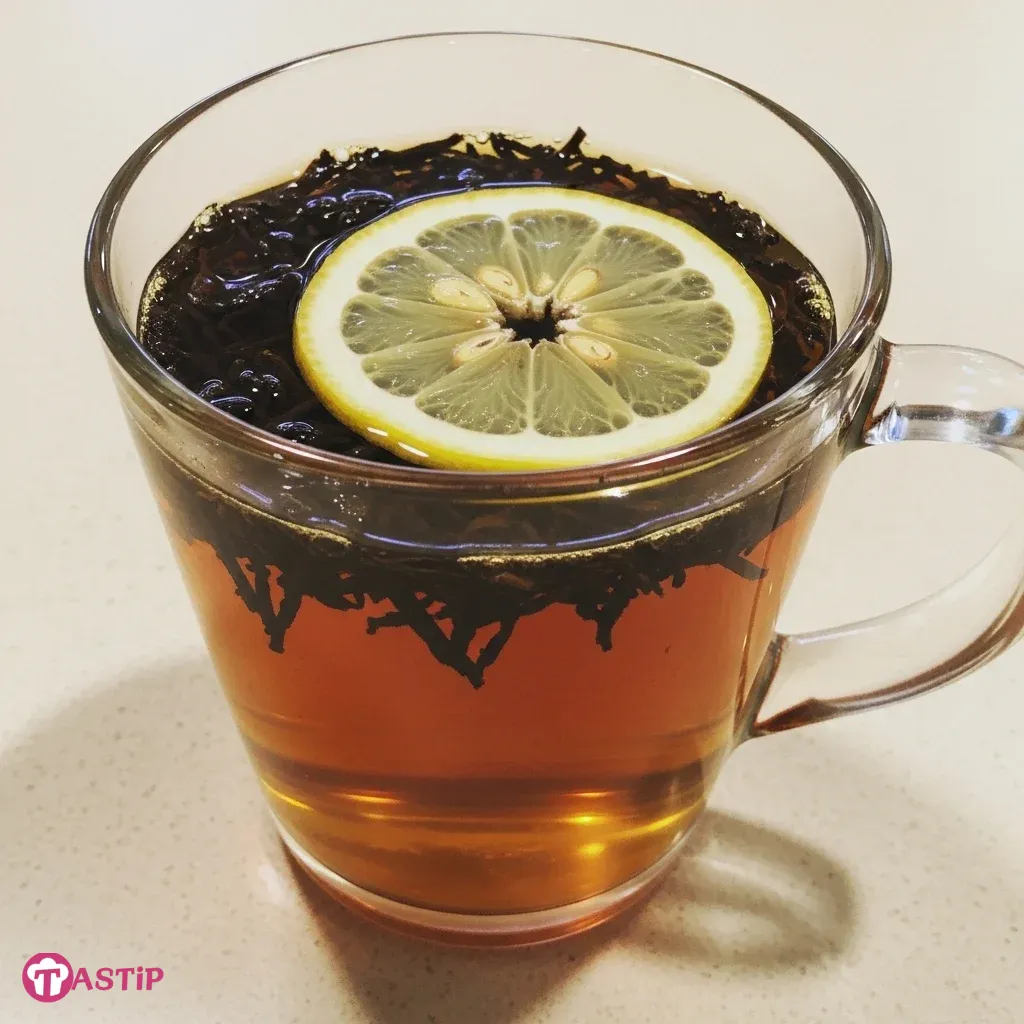
Because Classic Black Tea possesses significant tannins, it acts as a palate cleanser. This makes it an exceptional partner for foods that contain healthy fats or natural sugars.
- Fresh Berries: The acidity of raspberries or blackberries cuts through the tea’s earthiness.
- Roasted Almonds: The smoky notes of a roasted nut harmonize beautifully with the malty profile of an Assam-based Classic Black Tea.
- Avocado Toast: The healthy fats in the avocado are balanced by the tea’s astringency, creating a clean finish on the tongue.
- Greek Yogurt: A bowl of tart yogurt with a drizzle of honey provides a creamy contrast to the sharp, brisk nature of the tea.
Because Classic Black Tea possesses significant tannins, it acts as a palate cleanser, making it an exceptional partner for foods. For a beautifully complementary dish, consider enjoying a bowl of Classic Potato Soup, which enhances the tea’s flavor—explore the recipe here Classic Potato Soup.
FAQs
Why does my Classic Black Tea always taste bitter?
Bitterness is usually the result of over-steeping or using water that is too hot for too long. If you leave the leaves in the water for more than five minutes, the tannins become overwhelming. Additionally, never squeeze your tea bags, as this releases the most bitter compounds trapped inside the leaf fibers.
Can I re-steep the same leaves for a second cup?
Yes, high-quality loose-leaf Classic Black Tea can often be steeped twice. The second infusion will be lighter and lower in caffeine but will often reveal softer, sweeter notes that were hidden during the first, more aggressive steep. Increase the steeping time by one minute for the second round.
What is the difference between Classic Black Tea and Orange Pekoe?
“Orange Pekoe” is not actually a flavor or a type of orange; it is a grading system used to describe the size and condition of the leaves. A Classic Black Tea can be made from Orange Pekoe grade leaves, which generally indicates whole, high-quality leaves rather than the “dust and fannings” found in lower-grade tea bags.
Classic Black Tea is a richly flavored beverage known for its robust taste and potential health benefits. It is a popular choice enjoyed by tea lovers worldwide, often regarded for its antioxidant properties and energizing effects that can enhance cognitive function when consumed in moderation. You can learn more about its origins and variations by visiting this detailed entry on black tea.
Nutrition Information (per serving)
One of the greatest benefits of Classic Black Tea is its nearly non-existent caloric footprint. When consumed without added sugars or fats, it is a metabolic-friendly beverage that fits into almost any dietary plan.
| Nutrient | Amount per 12 oz Serving |
|---|---|
| Calories | 2 kcal |
| Total Fat | 0g |
| Sodium | 5mg |
| Total Carbohydrates | 0.5g |
| Protein | 0g |
| Caffeine | 47mg – 70mg |
By focusing on these technical details, you can elevate your Classic Black Tea from a simple beverage to a masterpiece of kitchen science. Remember that the key variables are always water quality, temperature, and time. Once you control these, you control the flavor.
Enjoy the process of finding your perfect balance and savor the rich, historical complexity that only a Classic Black Tea can provide. Happy brewing!
Print
Classic Black Tea
- Total Time: 10 mins
- Yield: 1 serving 1x
- Diet: Gluten Free
Description
Classic Black Tea is a robust and fragrant beverage that balances bold maltiness with a crisp finish. It serves as an excellent foundation for various drinks and helps you understand extraction science in brewing.
Ingredients
5 grams Loose-Leaf Black Tea (Assam or Ceylon)
350 ml Filtered Spring Water
Optional: Raw Honey or Stevia to taste
Optional: 1 Thin Slice Fresh Lemo
Instructions
- Rinse your teapot or mug with hot water to prevent heat loss
- Bring 350 ml of filtered water to a rolling boil (212°F or 100°C)
- Place 5 grams of loose-leaf black tea into a stainless steel infuser or warmed teapot
- Pour the boiling water directly over the leaves and cover the vessel
- Let the tea steep for 3 to 5 minutes, adjusting to taste
- Remove the infuser or strain the tea into your cup without squeezing the leaves
- Allow the tea to sit for one minute, then add sweeteners or lemon if desired
Notes
Use filtered water to avoid chlorine and heavy minerals.
Store tea leaves in an opaque, airtight container away from light, heat, and moisture.
- Prep Time: 5 mins
- Cook Time: 5 mins
- Category: Beverage
- Method: Brewing
- Cuisine: British
Nutrition
- Serving Size: 12 oz
- Calories: 2 kcal
- Sugar: 0 g
- Sodium: 5 mg
- Fat: 0 g
- Saturated Fat: 0 g
- Unsaturated Fat: 0 g
- Trans Fat: 0 g
- Carbohydrates: 0.5 g
- Fiber: 0 g
- Protein: 0 g
- Cholesterol: 0 mg