
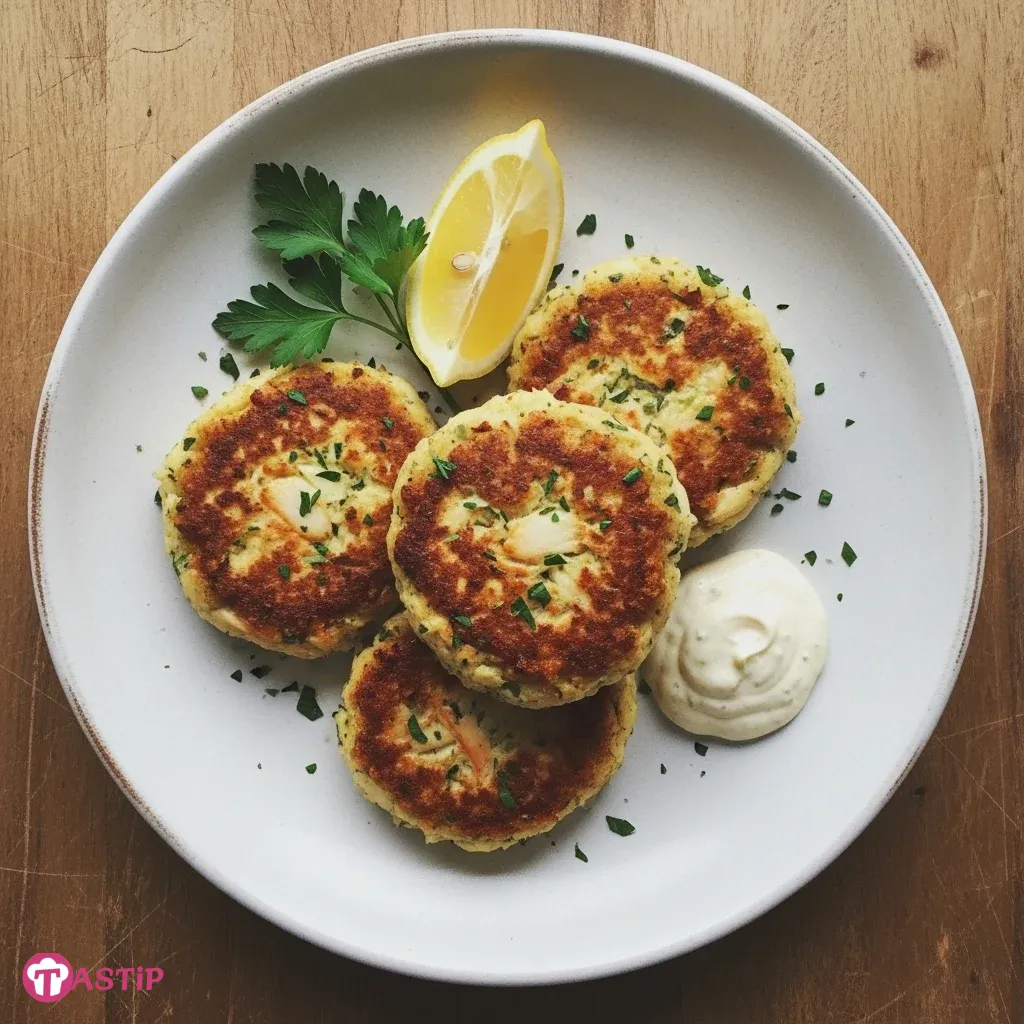
Achieving the perfect balance in Classic Crab Cakes requires more than just luck; it requires a deep understanding of protein binding and thermal control. I have spent years in test kitchens refining the ratio of lump meat to filler to ensure every bite delivers maximum oceanic sweetness with a delicate, golden crust. These cakes rely on high-quality blue crab and a specific chilling process to maintain their structural integrity without over-relying on heavy breading.
When you master the science behind the binder, you create a dish that is light, savory, and structurally sound. Understanding the “why” behind the chill time ensures your Classic Crab Cakes never fall apart in the pan. Let us dive into the mechanics of this coastal staple to elevate your culinary repertoire.
Why You’ll Love This Recipe (Classic Crab Cakes)
- Superior Texture: This recipe uses a minimal amount of binder, which puts the spotlight on the large, succulent lumps of crab meat rather than breadcrumbs.
- Nutrient Dense: By focusing on high-quality protein and healthy fats, these Classic Crab Cakes provide a satiating meal rich in omega-3 fatty acids and minerals.
- Scientific Precision: The methodology ensures a perfect Maillard reaction every time, resulting in a crispy exterior and a moist, tender interior.
- Quick Execution: Once the mixture sets, the actual cooking time is incredibly brief, making this an efficient yet elegant dinner option.
Ingredients You’ll Need
Success in making Classic Crab Cakes begins with the chemistry of your ingredients. You must prioritize freshness, as the delicate proteins in crab meat degrade quickly. I recommend using “Lump” or “Colossal” grade crab for the best structural results.
The binder consists of an emulsion of egg and mayonnaise, which acts as the “glue” that holds the protein fibers together without masking their flavor. Below is the precise breakdown of what you will need.
| Ingredient | Amount | Purpose |
|---|---|---|
| Lump Crab Meat | 1 pound (16 oz) | Primary protein and flavor source. |
| Mayonnaise | 1/4 cup | Provides moisture and fat for emulsification. |
| Large Egg | 1 unit | The primary structural binder (protein). |
| Dijon Mustard | 1 tablespoon | Acts as an emulsifier and adds acidity. |
| Old Bay Seasoning | 1.5 teaspoons | The essential aromatic spice profile. |
| Fresh Lemon Juice | 1 teaspoon | Brightens the flavor and denatures proteins slightly. | 1/2 cup | Provides structural support and surface area for browning. | 2 tablespoons | Adds chlorophyll and fresh herbal notes. |
Substitutions & Variations
Note: This video is for demonstration purposes and may use a slightly different method.

If you are looking to adjust the nutritional profile of your Classic Crab Cakes, there are several scientifically sound swaps you can make. To reduce the saturated fat content, you can replace the mayonnaise with an equal amount of plain Greek yogurt. The acidity in the yogurt actually helps to tenderize the crab meat further, though the flavor will be slightly tangier.
If you are following a gluten-free lifestyle, substitute the panko breadcrumbs with almond flour or crushed gluten-free crackers. Almond flour provides a wonderful nutty undertone and healthy monounsaturated fats. For a lower-sodium version, replace the standard seafood seasoning with a blend of smoked paprika, celery seed, and black pepper. These variations allow you to customize your Classic Crab Cakes while maintaining the essential protein-to-binder ratio required for success.
If you’re interested in enhancing the nutritional value of your Classic Crab Cakes, consider trying a delicious side drink to cleanse your palate. Pair it with a refreshing Classic Iced Coffee to balance the richness of your dish.
Step-by-Step Instructions
- Inspect the Crab Meat: Gently spread the crab meat onto a flat sheet pan. Use your fingers to feel for any small bits of shell or cartilage. Do not over-handle the meat, as you want to keep the large lumps intact for the best Classic Crab Cakes texture.
- Prepare the Emulsion: In a small mixing bowl, whisk together the egg, mayonnaise, Dijon mustard, Old Bay, and lemon juice. Whisking these ingredients first ensures a stable emulsion. This prevents the oil in the mayo from separating during the cooking process.
- Combine the Elements: Sprinkle the panko and parsley over the crab meat. Gently pour the liquid emulsion over the top. Using a rubber spatula, fold the mixture with extreme care. Your goal is to coat every lump of crab without breaking them into smaller pieces.
- Form the Cakes: Divide the mixture into six equal portions. Gently shape them into mounds about 1.5 inches thick. Do not pack them too tightly; a looser pack allows heat to penetrate more evenly, ensuring the center of your Classic Crab Cakes reaches a safe temperature without overcooking the exterior.
- The Critical Chill: Place the formed cakes on a parchment-lined plate and refrigerate for at least 30 to 60 minutes. This is the most important step. Cold temperatures allow the proteins in the egg and crab to bond and the breadcrumbs to hydrate, which prevents the cakes from falling apart in the pan.
- The Searing Process: Heat a cast-iron or non-stick skillet over medium-high heat. Add a tablespoon of high-smoke-point oil (like avocado oil). Place the Classic Crab Cakes in the pan and cook for 3-4 minutes per side. You are looking for a deep golden brown color, which signifies that the Maillard reaction has occurred, creating complex flavor compounds.
Pro Tips for Success
As a chef, I cannot stress the importance of temperature control enough. If your pan is too cold, the Classic Crab Cakes will absorb the oil and become greasy. Conversely, if the pan is too hot, the exterior will burn before the egg binder in the center has a chance to coagulate.
Use an instant-read thermometer to check the internal temperature; you are aiming for 145°F (63°C). Furthermore, always let your crab meat reach a uniform cold temperature before mixing. If the crab is warm, the mayonnaise will lose its viscosity, making the mixture difficult to handle.
Another tip is to use a cookie scoop to portion the cakes. This ensures they are all the same size and will cook at the exact same rate. Finally, avoid the urge to flip the cakes more than once. Every time you flip, you risk breaking the delicate structural bonds of your Classic Crab Cakes.
Temperature regulation is crucial in ensuring that your Classic Crab Cakes turn out flawlessly. For dessert afterward, treat your guests to a slice of Classic Cheesecake which will provide a sweet contrast to your savory entrée.
Storage & Reheating Tips
If you have leftover Classic Crab Cakes, storage is simple but requires care to maintain texture. Place them in an airtight container with layers of parchment paper between them to prevent sticking. They will stay fresh in the refrigerator for up to two days.
However, do not freeze cooked crab cakes, as the ice crystals will damage the delicate protein structures and result in a mushy texture upon thawing. When it comes to reheating, avoid the microwave at all costs. The microwave vibrates water molecules, which can make the crab rubbery and the crust soggy.
Instead, reheat them in a 350°F oven for about 10 minutes or in an air fryer for 3-5 minutes. This restores the crispness of the exterior while gently warming the center, keeping your Classic Crab Cakes as delicious as the day they were made.
What to Serve With This Recipe
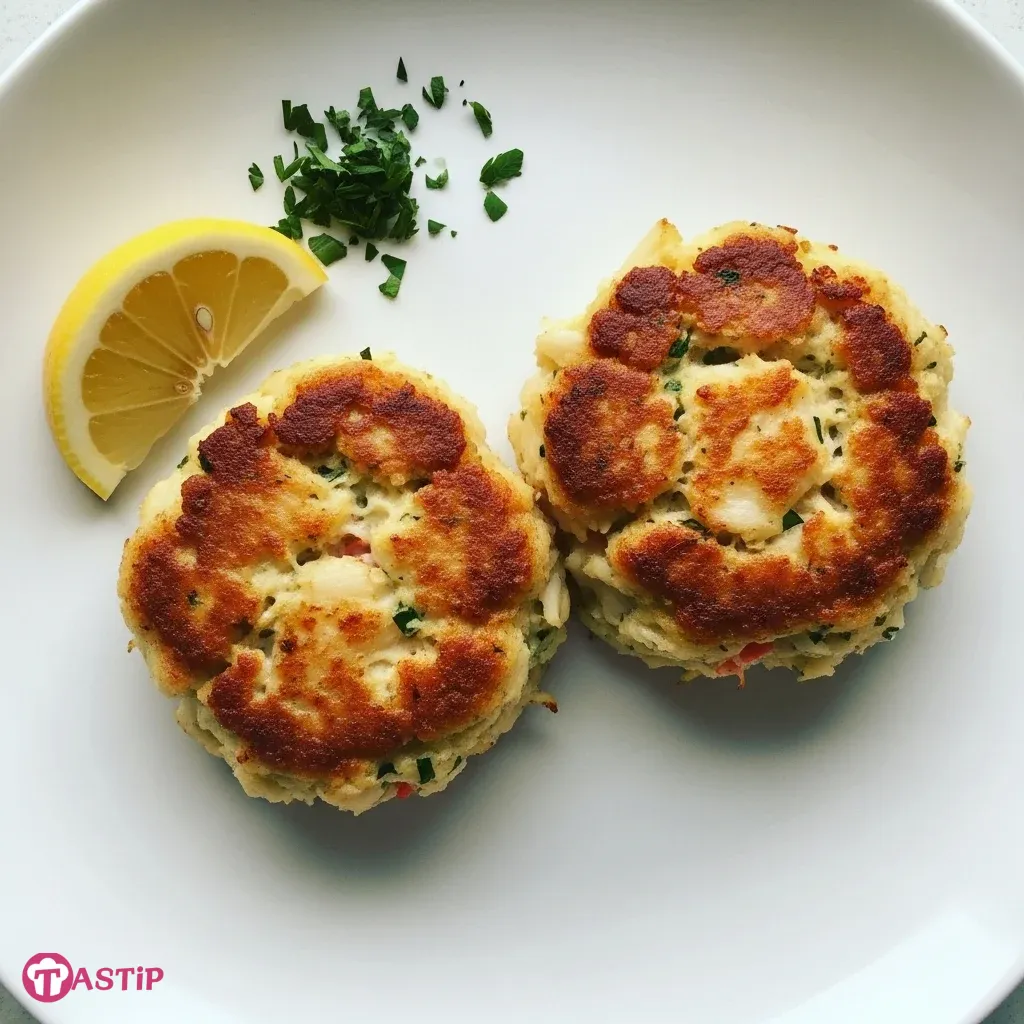
To complement the richness of Classic Crab Cakes, you should select side dishes that offer acidity or a crisp texture. A bright arugula salad with a lemon-shallot vinaigrette is the perfect pairing; the peppery greens cut through the fattiness of the binder. Roasted asparagus or charred broccolini also provide a wonderful earthy contrast.
If you prefer a more traditional route, a light vinegar-based coleslaw offers a refreshing crunch without the heaviness of more mayonnaise. For a starch, consider roasted fingerling potatoes seasoned with sea salt and rosemary. These healthy pairings ensure that the Classic Crab Cakes remain the star of the show while providing a balanced, nutritious plate for your guests.
To complement the flavors of your Classic Crab Cakes, consider serving side dishes that bring freshness and acidity. A bowl of Classic Potato Soup can provide a heartwarming contrast on a chilly evening.
FAQs
Can I bake these instead of pan-searing them?
Yes, you can bake Classic Crab Cakes if you prefer a hands-off approach. Pre-heat your oven to 400°F and place the cakes on a greased baking sheet. Lightly spritz the tops with olive oil spray to encourage browning.
Bake for 12-15 minutes until golden. While you won’t get the same intense crust as pan-searing, baking is a healthier, lower-fat alternative that still yields a delicious result.
What is the difference between “Lump” and “Backfin” crab meat?
Lump crab meat consists of large pieces of body meat, whereas backfin is a blend of smaller broken lumps and some flake meat. For Classic Crab Cakes, lump meat is superior because it provides a more luxurious mouthfeel and better structural integrity. Backfin is perfectly acceptable for soups or dips, but for a high-quality cake, the larger pieces are worth the investment.
Why do my crab cakes always fall apart?
The most common reason Classic Crab Cakes fall apart is skipping the refrigeration step. Cold temperatures are required for the “setting” of the binder. Additionally, if your mixture is too wet, you may need to add a tablespoon more of panko. Ensure you are not over-mixing the ingredients, as breaking the crab into tiny pieces reduces the surface area available for the binder to grab onto.
Classic Crab Cakes are a beloved dish rooted in culinary tradition, offering a delectable blend of flavors and textures. They exemplify the balance between quality ingredients and careful cooking techniques, much like the art of cooking in general.
Nutrition Information (per serving)
This nutritional profile reflects one large crab cake prepared according to the standard recipe. Classic Crab Cakes are an excellent source of lean protein and essential minerals like selenium and zinc.
| Metric | Amount per Serving |
|---|---|
| Calories | 210 kcal |
| Protein | 18g |
| Total Fat | 11g |
| Carbohydrates | 9g |
| Fiber | 1g |
| Sodium | 480mg |

Classic Crab Cakes
- Total Time: 30 mins
- Yield: 4 servings 1x
- Diet: Gluten Free Option Available
Description
Classic Crab Cakes are a delightful coastal dish that showcases the natural sweetness of crab meat with a perfect balance of flavors and textures. This recipe emphasizes the importance of using high-quality lump or colossal crab meat and a precise method for binding and cooking, resulting in cakes that are crispy on the outside and tender on the inside.
Ingredients
1 pound Lump Crab Meat
1/4 cup Mayonnaise
1 unit Large Egg
1 tablespoon Dijon Mustard
1.5 teaspoons Old Bay Seasoning
1 teaspoon Fresh Lemon Juice
1/2 cup Panko Breadcrumbs
2 tablespoons Fresh Parsley
Instructions
- Inspect the Crab Meat: Gently spread the crab meat onto a flat sheet pan. Use your fingers to feel for any small bits of shell or cartilage
- Prepare the Emulsion: In a small mixing bowl, whisk together the egg, mayonnaise, Dijon mustard, Old Bay, and lemon juice
- Combine the Elements: Sprinkle the panko and parsley over the crab meat. Gently pour the liquid emulsion over the top and fold the mixture with care
- Form the Cakes: Divide the mixture into six equal portions and shape them into mounds about 1.5 inches thick
- The Critical Chill: Refrigerate the formed cakes for at least 30 to 60 minutes
- The Searing Process: Heat a skillet over medium-high heat, add oil, and cook the crab cakes for 3-4 minutes per side
Notes
For a healthier option, you can bake the crab cakes at 400°F for 12-15 minutes instead of pan-searing.
Ensure not to over-mix the crab meat to keep large lumps intact for better texture.
- Prep Time: 20 mins
- Cook Time: 10 mins
- Category: Dinner
- Method: Pan-searing
- Cuisine: American
Nutrition
- Serving Size: 1 crab cake
- Calories: 210 kcal
- Sugar: 0 g
- Sodium: 480 mg
- Fat: 11 g
- Saturated Fat: 2 g
- Unsaturated Fat: 9 g
- Trans Fat: 0 g
- Carbohydrates: 9 g
- Fiber: 1 g
- Protein: 18 g
- Cholesterol: 90 mg