
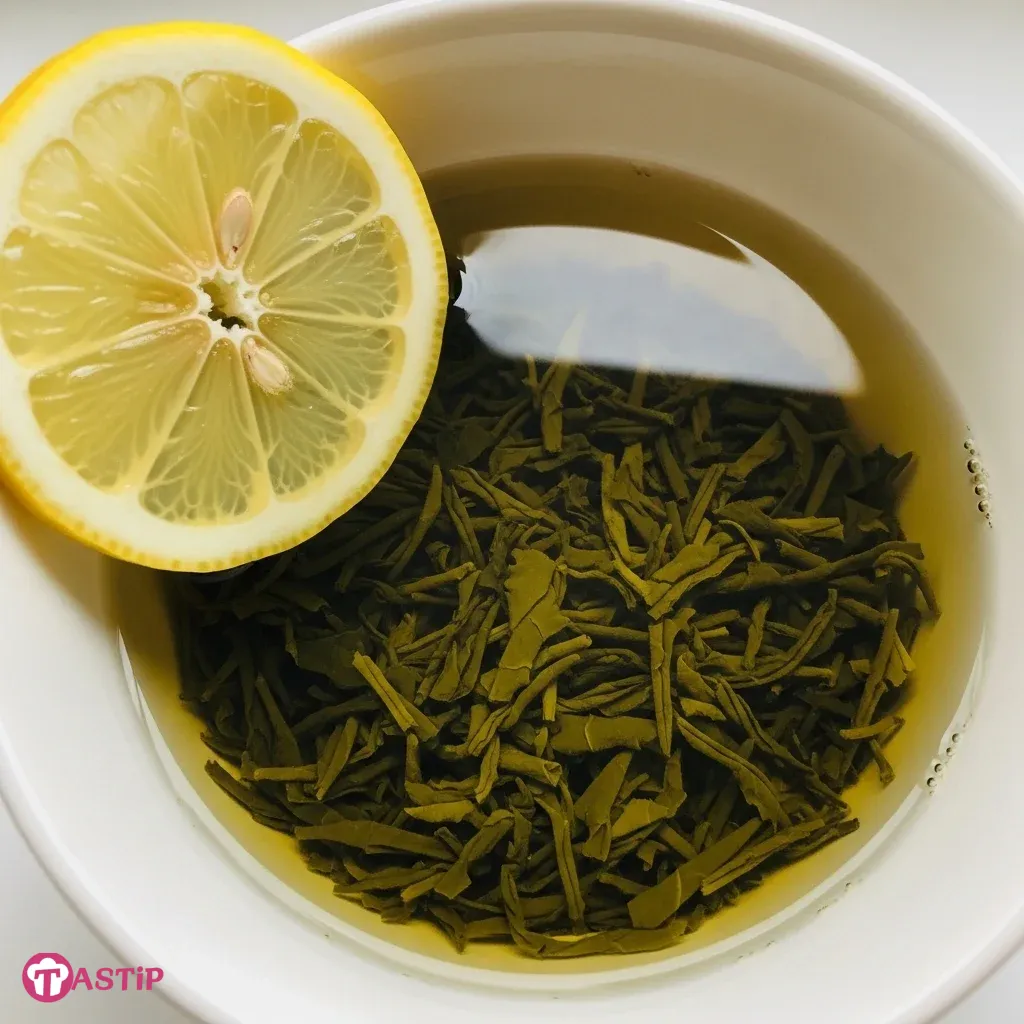
Finding a moment of calm in a busy day feels like a luxury, yet Green Tea offers that serenity in every sip. This ancient beverage provides a delicate balance of earthy, grassy notes and a subtle sweetness that awakens the senses without overwhelming them. Unlike the jittery spike of coffee, this drink delivers a smooth, focused energy that lingers gently.
You will appreciate the clean, crisp texture and the vibrant golden-green hue of a perfectly brewed cup. As a nutritionist, I recommend this ritual for anyone seeking a nutrient-dense way to hydrate and heal. Preparing a high-quality cup of Green Tea requires patience and precision, but the rewards for your body and mind are truly immense.
Why You’ll Love This Green Tea Recipe
- Metabolic Powerhouse: This drink naturally boosts your resting metabolic rate and promotes efficient fat oxidation.
- Sustained Mental Clarity: The unique combination of L-theanine and caffeine creates a “calm alertness” that enhances cognitive function.
- Antioxidant Rich: Every cup overflows with polyphenols and catechins that combat oxidative stress and support cellular health.
- Quick and Minimalist: You only need two primary components and five minutes to create a world-class wellness elixir.
- Clean and Pure: This recipe contains zero artificial additives, ensuring you consume only the most potent plant nutrients.
Ingredients You’ll Need
To brew the most effective Green Tea, you must prioritize the quality of your source materials. Cheap tea bags often contain “dust” or fannings, which lack the complex phytonutrients found in whole leaves. I always advocate for organic, loose-leaf varieties to avoid pesticide residue and maximize the flavor profile.
| Ingredient | Quantity | Health Benefit |
|---|---|---|
| Loose-leaf Green Tea (Sencha or Dragonwell) | 1-2 Teaspoons | High EGCG content for heart health and immunity. |
| Filtered Water | 8 Ounces | Ensures purity and prevents mineral interference with tea flavor. |
| Fresh Lemon Slice (Optional) | 1 Slice | Vitamin C increases antioxidant absorption by up to five times. |
| Raw Honey or Stevia (Optional) | To taste | Provides natural sweetness without a massive glycemic spike. |
| Fresh Ginger (Optional) | 1 Small knob | Adds anti-inflammatory properties and a spicy kick. |
Substitutions & Variations
Note: This video is for demonstration purposes and may use a slightly different method.

While a classic cup of Green Tea is perfection on its own, you can customize your experience based on your specific wellness goals.
- The Matcha Swap: If you want a more concentrated dose of nutrients, substitute the loose leaves with 1 teaspoon of ceremonial grade Matcha powder. You will consume the entire leaf, multiplying the antioxidant intake.
- Temperature-Controlled Jasmine: If you find the grassy taste too strong, use Jasmine-infused leaves. The floral aroma provides a soothing aromatherapy experience alongside the nutritional benefits.
- Iced Antioxidant Refresher: During summer months, brew the tea at a higher concentration and pour it over ice. Add fresh mint leaves to enhance the cooling effect and aid digestion.
- Decaffeinated Option: If you are sensitive to stimulants, look for CO2-processed decaf Green Tea. This method preserves most of the healthy catechins compared to chemical decaffeination.
- Hojicha Variation: For a nuttier, toastier flavor with lower caffeine, try roasted Green Tea (Hojicha). It feels incredibly grounding during the autumn and winter seasons.
While there are many ways to enjoy Green Tea, elevating your experience with a Matcha Green Tea Smoothie can offer deeper nutritional benefits. Try switching to this nutrient-dense option by checking out the recipe here: Matcha Green Tea Smoothie.
Step-by-Step Instructions
- Heat the Water: Fill your kettle with fresh, filtered water. Heat the water until it reaches approximately 175°F to 180°F (80°C). Never use boiling water, as it scorches the delicate leaves and creates a bitter taste.
- Prepare the Vessel: Rinse your teapot or mug with a small amount of hot water to warm the ceramic. This maintains a consistent temperature during the steeping process for your Green Tea.
- Measure the Leaves: Place 1 to 2 teaspoons of loose leaves into a high-quality stainless steel or silicone infuser. Ensure the leaves have enough room to expand fully.
- The Initial Pour: Pour the heated water gently over the leaves. Watch as the leaves begin to unfurl, a process often called “the agony of the leaves.”
- Steep Mindfully: Allow the Green Tea to steep for exactly 2 to 3 minutes. I recommend starting with 2 minutes for a lighter flavor. Set a timer to avoid over-extraction.
- Remove and Enjoy: Lift the infuser out of the water immediately. If you leave the leaves in, the tea will turn astringent and lose its subtle sweetness.
- Customize: Add a squeeze of fresh lemon or a drop of raw honey if desired. Sip slowly and enjoy the revitalizing energy.
Pro Tips for Success
Experience the full potential of your Green Tea by following these expert-level tips. First, always check the “harvest date” on your tea packaging. Freshness matters immensely; tea older than a year loses its potent scent and antioxidant profile.
Second, consider the water quality. Tap water often contains chlorine or heavy minerals that mask the nuanced flavors of the tea. Using a carbon-filtered pitcher makes a noticeable difference in the final result.
Furthermore, understand the “first wash” technique. Some enthusiasts pour a tiny amount of hot water over the leaves and discard it after 5 seconds. This “awakens” the leaves and removes any residual dust from processing.
When you pour the second round of water for the actual steep, the Green Tea tastes much cleaner. Finally, do not squeeze the tea bag or the infuser when removing it. Squeezing releases excess tannins, which contribute to a harsh, dry mouthfeel.
To truly enhance your Green Tea experience, consider incorporating tips from our expert level resource, which covers everything from the importance of harvest dates to water quality. For a thorough exploration of how to optimize your tea consumption, visit Smoothies Green Breakfast.
Storage & Reheating Tips
Proper storage ensures your Green Tea leaves remain fresh and biologically active. Always store your loose leaves in an airtight container, preferably a tin or dark glass jar. Keep the container in a cool, dark place away from the stove or sunlight. Heat, light, and oxygen are the primary enemies of tea, as they cause the delicate oils to oxidize and turn rancid.
If you have leftover brewed tea, you can store it in the refrigerator for up to 24 hours. I do not recommend reheating Green Tea in the microwave, as this can degrade the heat-sensitive antioxidants. Instead, enjoy the leftover tea chilled or over ice.
If you must have it warm, add a small amount of hot (but not boiling) water to the cold tea to bring it to a comfortable drinking temperature. Freshly brewed is always the gold standard for maximum health benefits.
What to Serve With This Recipe
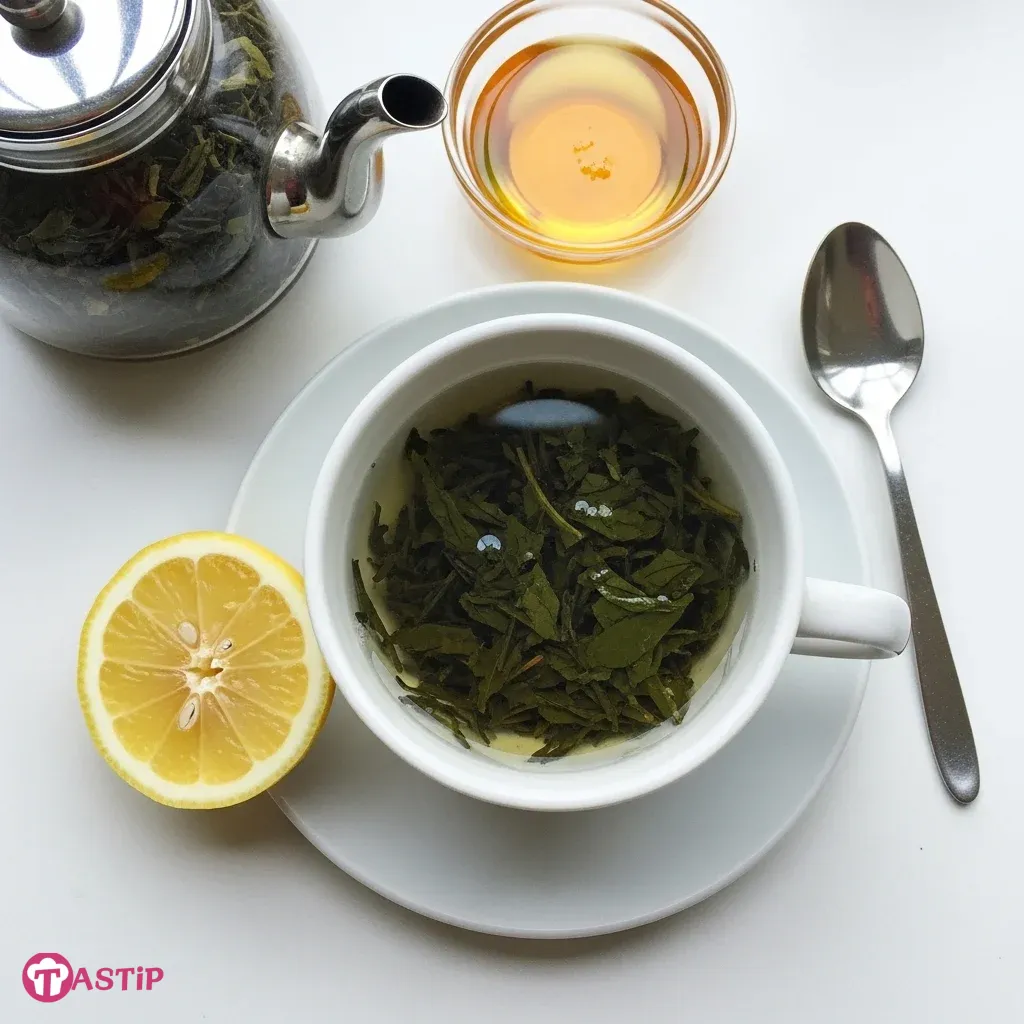
Pairing your Green Tea with the right foods can enhance the flavor experience and stabilize your blood sugar. I love serving a warm cup alongside a small bowl of raw almonds and walnuts. The healthy fats in the nuts complement the earthy notes of the tea and help your body absorb fat-soluble nutrients.
For a more substantial snack, try a light cucumber and quinoa salad dressed with lemon and olive oil. The crispness of the vegetables mirrors the clean finish of the Green Tea.
If you prefer something sweet but healthy, a few fresh dates or a square of 80% dark chocolate provides a perfect contrast to the tea’s natural astringency. Avoid heavy, greasy, or overly sugary foods, as they can mask the delicate benefits of the tea and lead to an energy crash that the tea is trying to prevent.
Pairing Green Tea with suitable foods can indeed elevate your tasting experience, and for some delightful ideas, our Crockpot Green Bean Casserole recipe is perfect. Discover more about this pairing by following this link: Crockpot Green Bean Casserole.
FAQs
Is it okay to drink Green Tea on an empty stomach?
Some individuals experience mild nausea when drinking Green Tea on an empty stomach due to the tannin content. If you have a sensitive stomach, I recommend enjoying your tea after a light meal or a snack. However, for many, a morning cup provides a wonderful, gentle “wake-up” call for the digestive system.
How much caffeine is actually in a cup?
An average 8-ounce cup of Green Tea contains about 30 to 50 milligrams of caffeine. This is significantly less than a standard cup of coffee, which usually contains 95 to 150 milligrams. The presence of L-theanine in the tea helps modulate the caffeine’s effects, preventing the “crash” often associated with other caffeinated beverages.
Can I reuse the tea leaves for a second steep?
Yes, high-quality loose-leaf Green Tea is often designed for multiple infusions. In fact, many people prefer the second or third steep, as the leaves have fully opened and the flavor becomes more mellow. Simply increase the steeping time by 30 to 60 seconds for each subsequent brew to extract the remaining nutrients.
Green Tea is a versatile beverage known for its numerous health benefits and rich cultural heritage. Consumed for centuries, this drink is appreciated not only for its flavor but also for its high levels of antioxidants, making it a popular choice among health-conscious individuals. For a deeper dive into its history and benefits, check out this comprehensive overview.
Nutrition Information (per serving)
The beauty of Green Tea lies in its nearly zero-calorie profile, making it a perfect tool for weight management and hydration. While it lacks significant macronutrients, it is dense in micronutrients and bioactive compounds like EGCG.
| Metric | Amount |
|---|---|
| Calories | 2 kcal |
| Total Fat | 0g |
| Sodium | 0mg |
| Total Carbohydrates | 0.5g |
| Sugars | 0g |
| Protein | 0g |
| Potassium | 25mg |
Green Tea
- Total Time: 5 mins
- Yield: 1 cup 1x
- Diet: Gluten Free
Description
This Green Tea recipe offers a serene and healthful experience, enhancing mental clarity and supporting overall well-being with every sip.
Ingredients
1–2 teaspoons Loose-leaf Green Tea (Sencha or Dragonwell)
8 ounces Filtered Water
1 Slice Fresh Lemon (Optional)
To taste Raw Honey or Stevia (Optional)
1 Small knob Fresh Ginger (Optional)
Instructions
- Heat the water to approximately 175°F to 180°F (80°C)
- Rinse your teapot or mug with hot water
- Place 1 to 2 teaspoons of loose leaves into an infuser
- Pour the heated water over the leaves
- Allow to steep for 2 to 3 minutes
- Remove the infuser and enjoy the tea
- Add lemon or sweetener as desired
Notes
Check the harvest date for freshness.
Use carbon-filtered water for best flavor.
Store loose leaves in an airtight container.
- Prep Time: 5 mins
- Cook Time: 0 mins
- Category: Beverage
- Method: Steeping
- Cuisine: Asian
Nutrition
- Serving Size: 1 cup
- Calories: 2 kcal
- Sugar: 0 g
- Sodium: 0 mg
- Fat: 0 g
- Saturated Fat: 0 g
- Unsaturated Fat: 0 g
- Trans Fat: 0 g
- Carbohydrates: 0.5 g
- Fiber: 0 g
- Protein: 0 g
- Cholesterol: 0 mg