
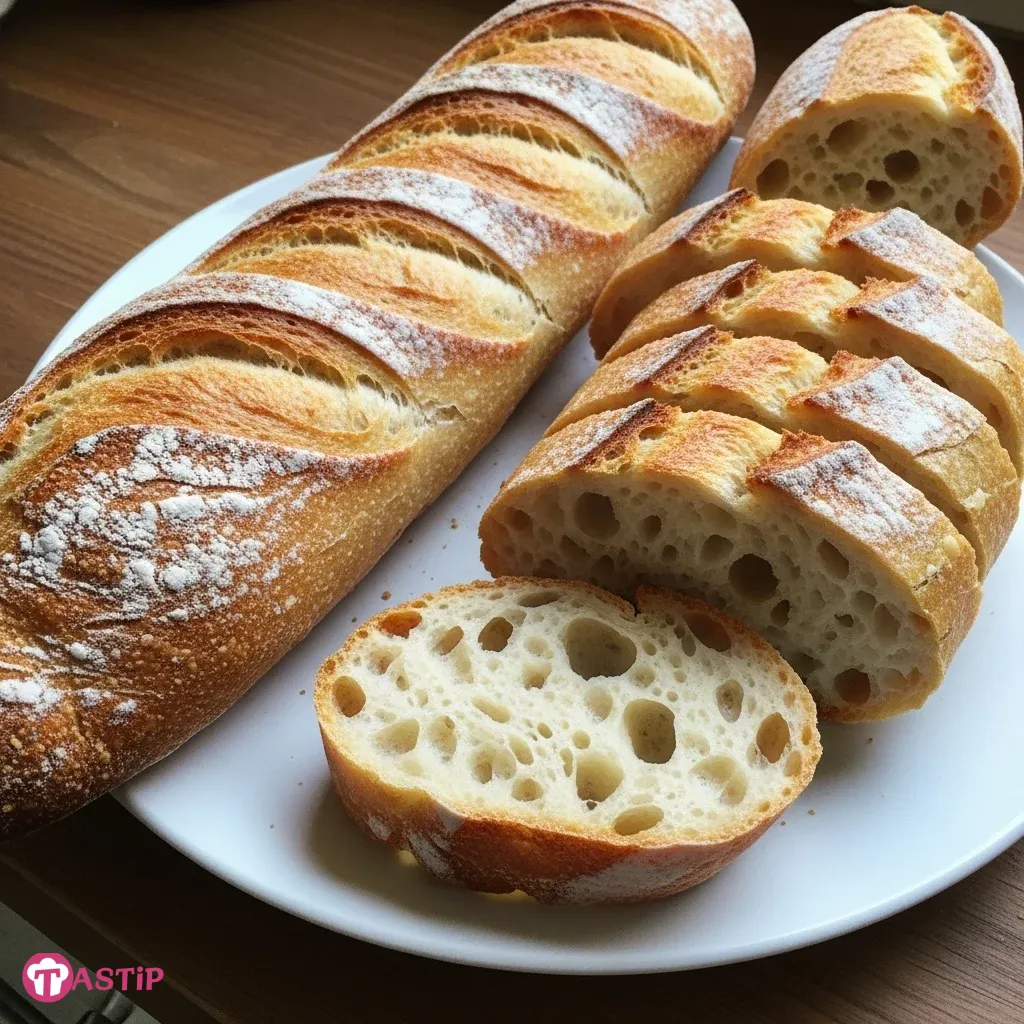
There is absolutely nothing like the aroma of fresh bread wafting through your kitchen to instantly melt away the stress of a long workday. You might think that learning How to Make French Baguette requires a professional culinary degree or twelve hours of hovering over a dough bowl, but I am here to tell you otherwise. As a busy professional, I do not have time for overly complicated techniques or fussy schedules.
This recipe focuses on delivering that iconic crispy crust and airy interior using an efficient, streamlined process. You can achieve bakery-quality results without sacrificing your entire weekend. If you want a gourmet experience that fits into your hectic life, this guide on How to Make French Baguette is exactly what you need. Let’s get straight to the point and start baking.
Why You’ll Love This Recipe
- Incredible Speed: This method slashes traditional rising times without compromising the classic flavor.
- Minimal Cleanup: I use a single-bowl technique to ensure you spend less time at the sink and more time enjoying your meal.
- Wholesome Ingredients: You control exactly what goes into your bread, meaning no preservatives or hidden sugars often found in store-bought loaves.
- Professional Results: Even as a beginner, you will master How to Make French Baguette with a golden, shatteringly crisp crust every single time.
Ingredients You’ll Need
Success starts with high-quality ingredients. When you learn How to Make French Baguette, the simplicity of the components means each one must perform perfectly. Use fresh yeast and high-protein flour for the best structural integrity and rise.
| Ingredient | Quantity | Purpose |
|---|---|---|
| Bread Flour | 4 Cups | Provides the necessary protein for a chewy structure. |
| Warm Water | 1.5 Cups | Activates the yeast and hydrates the flour (105-110°F). |
| Active Dry Yeast | 2.25 Teaspoons | The leavening agent responsible for the airy crumb. |
| Sea Salt | 1.5 Teaspoons | Enhances flavor and controls yeast fermentation. |
| Honey or Sugar | 1 Teaspoon | Feeds the yeast for a faster rise (optional but recommended). |
Substitutions & Variations
Note: This video is for demonstration purposes and may use a slightly different method.

I always advocate for healthy swaps that keep your energy levels high while maintaining the integrity of the recipe. If you are modifying the traditional way of How to Make French Baguette, keep these tips in mind to ensure the texture remains light. However, remember that bread flour provides the best results for that classic “snap.”
- Whole Wheat Swap: Replace up to 1.5 cups of bread flour with white whole wheat flour for a fiber boost. The loaf will be denser, but more nutrient-rich.
- Gluten-Free Option: Use a high-quality 1-to-1 gluten-free baking flour blend that includes xanthan gum. Note that the rising time and hydration levels will vary significantly.
- Natural Sweeteners: Substitute the white sugar with raw honey or maple syrup to keep the ingredients as natural as possible.
- Herb Infusion: Add a tablespoon of dried rosemary or thyme to the dry mix for an aromatic twist on the standard loaf.
If you’re thinking of modifying your baguette recipe for extra flavor or nutrition, consider some healthy swaps. Just like in this Potato and Sausage Chowder, small adjustments can lead to delightful results.
Step-by-Step Instructions
- Activate the Yeast: In a large bowl, combine the warm water, honey, and yeast. Let it sit for about 5 to 7 minutes until it becomes foamy. This ensures your yeast is alive and ready to work, which is a crucial first step in How to Make French Baguette.
- Mix the Dough: Gradually add the bread flour and sea salt to the yeast mixture. Use a sturdy wooden spoon or a stand mixer with a dough hook. Mix until a shaggy dough forms and no dry streaks of flour remain.
- The Quick Knead: Turn the dough onto a lightly floured surface. Knead for about 5 to 8 minutes. You want the dough to be smooth and slightly tacky, not sticky. This develops the gluten, which is the “secret sauce” when learning How to Make French Baguette.
- The First Rise: Place the dough back into the bowl and cover it with a damp cloth. Set it in a warm, draft-free spot for 45 minutes. It should double in size. Because we are focused on efficiency, we use a slightly warmer environment to speed this along.
- Shape the Loaves: Gently punch the dough down to release air. Divide it into two equal portions. Roll each portion into a long rectangle, then roll it up tightly into a cylinder. Taper the ends by gently rolling them with your palms.
- The Second Rise: Place the shaped loaves on a baking sheet lined with parchment paper or a perforated baguette pan. Cover and let them rise for another 20 to 30 minutes while you preheat your oven.
- Score the Bread: Use a very sharp knife or a razor blade to make 3 to 4 diagonal slashes across the top of each loaf. This allows the bread to expand without bursting in the oven, a key aesthetic in How to Make French Baguette.
- Bake with Steam: Preheat your oven to 450°F (230°C). Place a shallow pan of water on the bottom rack to create steam. Slide the loaves onto the middle rack. Bake for 18 to 22 minutes until the crust is deep golden brown and the loaf sounds hollow when tapped.
- Cool Properly: Transfer the baguettes to a wire rack immediately. Resist the urge to cut into them for at least 15 minutes! The interior continues to set as it cools.
Pro Tips for Success
If you want to truly master How to Make French Baguette, you need to pay attention to the environment. Temperature and moisture are your two best friends in the kitchen. First, always use a kitchen scale if you have one; measuring flour by weight is far more accurate than using cups.
This prevents the dough from becoming too dry. Second, do not skip the steam in the oven. The moisture allows the crust to remain flexible during the initial minutes of baking, which results in a much higher rise and a thinner, crispier crust. Consequently, your bread will look like it came straight from a Parisian boulangerie.
Another technical tip for How to Make French Baguette involves the “windowpane test.” After kneading, take a small piece of dough and stretch it out thinly. If it stretches until it is translucent without tearing, your gluten is perfectly developed. If it snaps immediately, keep kneading.
Finally, ensure your oven is truly preheated. I often let my oven sit at the target temperature for an extra 10 minutes before sliding the bread in. A hot oven is non-negotiable for that signature crust.
Understanding the importance of your baking environment can elevate your bread-making skills. Just as temperature and humidity play a significant role in this Creamy Poblano Corn Chowder with Potatoes, they are essential for achieving the perfect baguette.
Storage & Reheating Tips
Fresh bread is best eaten the day it is made, but as a busy professional, I know that isn’t always possible. To keep your baguette fresh, wrap it in a clean kitchen towel or a paper bag. Avoid plastic bags at all costs, as they trap moisture and turn your beautiful crust into a soggy mess.
If you are learning How to Make French Baguette for meal prep, you can actually freeze the loaves. Wrap them tightly in foil and then place them in a freezer bag for up to one month.
When you are ready to eat, reheating is simple. Do not use the microwave! Instead, preheat your oven to 350°F.
Spritz the crust lightly with a bit of water and bake the loaf directly on the rack for 5 to 7 minutes. This revives the crunch while keeping the inside soft. This trick is a lifesaver when you want a gourmet side dish on a Tuesday night but only have 10 minutes to spare. Mastering the storage is just as important as mastering How to Make French Baguette itself.
What to Serve With This Recipe
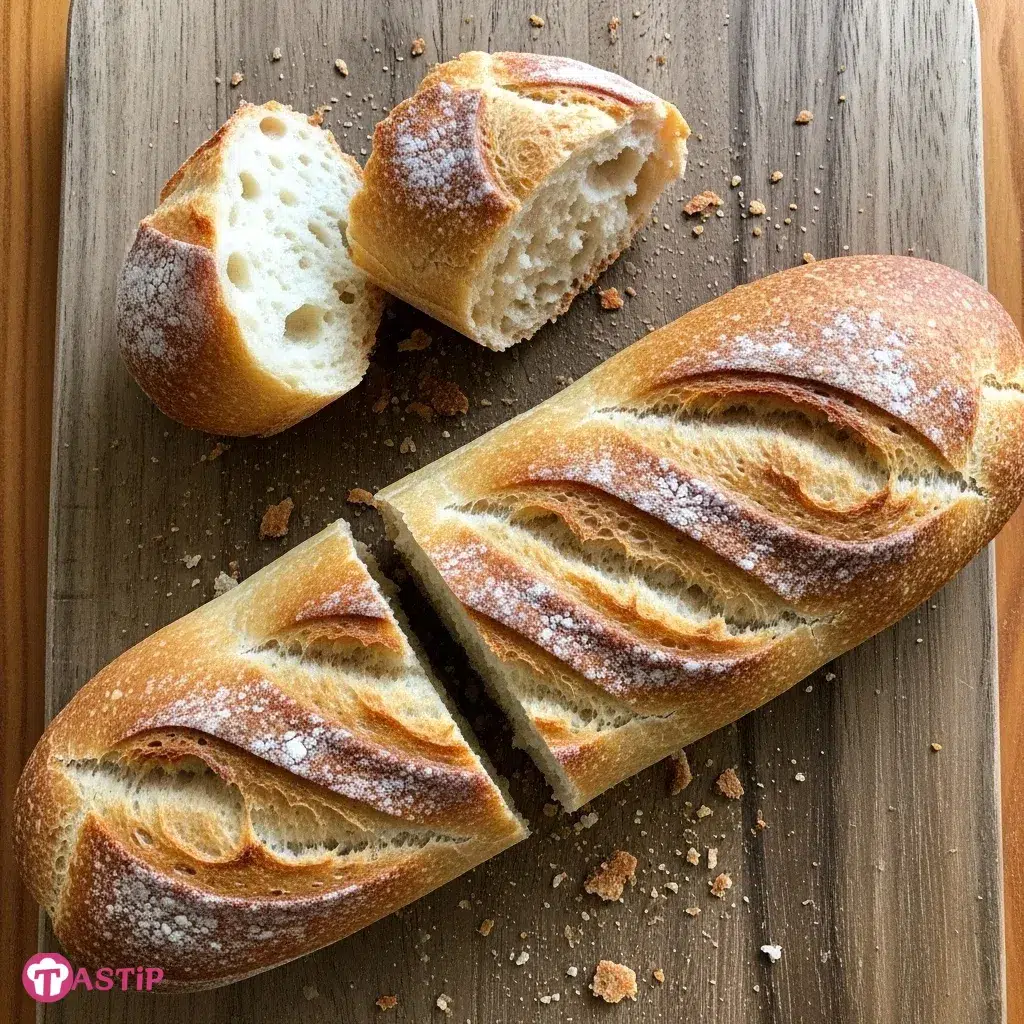
A fresh baguette is the ultimate versatile side dish. While it is tempting to eat the whole loaf with just a smear of high-quality grass-fed butter, I love pairing it with healthy, vibrant meals. Because we focused on a fast method for How to Make French Baguette, you have plenty of time to whip up a nutritious accompaniment.
- Roasted Mediterranean Vegetables: Serve your warm bread alongside a tray of roasted zucchini, bell peppers, and cherry tomatoes drizzled with balsamic glaze.
- Protein-Packed Salads: A classic Niçoise salad or a hearty Greek salad with chickpeas provides the perfect contrast to the crunchy bread.
- Light Soups: Use the baguette to soak up a delicious tomato basil soup or a clear vegetable broth loaded with kale and white beans.
- Charcuterie Boards: For an effortless dinner, pair slices of the bread with lean turkey, sharp white cheddar, grapes, and raw almonds.
A freshly baked baguette pairs wonderfully with a variety of dishes. For a delightful meal, try serving it alongside these How to Make Perfect Heart-Shaped Macarons for a truly festive touch.
FAQs
Can I make the dough ahead of time?
Absolutely! If you want to save even more time on How to Make French Baguette, you can mix the dough and let it undergo its first rise in the refrigerator overnight. This cold fermentation actually develops a deeper, more complex flavor.
Just let the dough come to room temperature for about 30 minutes before shaping and baking the next day. This is a great strategy for busy weeknights.
Why is my baguette crust soft instead of crunchy?
This usually happens for two reasons: a lack of steam in the oven or improper cooling. When you learn How to Make French Baguette, remember that the water pan in the oven is essential for that “shatter” crust. Additionally, if you leave the bread on the hot baking sheet instead of moving it to a wire rack, the bottom will steam itself and turn soft. Always use a cooling rack to allow air to circulate around the entire loaf.
Can I use all-purpose flour instead of bread flour?
Yes, you can use all-purpose flour if that is all you have in the pantry. However, because all-purpose flour has a lower protein content, your baguette will be slightly softer and less “chewy.” When I am teaching someone How to Make French Baguette for the first time, I always recommend bread flour for the most authentic texture, but all-purpose will still produce a delicious loaf of bread for a quick meal.
Making a French baguette is a cherished culinary art that involves a simple dough of flour, water, salt, and yeast, which transforms into a classic bread with a golden crust and airy structure. This traditional bread-making process is essential for anyone looking to enhance their baking skills and enjoy homemade delights.
Nutrition Information (per serving)
Knowing the macros helps you stay on track with your health goals. This recipe makes approximately 10 servings (about 2-3 slices per serving). Here is a breakdown of what you can expect when you follow this guide on How to Make French Baguette.
| Metric | Amount per Serving |
|---|---|
| Calories | 185 kcal |
| Total Fat | 0.8g |
| Sodium | 350mg |
| Total Carbohydrates | 38g |
| Dietary Fiber | 1.5g |
| Protein | 6g |
Ultimately, learning How to Make French Baguette is a rewarding skill that fits perfectly into a busy lifestyle. By focusing on efficient techniques and high-quality ingredients, you can enjoy the luxury of fresh bread any night of the week. Stop settling for grocery store loaves that are full of preservatives and start baking your own. You have the tools, the tips, and the motivation—now go get that oven preheated!
Print
How to Make French Baguette
- Total Time: 42 mins
- Yield: 2 baguettes 1x
- Diet: Vegetarian
Description
This recipe focuses on delivering that iconic crispy crust and airy interior of a French baguette using an efficient, streamlined process. You can achieve bakery-quality results without sacrificing your entire weekend.
Ingredients
4 cups Bread Flour
1.5 cups Warm Water
2.25 teaspoons Active Dry Yeast
1.5 teaspoons Sea Salt
1 teaspoon Honey or Sugar
Instructions
- In a large bowl, combine the warm water, honey, and yeast. Let it sit for about 5 to 7 minutes until it becomes foamy
- Gradually add the bread flour and sea salt to the yeast mixture. Mix until a shaggy dough forms
- Turn the dough onto a lightly floured surface. Knead for about 5 to 8 minutes until smooth and slightly tacky
- Place the dough back into the bowl and cover it with a damp cloth. Let it rise in a warm place for 45 minutes
- Gently punch the dough down and divide it into two equal portions. Shape into baguettes
- Place shaped loaves on a baking sheet and let them rise for another 20 to 30 minutes
- Preheat the oven to 450°F (230°C) and score the top of each loaf with diagonal slashes
- Bake for 18 to 22 minutes until golden brow
Notes
For a gluten-free option, use a 1-to-1 gluten-free baking flour blend with xanthan gum.
- Prep Time: 20 mins
- Cook Time: 22 mins
- Category: Bread
- Method: Baking
- Cuisine: French
Nutrition
- Serving Size: 1 slice
- Calories: 185 kcal
- Sugar: 1 g
- Sodium: 350 mg
- Fat: 0.8 g
- Saturated Fat: 0.2 g
- Unsaturated Fat: 0.6 g
- Trans Fat: 0 g
- Carbohydrates: 38 g
- Fiber: 1.5 g
- Protein: 6 g
- Cholesterol: 0 mg