
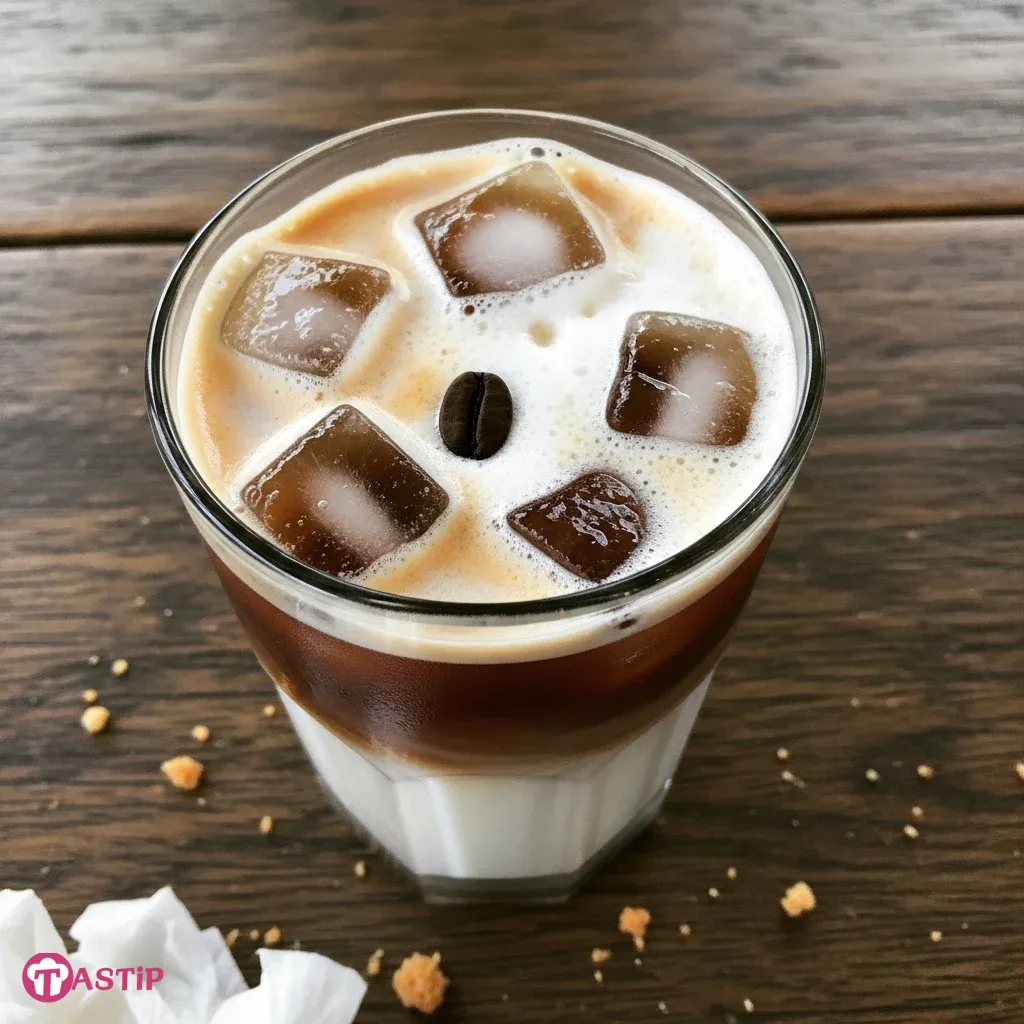
A refreshing Iced Latte represents the perfect intersection of thermal dynamics and culinary chemistry. When you combine high-pressure espresso with chilled, creamy milk, you create a beverage that balances bold acidity with smooth, velvety fats. This drink offers a sophisticated flavor profile that remains crisp and invigorating, even as the ice slowly shifts the dilution ratio.
Understanding the science of espresso extraction is the key to preventing a watery or overly bitter result. In this guide, I will explain how to manage the variables of temperature and pressure to achieve cafe-quality results. You will learn to craft an Iced Latte that maintains its structural integrity from the first sip to the last.
Why You’ll Love This Iced Latte Recipe
- Superior Thermal Stability: This method ensures your espresso retains its aromatic compounds while cooling rapidly to prevent bitterness.
- Perfect Texture: By balancing the colloidal suspension of milk fats with concentrated coffee, you achieve a rich, silky mouthfeel.
- Total Control: You can adjust the extraction time and milk-to-coffee ratio to suit your specific palate and dietary needs.
Ingredients You’ll Need
To create a truly exceptional Iced Latte, you must prioritize the quality of your raw materials. In the test kitchen, we focus on the chemical makeup of the beans and the mineral content of the water. For the best results, use fresh-roasted Arabica beans, which offer a more complex sugar profile than Robusta. Your milk choice also matters; the protein content determines how well the liquid coats the tongue and buffers the coffee’s acidity.
| Ingredient | Quantity | Purpose |
|---|---|---|
| Fresh Espresso | 2 ounces (double shot) | Provides the concentrated flavor base and caffeine. |
| Cold Milk | 8 to 10 ounces | Acts as the creamy diluent and provides sweetness through lactose. |
| Ice Cubes | 1 to 1.5 cups | Cools the beverage and manages the final temperature. |
| Sweetener (Optional) | 1 to 2 teaspoons | Enhances the natural caramel notes of the roasted beans. |
Substitutions & Variations
Note: This video is for demonstration purposes and may use a slightly different method.

If you prefer a dairy-free Iced Latte, you can substitute cow’s milk with various plant-based alternatives. However, you must consider the science of emulsification. Oat milk is a favorite among baristas because it contains high levels of beta-glucans, which mimic the creamy texture of dairy.
Almond milk provides a nutty finish but lacks the same body, making for a thinner beverage. For a healthy, low-calorie version, consider using unsweetened cashew milk, which offers a neutral flavor profile. If you want to avoid refined sugars, monk fruit sweetener or stevia are excellent choices that dissolve well in cold liquids without altering the glycemic index of your drink.
If you’re looking for a delicious dairy-free option to complement your Iced Latte, you might enjoy our recipe for Vanilla Iced Coffee. It’s an excellent alternative that highlights the creamy texture of plant-based milks without sacrificing flavor.
Step-by-Step Instructions
- Grind and Tamp: Begin by grinding your coffee beans to a fine, sandy consistency. Place the grounds in your portafilter and apply 30 pounds of even pressure with a tamper. This ensures the water passes through the coffee puck evenly, preventing channeling and over-extraction.
- Pull the Shot: Extract a double shot of espresso (about 2 ounces) using a high-quality machine. You should see a rich, golden crema on top, which contains the emulsified oils that carry the most flavor. Pulling the shot directly into a small glass allows you to monitor the volume and color.
- Flash Chill (Optional but Recommended): If you have the time, place your espresso in the refrigerator for two minutes before mixing. Reducing the temperature of the espresso before it hits the ice prevents “thermal shock,” which can lead to excessive ice melting and a diluted Iced Latte.
- Prepare the Glass: Fill a tall, 12-ounce glass to the brim with large, dense ice cubes. Large cubes have less surface area than crushed ice, meaning they melt more slowly and keep your drink cold without watering it down.
- Combine and Stir: Pour your cold milk over the ice first. Then, slowly pour the espresso over the milk. This creates a beautiful “marbling” effect as the dense espresso sinks through the milk. Stir gently with a long spoon to homogenize the mixture and ensure a consistent flavor throughout.
Pro Tips for Success
The secret to a world-class Iced Latte lies in the extraction yield. You should aim for an extraction of roughly 18% to 22%. If your coffee tastes sour, you have under-extracted the beans; try a finer grind or a slightly hotter water temperature.
Conversely, if the drink tastes unpleasantly bitter or ashy, you have over-extracted. This usually happens when the water stays in contact with the coffee grounds for too long. Always use filtered water, as the minerals in tap water can interfere with the extraction of delicate coffee solids.
Furthermore, consider the physics of ice. Not all ice is created equal. In the food science world, we prefer “clear ice” or “slow-frozen” ice because it lacks air bubbles.
Air bubbles increase the surface area and speed up the melting process. If you want your Iced Latte to stay strong for an hour, use the largest ice cubes your glass can accommodate. Some enthusiasts even use “coffee ice cubes”—frozen brewed coffee—to ensure that as the ice melts, the beverage actually becomes richer rather than weaker.
Finally, temperature management is vital. Always start with chilled milk directly from the refrigerator (around 38°F). The colder the milk, the more effectively it can absorb the heat of the espresso without losing its refreshing quality.
If you add hot espresso to room-temperature milk, you will end up with a lukewarm beverage that feels muddy on the palate. Precision in these small details is what separates a home cook from a professional chef.
Understanding the extraction process is vital for crafting the perfect Iced Latte, and you may find success with our Classic Iced Coffee recipe as well. This guide will help you master coffee extraction and achieve a balanced flavor profile.
Storage & Reheating Tips
An Iced Latte is best enjoyed immediately after preparation to experience the optimal balance of temperature and dilution. However, if you must store it, remove the ice cubes first. If you leave the ice in the liquid, it will continue to melt in the refrigerator, resulting in a thin, flavorless drink.
You can store the coffee and milk mixture in an airtight container for up to 24 hours. When you are ready to drink it, simply pour it over fresh ice. Never attempt to reheat an Iced Latte that has already been chilled and diluted, as the heating process will ruin the delicate milk proteins and create an “off” flavor.
What to Serve With This Recipe
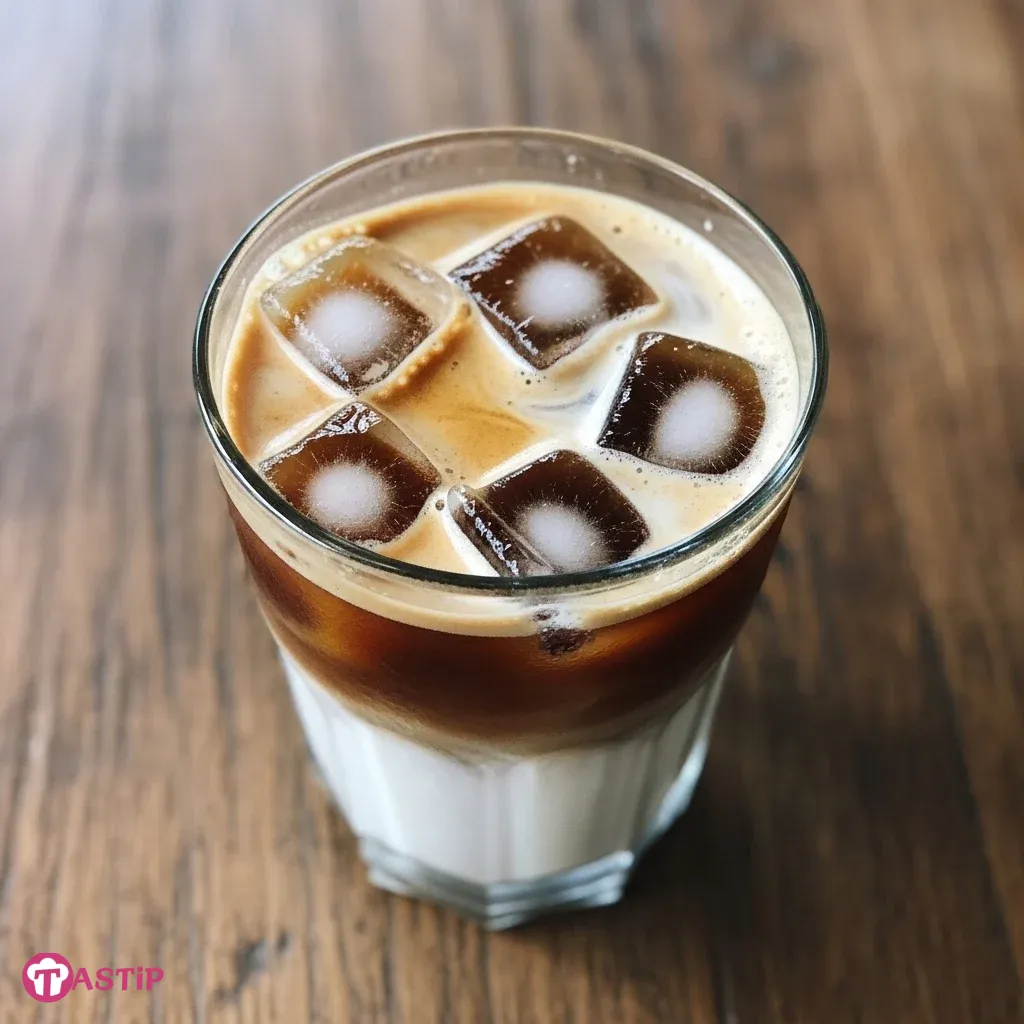
Because an Iced Latte has a rich, creamy profile, it pairs beautifully with foods that offer a bit of acidity or a light, crisp texture. Avoid heavy, greasy foods that can overwhelm the subtle notes of the espresso. Instead, opt for healthy, nutrient-dense pairings that complement the caffeine boost.
- Greek Yogurt Parfait: The tanginess of the yogurt cuts through the richness of the latte’s milk.
- Whole Grain Avocado Toast: The healthy fats in the avocado provide a savory counterpoint to the sweetness of the drink.
- Roasted Vegetable Frittata: A light, protein-packed egg dish with roasted peppers and spinach offers a sophisticated brunch experience.
- Fresh Berry Salad: The natural acids in strawberries and blueberries highlight the fruity notes often found in light-roast espresso.
Looking for the perfect food pairing with your Iced Latte? Consider trying our Spiced Chickpeas recipe, which offers acidity and texture that complements the creamy richness of your drink.
FAQs
What is the difference between an Iced Coffee and an Iced Latte?
The primary difference lies in the brewing method and the milk ratio. Iced coffee is typically made by brewing regular drip coffee and cooling it down, often served with a splash of milk. An Iced Latte uses concentrated espresso as the base and a much higher volume of milk, resulting in a creamier, richer beverage with a more distinct coffee “punch.”
Can I make an Iced Latte without an espresso machine?
Yes, you can achieve a similar result using a Moka pot or an AeroPress. These tools create a highly concentrated coffee that mimics the strength of espresso. If you use regular drip coffee, the milk will likely overpower the flavor, so I recommend using a “cold brew concentrate” if you do not have an espresso machine.
Why does my Iced Latte taste watery?
This usually happens for two reasons: you either used small ice cubes that melted too quickly, or your espresso was not concentrated enough. To fix this, use larger ice cubes and ensure you are using a 1:2 ratio of coffee grounds to liquid espresso. You can also try chilling your espresso in the freezer for 60 seconds before adding it to the milk.
An Iced Latte combines the robust flavor of espresso with chilled milk, creating a refreshing beverage that’s perfect for warm weather. To explore more about this delicious drink, check out the detailed explanation of its origins and variations here.
Nutrition Information (per serving)
The nutritional profile of your Iced Latte depends largely on the type of milk and sweetener you choose. Below is the data for a standard version made with 2% cow’s milk and no added sugar.
| Metric | Value |
|---|---|
| Calories | 120 kcal |
| Total Fat | 5g |
| Protein | 8g |
| Total Carbohydrates | 12g |
| Caffeine | 150mg |
By mastering the science of the Iced Latte, you elevate your morning routine from a simple caffeine fix to a culinary experience. Pay attention to your extraction times, manage your temperatures, and always choose high-quality ingredients. Happy brewing!
Print
Iced Latte
- Total Time: 10 mins
- Yield: 1 serving 1x
- Diet: Dairy
Description
Craft a refreshing Iced Latte that balances bold espresso with creamy milk, ensuring a perfect blend of flavors while managing dilution.
Ingredients
2 ounces Fresh Espresso
8 to 10 ounces Cold Milk
1 to 1.5 cups Ice Cubes
1 to 2 teaspoons Sweetener (Optional)
Instructions
- Grind coffee beans to a fine consistency and tamp evenly in the portafilter
- Extract a double shot of espresso and flash chill if desired
- Prepare a tall glass filled with large ice cubes
- Pour cold milk over the ice, then gently add the espresso
- Stir gently to combine and enjoy
Notes
For dairy-free options, use oat milk or unsweetened cashew milk.
- Prep Time: 5 mins
- Cook Time: 5 mins
- Category: Beverage
- Method: Mixing
- Cuisine: Italian
Nutrition
- Serving Size: 1 glass
- Calories: 120 kcal
- Sugar: 12 g
- Sodium: 100 mg
- Fat: 5 g
- Saturated Fat: 3 g
- Unsaturated Fat: 1 g
- Trans Fat: 0 g
- Carbohydrates: 12 g
- Fiber: 0 g
- Protein: 8 g
- Cholesterol: 20 mg