
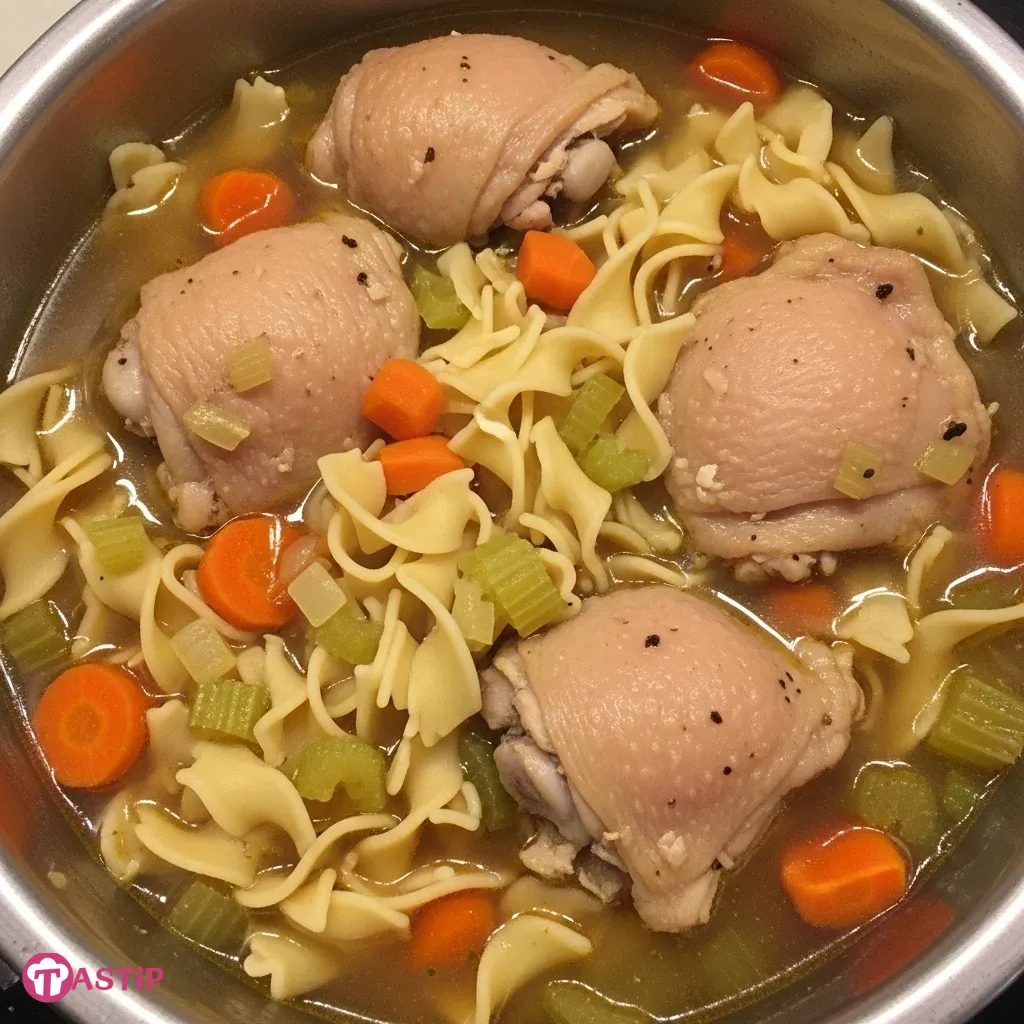
There is something scientifically profound about the comfort provided by a bowl of Instant Pot Chicken Noodle Soup. While many view this as a simple restorative meal, a test kitchen chef sees a complex interplay of amino acids, aromatic compounds, and hydrocolloids. By utilizing the controlled environment of a pressure cooker, we can accelerate the extraction of gelatin from connective tissues and deepen the flavor profile of the vegetables.
This Instant Pot Chicken Noodle Soup offers a velvety mouthfeel and tender protein that typically requires hours of simmering on a traditional stovetop. The high-pressure environment forces moisture back into the chicken muscle fibers, ensuring every bite remains juicy rather than stringy. You are not just making a meal; you are orchestrating a series of successful chemical reactions that result in the ultimate comfort food. This recipe represents the perfect marriage of modern technology and culinary tradition.
Why You’ll Love This Instant Pot Chicken Noodle Soup
- Accelerated Flavor Extraction: The high pressure inside the pot breaks down collagen into gelatin significantly faster than boiling, creating a rich, full-bodied broth.
- Superior Moisture Retention: Pressure cooking prevents the evaporation of essential juices, keeping the chicken incredibly moist and tender throughout the cooking process.
- One-Pot Efficiency: You can sauté your aromatics and pressure cook the entire meal in one vessel, which minimizes cleanup and keeps all the flavorful “fond” inside the soup.
- Nutrient Density: The sealed environment of the Instant Pot Chicken Noodle Soup helps preserve volatile vitamins and minerals that often escape with steam in open-pot cooking.
Ingredients You’ll Need
Quality ingredients are the building blocks of a great Instant Pot Chicken Noodle Soup. When you select high-quality proteins and fresh aromatics, you provide the necessary precursors for a complex flavor profile. Below is a detailed look at what you will need to achieve professional results at home.
| Ingredient Category | Specific Item | Quantity | Culinary Purpose |
|---|---|---|---|
| Protein | Boneless Skinless Chicken Thighs | 1.5 lbs | Provides fat and gelatin for a richer mouthfeel. |
| Aromatics (Mirepoix) | Yellow Onion, Carrots, Celery | 1 cup each (diced) | The classic “Holy Trinity” for foundational flavor. |
| Liquid Base | Low-Sodium Chicken Stock | 6 cups | Acts as the solvent for all extracted flavors. |
| Starch | Wide Egg Noodles | 6 oz | Adds bulk and releases starches to thicken the broth slightly. |
| Herbs & Spices | Fresh Thyme, Bay Leaves, Salt, Pepper | To taste | Provides top-note aromatics and balances the palate. |
| Fat | Unsalted Butter or Olive Oil | 2 tbsp | Used for the initial sauté to trigger the Maillard reaction. |
| Acidity | Fresh Lemon Juice | 1 tbsp | Brightens the finished soup and cuts through the fat. |
Substitutions & Variations
Note: This video is for demonstration purposes and may use a slightly different method.

Adapting your Instant Pot Chicken Noodle Soup to meet specific dietary needs or personal preferences is simple once you understand the role of each component. To keep this recipe as healthy and functional as possible, consider these thoughtful swaps.
- Gluten-Free Option: Replace standard egg noodles with high-quality gluten-free rotini or rice noodles. If using rice noodles, add them at the very end and let them soften in the residual heat to avoid a gummy texture.
- Leaner Protein: You can substitute chicken breast for thighs if you prefer a lower fat content. However, be mindful that breasts have less connective tissue, so the broth may be slightly thinner.
- Vegetable Boost: Increase the micronutrient density by adding chopped kale or spinach during the final two minutes of the process. The residual heat will wilt the greens without overcooking them.
- Lower Sodium: Always use unsalted butter and low-sodium stock. This allows you to control the exact concentration of sodium, which is vital for highlighting the natural sweetness of the carrots and onions.
- Whole Grain Swaps: Use whole wheat egg noodles for an increase in dietary fiber and a nuttier flavor profile in your Instant Pot Chicken Noodle Soup.
Adapting your Instant Pot Chicken Noodle Soup to meet specific dietary needs is easier than you think. For a delicious alternative, check out this recipe for Chocolate Ice Cream that could serve as a sweet complement to your meal.
Step-by-Step Instructions
Following these steps precisely ensures that you maximize the chemical potential of every ingredient in your Instant Pot Chicken Noodle Soup. Precision in timing and temperature is what separates a good cook from a great one.
- Sauté the Aromatics: Turn your Instant Pot to the Sauté function. Melt the butter and add the diced onions, carrots, and celery. Sauté for 5-7 minutes until the onions are translucent. This step is crucial for developing the base flavors through light caramelization.
- Deglaze the Inner Pot: Pour in half a cup of the chicken stock. Use a wooden spoon to scrape the bottom of the pot. This releases the “fond,” which is a concentrated collection of browned proteins and sugars that adds immense depth to the Instant Pot Chicken Noodle Soup.
- Layer the Ingredients: Add the chicken thighs, the remaining chicken stock, thyme, and bay leaves. Do not stir excessively; let the chicken sit submerged in the liquid to ensure even thermal distribution.
- Pressure Cook: Secure the lid and set the valve to the Sealing position. Select Manual/Pressure Cook on high for 8 minutes. Once the timer finishes, allow for a 10-minute Natural Pressure Release (NPR). This gradual decrease in pressure prevents the chicken fibers from contracting too quickly and becoming tough.
- Shred the Protein: Carefully remove the chicken thighs and place them on a cutting board. Use two forks to shred the meat into bite-sized pieces. The internal temperature should be at least 165°F.
- Cook the Noodles: Switch the Instant Pot back to Sauté mode. Once the broth reaches a boil, add the egg noodles. Cook for 5-6 minutes, or until the noodles are al dente. This prevents the starch from breaking down into a mushy consistency.
- Final Assembly: Return the shredded chicken to the pot. Stir in the fresh lemon juice and chopped parsley. Taste and adjust the seasoning with salt and black pepper as needed.
Pro Tips for Success
Achieving the perfect Instant Pot Chicken Noodle Soup requires attention to technical details. As a former test kitchen chef, I recommend these specific strategies to elevate your cooking game.
- Control the Starch: If you plan on having leftovers, cook the noodles separately on the stovetop and add them to individual bowls. Noodles left in the broth will continue to absorb liquid and expand, eventually turning the soup into a thick porridge.
- The Power of Acidity: Never skip the lemon juice at the end. Acidity acts as a flavor enhancer, much like salt. It “wakes up” the heavy flavors of the chicken and fat, providing a balanced finish to your Instant Pot Chicken Noodle Soup.
- Natural Release is Mandatory: A “Quick Release” causes the liquid inside the chicken to boil violently, which can dry out the meat. The 10-minute natural release allows the proteins to relax and reabsorb moisture.
- Fresh Herbs vs. Dried: Use fresh thyme and parsley whenever possible. The volatile oils in fresh herbs provide a bright, floral aroma that dried herbs simply cannot replicate after high-pressure cooking.
- Bloom Your Spices: If you add dried spices like turmeric or poultry seasoning, add them to the fat during the sauté stage. This “blooms” the spices, dissolving their flavor compounds into the fat for better distribution.
Perfecting your Instant Pot Chicken Noodle Soup involves understanding key cooking methods. To elevate your skills, explore the flavorful techniques included in my Garlic Chicken Ramen recipe.
Storage & Reheating Tips
Proper storage is essential for maintaining the structural integrity of your Instant Pot Chicken Noodle Soup. When stored incorrectly, the vegetables lose their bite and the noodles become overly saturated.
First, allow the soup to cool to room temperature before transferring it to airtight containers. This prevents condensation from forming on the lid, which can drop back into the soup and dilute the flavor. You can store the soup in the refrigerator for up to 4 days.
If you are freezing the soup, I highly recommend freezing only the broth, chicken, and vegetables. When you are ready to eat, reheat the base and add fresh noodles for the best texture.
To reheat, place the Instant Pot Chicken Noodle Soup in a small saucepan over medium-low heat. Avoid the microwave if possible, as it can heat the soup unevenly and overcook the chicken. If the soup has thickened too much in the fridge, simply add a splash of water or extra chicken stock to restore the original consistency.
What to Serve With This Recipe
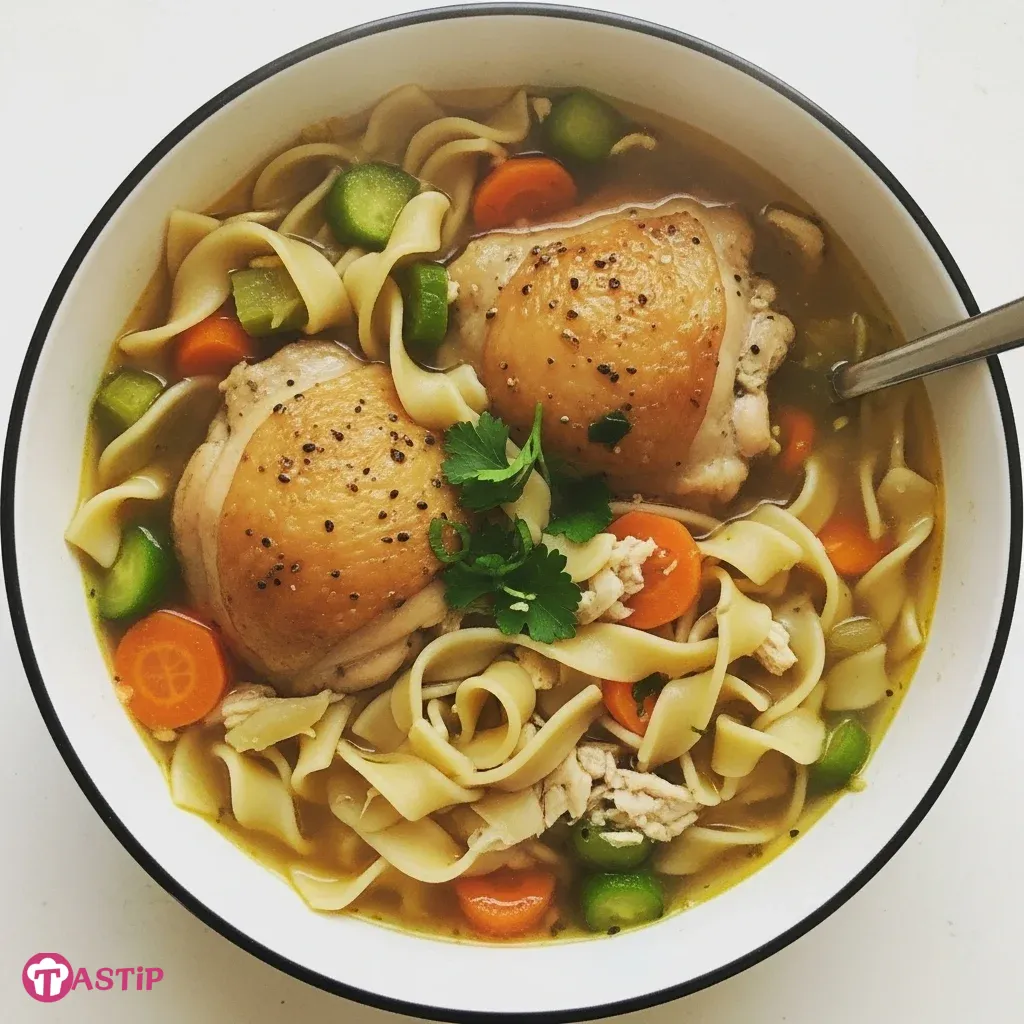
While Instant Pot Chicken Noodle Soup is a complete meal on its own, pairing it with the right side dishes can enhance the overall dining experience. Focus on textures that contrast with the softness of the soup.
- Massaged Kale Salad: A bright, acidic kale salad with a lemon-tahini dressing provides a crisp textural contrast to the warm, savory soup.
- Roasted Root Vegetables: Roasted Brussels sprouts or honey-glazed carrots add a smoky, caramelized element that complements the aromatic base of the soup.
- Sourdough Bread: A thick slice of toasted sourdough is perfect for soaking up the nutrient-rich broth. The fermentation in the bread also adds a pleasant tang.
- Simple Green Salad: A mix of arugula and spinach with a light vinaigrette helps cleanse the palate between spoonfuls of the rich Instant Pot Chicken Noodle Soup.
For an enhanced dining experience alongside your comforting soup, consider thoughtful side dishes that provide a delightful contrast. Try pairing it with my Chicken Ramen for a well-rounded meal.
FAQs
Can I use frozen chicken in the Instant Pot Chicken Noodle Soup?
Yes, you can use frozen chicken. However, you must increase the pressure cooking time to 12-15 minutes to ensure the core temperature reaches 165°F. Keep in mind that frozen chicken may release more water, slightly diluting the broth. I recommend using an extra bouillon cube or a teaspoon of chicken base to compensate for this dilution.
Why did my noodles turn out mushy?
Mushy noodles are usually the result of pressure cooking them for too long. Noodles have very little connective tissue or fiber to hold them together under high pressure. The best method for Instant Pot Chicken Noodle Soup is to cook the noodles using the Sauté function *after* the pressure cooking phase is complete. This gives you total control over the texture.
How can I make the broth clearer?
A cloudy broth is often caused by the starch from the noodles or by boiling the soup too vigorously. To achieve a crystal-clear broth in your Instant Pot Chicken Noodle Soup, cook the noodles separately and rinse them before adding them to the soup. Additionally, avoid stirring the soup too much while it is under pressure, as this breaks apart the vegetables and releases more particles into the liquid.
Instant Pot Chicken Noodle Soup is a dish that combines the nutritional benefits of chicken and vegetables with the efficiency of pressure cooking. This method enhances flavors while ensuring moisture retention, highlighting the transformative power of modern cooking techniques in creating nourishing meals that draw from culinary traditions.
Nutrition Information (per serving)
This nutritional summary provides a look at the macronutrient breakdown for a standard serving of Instant Pot Chicken Noodle Soup. These values are estimates based on the ingredients listed above.
| Metric | Value per Serving |
|---|---|
| Calories | 320 kcal |
| Protein | 28g |
| Total Fat | 9g |
| Saturated Fat | 3g |
| Carbohydrates | 32g |
| Dietary Fiber | 3g |
| Sodium | 650mg |
Understanding the science behind your food makes you a more confident and capable home cook. By mastering the Instant Pot Chicken Noodle Soup, you have learned how to manage pressure, temperature, and timing to create a dish that is far more than the sum of its parts. Enjoy your culinary success and the delicious, nutrient-dense meal you have created!
Print
Instant Pot Chicken Noodle Soup
- Total Time: 30 mins
- Yield: 4 servings 1x
- Diet: Gluten Free
Description
Instant Pot Chicken Noodle Soup offers a velvety mouthfeel and tender protein, combining modern technology with culinary tradition to create a richly flavored, nutrient-dense comfort food.
Ingredients
1.5 lbs Boneless Skinless Chicken Thighs
1 cup Yellow Onion (diced)
1 cup Carrots (diced)
1 cup Celery (diced)
6 cups Low-Sodium Chicken Stock
6 oz Wide Egg Noodles
Fresh Thyme (to taste)
Bay Leaves (to taste)
Salt (to taste)
Pepper (to taste)
2 tbsp Unsalted Butter or Olive Oil
1 tbsp Fresh Lemon Juice
Instructions
- Sauté the aromatics by turning your Instant Pot to the Sauté function. Melt the butter and add the diced onions, carrots, and celery. Sauté for 5-7 minutes until the onions are translucent
- Deglaze the inner pot by pouring in half a cup of the chicken stock and scraping the bottom of the pot with a wooden spoo
- Layer the ingredients by adding the chicken thighs, the remaining chicken stock, thyme, and bay leaves. Do not stir excessively
- Pressure cook by securing the lid and setting the valve to the sealing position. Select Manual/Pressure Cook on high for 8 minutes and allow for a 10-minute Natural Pressure Release
- Shred the protein by carefully removing the chicken thighs and shredding the meat into bite-sized pieces
- Cook the noodles by switching the Instant Pot back to Sauté mode, bringing the broth to a boil, and then adding the egg noodles. Cook for 5-6 minutes until al dente
- Final assembly: Return the shredded chicken to the pot, stir in fresh lemon juice, adjust seasoning with salt and black pepper as needed
Notes
For leftovers, cook noodles separately to avoid mushiness.
Use fresh herbs for better flavor.
- Prep Time: 20 mins
- Cook Time: 10 mins
- Category: Dinner
- Method: Pressure Cooking
- Cuisine: American
Nutrition
- Serving Size: 1 bowl
- Calories: 320 kcal
- Sugar: 1 g
- Sodium: 650 mg
- Fat: 9 g
- Saturated Fat: 3 g
- Unsaturated Fat: 6 g
- Trans Fat: 0 g
- Carbohydrates: 32 g
- Fiber: 3 g
- Protein: 28 g
- Cholesterol: 75 mg