
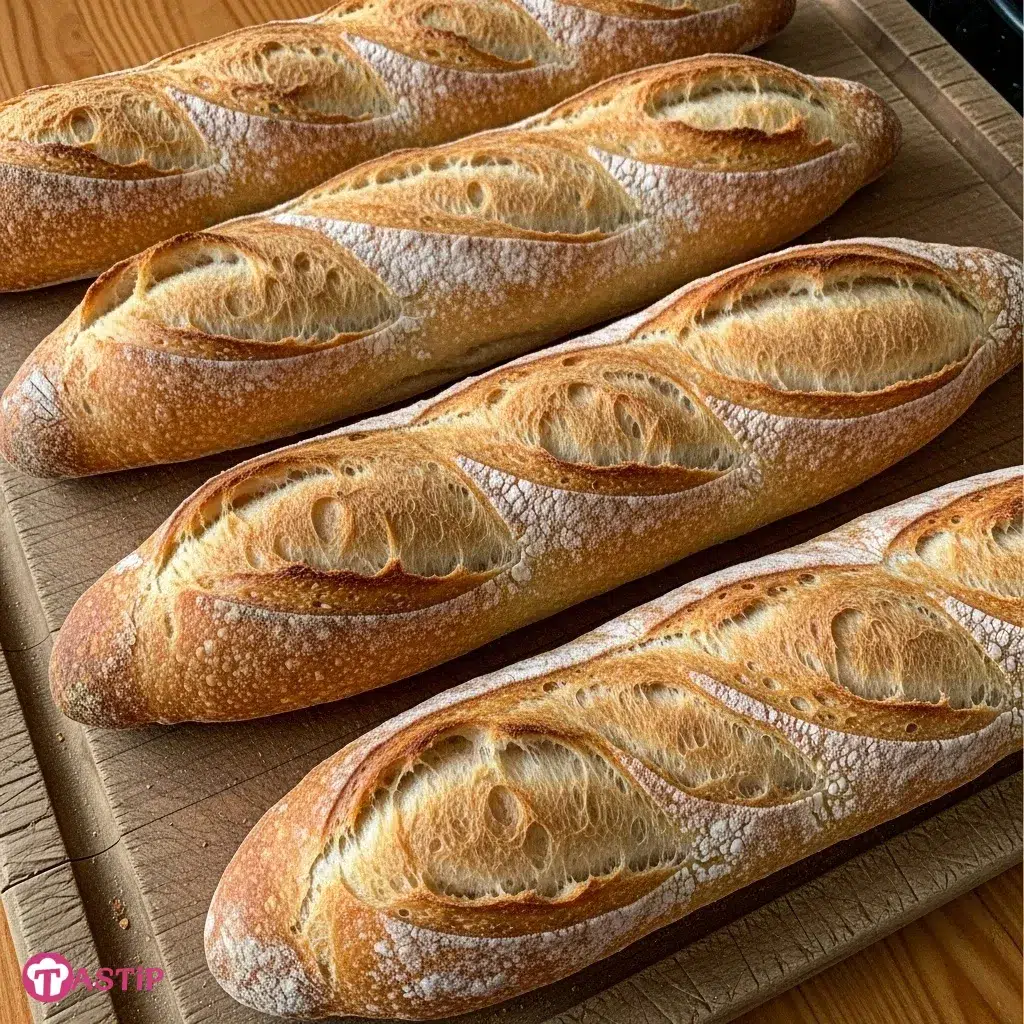
Nothing rivals the scent of fresh bread wafting through a home, a scent that instantly transports me back to the misty mornings I spent wandering through the narrow alleys of Montmartre. You do not need a passport to experience that authentic Parisian crunch when you master the King Arthur Baguette Recipe in your own kitchen. This recipe delivers a crust so crisp it crackles under your touch and an interior that remains airy, light, and beautifully chewy.
Achieving this professional-grade texture requires patience and high-quality ingredients, but the reward is a culinary masterpiece that elevates any meal. By following this King Arthur Baguette Recipe, you bring the soul of a French boulangerie into your home. Each bite tells a story of tradition, simple ingredients, and the magic of fermentation. Let us dive into the art of bread making and discover why this specific King Arthur Baguette Recipe stands as a gold standard for home bakers everywhere.
Why You’ll Love This King Arthur Baguette Recipe
- Authentic Artisan Texture: This King Arthur Baguette Recipe creates a classic thin, shatteringly crisp crust paired with a soft, hole-filled crumb that mimics the finest French loaves.
- Simple Ingredient List: You only need four basic pantry staples to create a world-class bread, making this an accessible project for any adventurous cook.
- Wholesome and Preservative-Free: Unlike store-bought bread, this King Arthur Baguette Recipe contains no hidden chemicals, focusing instead on the natural health benefits of slow fermentation.
- Versatile Culinary Foundation: Whether you use it for sandwiches, crostini, or simply dipping into olive oil, this baguette serves as the perfect canvas for global flavors.
The beauty of the King Arthur Baguette Recipe lies in its purity. As a traveler, I have seen how different cultures value the simplicity of wheat and water. In France, the baguette is protected by law, ensuring that only specific techniques and ingredients find their way into the dough.
This recipe honors that tradition while making it approachable for the modern American kitchen. You will find that the slow rise not only develops a complex, nutty flavor but also makes the bread easier to digest. There is a deep sense of satisfaction in shaping a sticky piece of dough into a long, elegant loaf.
When you pull it out of the oven, the golden hue and the “song” of the crust cooling will make you feel like a true artisan. This King Arthur Baguette Recipe is more than just a set of instructions; it is an invitation to slow down and appreciate the craft of slow-food cooking.
Ingredients You’ll Need
Success starts with the quality of your components. For the King Arthur Baguette Recipe, I highly recommend using the specific brand of flour mentioned, as its consistent protein content ensures the structure your bread needs to rise tall and stay strong. Water temperature also plays a vital role; too hot and you kill the yeast, too cold and the fermentation stalls. Use filtered water if possible to avoid chlorine flavors that might interfere with the delicate aroma of the wheat.
| Ingredient | Quantity | Purpose |
|---|---|---|
| King Arthur Unbleached All-Purpose Flour | 3 cups (approx. 360g) | Provides the essential protein for a strong gluten network. |
| Lukewarm Water | 1 to 1 1/8 cups | Hydrates the flour and activates the yeast for growth. |
| Salt | 1 1/2 teaspoons | Tightens gluten and enhances the natural flavor of the grain. |
| Instant Yeast | 1 teaspoon | The leavening agent that creates those beautiful air pockets. |
Substitutions & Variations
Note: This video is for demonstration purposes and may use a slightly different method.

While the classic King Arthur Baguette Recipe is perfect on its own, you might want to experiment with healthier or more diverse options. If you prefer a heartier loaf, you can substitute up to 25% of the white flour with King Arthur Whole Wheat Flour. This adds a boost of fiber and a deeper, toasted flavor profile.
However, avoid replacing all the flour with whole wheat, as the loaf will become too dense and lose its characteristic lightness. For those looking to reduce sodium, you can slightly decrease the salt, though be aware that salt also controls the rate of fermentation, so your dough may rise faster.
Another wonderful variation involves adding seeds. I love incorporating a tablespoon of flax seeds or chia seeds into the King Arthur Baguette Recipe dough for added Omega-3s and a pleasant crunch. If you want a Mediterranean twist, try folding in finely chopped rosemary or olives during the final shaping stage.
These additions turn a standard baguette into a gourmet experience. Remember that any liquid substitutions, like using a bit of sourdough discard for flavor, will require you to adjust the water content to maintain the correct dough consistency.
While the classic King Arthur Baguette Recipe is perfect on its own, you might want to experiment with healthier or more diverse options. For a delicious twist, check out this Walking Taco Casserole with Fritos for your next meal.
Step-by-Step Instructions
- Mix the Dough: In a large mixing bowl, combine the flour, yeast, and salt. Gradually pour in the lukewarm water. Use your hands or a sturdy spoon to mix until a shaggy dough forms. Ensure no dry flour remains at the bottom of the bowl.
- The First Rise (Autolyse): Let the dough rest for about 20 minutes. This allows the flour to fully hydrate and makes the subsequent kneading process much easier. This is a crucial step in the King Arthur Baguette Recipe for developing a better crumb.
- Knead the Dough: Transfer the dough to a lightly floured surface. Knead for about 5 to 7 minutes until the dough becomes smooth and elastic. If you use a stand mixer, 4 minutes on medium-low speed with a dough hook should suffice.
- Bulk Fermentation: Place the dough in a lightly greased bowl, cover it with plastic wrap or a damp cloth, and let it rise in a warm, draft-free spot for about 1.5 to 2 hours. The dough should double in size.
- Shape the Baguettes: Gently deflate the dough and divide it into three equal pieces. Roll each piece into a rough rectangle, then fold the edges toward the center and seal them. Roll the dough out into long cylinders, roughly 12 to 14 inches long. This shaping technique is vital for the King Arthur Baguette Recipe structure.
- Final Proof: Place the shaped loaves on a parchment-lined baking sheet or in a floured baguette pan. Cover gently and let them rise again for about 45 minutes to an hour until they look puffy.
- Score the Loaves: Prehead your oven to 450°F (230°C). Use a very sharp knife or a razor blade to make three or four diagonal slashes across the top of each baguette. This allows the bread to expand without bursting.
- Bake with Steam: Place the pan in the oven. For that signature King Arthur Baguette Recipe crust, pour a cup of hot water into a shallow pan on the bottom rack of the oven to create steam. Bake for 20 to 25 minutes until the loaves are deep golden brown.
- Cooling: Remove the baguettes from the oven and place them on a wire rack. Listen for the “crackle” as they cool. Wait at least 30 minutes before slicing to allow the interior structure to set.
Pro Tips for Success
Mastering the King Arthur Baguette Recipe requires attention to detail. First, always weigh your flour using a digital scale. Measuring by cups can lead to using too much flour, resulting in a dry, heavy loaf.
The King Arthur Baguette Recipe thrives on a specific hydration level, so precision is your best friend. Secondly, do not skip the steam in the oven. Steam keeps the surface of the dough moist during the first few minutes of baking, allowing the bread to expand fully and creating that thin, crispy crust we all love.
- Use a Baker’s Couche: If you want professional results, proof your dough on a linen cloth (couche). This supports the shape and absorbs just enough moisture from the surface to enhance the crust.
- Cold Fermentation: For a deeper flavor, let your dough rise in the refrigerator overnight. This slow fermentation allows the yeast to produce more complex organic compounds, making the King Arthur Baguette Recipe taste even better.
- Check the Internal Temp: Use an instant-read thermometer to ensure the bread is done. It should register between 190°F and 200°F (88-93°C) when fully baked.
- Handle Gently: When shaping, try not to degas the dough too aggressively. You want to preserve some of those air bubbles to ensure a light interior.
Mastering the King Arthur Baguette Recipe requires attention to detail and precision in measurements. To complement your baking skills, you can try making this Walking Taco Casserole: The Ultimate Crowd-Pleasing Recipe as well.
Storage & Reheating Tips
Fresh bread has a short shelf life because it lacks the preservatives found in commercial loaves. To keep your King Arthur Baguette Recipe creations fresh, store them in a paper bag at room temperature for up to 24 hours. Avoid plastic bags, as they trap moisture and turn the crispy crust soft and rubbery.
If you cannot finish the bread in one day, the best method is to freeze it. Slice the baguette or leave it whole, wrap it tightly in aluminum foil, and place it in a freezer bag. It will stay fresh for up to three months.
When you are ready to eat your frozen bread, do not use the microwave! Reheating the King Arthur Baguette Recipe in the oven is the only way to restore its glory. Preheat your oven to 350°F (175°C), sprinkle the crust with a tiny bit of water, and bake for 5 to 10 minutes.
This process refreshes the starches and brings back that incredible crunch. If the bread has gone slightly stale but isn’t frozen, you can transform it into high-quality croutons or use it for a healthy panzanella salad.
What to Serve With This Recipe
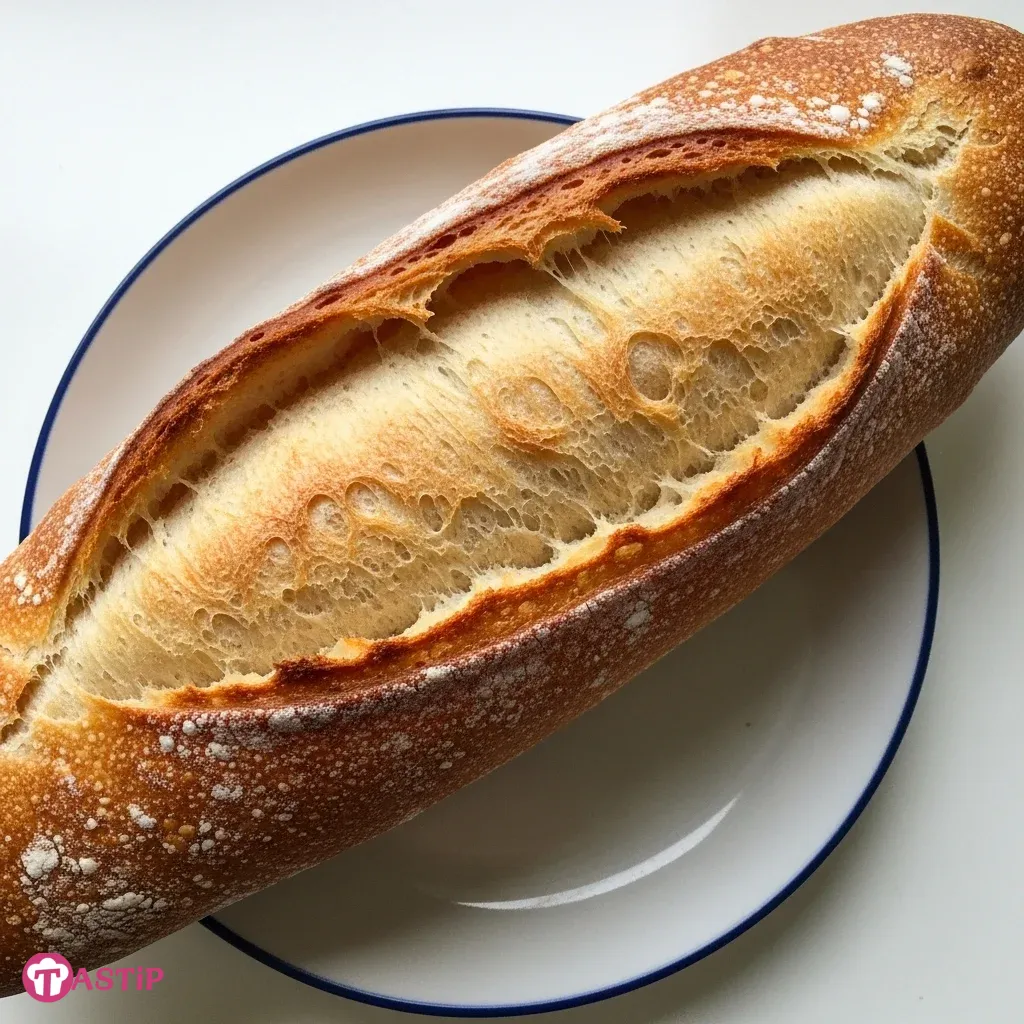
A loaf made from the King Arthur Baguette Recipe is incredibly versatile. For a light and healthy meal, I love pairing a fresh baguette with a vibrant Roasted Beet and Goat Cheese Salad. The earthy sweetness of the beets and the creamy tang of the cheese find a perfect partner in the crunchy, salty bread.
You can also use slices of the baguette to serve alongside a Mediterranean Vegetable Stew. The bread acts as the perfect vessel for soaking up every drop of nutrient-rich broth.
If you are looking for a protein-packed option, try making a lean Grilled Chicken Tartine. Slice the King Arthur Baguette Recipe loaf lengthwise, toast it slightly, and top it with sliced grilled chicken, avocado, and a squeeze of lemon. The crunch of the bread provides a satisfying contrast to the creamy avocado.
For a simple snack, nothing beats the classic combination of high-quality extra virgin olive oil and a dash of za’atar. This highlights the grain flavor of the bread while providing heart-healthy fats.
A loaf made from the King Arthur Baguette Recipe is incredibly versatile and pairs well with various dishes. For an amazing meal, consider serving it alongside The Ultimate Guide to Making Perfect Crispy Chicken Fritta.
FAQs
Can I use bread flour instead of all-purpose flour for this King Arthur Baguette Recipe?
Yes, you can certainly use bread flour. Bread flour has a higher protein content, which will result in a chewier texture and a slightly higher rise. If you use bread flour for the King Arthur Baguette Recipe, you might need to add an extra tablespoon of water, as the higher protein absorbs more liquid. Both options produce delicious results, but all-purpose flour yields a slightly more tender crumb.
Why did my baguette turn out flat and dense?
A flat loaf usually indicates that the dough was either over-proofed or under-kneaded. If the dough rises for too long, the yeast runs out of food, and the gluten structure collapses. Additionally, if you didn’t develop enough gluten during the kneading stage, the dough won’t have the strength to hold the carbon dioxide bubbles. Following the timing in the King Arthur Baguette Recipe closely will help prevent this.
Do I really need to put water in the oven?
Absolutely! The steam is a non-negotiable part of the King Arthur Baguette Recipe if you want an authentic crust. Without steam, the crust sets too quickly, preventing the bread from expanding (oven spring) and resulting in a thick, tough exterior rather than a thin, crispy one. A cast-iron skillet or an old cake pan filled with boiling water works perfectly for this purpose.
The King Arthur Baguette Recipe offers a glimpse into the traditions of French bread-making, characterized by a crisp crust and airy crumb. This recipe embraces simple ingredients and the science of fermentation, celebrating a beloved staple in many cultures, making it a must-try for any baking enthusiast who appreciates artisanal bread.
Nutrition Information (per serving)
This nutrition summary is based on one medium slice (approximately 1/12th of a standard baguette) made using the King Arthur Baguette Recipe. The simplicity of the ingredients keeps the fat content low and the focus on complex carbohydrates.
| Metric | Amount |
|---|---|
| Calories | 145 kcal |
| Total Fat | 0.5g |
| Sodium | 290mg |
| Total Carbohydrates | 30g |
| Dietary Fiber | 1.2g |
| Protein | 5g |
Embarking on the journey of baking the King Arthur Baguette Recipe is a rewarding experience that connects you to global culinary roots. There is something primal and beautiful about transforming flour and water into a golden loaf of bread. Whether you are an experienced baker or a curious novice, the King Arthur Baguette Recipe offers a reliable path to success.
So, clear your counter, flour your hands, and prepare to taste the world from your very own kitchen. Happy baking!
Print
King Arthur Baguette Recipe
- Total Time: 1 hr 15 mins
- Yield: 3 baguettes 1x
- Diet: Vegetarian
Description
Master the King Arthur Baguette Recipe in your kitchen to bring the soul of a French boulangerie into your home, with a crust so crisp and an airy, chewy interior.
Ingredients
3 cups King Arthur Unbleached All-Purpose Flour
1 to 1 1/8 cups Lukewarm Water
1 1/2 teaspoons Salt
1 teaspoon Instant Yeast
Instructions
- In a large mixing bowl, combine the flour, yeast, and salt. Gradually pour in the lukewarm water and mix until a shaggy dough forms
- Let the dough rest for about 20 minutes to fully hydrate
- Knead the dough for about 5 to 7 minutes until it becomes smooth and elastic
- Place the dough in a greased bowl, cover, and let it rise for about 1.5 to 2 hours until doubled in size
- Deflate the dough, divide into three pieces, and shape into baguettes
- Let the shaped loaves rise for 45 minutes to an hour
- Preheat the oven to 450°F (230°C) and score the loaves
- Bake the loaves for 20 to 25 minutes, creating steam in the oven for a crisp crust
- Cool the baguettes on a wire rack for at least 30 minutes before slicing
Notes
For heartier baguettes, substitute up to 25% of the white flour with whole wheat flour.
To enhance flavor, consider cold fermentation or adding seeds or herbs.
- Prep Time: 20 mins
- Cook Time: 25 mins
- Category: Baking
- Method: Baking
- Cuisine: French
Nutrition
- Serving Size: 1 slice
- Calories: 145 kcal
- Sugar: 0g
- Sodium: 290mg
- Fat: 0.5g
- Saturated Fat: 0g
- Unsaturated Fat: 0g
- Trans Fat: 0g
- Carbohydrates: 30g
- Fiber: 1.2g
- Protein: 5g
- Cholesterol: 0mg