
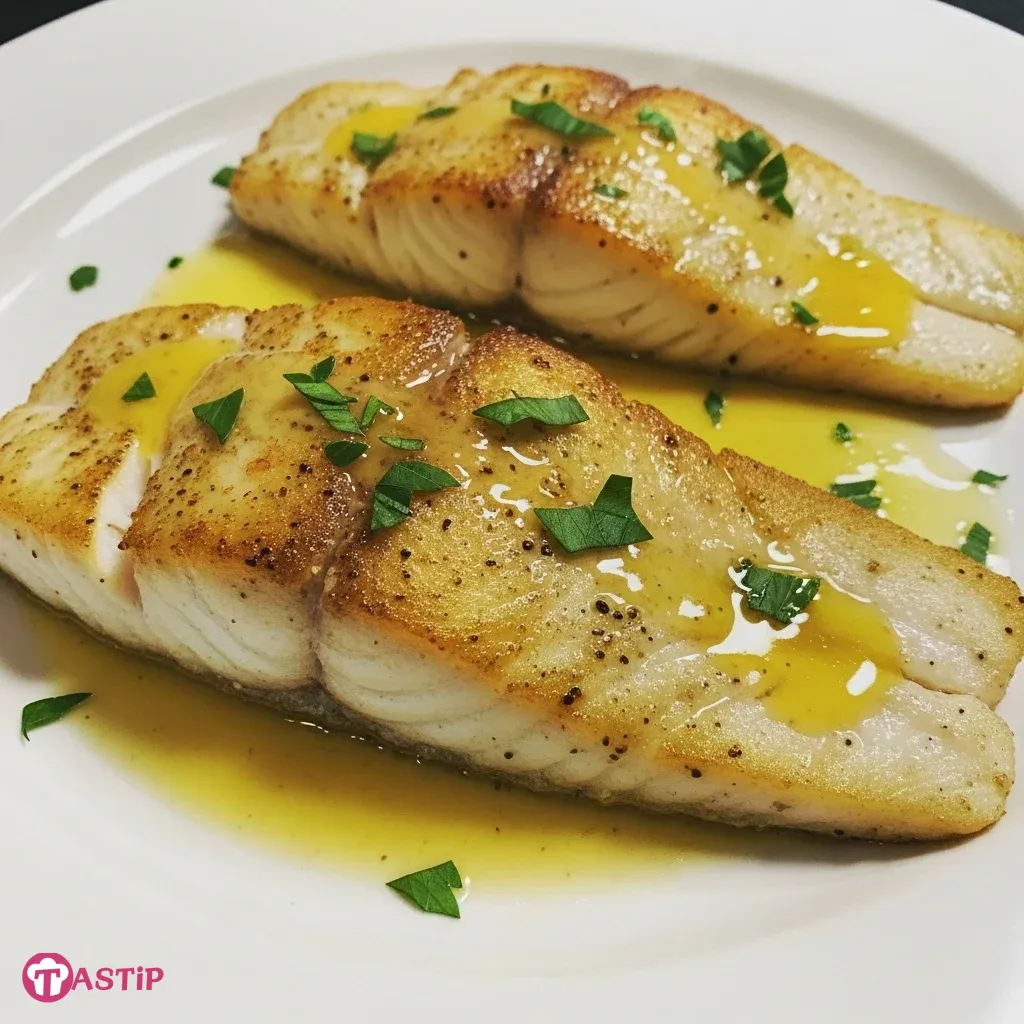
When you prepare Lemon Garlic Halibut, you are engaging in a delicate dance of chemistry and heat management. Halibut is a lean, white fish with a firm, large-grained flake that requires precise timing to avoid moisture loss. By combining the sharp acidity of citrus with the savory depth of allicin-rich garlic, you create a flavor profile that enhances rather than masks the fish’s natural sweetness.
This recipe focuses on the Maillard reaction to build a golden crust while keeping the interior succulent. You will find that the citrus oils from the lemon zest emulsify beautifully with the cooking fat, creating a sophisticated pan sauce in minutes. Master this Lemon Garlic Halibut, and you will understand the fundamental principles of searing protein to perfection.
Why You’ll Love This Recipe
- Superior Texture: This method ensures a crisp exterior and a buttery, flake-tender interior through controlled thermal application.
- Efficiency: You can execute this restaurant-quality Lemon Garlic Halibut in under twenty minutes, making it ideal for busy weeknights.
- Nutrient Density: Halibut provides high-quality protein, selenium, and omega-3 fatty acids, making this a cardiovascularly supportive meal.
- Flavor Balance: The interplay between the high-acid lemon and the rich fats creates a perfectly balanced palate experience.
Ingredients You’ll Need
Success in the kitchen begins with understanding your raw materials. Halibut is an expensive, premium fish, so sourcing is paramount. I recommend wild-caught Pacific halibut for its sustainability and superior fat content compared to other varieties.
When selecting your fillets, look for flesh that is translucent and firm to the touch, avoiding any pieces that appear milky or soft. Furthermore, the quality of your fat—butter or high-smoke-point oil—will dictate the success of your sear. Below is the precise breakdown of what you need for the perfect Lemon Garlic Halibut.
| Ingredient | Quantity | Scientific Role |
|---|---|---|
| Halibut Fillets | 1.5 lbs (4 portions) | The primary protein; lean and prone to moisture loss if overcooked. |
| Kosher Salt | 1 tsp | Denatures surface proteins to improve browning and moisture retention. |
| Ghee or Avocado Oil | 2 tbsp | High smoke point fat allows for a hard sear without burning. |
| Unsalted Butter | 2 tbsp | Adds milk solids for flavor and creates a velvety pan sauce. |
| Fresh Garlic | 4 cloves, minced | Provides sulfur compounds that develop savory depth when heated. |
| Fresh Lemon Juice | 2 tbsp | The acid breaks down connective tissues and brightens the palate. |
| Lemon Zest | 1 tbsp | Contains aromatic oils (limonene) for intense citrus fragrance. |
| Fresh Parsley | 2 tbsp, chopped | Adds a chlorophyll-driven freshness to cut through the richness. |
Substitutions & Variations
Note: This video is for demonstration purposes and may use a slightly different method.

If you cannot find halibut, you can apply this Lemon Garlic Halibut technique to other thick-cut white fish. Sea bass or cod are excellent alternatives, though cod is more fragile and requires gentler handling. For those avoiding dairy, replace the butter with a high-quality extra virgin olive oil added at the very end to preserve its polyphenols.
If you want to experiment with the acid component, lime juice provides a more tropical profile, while Meyer lemons offer a sweeter, floral alternative to standard Eureka lemons. To increase the complexity of your Lemon Garlic Halibut, consider adding a teaspoon of drained capers to the pan sauce; the brine provides a fermentation-driven saltiness that complements the fish beautifully.
If you’re open to trying other delicious options, check out this recipe for Lemon Garlic Chicken Breast, which uses a similar cooking technique and flavor profile to enhance your protein selection.
Step-by-Step Instructions
- Prep the Protein: Remove the halibut fillets from the refrigerator 15 minutes before cooking. Pat the fish extremely dry with paper towels. Removing surface moisture is critical because water absorbs thermal energy through evaporation, which prevents the Maillard reaction (browning). Season both sides generously with kosher salt.
- Heat the Pan: Place a heavy-bottomed stainless steel or cast-iron skillet over medium-high heat. Add your high-smoke-point oil or ghee. Wait until the oil shimmers and just begins to reach its smoke point. This ensures the fish sears instantly upon contact, preventing it from sticking to the metal.
- The Initial Sear: Carefully place the halibut fillets in the pan. Press down lightly with a spatula to ensure full contact. Cook undisturbed for 4 to 5 minutes. You are looking for a deep golden-brown crust. If the fish resists when you try to flip it, the proteins haven’t fully released yet; give it another 30 seconds.
- The Flip and Flavor Infusion: Flip the fillets gently. Immediately reduce the heat to medium. Add the butter to the pan. Once the butter foams, add the minced garlic and lemon zest. Tilt the pan slightly and use a spoon to continuously baste the Lemon Garlic Halibut with the aromatic butter. This technique, known as “arroser,” cooks the top of the fish while infusing it with flavor.
- Final Finish: Add the fresh lemon juice to the pan. The liquid will deglaze the skillet, lifting the browned bits (fond) into the sauce. Continue basting for 2 to 3 minutes or until the internal temperature reaches 130°F (54°C). The temperature will rise to 135°F during resting.
- Rest and Serve: Remove the fillets from the pan and place them on a warm plate. Pour the remaining pan sauce over the top and garnish with fresh parsley. Let the Lemon Garlic Halibut rest for 3 minutes to allow the juices to redistribute within the muscle fibers.
Pro Tips for Success
As a chef, I cannot stress enough the importance of internal temperature. Overcooking is the primary reason people dislike fish. Halibut has very little connective tissue; once it passes 140°F, the protein fibers contract tightly and squeeze out all the moisture, resulting in a chalky texture.
Use a digital instant-read thermometer to pull your Lemon Garlic Halibut at exactly 130°F. Additionally, always use fresh garlic rather than the pre-minced jarred variety. Jarred garlic is often preserved in citric acid, which alters the flavor profile and lacks the volatile compounds necessary for a truly aromatic sauce.
Finally, ensure your pan is large enough. Crowding the pan drops the temperature and causes the fish to steam in its own juices rather than sear. If necessary, cook your Lemon Garlic Halibut in two batches to maintain consistent heat levels.
For more tips on achieving the perfect flavor balance, consider making Lemon Ginger Tea, which complements dishes like our Lemon Garlic Halibut with its refreshing citrus notes.
Storage & Reheating Tips
Leftover Lemon Garlic Halibut should be stored in an airtight glass container in the refrigerator for no more than two days. Reheating fish is notoriously difficult because it dries out easily. I recommend the “low and slow” approach.
Place the fish in a baking dish with a splash of water or broth, cover it tightly with foil, and warm it in a 275°F oven until just heated through. Alternatively, you can flake the cold halibut and use it in a salad or as a protein topper for a warm grain bowl, which avoids the reheating process altogether. Never use a microwave for Lemon Garlic Halibut, as the high-intensity radiation will turn the delicate protein rubbery in seconds.
What to Serve With This Recipe
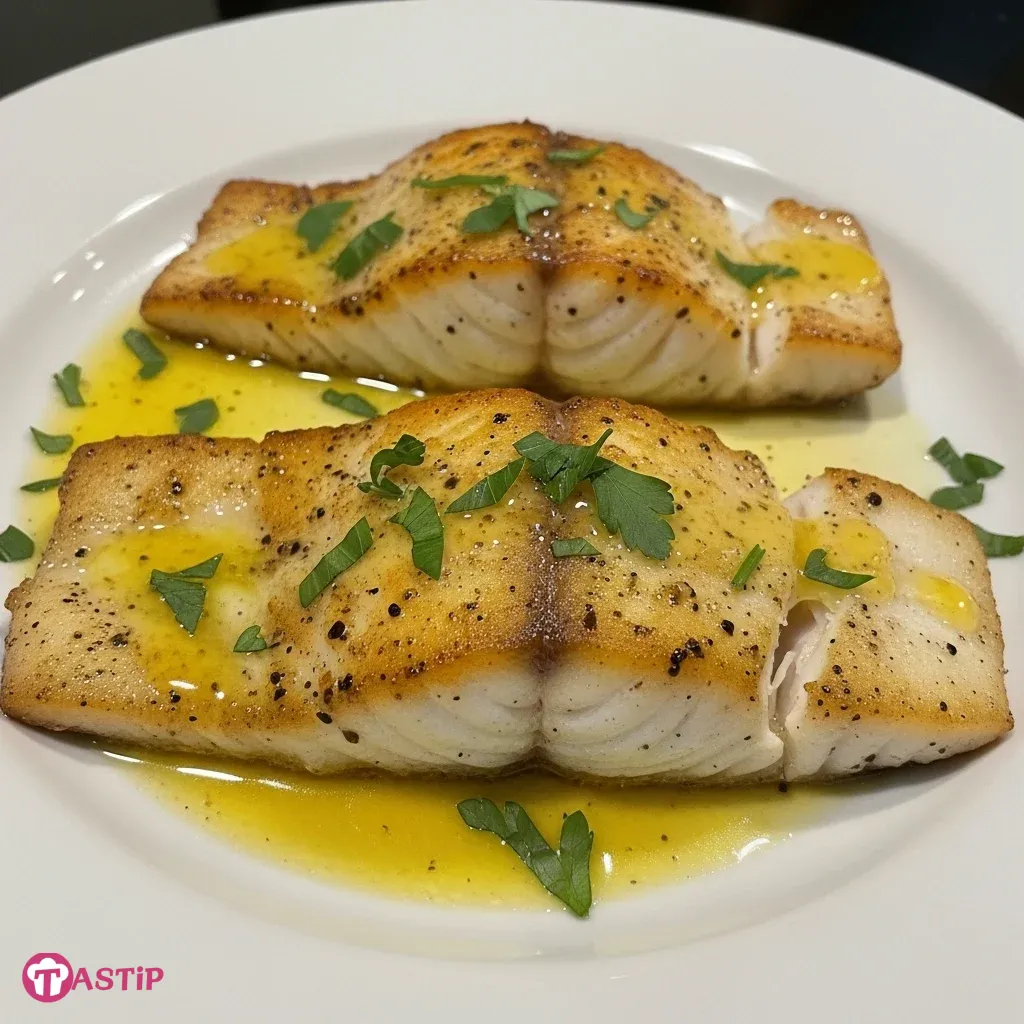
Because Lemon Garlic Halibut is rich and savory, you want side dishes that offer contrast. A crisp arugula salad with a light vinaigrette provides a peppery bite that cuts through the butter sauce. For a more substantial meal, consider roasted asparagus or blanched green beans tossed in toasted almonds; the crunch of the vegetables complements the soft flakes of the halibut.
If you prefer a starch, quinoa or wild rice pilaf acts as a wonderful sponge for the lemon-garlic butter. I also highly recommend a side of roasted cherry tomatoes; as they burst, their acidity and umami provide a secondary sauce that elevates the entire plate.
To elevate your dining experience, serve alongside Lemon Cupcakes for a delightful contrast that pairs well with the savory halibut and rounds out your meal beautifully.
FAQs
Can I make Lemon Garlic Halibut with frozen fish?
Yes, you can use frozen halibut, but you must thaw it completely in the refrigerator overnight. Once thawed, it is even more important to pat the fish dry, as frozen fish tends to release more cellular moisture than fresh. If the fish remains wet, you will never achieve the desired golden crust that makes Lemon Garlic Halibut so iconic.
Is halibut a healthy fish choice?
Halibut is an excellent choice for a health-conscious diet. It is a dense source of micronutrients like potassium and magnesium, which are vital for heart health. Specifically, Lemon Garlic Halibut provides a lean protein source that is low in saturated fat but high in essential fatty acids. It is a “clean” protein that supports muscle repair and metabolic function.
Why did my garlic turn bitter?
Garlic turns bitter when it burns. In this Lemon Garlic Halibut recipe, we add the garlic only after flipping the fish and reducing the heat. If your pan is too hot when the garlic hits the fat, the sugars in the garlic will carbonize instantly. Always keep the garlic moving in the foaming butter to regulate its temperature and prevent scorching.
Lemon Garlic Halibut is a popular seafood dish that combines the flavors of fresh garlic and zesty lemon to highlight the natural sweetness of the fish. This preparation not only enhances the dish but also showcases the techniques of searing and balancing flavors, making it a favorite among seafood enthusiasts. For more insights about cooking methods, you can learn about the Maillard reaction in cooking here.
Nutrition Information (per serving)
This nutritional profile assumes a standard 6-ounce portion of halibut prepared according to the recipe instructions. Note that the majority of the fat comes from heart-healthy sources and the butter used for basting.
| Calories | 320 kcal |
| Protein | 36g |
| Total Fat | 18g |
| Saturated Fat | 7g |
| Carbohydrates | 3g |
| Cholesterol | 95mg |
| Sodium | 480mg |
Lemon Garlic Halibut
- Total Time: 25 mins
- Yield: 4 servings 1x
- Diet: Gluten Free
Description
This Lemon Garlic Halibut features a crisp exterior and a tender interior, enhanced by the bright acidity of lemon and the savory depth of garlic. Perfect for weeknights, it's quick and packed with nutrients.
Ingredients
1.5 lbs Halibut Fillets
1 tsp Kosher Salt
2 tbsp Ghee or Avocado Oil
2 tbsp Unsalted Butter
4 cloves Fresh Garlic, minced
2 tbsp Fresh Lemon Juice
1 tbsp Lemon Zest
2 tbsp Fresh Parsley, chopped
Instructions
- Remove the halibut fillets from the refrigerator 15 minutes before cooking and pat them dry with paper towels. Season both sides with kosher salt
- Heat a stainless steel or cast-iron skillet over medium-high heat. Add the ghee or avocado oil and wait until it shimmers
- Place the halibut fillets in the pan and press lightly to ensure contact. Cook for 4 to 5 minutes until golden brow
- Flip the fillets gently and reduce the heat to medium. Add the butter, minced garlic, and lemon zest to the skillet, basting the fish with the butter mixture
- Add fresh lemon juice to deglaze the pan. Continue basting until the internal temperature reaches 130°F
- Remove from the pan and transfer to a plate. Pour the remaining pan sauce over the top and garnish with parsley. Let rest for 3 minutes before serving
Notes
Ensure not to overcrowd the pan to maintain heat levels for proper searing.
- Prep Time: 15 mins
- Cook Time: 10 mins
- Category: Dinner
- Method: Searing
- Cuisine: American
Nutrition
- Serving Size: 1 portion
- Calories: 320 kcal
- Sugar: 1 g
- Sodium: 480 mg
- Fat: 18 g
- Saturated Fat: 7 g
- Unsaturated Fat: 11 g
- Trans Fat: 0 g
- Carbohydrates: 3 g
- Fiber: 0 g
- Protein: 36 g
- Cholesterol: 95 mg