
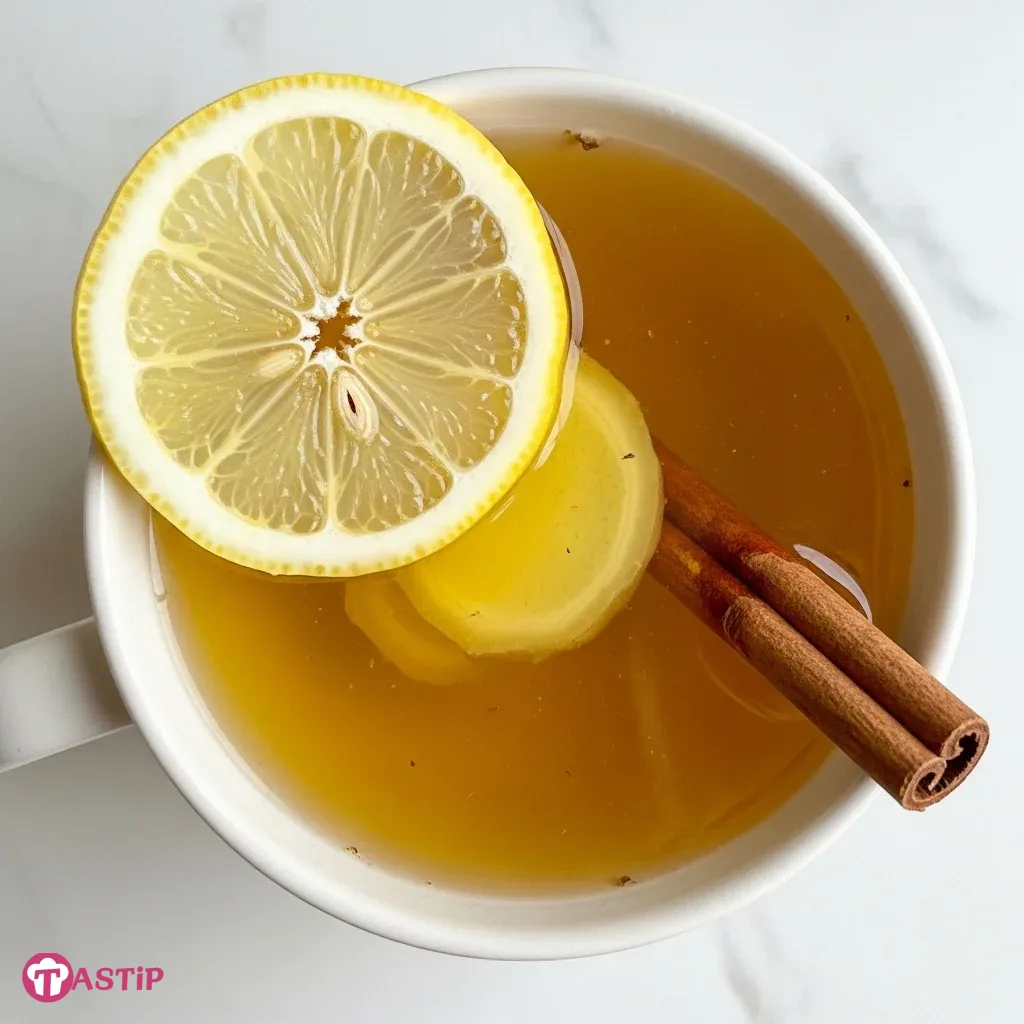
Brewing a perfect cup of Lemon Ginger Tea involves more than just dropping ingredients into hot water; it requires an understanding of extraction and temperature control. This vibrant infusion combines the sharp, pungent heat of fresh ginger rhizomes with the bright, clarifying acidity of citrus. You will notice a spicy warmth that coats the throat, followed by a refreshing zing that cleanses the palate.
The texture remains light and fluid, yet it carries a subtle viscosity if you incorporate high-quality honey. Mastering this Lemon Ginger Tea recipe allows you to balance powerful bioactive compounds with sophisticated culinary technique. It serves as both a therapeutic tonic and a delightful daily ritual for any home cook.
Why You’ll Love This Lemon Ginger Tea
- Bioactive Potency: This recipe maximizes the extraction of gingerol and shogaol, providing a powerful punch of antioxidants and anti-inflammatory properties.
- Customizable Flavor Profile: You control the “heat” of the ginger and the “tang” of the lemon, allowing for a personalized balance that commercial tea bags cannot replicate.
- Quick Preparation: Even with a scientific approach to extraction, you can prepare a fresh batch of Lemon Ginger Tea in under fifteen minutes.
- Clean Ingredients: By using whole foods, you eliminate the artificial flavorings and preservatives often found in processed tea blends.
Ingredients You’ll Need
To achieve professional results, you must select the freshest components available. The quality of your Lemon Ginger Tea depends entirely on the chemical integrity of your starting materials.
| Ingredient | Quantity | Purpose |
|---|---|---|
| Fresh Ginger Root | 3-inch piece | Provides the spicy heat and gingerol compounds. |
| Fresh Lemon | 1 large (or 2 small) | Adds citric acid, Vitamin C, and essential oils. |
| Filtered Water | 4 cups | Acts as the solvent for extraction. |
| Raw Honey | 1-2 tablespoons | Balances acidity and adds antimicrobial properties. |
| Cinnamon Stick | 1 piece (optional) | Introduces woody sweetness and stabilizes blood sugar. |
Substitutions & Variations
Note: This video is for demonstration purposes and may use a slightly different method.

While the classic Lemon Ginger Tea relies on three main pillars, you can adjust the formula to suit specific dietary needs or flavor preferences. If you prefer a vegan option, swap the honey for pure maple syrup or a few drops of liquid stevia. Maple syrup contains manganese and zinc, which complement the mineral profile of the ginger.
For those seeking an extra anti-inflammatory boost, add a half-teaspoon of fresh turmeric root. Turmeric contains curcumin, which becomes more bioavailable when consumed alongside the heat of ginger. If you enjoy a spicy kick, a pinch of cayenne pepper will increase the thermogenic effect of the Lemon Ginger Tea. Conversely, if the ginger feels too aggressive, adding a few sprigs of fresh mint will introduce menthol, which provides a cooling sensation that rounds out the sharp edges of the brew.
If you enjoy Lemon Ginger Tea’s rich flavor, you might also love baking with lemon. Try out this delightful recipe for Lemon Raspberry Cookies that perfectly complement your cup of tea!
Step-by-Step Instructions
The goal here is to optimize the surface area for maximum flavor extraction without over-boiling the delicate citrus notes. Follow these steps to create a superior Lemon Ginger Tea.
- Prepare the Ginger: Wash the ginger root thoroughly to remove any soil. You do not need to peel the ginger, as the skin contains concentrated flavor, but you must increase the surface area. Slice the ginger into very thin rounds or grate it using a microplane to expose the cellular structure.
- Boil the Water: Bring four cups of filtered water to a rolling boil in a non-reactive stainless steel saucepan. Using filtered water prevents chlorine or heavy minerals from interfering with the delicate flavors of your Lemon Ginger Tea.
- Simmer the Ginger: Add the prepared ginger to the boiling water. Immediately reduce the heat to a low simmer. Maintain this simmer for 10 to 12 minutes. This duration allows the heat to convert some of the gingerol into shogaol, which increases the spicy potency of the infusion.
- Prepare the Citrus: While the ginger simmers, juice your lemon into a separate glass. Reserve the spent lemon halves. Once the 12 minutes have elapsed, turn off the heat and drop the spent lemon rinds into the pot for 2 minutes. The residual heat extracts the limonene and essential oils from the zest without making the Lemon Ginger Tea bitter.
- Combine and Steep: Remove the pot from the stove. Strain the liquid through a fine-mesh sieve into a teapot or large glass jar. Discard the solids. Now, stir in the fresh lemon juice. Adding the juice after the boiling process preserves the heat-sensitive Vitamin C.
- Sweeten and Serve: Allow the Lemon Ginger Tea to cool slightly (to about 110°F or 43°C) before stirring in the honey. High temperatures can destroy the beneficial enzymes found in raw honey. Serve immediately in pre-warmed mugs.
Pro Tips for Success
To truly master Lemon Ginger Tea, you must think like a chemist. First, consider the surface area of your ginger. Grated ginger releases flavor faster than sliced ginger because it ruptures more cell walls, but it requires more careful straining.
If you prefer a clearer tea, stick to paper-thin slices. Second, never boil the lemon juice. Citric acid remains stable, but the complex aromatic compounds and Vitamin C degrade rapidly at 212°F.
By adding the juice at the end, you maintain a “bright” flavor profile. Third, use a lid during the simmering process. Volatile oils responsible for the ginger’s aroma will escape with the steam if you leave the pot uncovered.
Covering the pot ensures those aromatics stay in your Lemon Ginger Tea. Finally, consider the pH balance. If the tea tastes too sharp, a tiny pinch of sea salt can suppress the perception of bitterness and enhance the natural sweetness of the ginger.
Understanding the intricacies of brewing Lemon Ginger Tea can enhance your overall culinary skills. To explore another delightful lemon-infused recipe, check out these Lemon Garlic Scallops that are both refreshing and flavorful.
Storage & Reheating Tips
You can easily prepare a large batch of Lemon Ginger Tea and store it for later use. Transfer any leftover tea to a glass airtight container once it reaches room temperature. It will stay fresh in the refrigerator for up to five days.
When you are ready for another cup, avoid the microwave if possible. Microwaves create hot spots that can unevenly degrade the nutrients. Instead, pour the Lemon Ginger Tea into a small saucepan and warm it over low heat until it reaches your desired temperature.
If you prefer a cold beverage, this recipe makes an excellent iced tea. Simply pour the chilled tea over ice and add a fresh slice of lemon. The flavors actually deepen after 24 hours in the fridge as the compounds continue to meld.
What to Serve With This Recipe
Lemon Ginger Tea serves as a fantastic accompaniment to light, health-conscious meals. Because it aids digestion, it pairs perfectly with fiber-rich dishes. Try serving it alongside a massaged kale salad with a light tahini dressing.
The acidity of the tea cuts through the richness of the tahini beautifully. It also complements roasted vegetables, particularly carrots or sweet potatoes, as the ginger highlights the natural sugars in root vegetables. For a light snack, consider a bowl of raw almonds or walnuts; the tannins in the nuts provide a nice structural contrast to the bright citrus.
If you are enjoying the Lemon Ginger Tea in the morning, pair it with a bowl of steel-cut oats topped with fresh berries. The spicy notes of the tea provide a sophisticated counterpoint to the creamy oats.
Lemon Ginger Tea is a wonderful beverage to have with light meals. For an ideal pairing, consider this tasty recipe for Lemon Garlic Lamb Chops, which elevate your dining experience.
FAQs
Can I use ground ginger instead of fresh ginger?
While you can technically use ground ginger, the result will differ significantly. Ground ginger lacks the volatile oils and “juice” of the fresh rhizome, leading to a flatter, dustier flavor profile. Furthermore, ground ginger is much more concentrated; you would only need about half a teaspoon for four cups of water. For the best Lemon Ginger Tea, always prioritize fresh ginger root for its superior chemical profile and aroma.
Is it necessary to peel the ginger before boiling?
No, peeling is not necessary and often wasteful. The skin of the ginger is thin and perfectly edible. In fact, many of the aromatic compounds reside just beneath the surface of the skin.
As long as you scrub the root thoroughly to remove any dirt, you can slice or grate it with the skin intact. This saves time and ensures you capture the full essence of the plant in your Lemon Ginger Tea.
Does Lemon Ginger Tea contain caffeine?
Naturally prepared Lemon Ginger Tea is 100% caffeine-free. It consists entirely of herbal and fruit components. This makes it an ideal beverage for evening consumption or for individuals who are sensitive to stimulants. It provides a natural energy boost through its refreshing scent and the thermogenic properties of ginger without affecting your sleep cycle or causing jitters.
Lemon Ginger Tea is a popular drink known for its invigorating flavor and health benefits, often utilized in various culinary traditions for its soothing properties. It can enhance digestion and boost the immune system, making it a favored choice in wellness circles. For more information about its health benefits, see this detailed article on ginger.
Nutrition Information (per serving)
The nutritional profile of Lemon Ginger Tea is remarkably lean, making it an excellent choice for those monitoring their caloric intake. The values below assume a standard serving size of 8 ounces with a modest amount of honey.
| Nutrient | Amount Per Serving |
|---|---|
| Calories | 25 kcal |
| Total Fat | 0g |
| Sodium | 2mg |
| Total Carbohydrates | 7g |
| Sugars | 6g |
| Protein | 0.2g |
| Vitamin C | 15% DV |
Lemon Ginger Tea
- Total Time: 20 mins
- Yield: 4 servings 1x
- Diet: Vegan option available
Description
Brewing a perfect cup of Lemon Ginger Tea involves an understanding of extraction and temperature control, combining the heat of ginger with the brightness of lemon.
Ingredients
1 piece Fresh Ginger Root (3-inch)
1 large Fresh Lemon (or 2 small)
4 cups Filtered Water
1–2 tablespoons Raw Honey
1 piece Cinnamon Stick (optional)
Instructions
- Wash the ginger root thoroughly and slice it into very thin rounds or grate it
- Bring four cups of filtered water to a rolling boil in a non-reactive saucepa
- Add the prepared ginger to the boiling water and reduce the heat to a low simmer for 10 to 12 minutes
- Juice the lemon into a glass, reserve the spent lemon halves, and after simmering, drop them into the pot for 2 minutes
- Strain the liquid into a teapot or large glass jar, then stir in the fresh lemon juice
- Cool slightly before stirring in the honey and serve immediately
Notes
Use a lid during the simmering to retain volatile oils.
Avoid boiling the lemon juice to maintain the Vitamin C.
- Prep Time: 5 mins
- Cook Time: 15 mins
- Category: Beverage
- Method: Infusion
- Cuisine: American
Nutrition
- Serving Size: 1 cup
- Calories: 25 kcal
- Sugar: 6g
- Sodium: 2mg
- Fat: 0g
- Saturated Fat: 0g
- Unsaturated Fat: 0g
- Trans Fat: 0g
- Carbohydrates: 7g
- Fiber: 0g
- Protein: 0.2g
- Cholesterol: 0mg