
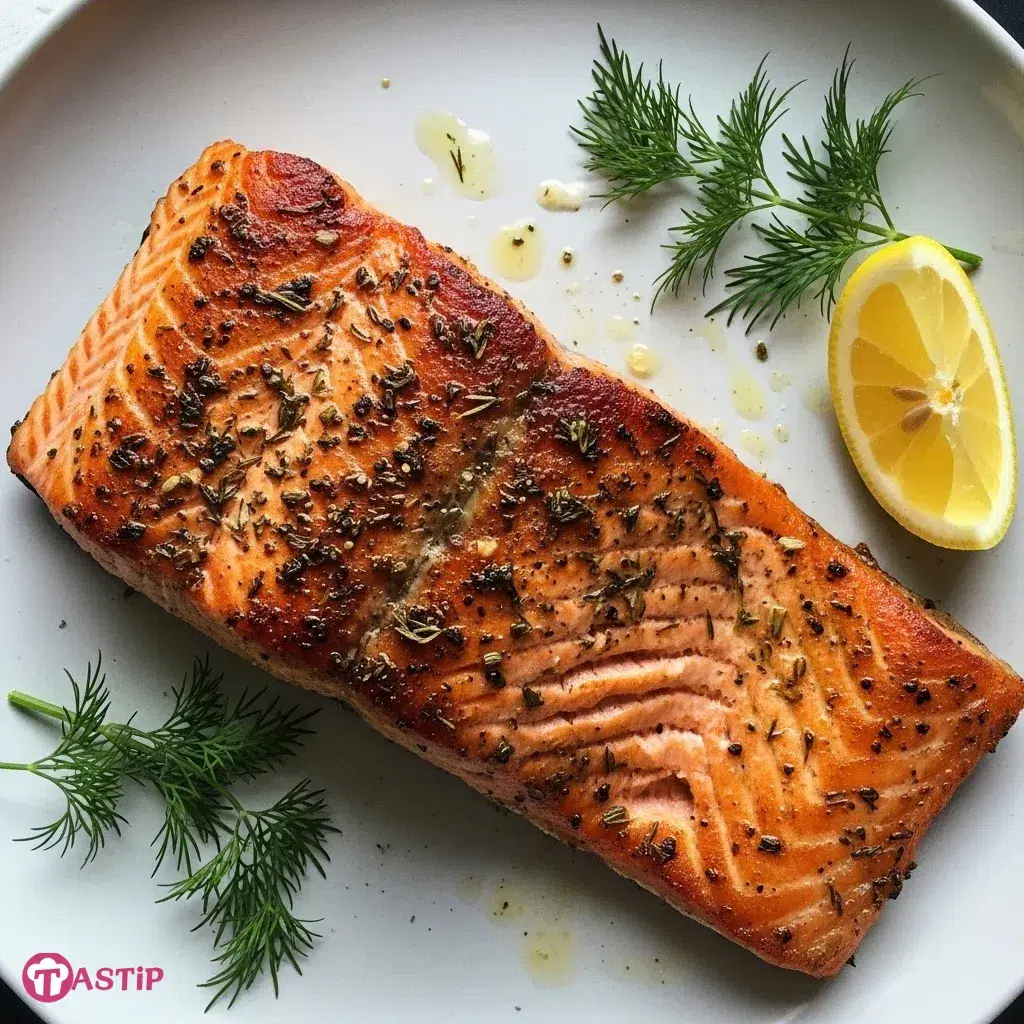
Achieving the perfect Low-Carb Grilled Salmon requires more than just a flame; it requires a fundamental understanding of protein structure and heat transfer. This recipe delivers a crispy, crackling skin that contrasts beautifully with a buttery, medium-rare interior. We focus on high-quality fats and fresh aromatics to enhance the natural richness of the fish without relying on sugary glazes.
By skipping the heavy marinades, you maintain a metabolic-friendly profile while highlighting the pure flavor of the sea. Whether you are a seasoned pitmaster or a kitchen novice, this Low-Carb Grilled Salmon will become your new gold standard for healthy weeknight meals. Let’s explore the science of the sear and master this elegant dish together.
Why You’ll Love This Low-Carb Grilled Salmon Recipe
- Nutrient Density: This dish is packed with high-quality Omega-3 fatty acids and lean protein, making it a nutritional powerhouse for any diet.
- Superior Texture: We utilize technical grilling methods to ensure the skin achieves a glass-like crunch while the flesh remains moist and tender.
- Speed and Efficiency: From the prep station to the dinner table, this Low-Carb Grilled Salmon takes less than 20 minutes to complete.
- Flavor Complexity: The combination of smoke, lemon acidity, and fresh herbs creates a sophisticated palate without the need for processed sugars.
Ingredients You’ll Need
In the test kitchen, we emphasize that a recipe is only as good as its raw materials. For Low-Carb Grilled Salmon, ingredient selection is paramount because there are no heavy sauces to hide imperfections. We look for salmon with vibrant color and firm flesh that bounces back when pressed. Cold-pressed oils and fresh-cut herbs provide the volatile aromatic compounds needed to elevate the dish.
| Ingredient | Quantity | The Science/Purpose |
|---|---|---|
| Wild-Caught Salmon Fillets | 4 (6-oz) fillets | High fat content ensures the fish doesn’t dry out during the high-heat grilling process. |
| Extra Virgin Olive Oil | 2 Tablespoons | Provides a conductive medium for heat and prevents the fish from sticking to the grates. |
| Fresh Lemon Juice | 1 Tablespoon | The acid denatures the surface proteins slightly and cuts through the oily richness of the fish. |
| Garlic Powder | 1 Teaspoon | Offers a savory depth that survives the high heat better than fresh minced garlic. |
| Fresh Dill or Parsley | 2 Tablespoons, chopped | Adds bright, herbaceous notes that balance the smokiness of the grill. |
| Kosher Salt & Cracked Black Pepper | To taste | Salt draws out moisture to help create a crust; pepper adds essential heat. |
Substitutions & Variations
Note: This video is for demonstration purposes and may use a slightly different method.

While the classic Low-Carb Grilled Salmon is perfection in its simplest form, you can experiment with different flavor profiles to keep your meal rotation exciting. Always remember that any substitution should respect the delicate nature of the fish proteins. Here are a few test-kitchen-approved variations:
- The Citrus Swap: Replace lemon with lime juice and add a pinch of chili flakes for a zestier, Southwestern flair.
- Healthy Fats: If you prefer a higher smoke point, use avocado oil or melted ghee instead of olive oil to prevent the oil from breaking down too quickly.
- Herb Alternatives: Fresh cilantro or basil can replace dill to shift the flavor profile toward Mediterranean or Southeast Asian cuisines.
- Cedar Plank Method: For a deeper smoky flavor, grill the salmon on a soaked cedar plank; this protects the fish from direct heat while infusing it with wood aromatics.
While exploring variations of Low-Carb Grilled Salmon can be delightful, don’t forget to try the delicious Parmesan Crusted Chicken Longhorn as an alternative protein option that brings a unique flavor to your dining experience.
Step-by-Step Instructions
- Prepare the Fish: Remove the salmon fillets from the refrigerator 15 minutes before cooking. Pat them bone-dry with paper towels. Removing surface moisture is critical; moisture creates steam, which prevents the Maillard reaction (the browning process) from occurring.
- Preheat the Grill: Clean your grill grates thoroughly and preheat to medium-high heat (approximately 400°F to 450°F). A hot grill is essential for searing the Low-Carb Grilled Salmon before it has a chance to stick to the metal.
- Season the Fillets: In a small bowl, whisk together the olive oil, lemon juice, garlic powder, salt, and pepper. Brush this mixture generously over both sides of the salmon. Ensure every inch is coated to create a protective barrier against the heat.
- The Initial Sear: Place the salmon on the grill grates, skin-side down. Close the lid and cook for about 4-5 minutes. The skin acts as a natural heat shield, protecting the delicate flesh while it renders out its own fat, essentially “frying” the skin into a crispy texture.
- The Flip: Carefully flip the fillets using a wide spatula. If the fish resists, wait another 30 seconds. The Low-Carb Grilled Salmon will naturally “release” from the grate once the proteins have sufficiently coagulated. Cook for an additional 2-3 minutes on the second side.
- Rest and Garnish: Remove the fish from the grill when the internal temperature reaches 130°F to 135°F for medium. Let the fish rest for 3 minutes. During this time, carry-over cooking will bring the temperature up to the ideal 145°F. Garnish with fresh dill and a final squeeze of lemon.
Pro Tips for Success
To master Low-Carb Grilled Salmon, you must think like a scientist. One common mistake is overcooking the fish until the “white stuff” (albumen) starts oozing out. Albumen is a protein that gets pushed to the surface when the muscle fibers contract too tightly due to excessive heat.
To prevent this, pull the fish off the heat slightly before it looks finished. The residual heat will do the rest of the work.
Furthermore, always ensure your grill grates are well-oiled. Use a pair of tongs and a rolled-up paper towel dipped in oil to wipe the grates just before placing the fish down. This creates a non-stick surface at the molecular level.
Another technical tip: keep the grill lid closed as much as possible. This creates a convection environment, ensuring the Low-Carb Grilled Salmon cooks evenly from all sides rather than just from the bottom up.
As you perfect your grilling technique, consider the associated challenge of chicken preparation with Chicken Breast with Zucchini and Squash, which offers tips on ensuring moisture retention and preventing overcooking.
Storage & Reheating Tips
If you happen to have leftovers of your Low-Carb Grilled Salmon, storage is simple. Place the cooled fillets in an airtight glass container and refrigerate for up to 3 days. However, the texture of the skin will soften over time as it absorbs moisture from the fish.
For reheating, I strongly advise against the microwave, which can turn the delicate oils rancid and toughen the protein fibers. Instead, place the salmon in a toaster oven or a standard oven at 275°F. Add a teaspoon of water or a small pat of butter on top and cover with foil.
Heat just until warm (about 10 minutes). This gentle method preserves the integrity of the Low-Carb Grilled Salmon without drying it out.
What to Serve With This Recipe
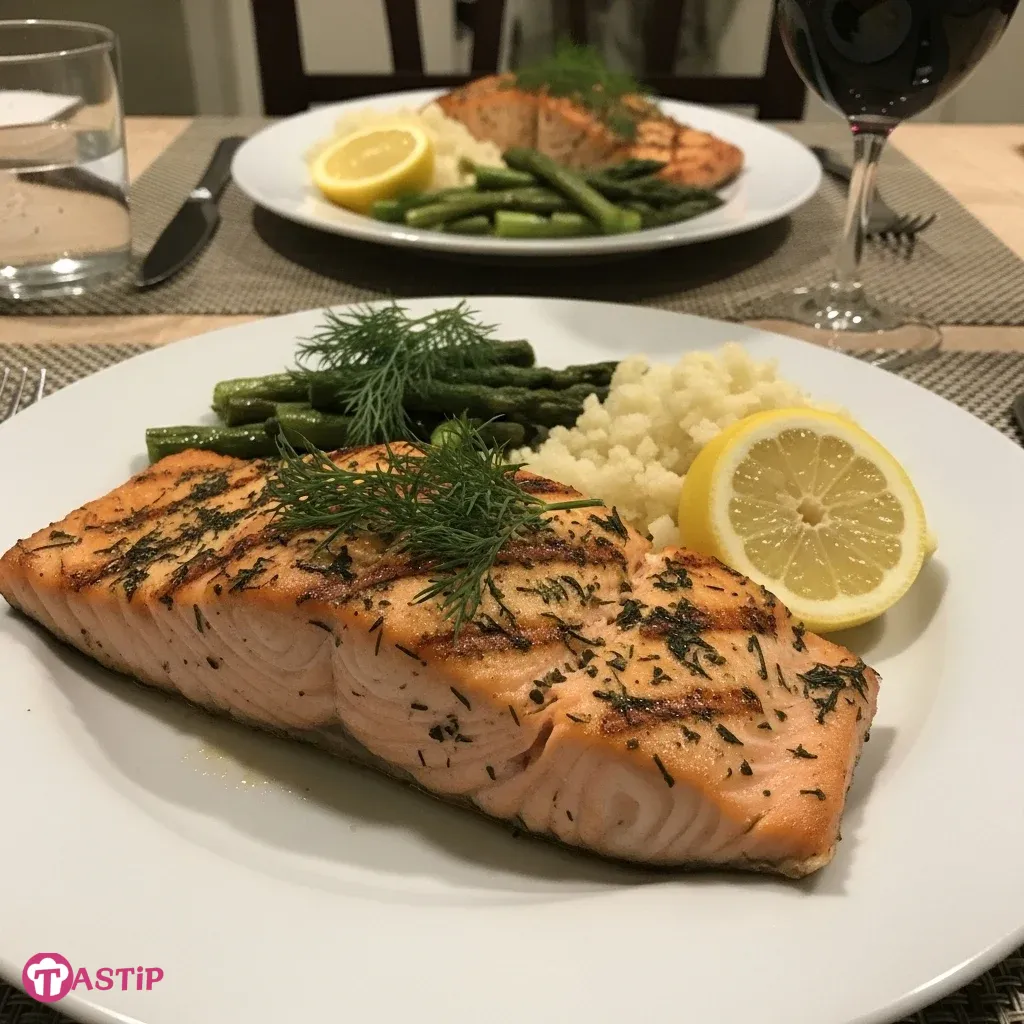
Since we are focusing on a healthy, high-protein meal, the side dishes for Low-Carb Grilled Salmon should complement its richness without adding a heavy glycemic load. Think about textures—something crunchy or acidic works best to balance the fatty salmon.
- Roasted Asparagus: Tossed in olive oil and sea salt, asparagus shares a similar cooking time and provides a wonderful earthy snap.
- Cauliflower Rice: Sautéed with garlic and lemon zest, this serves as a perfect “sponge” for any juices from the Low-Carb Grilled Salmon.
- Cucumber and Arugula Salad: A cold, crisp salad with a light vinaigrette provides a refreshing temperature contrast to the hot grilled fish.
- Grilled Zucchini Ribbons: Since the grill is already hot, throw on some thin slices of zucchini for a quick, smokey side.
Complementing your Low-Carb Grilled Salmon with nutritious sides is essential, so be sure to check out the Mediterranean Style Chicken Piccata Recipe that pairs well with a variety of grilled fish.
FAQs
Can I use frozen salmon for this recipe?
Yes, you can use frozen fillets for Low-Carb Grilled Salmon, but you must thaw them completely in the refrigerator overnight. Once thawed, ensure you dry them exceptionally well with paper towels. Frozen fish often contains more surface moisture, which can lead to sticking and steaming if not handled correctly.
How do I know when the salmon is perfectly cooked?
The most reliable method is using an instant-read thermometer. For a perfect Low-Carb Grilled Salmon, aim for an internal temperature of 135°F for a moist, flaky texture. Visually, the fish should change from translucent to opaque, and it should easily flake with a fork at the thickest part.
Is it better to leave the skin on or off?
In the test kitchen, we always recommend leaving the skin on for Low-Carb Grilled Salmon. The skin provides a structural foundation that prevents the fish from falling through the grates. Additionally, the fat layer just beneath the skin melts during grilling, basting the meat and adding incredible flavor and moisture.
Grilled salmon is not just a delightful dish but also offers numerous health benefits due to its high omega-3 fatty acid content. Understanding the health implications of eating fish can enhance your cooking approach and dietary choices; learn more about these benefits in this informative article.
Nutrition Information (per serving)
This Low-Carb Grilled Salmon is an ideal choice for those tracking macros or following a ketogenic lifestyle. It provides high-quality protein and essential fats with virtually zero impact on blood sugar levels.
| Nutrient | Amount per Serving |
|---|---|
| Calories | 320 kcal |
| Total Fat | 18g |
| Saturated Fat | 3g |
| Protein | 34g |
| Net Carbohydrates | 1g |
| Fiber | 0g |
| Sodium | 280mg |
By focusing on the science of heat and the quality of your ingredients, you can turn a simple piece of fish into a gourmet experience. This Low-Carb Grilled Salmon is proof that healthy eating doesn’t have to be complicated or bland. Enjoy the process of mastering the grill, and your body will thank you for the nutrient-dense fuel.
Print
Low-Carb Grilled Salmon
- Total Time: 25 mins
- Yield: 4 servings 1x
- Diet: Gluten Free
Description
This Low-Carb Grilled Salmon recipe delivers a crispy, crackling skin that contrasts beautifully with a buttery, medium-rare interior, utilizing high-quality fats and fresh aromatics to enhance the natural richness of the fish.
Ingredients
4 (6-oz) Wild-Caught Salmon Fillets
2 Tablespoons Extra Virgin Olive Oil
1 Tablespoon Fresh Lemon Juice
1 Teaspoon Garlic Powder
2 Tablespoons Fresh Dill or Parsley, chopped
Kosher Salt & Cracked Black Pepper, to taste
Instructions
- Remove the salmon fillets from the refrigerator 15 minutes before cooking. Pat them dry with paper towels
- Clean and preheat the grill to medium-high heat (400°F to 450°F)
- Whisk together olive oil, lemon juice, garlic powder, salt, and pepper in a small bowl. Brush the mixture over both sides of the salmo
- Place the salmon on the grill skin-side down. Close the lid and cook for 4-5 minutes
- Carefully flip the fillets and cook for an additional 2-3 minutes
- Remove from grill when internal temperature reaches 130°F to 135°F. Let rest for 3 minutes before serving
Notes
If using frozen salmon, ensure it is fully thawed and dried well before grilling.
- Prep Time: 15 mins
- Cook Time: 10 mins
- Category: Dinner
- Method: Grilling
- Cuisine: American
Nutrition
- Serving Size: 1 fillet
- Calories: 320 kcal
- Sugar: 0g
- Sodium: 280mg
- Fat: 18g
- Saturated Fat: 3g
- Unsaturated Fat: 15g
- Trans Fat: 0g
- Carbohydrates: 1g
- Fiber: 0g
- Protein: 34g
- Cholesterol: 75mg