
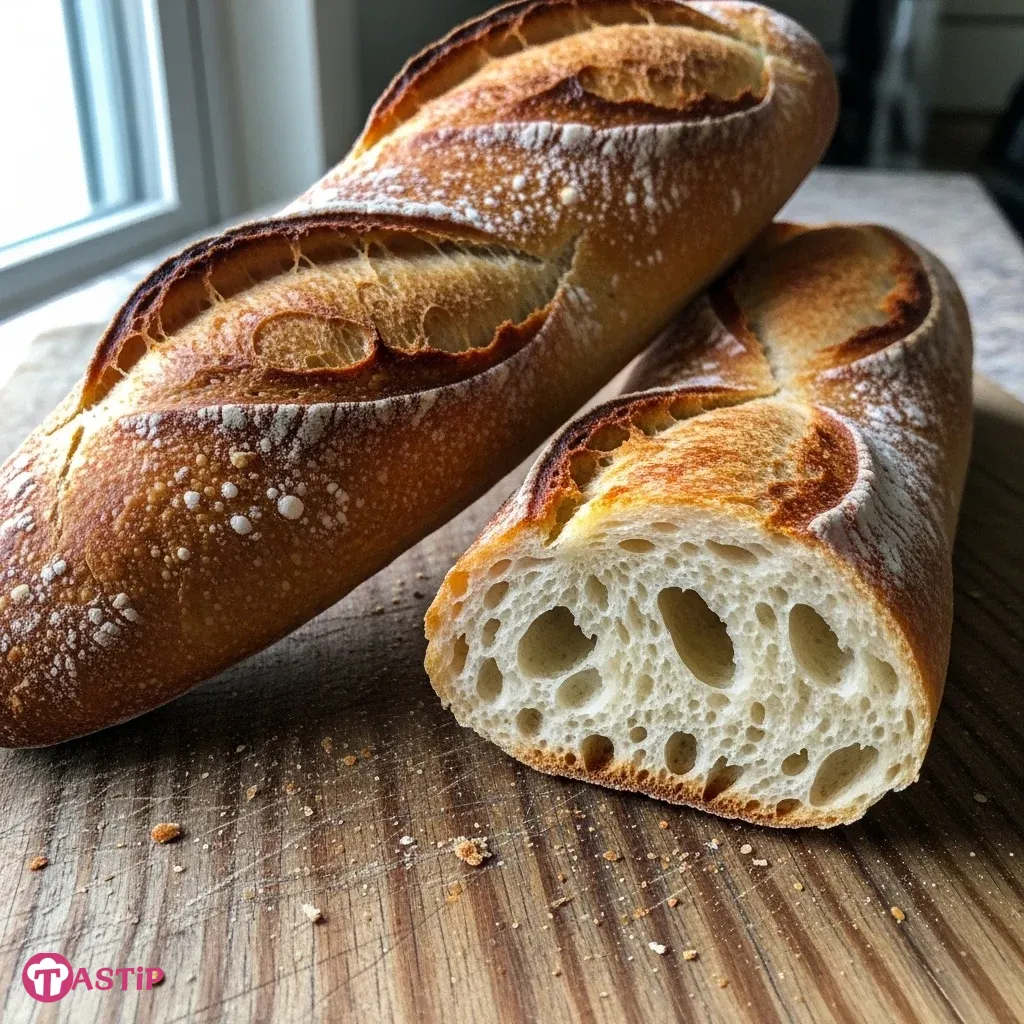
There is nothing quite like the smell of fresh Mini Baguettes wafting through the kitchen on a Saturday morning. These smaller loaves offer the perfect crust-to-crumb ratio, providing more of that crunchy, caramelized exterior that bread enthusiasts crave. From a food science perspective, the increased surface area of Mini Baguettes allows for superior heat penetration and moisture evaporation during the initial stages of the bake.
You will achieve a professional-grade crust without needing a massive commercial deck oven. Mastering the art of the Mini Baguette transforms your home baking from a simple hobby into a precise culinary craft. By understanding the chemistry of fermentation and gluten development, you will produce a loaf that rivals any Parisian boulangerie. Let’s dive into the mechanics of why these Mini Baguettes work so well and how you can replicate that success every single time.
Why You’ll Love This Mini Baguettes Recipe
- The high surface-to-volume ratio creates a spectacular Mini Baguettes crust that offers a satisfying snap with every single bite.
- Individual sizing makes these Mini Baguettes perfect for portion control and ensures every guest receives their own fresh, personal loaf.
- A shorter baking time means you get to enjoy your Mini Baguettes faster while maintaining a moist, airy interior crumb structure.
- Using a high-hydration dough ensures the Mini Baguettes develop large, beautiful air pockets through the power of steam and yeast activity.
Ingredients You’ll Need
As a former test kitchen chef, I cannot stress enough that the quality of your ingredients dictates the quality of your Mini Baguettes. We are looking for specific protein contents and mineral balances to ensure the gluten network performs optimally under heat. For these Mini Baguettes, I recommend a bread flour with a protein content between 12.5% and 13.5% to provide the necessary structural integrity.
| Ingredient | Quantity | Purpose in the Recipe |
|---|---|---|
| High-Protein Bread Flour | 500g | Provides the gluten framework necessary for a tall, airy rise in your Mini Baguettes. |
| Warm Water (90°F) | 350g | Hydrates the flour and activates the yeast while controlling the rate of fermentation. |
| Fine Sea Salt | 10g | Regulates yeast activity and strengthens the gluten bonds through ionic interaction. |
| Instant Yeast | 5g | Produces carbon dioxide to inflate the dough structure during the bulk ferment. |
| Diastatic Malt Powder (Optional) | 5g | Provides enzymes that break down starches into sugars for better browning and crust flavor. |
Substitutions & Variations
Note: This video is for demonstration purposes and may use a slightly different method.

While the classic Mini Baguettes recipe relies on white bread flour, you can experiment with healthier alternatives to boost fiber and micronutrient density. However, remember that changing the flour changes the hydration requirements of your Mini Baguettes. If you choose to use whole wheat flour, increase the water content by 5% to account for the bran’s high absorption rate.
You can also replace 10% of the bread flour with rye flour to introduce a complex, nutty acidity to your Mini Baguettes. For a seed-crusted version, brush the shaped Mini Baguettes with water and roll them in a mixture of flax, chia, and sesame seeds before the final proof. These additions provide healthy fats and a delightful textural contrast without compromising the structural science of the loaf.
While you explore healthier alternatives for your Mini Baguettes, consider trying out these High Protein Whole 30 Mini Meatloaves for a nutritious twist. Incorporating different flours can enhance your overall baking experience and nutrition.
Step-by-Step Instructions
- The Autolyse Phase: Combine your bread flour and warm water in a large glass bowl. Stir until no dry flour remains, then let the mixture rest for 30 minutes. This process allows the flour to fully hydrate and triggers natural enzymes that begin breaking down proteins, making the dough for your Mini Baguettes easier to handle later.
- Incorporate Yeast and Salt: Sprinkle the instant yeast and sea salt over the hydrated dough. Use your hands to pinch and fold the ingredients into the mass until fully incorporated. You will feel the dough tighten as the salt begins to strengthen the gluten network.
- Bulk Fermentation with Folds: Cover the bowl and let the dough rise in a warm spot (75°F-80°F). Every 30 minutes, perform a “stretch and fold” by grabbing the edge of the dough, pulling it upward, and folding it over the center. Repeat this four times over two hours to build structural tension for your Mini Baguettes.
- Dividing the Dough: Turn the dough onto a lightly floured surface. Use a bench scraper to divide the dough into six equal portions, weighing approximately 140g each. This precision ensures that all your Mini Baguettes bake at the same rate in the oven.
- Preshaping: Gently fold each piece of dough into a small cylinder. Let them rest for 15 minutes. This “bench rest” relaxes the gluten, allowing you to final-shape the Mini Baguettes without the dough snapping back or resisting.
- Final Shaping: Flatten a dough piece into a rectangle. Fold the top third down and the bottom third up, like a letter. Use the heel of your hand to seal the seam. Gently roll the dough out until it reaches about 7 inches in length, tapering the ends for that classic Mini Baguettes look.
- The Final Proof: Place the shaped Mini Baguettes onto a floured linen couche or a parchment-lined baking sheet. Cover them with a damp cloth and let them rise for 45 to 60 minutes until they look puffy and pass the “poke test” (the dough should slowly spring back when pressed).
- Preheating and Steam: Preheat your oven to 475°F with a baking stone inside and an empty cast-iron skillet on the bottom rack. The stone provides “oven spring,” which is the rapid expansion of the Mini Baguettes when they first hit the heat.
- Scoring and Baking: Use a sharp razor blade (a lame) to make three diagonal slashes across the top of each Mini Baguettes loaf. Slide them onto the hot stone and pour one cup of boiling water into the cast-iron skillet to create steam. Close the door immediately.
- The Final Transformation: Bake for 15-18 minutes. Remove the Mini Baguettes when the crust reaches a deep golden brown and the internal temperature hits 205°F. Transfer them to a wire rack to cool completely; this allows the internal moisture to redistribute so the crumb doesn’t turn gummy.
Pro Tips for Success
To achieve the most professional results with your Mini Baguettes, you must focus on steam management. Steam keeps the surface of the dough moist during the first few minutes of baking, which allows the Mini Baguettes to expand fully before the crust sets. This is known as the “oven spring.” If the crust sets too early, you will end up with dense, heavy loaves.
Furthermore, always use a kitchen scale. Professional baking is a game of ratios, and measuring by volume (cups) is too imprecise for high-quality Mini Baguettes. If your kitchen is cold, your fermentation will take longer.
Conversely, if it is hot, the yeast will work faster, potentially leading to over-proofed dough. Watch the dough, not the clock, when making Mini Baguettes.
Achieving the ideal crust on your Mini Baguettes is crucial, much like the precision required in making Easy Mini Pumpkin Cheesecakes. Mastering baking techniques can elevate your bread-making skills significantly.
Storage & Reheating Tips
Bread is a living product that begins to stale as soon as it leaves the oven due to starch retrogradation. To keep your Mini Baguettes fresh, store them in a paper bag at room temperature for up to 24 hours. Never store Mini Baguettes in the refrigerator, as the cold temperature actually accelerates the staling process.
For long-term storage, wrap the Mini Baguettes tightly in plastic wrap and then aluminum foil before placing them in the freezer. When you are ready to eat, skip the microwave. Instead, place the frozen Mini Baguettes directly into a 350°F oven for 8 to 10 minutes. This method revives the crispy crust and softens the interior, making them taste as if you just baked them.
What to Serve With This Recipe
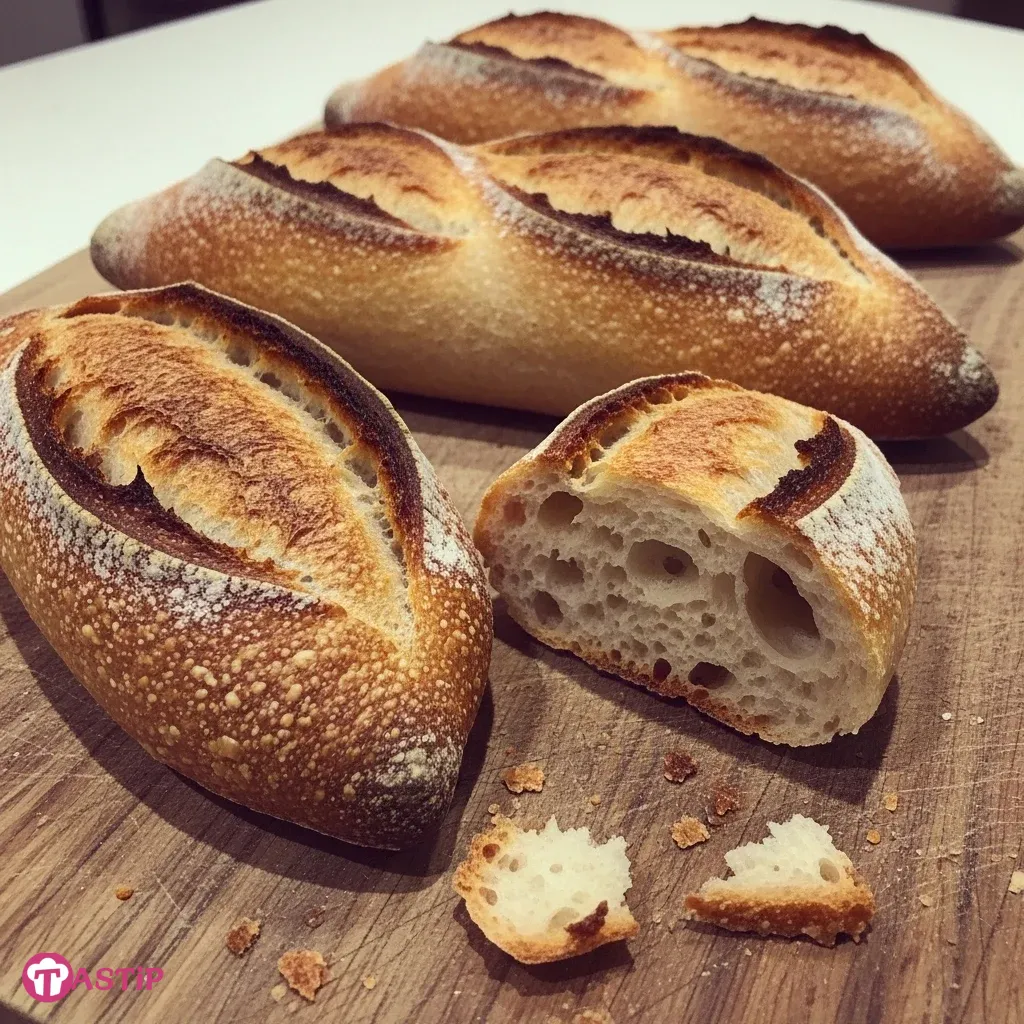
These Mini Baguettes serve as a versatile canvas for a variety of nutrient-dense meals. I recommend pairing them with a vibrant Mediterranean salad tossed in extra virgin olive oil and lemon juice to balance the savory depth of the bread. For a warm, comforting meal, serve your Mini Baguettes alongside a tray of roasted root vegetables like carrots, parsnips, and beets seasoned with fresh rosemary.
The crusty texture of the Mini Baguettes is also the ideal vessel for dipping into a high-protein lentil soup or a light tomato basil gazpacho. By choosing fiber-rich vegetable pairings, you turn your Mini Baguettes into part of a well-balanced, wholesome meal that satisfies both the palate and the body.
These Mini Baguettes are a fantastic addition to any meal, and pairing them with Mini Apple Pies (Gluten-Free) can create a delightful dining experience. Their versatility allows for endless combinations, making them a staple in your kitchen.
FAQs
Why are my Mini Baguettes coming out flat and dense?
This issue usually stems from under-developed gluten or over-proofing. If you do not perform enough folds during the bulk fermentation, the Mini Baguettes won’t have the strength to hold the carbon dioxide produced by the yeast. Additionally, if you let the dough rise too long during the final proof, the gluten structure weakens and collapses in the heat of the oven. Ensure you follow the “poke test” to check for perfect proofing levels.
Can I make the dough for Mini Baguettes the night before?
Absolutely! In fact, a cold ferment in the refrigerator for 12 to 24 hours actually improves the flavor and texture of your Mini Baguettes. The cold temperature slows down the yeast but allows the bacteria in the dough to produce organic acids, leading to a more complex, sourdough-like flavor profile. Simply take the dough out, shape your Mini Baguettes, and let them come to room temperature for their final proof before baking.
What is the best tool for scoring Mini Baguettes?
While a sharp kitchen knife can work, a dedicated bread lame (a thin razor blade on a handle) is the superior tool for Mini Baguettes. The thinness of the blade allows for a clean, swift cut without dragging the dough. Hold the blade at a 30-degree angle to create an “ear,” which is that beautiful raised flap of crust that characterizes a professional baguette. Proper scoring provides a controlled path for the Mini Baguettes to expand during the oven spring.
Mini Baguettes are a delightful French bread known for their crisp crust and soft interior. Often enjoyed fresh or toasted, they can be paired with various ingredients to enhance any meal, making them a popular choice in culinary circles. For more information about this beloved bread, visit this Baguette article.
Nutrition Information (per serving)
This nutritional profile reflects one individual loaf of our Mini Baguettes. Note that the high-protein content from the bread flour provides a decent amount of amino acids, while the absence of added fats keeps the calorie count manageable for a balanced diet.
| Metric | Value |
|---|---|
| Calories | 285 kcal |
| Total Fat | 1.2g |
| Saturated Fat | 0.2g |
| Carbohydrates | 58g |
| Dietary Fiber | 2.5g |
| Sugars | 0.5g |
| Protein | 10.5g |
| Sodium | 650mg |
Mini Baguettes
- Total Time: 35 mins
- Yield: 6 servings 1x
- Diet: Vegetarian
Description
Mini Baguettes are smaller loaves that provide the perfect crust-to-crumb ratio, ideal for a crunchy and caramelized exterior. The recipe focuses on achieving a professional-grade crust and a moist, airy interior through the right ingredient choices and baking techniques.
Ingredients
500g High-Protein Bread Flour
350g Warm Water (90°F)
10g Fine Sea Salt
5g Instant Yeast
5g Diastatic Malt Powder (Optional)
Instructions
- Combine bread flour and warm water in a large bowl and let rest for 30 minutes
- Sprinkle instant yeast and sea salt over the dough, incorporating them fully
- Let the dough rise and perform a stretch and fold every 30 minutes for 2 hours
- Divide the dough into six equal portions, shaping each into a small cylinder
- Flatten each piece into a rectangle, shape into a baguette, and let rise for 45-60 minutes
- Preheat oven to 475°F, place shaped baguettes on a baking stone, scoring them before baking
- Bake for 15-18 minutes until golden brown and internal temperature reaches 205°F
Notes
Store baguettes in a paper bag for up to 24 hours; freeze for longer storage.
- Prep Time: 20 mins
- Cook Time: 15 mins
- Category: Bakery
- Method: Baking
- Cuisine: French
Nutrition
- Serving Size: 1 baguette
- Calories: 285 kcal
- Sugar: 0.5g
- Sodium: 650mg
- Fat: 1.2g
- Saturated Fat: 0.2g
- Unsaturated Fat: 0g
- Trans Fat: 0g
- Carbohydrates: 58g
- Fiber: 2.5g
- Protein: 10.5g
- Cholesterol: 0mg