
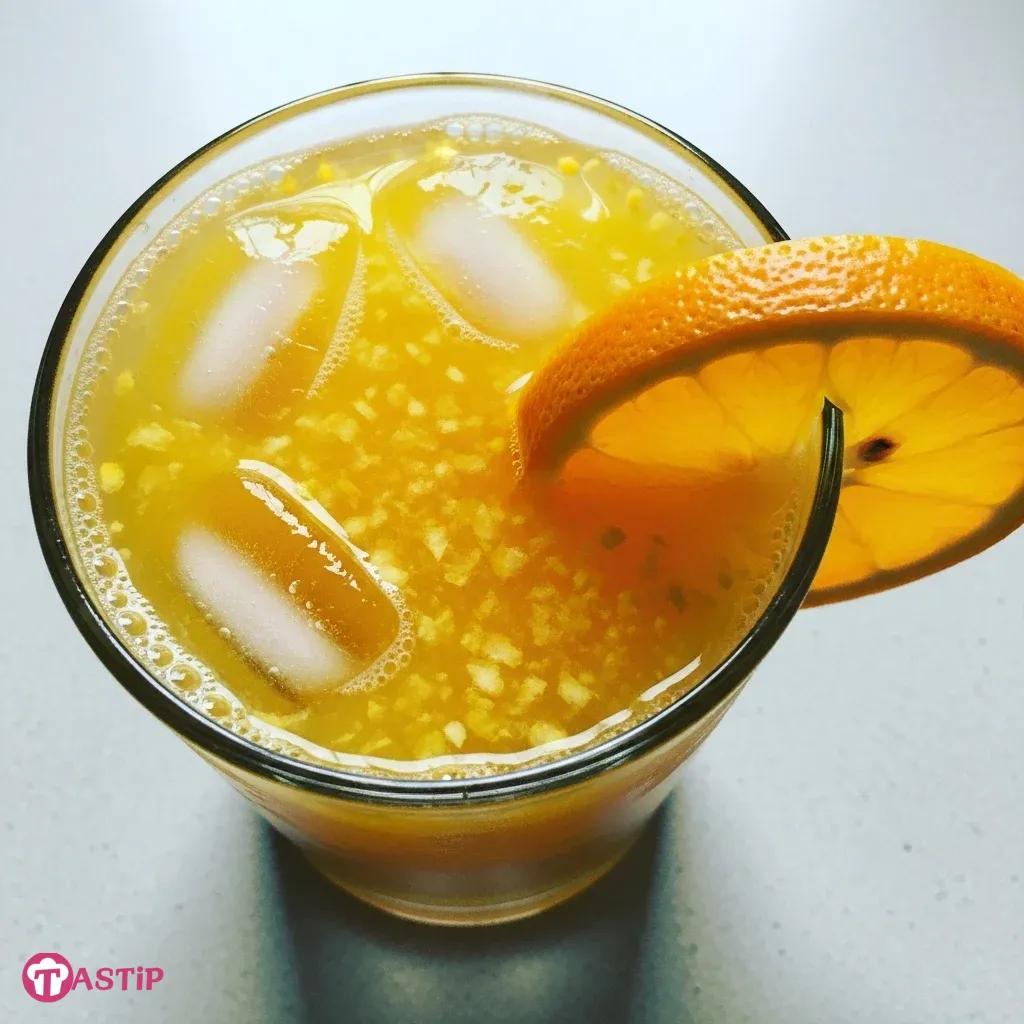
Freshly squeezed Orange Juice beats any store-bought carton with its vibrant, zesty flavor and refreshing texture. You want a bright start to your morning without spending an hour in the kitchen. This simple method delivers a high-quality drink in under five minutes, perfect for the busy professional.
Forget the added sugars and preservatives found in commercial bottles. Instead, enjoy the pure, sun-kissed sweetness of real citrus. Mastering this basic skill ensures you always have a nutrient-dense beverage on hand. Let’s get straight to the process so you can fuel your day efficiently.
Why You’ll Love This Orange Juice Recipe
- It takes less than five minutes to prepare, fitting perfectly into a hectic morning schedule.
- The flavor is incredibly bright, crisp, and superior to any processed alternative.
- You receive a powerful, natural boost of Vitamin C and essential antioxidants.
- Minimal equipment means you spend less time cleaning and more time working.
Ingredients You’ll Need
Quality matters when you only use one or two ingredients. To make the best Orange Juice, you must select heavy, thin-skinned citrus. Weight usually indicates a high water content, which means more liquid for your glass.
I prefer using Valencia oranges for their high liquid yield, but Navel oranges work beautifully for a sweeter, seedless experience. If you want to balance the acidity, keep a tiny pinch of sea salt or a teaspoon of local honey nearby. These additions are optional but can elevate the natural profile of the fruit.
| Ingredient | Quantity | Notes |
|---|---|---|
| Fresh Oranges | 3-4 large fruits | Valencia or Navel varieties work best. |
| Sea Salt | 1 pinch | Optional; enhances the natural sweetness. |
| Honey or Agave | 1 teaspoon | Optional; use only if the fruit is too tart. |
| Ice Cubes | As needed | Optional; serve immediately for the best chill. |
Substitutions & Variations
Note: This video is for demonstration purposes and may use a slightly different method.

You can easily customize your Orange Juice based on what you have in your fruit bowl. If you find the standard orange flavor too basic, try swapping half of the oranges for blood oranges. This creates a stunning deep red hue and adds a slight berry-like undertone to the drink.
For a lower-acid option, use clementines or tangerines, though you will need more of them to fill a standard glass. If you want a nutritional powerhouse, stir in a teaspoon of chia seeds or a half-inch of grated ginger. These healthy swaps keep your routine fresh without adding significant prep time. Always prioritize fresh citrus over bottled concentrates to maintain the integrity of the enzymes and vitamins.
If you’re experimenting with your Orange Juice, consider enhancing your breakfast with a slice of Classic Cheesecake. The creamy, rich texture of the cheesecake pairs beautifully with the bright citrus flavors of your juice, making for a delightful morning treat. Check out this recipe for a sweet and decadent addition to your breakfast table. Classic Cheesecake
Step-by-Step Instructions
- Prep the fruit by rolling each orange firmly against your countertop for ten seconds. This action breaks the internal membranes and releases more liquid.
- Slice the oranges in half crosswise using a sharp chef’s knife. Ensure you cut through the middle to expose the segments properly.
- Squeeze the fruit using a manual citrus press or an electric juicer. If you use a manual press, apply firm, steady pressure to extract every drop.
- Place a fine-mesh strainer over your serving glass if you prefer a smooth, pulp-free Orange Juice. Skip this step if you enjoy the extra fiber from the pulp.
- Stir in your optional pinch of salt or sweetener if the oranges are particularly tart.
- Pour the liquid over ice or drink it immediately at room temperature for the most intense flavor profile.
Pro Tips for Success
Temperature plays a massive role in the extraction process. Always store your oranges at room temperature if you plan to juice them within a day or two. Cold fruit holds onto its liquid more stubbornly.
If your oranges are in the fridge, pop them in a bowl of warm water for a few minutes before slicing. This small step significantly increases your yield. Furthermore, keep your equipment clean and ready.
A simple hand-held squeezer often beats a bulky electric machine because you can rinse it in seconds. Speed is your best friend when you are a busy professional. Finally, pay attention to the zest.
Before juicing, grate some of the orange peel and save it in a small container. You can use this zest later for salads or roasted vegetables, ensuring you waste absolutely nothing.
To maximize your juice extraction, remember the importance of temperature. While you’re preparing your fresh orange juice, why not enjoy it with a warm bowl of Classic Tomato Soup? The freshness of the orange juice complements the rich flavors of the soup perfectly. Classic Tomato Soup
Storage & Reheating Tips
Fresh Orange Juice tastes best the moment it leaves the fruit. However, I understand that sometimes you need to prep ahead. Store your leftover liquid in an airtight glass jar or a stainless steel bottle.
Glass preserves the flavor better than plastic, which can sometimes leach odors into the citrus. Keep the container in the coldest part of your refrigerator for up to 48 hours. Beyond two days, the flavor begins to oxidize and lose its brightness.
Never reheat this drink. Heat destroys the delicate Vitamin C content and alters the sugar structure, resulting in a flat, unpleasant taste. If you have too much left over, pour the liquid into an ice cube tray. These frozen citrus cubes are perfect for adding to water or smoothies later in the week.
What to Serve With This Recipe
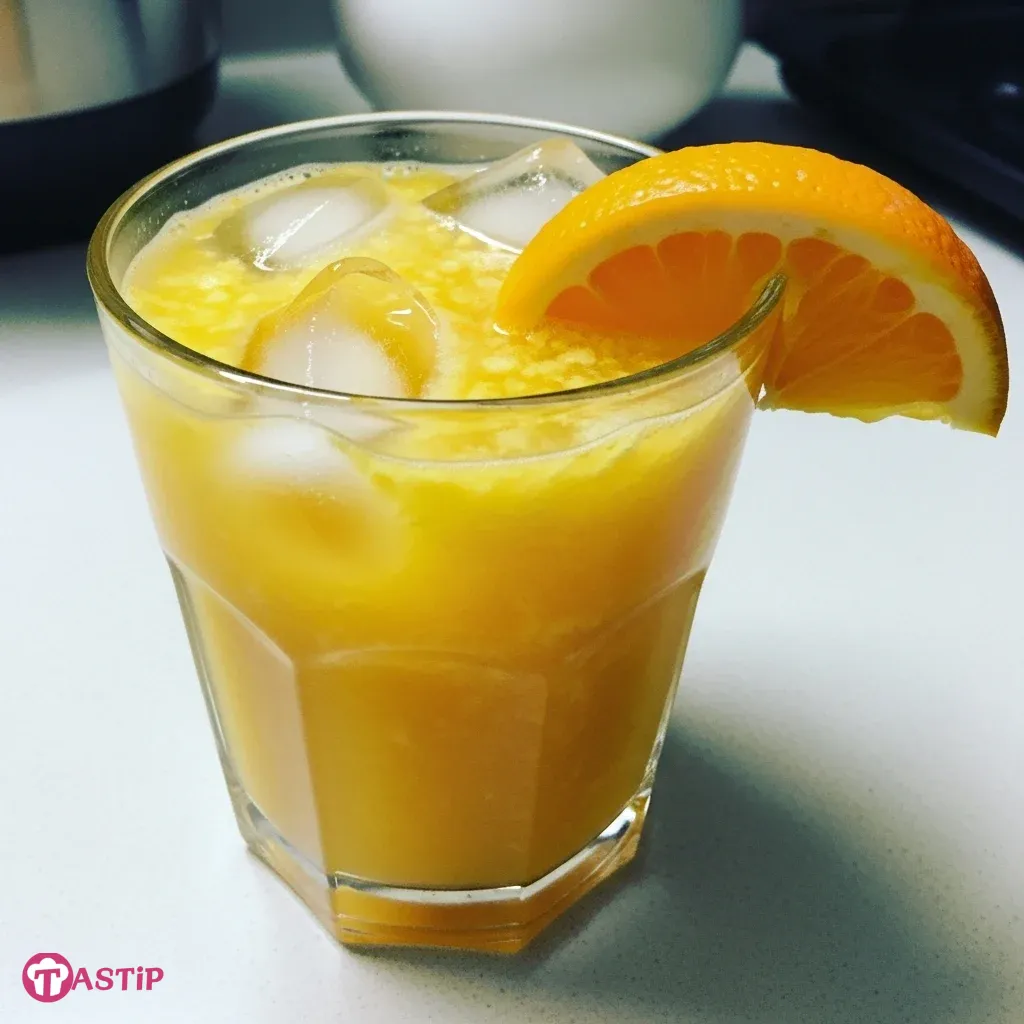
Pairing your Orange Juice with the right food creates a balanced, high-energy meal. I love serving this alongside a quick avocado toast topped with red pepper flakes and a poached egg. The acidity of the citrus cuts through the richness of the avocado perfectly.
For a lighter option, try a fresh arugula salad with roasted chickpeas and a lemon vinaigrette. If you are rushing out the door, grab a handful of raw almonds and a piece of whole-grain toast. The healthy fats in the nuts help your body absorb the fat-soluble nutrients in your breakfast.
Roasted vegetables like sweet potatoes or asparagus also provide a savory contrast to the sweet citrus notes. By choosing healthy, whole-food pairings, you maximize the benefits of your morning routine.
Pairing your freshly squeezed Orange Juice with the right foods can elevate your meal even further. For a vibrant, energizing lunch, consider Classic Fish Tacos which complement the zestiness of the juice wonderfully. Classic Fish Tacos
FAQs
Which type of orange yields the most juice?
Valencia oranges generally provide the highest volume of liquid. They possess a thin skin and a high water content, making them the industry standard for juicing. Navel oranges are also excellent, but they contain limonin in the flesh, which can turn the liquid slightly bitter if you let it sit for too long. For immediate consumption, either variety works perfectly for your Orange Juice needs.
Is it better to leave the pulp in the juice?
This decision depends entirely on your dietary goals and texture preference. Pulp contains flavonoids and fiber, which slow down the absorption of sugar into your bloodstream. If you want the healthiest version of Orange Juice, keep the pulp. However, if you prefer a crisp, refreshing mouthfeel that mimics a cocktail or a light refresher, use a fine-mesh strainer to remove the solids.
Can I make this recipe without a juicer?
Yes, you can absolutely make Orange Juice without specialized equipment. Simply squeeze the orange halves over a large bowl using your hands. To get more liquid, use a sturdy fork to poke and twist the flesh while you squeeze.
Afterward, pour the mixture through a strainer to catch any seeds. This method takes slightly more effort but requires zero kitchen gadgets.
Orange juice is a popular beverage known for its refreshing taste and high vitamin C content, often enjoyed during breakfast. This nutrient-rich drink is derived from squeezing fresh oranges, providing a source of antioxidants and helping to boost immunity; learn more about it in the article on this fruit juice.
Nutrition Information (per serving)
This data reflects a standard 8-ounce serving of fresh, undiluted citrus liquid without added sweeteners. Natural sugars provide a quick energy source for your brain and muscles.
| Metric | Value |
|---|---|
| Calories | 112 kcal |
| Total Carbohydrates | 26g |
| Natural Sugars | 21g |
| Vitamin C | 124mg (137% DV) |
| Potassium | 496mg |
| Protein | 2g |

Orange Juice
- Total Time: 5 mins
- Yield: 4 servings 1x
- Diet: Gluten Free
Description
Freshly squeezed orange juice with vibrant, zesty flavor and refreshing texture, perfect for a quick morning boost.
Ingredients
3–4 large Fresh Oranges
1 pinch Sea Salt
1 teaspoon Honey or Agave
Ice Cubes as needed
Instructions
- Roll each orange firmly against your countertop for ten seconds
- Slice the oranges in half crosswise using a sharp chef's knife
- Squeeze the fruit using a manual citrus press or an electric juicer
- Place a fine-mesh strainer over your serving glass if you prefer a smooth juice
- Stir in your optional pinch of salt or sweetener if the oranges are particularly tart
- Pour the liquid over ice or drink it immediately
Notes
Valencia oranges yield the most juice, but Navel oranges also work well.
Store any leftovers in an airtight container and consume within 48 hours for best flavor.
- Prep Time: 5 mins
- Cook Time: 0 mins
- Category: Beverage
- Method: Juicing
- Cuisine: American
Nutrition
- Serving Size: 8 oz
- Calories: 112 kcal
- Sugar: 21 g
- Sodium: 1 mg
- Fat: 0 g
- Saturated Fat: 0 g
- Unsaturated Fat: 0 g
- Trans Fat: 0 g
- Carbohydrates: 26 g
- Fiber: 0 g
- Protein: 2 g
- Cholesterol: 0 mg