
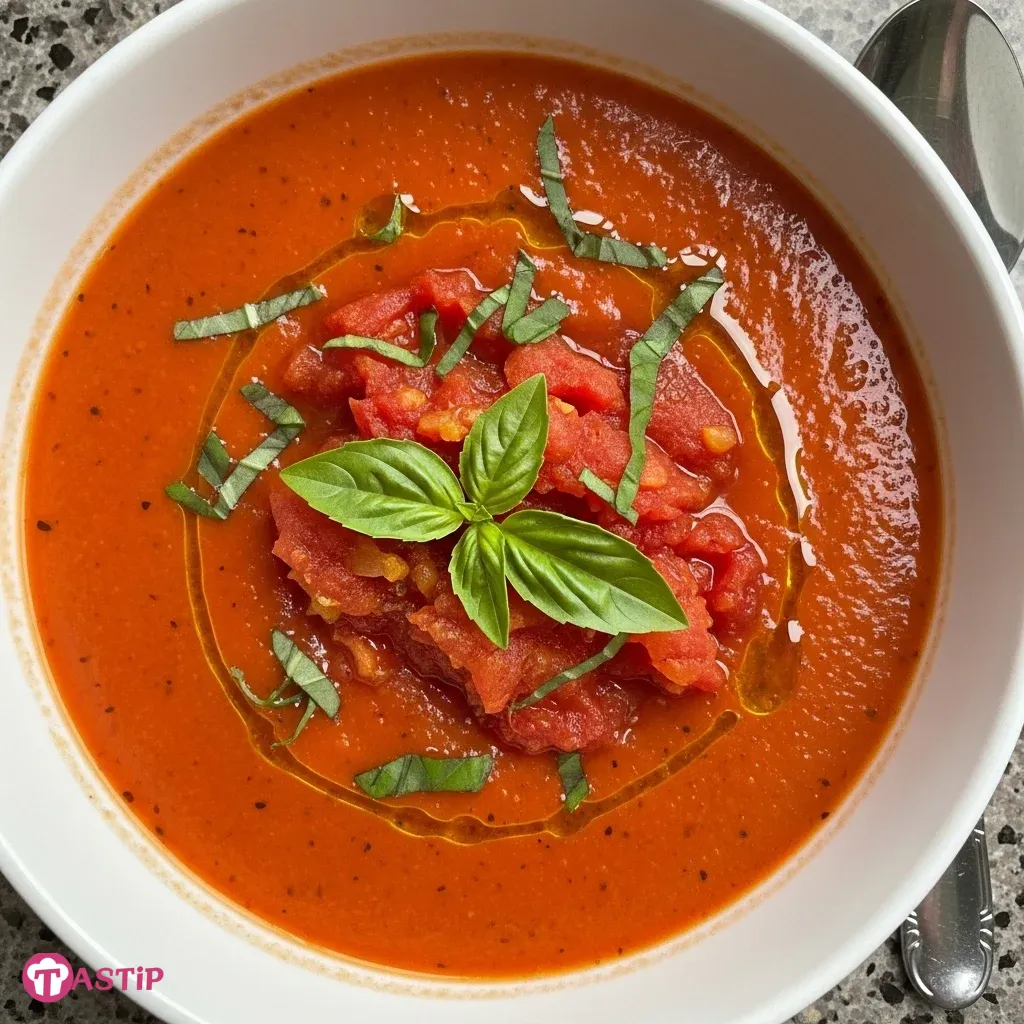
Nothing beats the concentrated essence of a perfectly Roasted Tomato Soup when the weather turns chilly. This recipe transforms humble garden staples into a velvet-textured masterpiece through the power of high-heat caramelization. You will find that roasting the vegetables develops a depth of flavor that simmering on a stovetop simply cannot replicate.
By the time you finish this bowl, you will understand how heat restructures sugars and acids to create a balanced, savory profile. This version remains light yet satisfying, offering a sophisticated take on a classic comfort food. It provides a rich mouthfeel without relying on heavy amounts of cream, letting the produce shine. Prepare your palate for a vibrant, umami-rich experience that redefines what a Roasted Tomato Soup can be.
Why You’ll Love This Roasted Tomato Soup
- Maillard Magic: Roasting the tomatoes triggers the Maillard reaction, which creates hundreds of new flavor compounds that raw tomatoes lack.
- Nutrient Density: Cooking tomatoes increases the bioavailability of lycopene, a powerful antioxidant that supports heart health.
- Effortless Technique: You spend minimal time at the stove because the oven does the heavy lifting of concentrating the flavors.
- Customizable Texture: You can easily adjust the consistency from a chunky, rustic style to a silky-smooth bisque depending on your blending preference.
Ingredients You’ll Need
To achieve the best results for your Roasted Tomato Soup, focus on the quality of your aromatics and the ripeness of your fruit. I recommend using Roma or plum tomatoes because they possess a lower water content and a higher ratio of flesh to seeds. This characteristic ensures your soup stays thick and flavorful rather than watery. Furthermore, high-quality extra virgin olive oil serves as a flavor carrier, helping to dissolve fat-soluble aroma compounds during the roasting process.
| Ingredient | Amount | Purpose |
| Roma Tomatoes | 3 lbs | The structural and flavor base of the soup. |
| Yellow Onion | 1 large | Provides sweetness and foundational aromatics. |
| Fresh Garlic | 6 cloves | Adds pungent depth and savory complexity. |
| Extra Virgin Olive Oil | 1/4 cup | Conducts heat and enhances mouthfeel. |
| Vegetable Broth | 2-3 cups | Adjusts the final consistency and adds mineral depth. |
| Fresh Basil | 1/2 cup | Introduces bright, peppery top notes. |
| Balsamic Vinegar | 1 tbsp | Balances the natural sugars with necessary acidity. |
| Kosher Salt & Black Pepper | To taste | Sharpens all the inherent flavors. |
Substitutions & Variations
Note: This video is for demonstration purposes and may use a slightly different method.

You can easily adapt this Roasted Tomato Soup to fit various dietary needs while keeping the nutritional profile high. If you want to boost the protein content, consider blending in half a cup of cooked white cannellini beans. This addition creates a creamy texture without any dairy, and the beans virtually disappear into the flavor profile of the tomatoes.
For those looking to reduce sodium, substitute the vegetable broth with a homemade mushroom dashi or simply use filtered water infused with a sprig of rosemary. If you prefer a smokier profile, swap the regular salt for smoked sea salt or add a teaspoon of smoked paprika before roasting. These healthy swaps ensure that your Roasted Tomato Soup remains a nutrient-dense option for any meal plan. Always prioritize whole-food substitutions to maintain the chemical integrity of the dish.
To enhance the nutritional profile of your Roasted Tomato Soup, consider adding half a cup of cooked white cannellini beans for a protein boost. If you’re planning a hearty meal, pairing this soup with an easy-to-make Herb Roasted Turkey would complement the flavors beautifully.
Step-by-Step Instructions
- Preheat and Prep: Set your oven to 400°F (200°C). Wash the tomatoes and slice them in half lengthwise. Peel the onion and cut it into thick wedges. Peel the garlic cloves but leave them whole to prevent them from burning during the long roast.
- Season for Roasting: Place the tomatoes, onions, and garlic on a large rimmed baking sheet. Drizzle the extra virgin olive oil over the vegetables and toss them thoroughly. Arrange the tomatoes cut-side up to allow moisture to evaporate, which concentrates the natural glutamates. Sprinkle generously with salt and pepper.
- The Roasting Phase: Slide the tray into the oven and roast for 45 to 60 minutes. You want to see charred edges on the onions and slightly blackened skins on the tomatoes. This charring is essential for a complex Roasted Tomato Soup because it introduces bitter notes that counter the sweetness of the roasted fruit.
- Transfer to Pot: Once the vegetables finish roasting, carefully transfer them—along with all the accumulated juices on the tray—into a large Dutch oven or heavy-bottomed pot. Do not leave the juices behind; they contain concentrated sugars and pectin that improve the body of your Roasted Tomato Soup.
- Simmer and Infuse: Add the vegetable broth and balsamic vinegar to the pot. Bring the mixture to a gentle simmer over medium heat for about 10 minutes. This step allows the flavors to meld and ensures the garlic softens completely before the final processing.
- Blend to Perfection: Add the fresh basil leaves to the pot. Use an immersion blender to process the mixture until it reaches your desired consistency. For a professional, restaurant-grade texture, you can pass the blended liquid through a fine-mesh sieve to remove any remaining skins or seeds.
- Final Seasoning: Taste the soup and adjust the salt or acid as needed. If the tomatoes were particularly acidic, a tiny pinch of sugar can help achieve a perfect balance. Serve the soup immediately while hot.
Pro Tips for Success
In the test kitchen, we often talk about the importance of “evaporative concentration.” When you make Roasted Tomato Soup, the goal is to remove water while keeping the flavor solids. If your tray is too crowded, the vegetables will steam rather than roast. Use two trays if necessary to ensure every tomato half has its own space.
This space allows dry air to circulate, creating the Maillard reaction on the surface of the vegetables. Furthermore, pay close attention to the garlic. Garlic contains less moisture than tomatoes and can burn easily.
I often tuck the garlic cloves under a tomato half or an onion wedge to protect them from direct radiant heat for the first 30 minutes. This technique allows the garlic to confit in the olive oil rather than acridly carbonizing.
Another technical tip involves the use of the blender. If you use a high-speed upright blender instead of an immersion blender, do not fill it more than halfway. The steam from the hot Roasted Tomato Soup can build pressure and blow the lid off.
Start at the lowest speed and gradually increase. Blending at high speeds for a full minute will also aerate the soup, giving it a lighter, orange-hued “velouté” appearance. If you prefer a deep red, rustic look, use a lower speed or a food mill.
Finally, always add your fresh herbs at the very end of the process. High heat destroys the delicate volatile oils in basil, so blending them into the hot liquid just before serving preserves their bright, aromatic punch.
Achieving the perfect flavor concentration is crucial for Roasted Tomato Soup, and proper spacing on your baking tray plays a key role. For a delicious side dish, consider making Air Fryer Roasted Potatoes that enhance the roasted theme of your meal.
Storage & Reheating Tips
This Roasted Tomato Soup stores exceptionally well, making it an ideal candidate for meal prep. You can keep the soup in an airtight glass container in the refrigerator for up to five days. As it sits, the flavors will continue to develop and meld.
For longer storage, this soup freezes beautifully because it lacks dairy, which can sometimes break or grain during the thawing process. Use freezer-safe bags or containers and leave about an inch of headspace for expansion. It will remain fresh in the freezer for up to three months.
When you are ready to enjoy your leftovers, reheat the soup on the stovetop over medium-low heat. Avoid using a microwave if possible, as it can heat the liquid unevenly and cause “popping” or splattering. If the soup has thickened too much in the fridge due to the natural pectins, simply whisk in a splash of water or broth to loosen it.
Constant stirring during reheating ensures that the emulsion stays stable and the texture remains creamy. Never bring the soup back to a rolling boil for an extended period, as this can dull the bright flavor of the fresh basil.
What to Serve With This Recipe
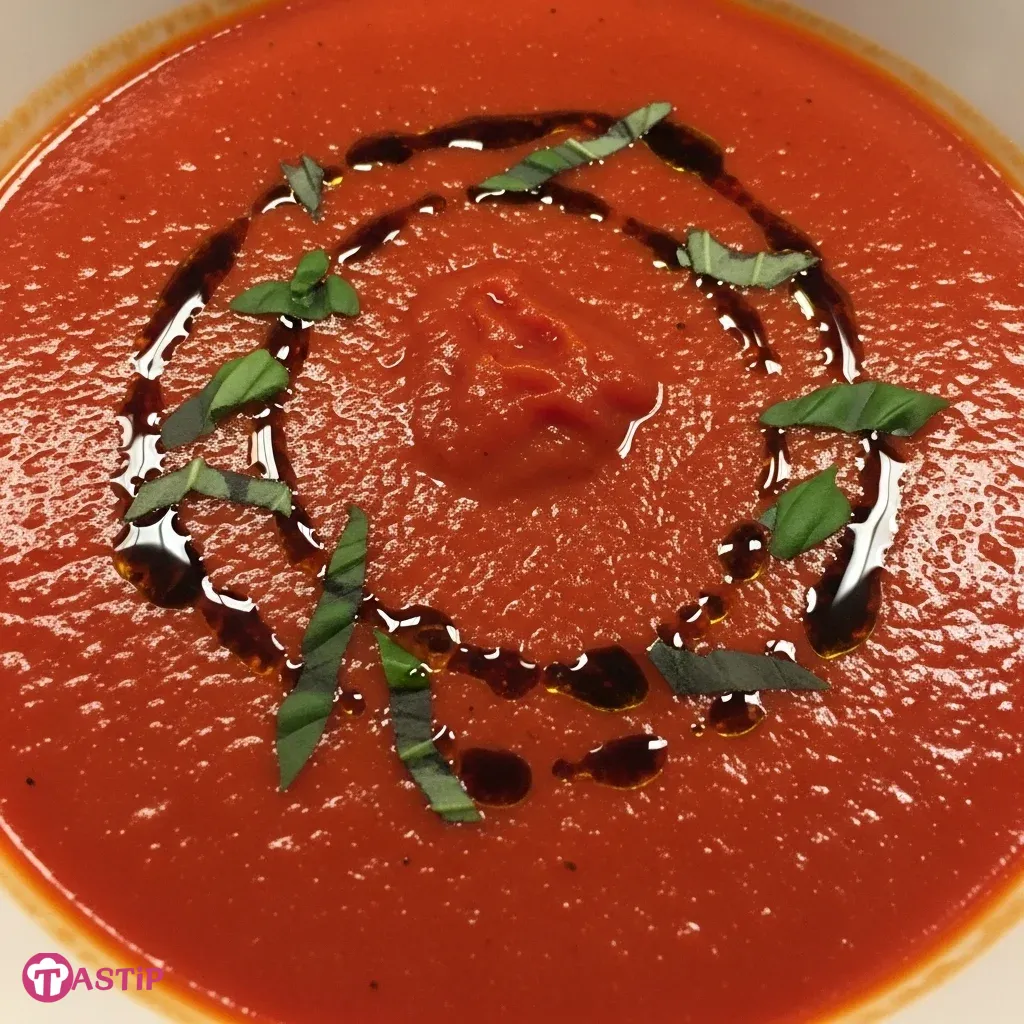
While the traditional pairing for any Roasted Tomato Soup is a grilled cheese sandwich, I encourage you to explore lighter, health-conscious options that complement the roasted profile. A crisp arugula salad with a lemon-tahini dressing provides a sharp contrast to the savory soup. The peppery notes of the greens highlight the herbal qualities of the basil. Additionally, roasted chickpeas seasoned with cumin and garlic make an excellent gluten-free crouton alternative, adding a satisfying crunch and a boost of plant-based protein.
If you want to keep the meal hearty but vegetable-focused, serve the soup alongside a plate of roasted seasonal vegetables, such as asparagus or charred broccolini. The shared roasted notes create a cohesive dining experience.
For a bit of textural variety, a side of toasted sourdough rubbed with a raw garlic clove offers a rustic touch without the heavy fats of a traditional sandwich. These pairings ensure your Roasted Tomato Soup remains the star of the table while providing a balanced nutritional profile for your meal.
While classic accompaniments like grilled cheese are popular, exploring lighter options can enhance your Roasted Tomato Soup experience. A nutritious Roasted Vegetable Power Bowl offers a fresh contrast that’s equally satisfying.
FAQs
Can I use canned tomatoes for this Roasted Tomato Soup?
Yes, you can use canned whole peeled tomatoes if fresh ones are out of season. However, you must drain them thoroughly before roasting. Place them on the baking sheet and roast them exactly like fresh tomatoes. While the flavor will be slightly different due to the canning process, the roasting step will still provide that essential caramelization that defines a high-quality Roasted Tomato Soup.
Why is my tomato soup too acidic?
The acidity of a Roasted Tomato Soup often depends on the pH level of the specific tomatoes used. If your soup tastes too sharp, it means the acid outweighs the natural sugars. You can fix this by adding a tiny pinch of baking soda, which chemically neutralizes the acid, or by stirring in a teaspoon of honey or maple syrup. Additionally, ensuring that your onions are fully caramelized during the roasting phase adds natural sweetness that naturally buffers the acidity.
Do I need to peel the tomatoes before roasting?
There is no need to peel the tomatoes before roasting for this Roasted Tomato Soup. In fact, the skins provide a lot of flavor and protect the flesh from drying out too quickly. If you use a high-speed blender or pass the finished soup through a fine-mesh sieve, the skins will disappear completely, leaving you with a perfectly smooth texture. Leaving the skins on saves time and preserves the nutrients located just beneath the surface of the fruit.
Roasted Tomato Soup is a popular dish known for its creamy texture and rich flavor, achieved through the roasting of tomatoes which intensifies their sweetness and depth. Learn more about this beloved recipe in the culinary world through the guide on soup.
Nutrition Information (per serving)
This Roasted Tomato Soup is a low-calorie, nutrient-dense option that fits into most dietary patterns, including vegan and paleo lifestyles. It is particularly high in Vitamin C and Vitamin A. The inclusion of olive oil ensures that your body can effectively absorb the fat-soluble vitamins and antioxidants present in the tomatoes.
| Metric | Value |
| Calories | 145 kcal |
| Total Fat | 9g |
| Saturated Fat | 1.5g |
| Cholesterol | 0mg |
| Sodium | 480mg |
| Total Carbohydrates | 16g |
| Dietary Fiber | 4g |
| Sugars | 9g |
| Protein | 3g |
Understanding the science of roasting helps you master the Roasted Tomato Soup. By controlling the heat and focusing on the chemical changes in the vegetables, you create a dish that is far more than the sum of its parts. Enjoy the process and the incredible aroma that will fill your kitchen as the tomatoes transform into liquid gold.
Print
Roasted Tomato Soup
- Total Time: 80 mins
- Yield: 4 servings 1x
- Diet: Gluten Free
Description
This Roasted Tomato Soup transforms humble garden staples into a velvet-textured masterpiece through high-heat caramelization. It develops a depth of flavor that simmering cannot replicate, providing a rich mouthfeel while allowing the produce to shine.
Ingredients
3 lbs Roma Tomatoes
1 large Yellow Onio
6 cloves Fresh Garlic
1/4 cup Extra Virgin Olive Oil
2–3 cups Vegetable Broth
1/2 cup Fresh Basil
1 tbsp Balsamic Vinegar
Kosher Salt & Black Pepper to taste
Instructions
- Preheat your oven to 400°F (200°C). Wash the tomatoes and slice them in half lengthwise. Peel the onion and cut it into thick wedges. Peel the garlic cloves but leave them whole
- Place the tomatoes, onions, and garlic on a baking sheet. Drizzle the olive oil over the vegetables and toss them. Arrange the tomatoes cut-side up and sprinkle with salt and pepper
- Roast for 45 to 60 minutes until you see charred edges on the onions and slightly blackened skins on the tomatoes
- Transfer the roasted vegetables and juices into a large Dutch oven. Do not leave the juices behind
- Add the vegetable broth and balsamic vinegar, then bring to a gentle simmer over medium heat for about 10 minutes
- Add fresh basil leaves and blend the mixture until the desired consistency. Optionally, pass through a fine-mesh sieve for a smoother texture
- Taste and adjust seasoning as needed before serving hot
Notes
Use Roma or plum tomatoes for the best texture and flavor. You can also add cooked white cannellini beans for additional creaminess.
- Prep Time: 20 mins
- Cook Time: 60 mins
- Category: Dinner
- Method: Baking
- Cuisine: American
Nutrition
- Serving Size: 1 bowl
- Calories: 145 kcal
- Sugar: 9g
- Sodium: 480mg
- Fat: 9g
- Saturated Fat: 1.5g
- Unsaturated Fat: 7.5g
- Trans Fat: 0g
- Carbohydrates: 16g
- Fiber: 4g
- Protein: 3g
- Cholesterol: 0mg