
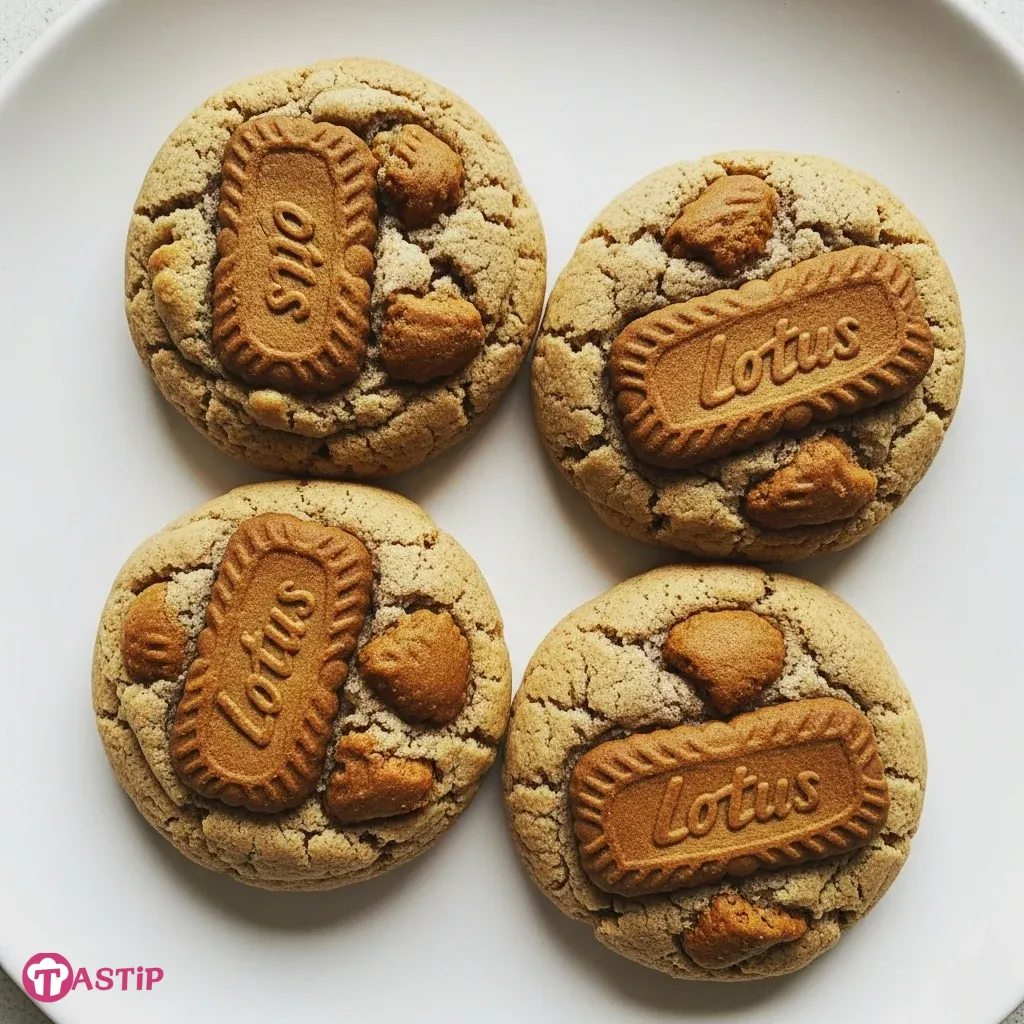
The marriage of tangy fermented notes and deep caramelized spice creates a flavor profile that far exceeds the sum of its parts. Sourdough Biscoff Cookies represent the ultimate evolution of the classic speculoos treat by introducing a sophisticated acidic backbone. In my years in the test kitchen, I discovered that sourdough discard acts as a secret weapon for texture, providing a tender crumb that balances the crunch of crushed cookies.
These cookies offer a complex sweetness, merging the warmth of cinnamon and ginger with the mellow funk of aged flour. You will appreciate how the chemical interaction between the sourdough starter and the sugars creates a unique, chewy interior. This recipe turns your kitchen discard into a gourmet masterpiece that will impress even the most discerning palate. Prepare yourself for a cookie experience that is simultaneously nostalgic and innovative.
Why You’ll Love This Sourdough Biscoff Cookies Recipe
- Complex Flavor Profile: The natural acidity of the sourdough discard heightens the deep molasses and cinnamon notes found in the Biscoff spread, creating a multi-layered sensory experience.
- Superior Texture: Enzymatic activity from the sourdough breakdown ensures a soft, pillowy center while the exterior maintains a satisfying, buttery crispness.
- Reduced Food Waste: This recipe provides a delicious and functional way to use your sourdough discard, turning potential waste into a high-quality artisanal snack.
- Artisanal Quality with Minimal Effort: Despite the sophisticated flavor, the process remains straightforward enough for a weekday baking session.
Ingredients You’ll Need
To achieve the best results with your Sourdough Biscoff Cookies, quality is paramount. I recommend using a high-fat European-style butter to ensure a rich mouthfeel. The sourdough discard should be at room temperature to facilitate even emulsification within the fat-sugar matrix. Furthermore, ensure your baking soda is fresh, as it reacts with the lactic acid in the starter to provide the necessary lift.
- Unsalted Butter: 1/2 cup (113g), softened to room temperature for optimal creaming.
- Biscoff (Speculoos) Cookie Butter: 1/2 cup (125g), creamy variety preferred for a smooth texture.
- Granulated White Sugar: 1/2 cup (100g), provides crispness through crystallization.
- Light Brown Sugar: 1/2 cup (100g), packed, which adds moisture and a hint of caramel.
- Sourdough Discard: 1/2 cup (120g), unfed and at room temperature.
- Large Egg: 1 unit, at room temperature to stabilize the emulsion.
- Vanilla Extract: 1 teaspoon, pure extract yields the best aromatic profile.
- All-Purpose Flour: 2 cups (240g), provides the structural protein network.
- Baking Soda: 1/2 teaspoon, reacts with the sourdough acid for leavening.
- Fine Sea Salt: 1/2 teaspoon, essential for balancing the sweetness.
- Biscoff Cookies: 6-8 cookies, roughly crushed for textural contrast.
Substitutions & Variations
Note: This video is for demonstration purposes and may use a slightly different method.

While the standard Sourdough Biscoff Cookies recipe is nearly perfect, you might occasionally need to pivot based on dietary needs or pantry availability. From a food science perspective, you must ensure any substitution maintains the ratio of fats to solids to preserve the cookie’s structural integrity. Here are a few healthy and functional alternatives:
- Alternative Sweeteners: Replace the white sugar with coconut sugar for a lower glycemic index and a deeper, earthier flavor that complements the Biscoff spices.
- Whole Grain Options: Substitute up to 50% of the all-purpose flour with white whole wheat flour. The sourdough discard helps soften the bran, making the cookies more nutritious without sacrificing texture.
- Plant-Based Fat: Use a high-quality vegan butter stick (avoiding tub margarines with high water content) to make the recipe dairy-free, provided you also use a vegan Biscoff spread.
- Nut Butter Swap: If you run out of speculoos spread, almond butter serves as a healthy substitute, though you should add a teaspoon of cinnamon to mimic the original flavor.
Step-by-Step Instructions
- Cream the Fats and Sugars: In a large mixing bowl or a stand mixer fitted with the paddle attachment, combine the softened butter, creamy Biscoff spread, white sugar, and brown sugar. Beat on medium-high speed for approximately 3 minutes. This process, known as mechanical leavening, traps tiny air bubbles in the fat, which will later expand in the oven.
- Incorporate the Liquids: Add the sourdough discard, the egg, and the vanilla extract to the creamed mixture. Continue beating until the mixture looks pale and fluffy. You are creating an emulsion here; ensure the egg is fully incorporated to prevent the dough from “breaking” or appearing curdled.
- Sift and Combine Dry Ingredients: In a separate medium bowl, whisk together the flour, baking soda, and sea salt. Aerating the flour ensures no clumps remain. Gradually add the dry ingredients to the wet mixture on low speed. Stop mixing as soon as the last streak of flour disappears to avoid over-developing the gluten.
- Fold in the Crunch: Gently fold the crushed Biscoff cookies into the dough using a spatula. This adds the “cookie-within-a-cookie” texture that makes these Sourdough Biscoff Cookies so addictive.
- Chill the Dough: Cover the bowl and refrigerate for at least 30 minutes. Chilling allows the flour to fully hydrate and solidifies the fats. This step is critical because it prevents the cookies from spreading too thin during the baking process.
- Prepare for Baking: Preheat your oven to 350°F (175°C) and line two large baking sheets with parchment paper or silicone mats. Use a cookie scoop to form balls about 2 tablespoons in size and place them 2 inches apart on the sheets.
- Bake to Perfection: Place the sheets in the center rack of the oven. Bake for 10 to 12 minutes. The edges should appear golden brown and set, while the centers should still look slightly soft. The residual heat from the pan will finish cooking the centers as they cool.
- Cooling: Let the Sourdough Biscoff Cookies rest on the baking sheet for 5 minutes before transferring them to a wire rack. This allows the internal structure to firm up.
Pro Tips for Success
To master the art of the Sourdough Biscoff Cookies, you must pay attention to the details that common recipes often overlook. First, consider the age of your sourdough discard. A discard that has sat in the fridge for a week will be more acidic than a fresh one.
This higher acidity levels will provide a more pronounced tang and a softer texture. Secondly, I highly recommend using a digital scale. Measuring flour by volume is notoriously inaccurate and can lead to dry, cakey cookies.
For the ultimate aesthetic, press a few extra cookie chunks into the tops of the dough balls right before they go into the oven. Finally, do not overbake. The Maillard reaction—the browning of sugars and proteins—continues even after you remove the tray from the heat.
If they look “done” in the oven, they might end up too hard once cooled. Pull them out when the centers still have a slight “jiggle” to ensure a chewy result.
Storage & Reheating Tips
Proper storage preserves the delicate moisture balance of your Sourdough Biscoff Cookies. Store the completely cooled cookies in an airtight container at room temperature for up to 4 days. Interestingly, the flavor often improves on the second day as the sourdough notes meld more thoroughly with the spices.
For longer storage, freeze the cookies in a single layer before transferring them to a freezer-safe bag; they will last up to 3 months. To reheat, place a cookie in the microwave for 10 seconds or in a 300°F oven for 5 minutes. This restores the buttery softness and makes the Biscoff spread inside slightly molten again. You can also freeze the raw dough balls and bake them directly from the freezer, adding 2 minutes to the total baking time.
What to Serve With This Recipe
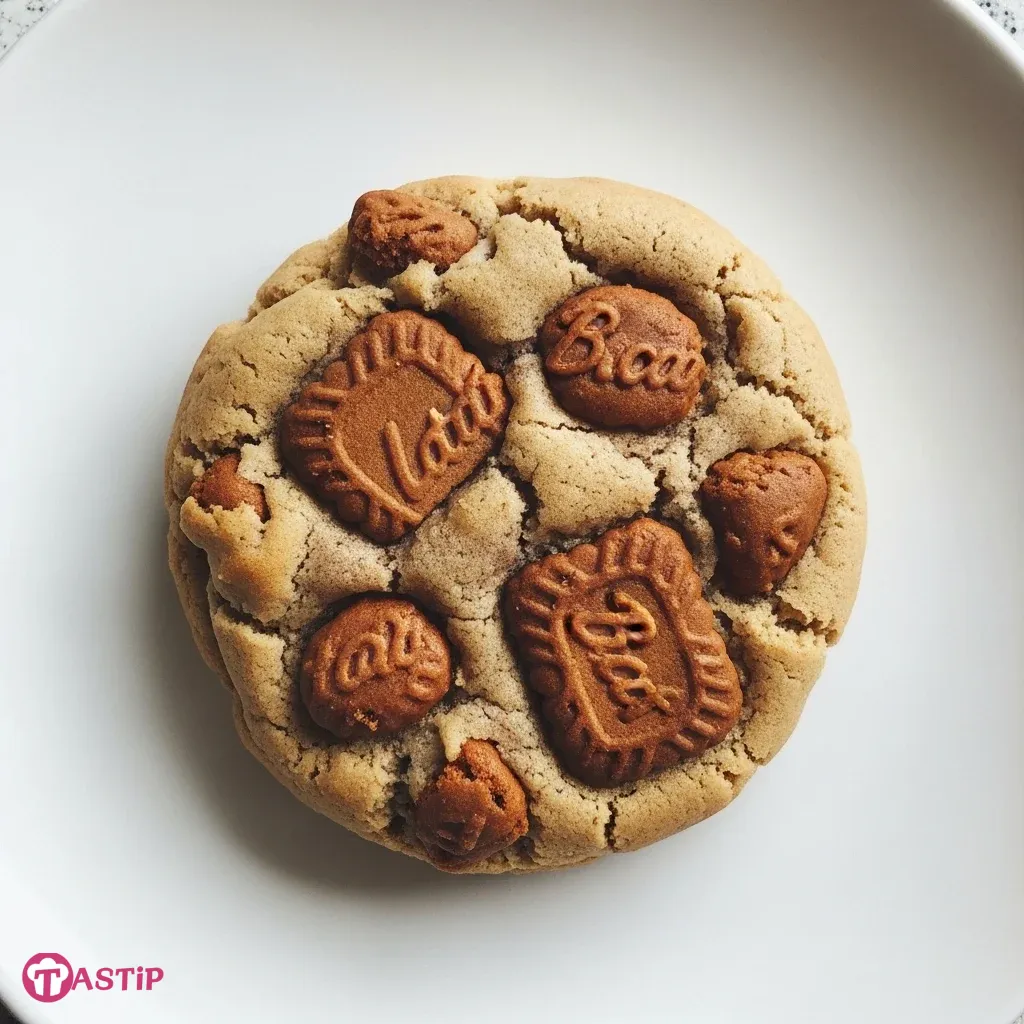
While Sourdough Biscoff Cookies are a triumph on their own, pairing them with the right accompaniments can elevate the tasting experience. Since these cookies are rich and spiced, they pair beautifully with items that offer a clean or acidic contrast. Consider serving them alongside a fresh fruit salad featuring tart Granny Smith apples or berries to cut through the richness of the cookie butter.
For a more sophisticated dessert course, serve a single warm cookie with a small bowl of Greek yogurt drizzled with honey, which echoes the fermented notes of the sourdough. If you are hosting a brunch, these cookies complement roasted root vegetables like sweet potatoes or carrots, where the cinnamon in the cookie aligns with the natural sugars of the vegetables. Of course, a high-quality oat milk or a dark roast coffee remains a classic choice for dipping.
FAQs
Do these cookies taste sour because of the sourdough discard?
No, the Sourdough Biscoff Cookies do not taste overtly sour like a loaf of sourdough bread. Instead, the discard provides a subtle depth of flavor and a slight tang that balances the intense sweetness of the Biscoff spread. The acidity also improves the overall texture by tenderizing the gluten in the flour.
Can I use active sourdough starter instead of discard?
Yes, you can certainly use active starter in your Sourdough Biscoff Cookies. However, because active starter contains more vigorous yeast, your cookies might puff up slightly more. The flavor will be milder than if you used an older, more acidic discard. Ensure the starter is at a 100% hydration level to maintain the recipe’s moisture balance.
Why did my cookies spread too much during baking?
Excessive spreading usually happens for two reasons: the butter was too warm when you started, or the dough didn’t chill long enough. For perfect Sourdough Biscoff Cookies, the fat must remain somewhat solid when entering the oven. Additionally, ensure you didn’t accidentally use too much sugar or too little flour, as both errors weaken the cookie’s structure.
Nutrition Information (per serving)
This data represents one cookie, assuming the batch makes approximately 24 cookies. Please note that these values are estimates based on standard ingredient calculations.
| Metric | Amount |
| Calories | 185 kcal |
| Total Fat | 9g |
| Saturated Fat | 4.5g |
| Cholesterol | 18mg |
| Sodium | 115mg |
| Total Carbohydrates | 24g |
| Dietary Fiber | 0.6g |
| Sugars | 14g |
| Protein | 2.2g |
Enjoy your journey into the science of baking with these Sourdough Biscoff Cookies. By understanding the interaction between fermentation and caramelization, you have mastered a recipe that is as educational as it is delicious.
Print
Sourdough Biscoff Cookies
- Total Time: 32 mins
- Yield: 24 cookies 1x
- Diet: Vegetarian
Description
Sourdough Biscoff Cookies combine the tangy fermented notes of sourdough with the deep caramelized spice of Biscoff, resulting in a unique cookie experience that is both nostalgic and innovative.
Ingredients
1/2 cup Unsalted Butter
1/2 cup Biscoff (Speculoos) Cookie Butter
1/2 cup Granulated White Sugar
1/2 cup Light Brown Sugar
1/2 cup Sourdough Discard
1 Large Egg
1 teaspoon Vanilla Extract
2 cups All-Purpose Flour
1/2 teaspoon Baking Soda
1/2 teaspoon Fine Sea Salt
6–8 Biscoff Cookies
Instructions
- Cream the softened butter, Biscoff spread, white sugar, and brown sugar in a mixing bowl for about 3 minutes
- Add the sourdough discard, egg, and vanilla extract, and beat until pale and fluffy
- Sift together flour, baking soda, and sea salt in a separate bowl, then gradually mix into the wet ingredients
- Fold in crushed Biscoff cookies gently with a spatula
- Chill the dough for at least 30 minutes
- Preheat oven to 350°F (175°C) and prepare baking sheets
- Form balls from the dough and place them on prepared sheets
- Bake for 10 to 12 minutes or until edges are golden brow
- Let the cookies cool on the baking sheet for 5 minutes before transferring to a wire rack
Notes
Chilling the dough is crucial to prevent excessive spreading during baking.
Using a digital scale for measuring ingredients can improve accuracy.
- Prep Time: 20 mins
- Cook Time: 12 mins
- Category: Dessert
- Method: Baking
- Cuisine: American
Nutrition
- Serving Size: 1 cookie
- Calories: 185 kcal
- Sugar: 14g
- Sodium: 115mg
- Fat: 9g
- Saturated Fat: 4.5g
- Unsaturated Fat: unknown
- Trans Fat: unknown
- Carbohydrates: 24g
- Fiber: 0.6g
- Protein: 2.2g
- Cholesterol: 18mg
If you’re wondering what makes these cookies so uniquely delightful, the combination of flavors and textures truly stands out. Explore more about why these attributes matter in baking by visiting this source of baking insights.
Sourdough Biscoff Cookies blend the tangy notes of sourdough with the sweet, spiced flavors of Biscoff cookies, creating a unique culinary experience. This innovative approach to traditional cookies highlights the usage of sourdough discard, turning it into a delightful treat that showcases the versatility of baking.