
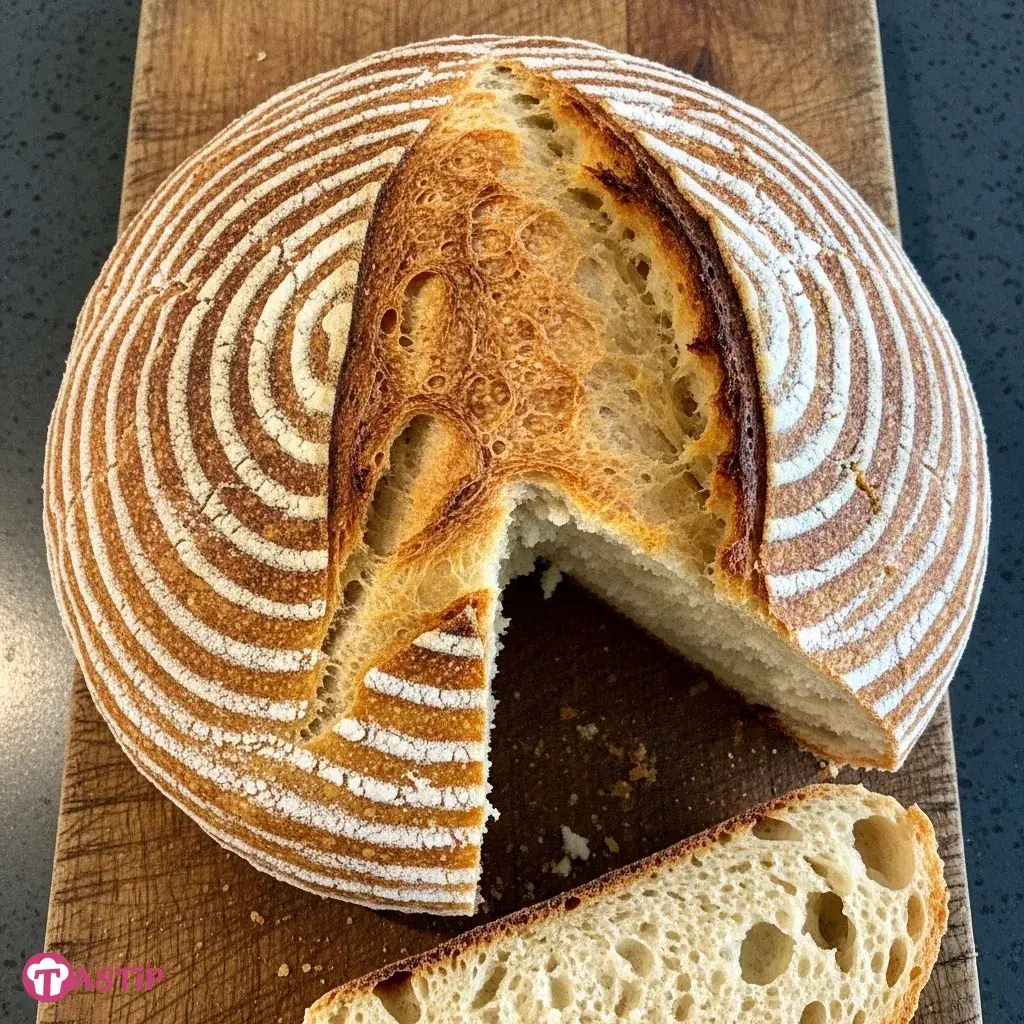
There is something truly grounding about the ritual of baking your own Sourdough Bread at home. This ancient method yields a loaf with a perfectly crisp, golden crust and a soft, tangy interior that store-bought versions simply cannot replicate. As a nutritionist, I value the slow fermentation process because it transforms simple ingredients into a gut-friendly powerhouse.
This Sourdough Bread recipe focuses on purity and patience, ensuring every slice provides nourishment and satisfaction. You will love how this bread fills your kitchen with a comforting, earthy aroma while supporting your overall wellness. Let’s dive into the art of crafting a masterpiece that is as healthy as it is delicious.
Why You’ll Love This Sourdough Bread Recipe
- The long fermentation process breaks down gluten and phytic acid, making this Sourdough Bread much easier on your digestive system than standard loaves.
- You only need three basic pantry staples—flour, water, and salt—to create a high-quality, professional-grade loaf without any hidden additives.
- This recipe produces a complex, tangy flavor profile and a chewy “crumb” texture that elevates any meal from simple to extraordinary.
- Baking this bread encourages a mindful, slow-living approach to nutrition that connects you deeply with the food you consume.
Ingredients You’ll Need
To achieve the best results with your Sourdough Bread, prioritize the quality of your ingredients. Use organic, unbleached flour to ensure your wild yeast thrives without interference from chemicals. Filtered water is also essential, as chlorine can inhibit the growth of the beneficial bacteria in your starter. High-quality sea salt provides essential minerals and controls the rate of fermentation perfectly.
| Ingredient | Amount | Notes |
|---|---|---|
| Active Sourdough Starter | 100 grams | Must be bubbly and at its peak. |
| Warm Filtered Water | 350 grams | Aim for approximately 80°F (27°C). |
| Organic Bread Flour | 500 grams | Provides the protein needed for structure. |
| Fine Sea Salt | 10 grams | Enhances flavor and strengthens gluten. |
Substitutions & Variations
Note: This video is for demonstration purposes and may use a slightly different method.
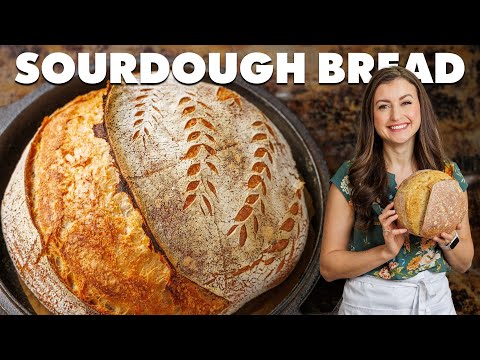
While the classic version of Sourdough Bread is magnificent, you can certainly experiment with different flours to suit your nutritional needs. If you prefer a heartier, more fiber-rich loaf, replace 100 grams of the bread flour with whole wheat or rye flour. These ancient grains add a nutty depth and increase the mineral content of your bread.
For those who enjoy a touch of sweetness and extra antioxidants, fold in a tablespoon of honey and a handful of chopped walnuts during the final shaping stage. Furthermore, you can incorporate dried herbs like rosemary or thyme to create a savory artisanal experience. Always ensure your substitutions maintain a similar hydration level so the dough remains manageable during the folding process.
While experimenting with different types of flour can enhance your Sourdough Bread, consider trying our recipe for Flavored Sourdough Bread, which incorporates delightful flavors and textures to elevate your baking experience.
Step-by-Step Instructions
- Begin by whisking your active starter and warm water in a large glass bowl until the starter dissolves into a milky liquid.
- Add the bread flour and sea salt to the liquid mixture, then stir with a sturdy spatula or your hands until a shaggy dough forms and no dry flour remains.
- Cover the bowl with a damp cloth and let the dough rest for 30 to 60 minutes; this process, known as autolyse, allows the flour to fully hydrate and initiates gluten development.
- Perform your first set of “stretch and folds” by grabbing one side of the dough, pulling it upward, and folding it over toward the center. Rotate the bowl and repeat this four times.
- Repeat the stretch and fold process every 30 minutes for a total of four sets, which builds the necessary strength for your Sourdough Bread to rise properly.
- Let the dough sit undisturbed in a warm spot for the “bulk fermentation” phase, typically lasting 4 to 6 hours, until it increases in volume by about 50% and looks bubbly.
- Gently tip the dough onto a lightly floured surface and shape it into a tight round boule by pulling the edges toward the center and tensioning it against the counter.
- Place the shaped dough into a floured proofing basket (banneton) or a bowl lined with a linen towel, then refrigerate it overnight for 12 to 15 hours to develop that signature Sourdough Bread tang.
- Preheat your oven to 450°F (232°C) with a Dutch oven inside for at least 45 minutes to ensure a consistent, high-heat baking environment.
- Carefully transfer the cold dough onto parchment paper, score the top with a sharp blade to control the rise, and place it into the hot Dutch oven.
- Bake with the lid on for 20 minutes to trap steam, which creates the thin, crispy crust, then remove the lid and bake for another 20 to 25 minutes until the loaf reaches a deep mahogany color.
- Transfer the finished Sourdough Bread to a wire rack and allow it to cool completely for at least two hours before slicing to let the internal structure set.
Pro Tips for Success
Success with Sourdough Bread often depends on the environment and the vitality of your starter. Firstly, ensure your starter is “fed” and active; it should double in size within 4 to 6 hours of feeding before you use it in this recipe. If your kitchen is cold, you can place your dough inside the oven with the light turned on to create a slightly warmer microclimate for fermentation.
Additionally, do not skip the cold proofing step in the refrigerator. This “retarding” of the dough slows down the yeast while allowing the lactic acid bacteria to produce more flavor, resulting in a superior Sourdough Bread.
When scoring the dough, use a quick, confident motion with a very sharp razor blade or “lame” to prevent the dough from dragging. Finally, use a digital scale for all measurements, as volume-based measurements like cups are often inaccurate and can lead to inconsistent results.
To ensure your Sourdough Bread rises perfectly, it’s crucial to maintain an ideal fermentation environment. Discover essential tips for scoring and shaping your dough in our guide on Sourdough Score Ideas.
Storage & Reheating Tips
To maintain the freshness of your Sourdough Bread, store it at room temperature in a breathable linen bag or wrapped in a clean kitchen towel. This method preserves the crust’s texture while keeping the interior soft for about three days. Avoid storing your bread in the refrigerator, as the cold air will dehydrate the starch and cause it to go stale much faster.
If you have leftover slices, you can freeze them in an airtight freezer bag for up to three months. When you are ready to enjoy a slice, simply toast it directly from the freezer to revive that fresh-baked crunch. For a whole loaf, sprinkle the crust lightly with water and place it in a 350°F (175°C) oven for 10 minutes to restore its original glory.
What to Serve With This Recipe
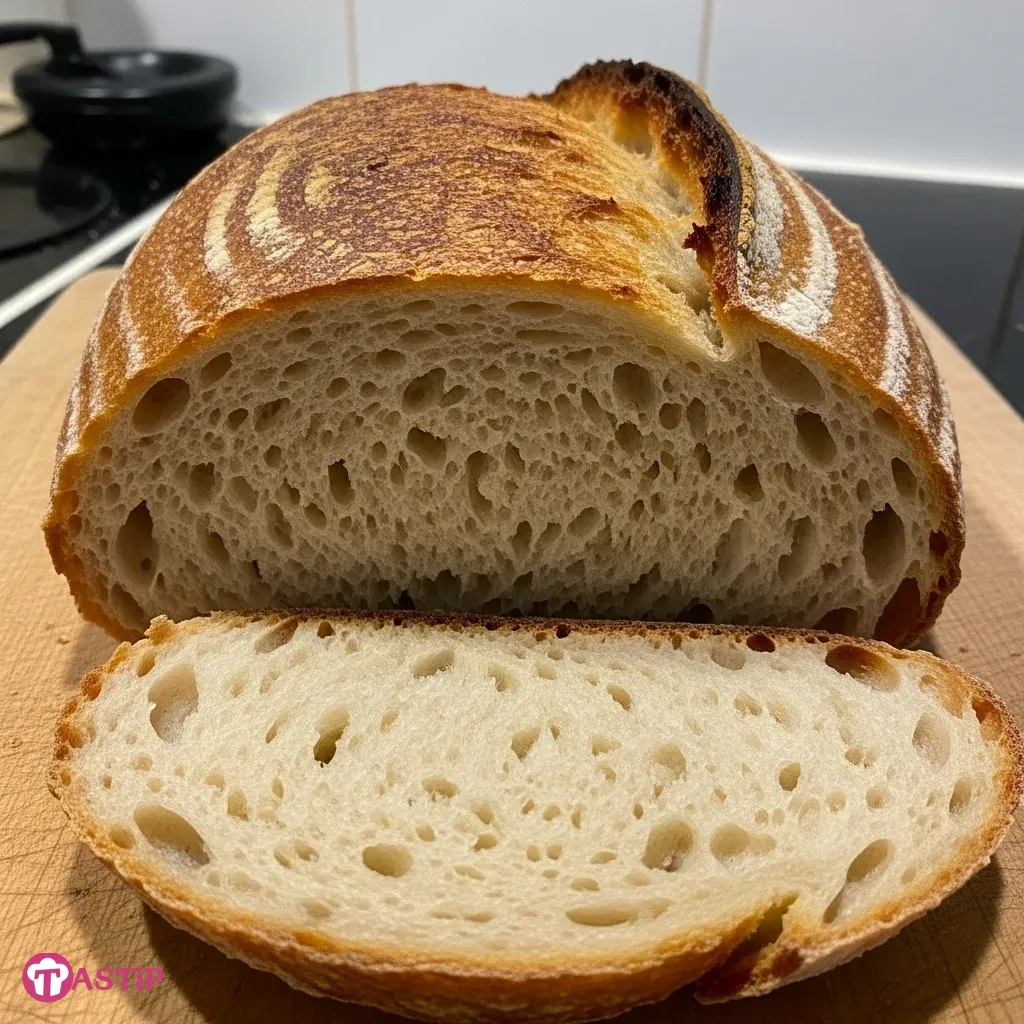
This Sourdough Bread serves as the perfect canvas for a variety of nutrient-dense toppings and side dishes. For a vibrant breakfast, top a toasted slice with mashed avocado, a squeeze of lemon, and a sprinkle of hemp seeds for extra protein. If you are serving dinner, use the bread to soak up the juices of a hearty vegetable stew or a roasted tomato soup.
It also pairs beautifully with a fresh kale salad drizzled with extra virgin olive oil and balsamic vinegar. Furthermore, you can create a sophisticated appetizer by serving warm slices alongside a bowl of high-quality olive oil infused with garlic and fresh rosemary. The natural acidity of the Sourdough Bread cuts through rich fats perfectly, making it an ideal companion for a clean, plant-forward charcuterie board featuring fermented pickles and raw nuts.
The versatility of Sourdough Bread makes it an excellent base for many meals. For an indulgent twist, try our recipe for Sourdough Croissant Bread Loaf, combining the delight of croissants with the wholesome benefits of sourdough.
FAQs
Is Sourdough Bread actually healthier than regular bread?
Yes, Sourdough Bread offers several nutritional advantages. The long fermentation process neutralizes phytic acid, which otherwise binds to minerals and prevents their absorption in your gut. Moreover, the lactic acid produced during fermentation lowers the bread’s glycemic index, meaning it causes a slower, more stable rise in blood sugar levels compared to commercial white bread. Many people with mild gluten sensitivities find they can tolerate sourdough much better because the bacteria partially pre-digest the gluten proteins.
Why did my Sourdough Bread not rise or turn out flat?
A flat loaf, often called a “frisbee,” usually results from an inactive starter or over-fermentation. If your starter was not at its peak bubbly state when you mixed the dough, it lacked the strength to lift the heavy flour. Alternatively, if the dough fermented for too long in a warm environment, the gluten structure might have collapsed.
To fix this, monitor the dough’s volume rather than just the clock, and ensure your starter is consistently doubling in size before use. Proper tension during the shaping phase also helps the Sourdough Bread maintain its shape in the oven.
Can I make Sourdough Bread without a Dutch oven?
While a Dutch oven is the easiest way to trap steam and create a professional crust, you can achieve similar results with other methods. You can bake the bread on a preheated baking stone or a heavy-duty cookie sheet.
To simulate the steam of a Dutch oven, place a shallow pan of boiling water on the bottom rack of your oven during the first 15 minutes of baking. This moisture keeps the surface of the Sourdough Bread supple, allowing it to expand fully before the crust hardens and browns.
Sourdough Bread is a type of bread created by the fermentation of dough using naturally occurring lactobacilli and yeast. This method not only contributes to its unique flavor but also enhances its digestibility and nutritional benefits, making it a popular choice among health-conscious bakers throughout history.
Nutrition Information (per serving)
This information represents one standard slice of Sourdough Bread (approximately 50g). These values are estimates based on the use of organic bread flour and traditional fermentation methods.
| Nutrient | Amount Per Serving |
|---|---|
| Calories | 120 kcal |
| Total Fat | 0.5g |
| Sodium | 240mg |
| Total Carbohydrates | 24g |
| Dietary Fiber | 2g |
| Sugars | 0g |
| Protein | 4g |

Sourdough Bread
- Total Time: 12 hrs 60 mins
- Yield: 1 loaf 1x
- Diet: Vegetarian
Description
This Sourdough Bread recipe yields a loaf with a perfectly crisp, golden crust and a soft, tangy interior. It focuses on purity and patience, ensuring every slice provides nourishment and satisfaction.
Ingredients
100 grams Active Sourdough Starter
350 grams Warm Filtered Water
500 grams Organic Bread Flour
10 grams Fine Sea Salt
Instructions
- Whisk your active starter and warm water in a large glass bowl until the starter dissolves
- Add the bread flour and sea salt to the mixture and stir until a shaggy dough forms
- Cover the bowl and let the dough rest for 30 to 60 minutes
- Perform the first set of stretch and folds, then repeat every 30 minutes for a total of four sets
- Let the dough sit undisturbed for 4 to 6 hours until it increases in volume by about 50%
- Shape the dough into a tight round boule and place it in a proofing basket
- Refrigerate overnight for 12 to 15 hours
- Preheat your oven to 450°F with a Dutch oven inside for at least 45 minutes
- Transfer the dough onto parchment paper, score the top, and place it in the hot Dutch ove
- Bake for 20 minutes with the lid on, then remove the lid and bake for another 20 to 25 minutes
- Cool completely for at least two hours before slicing
Notes
Ensure the starter is active before use and do not skip the cold proofing step.
- Prep Time: 20 mins
- Cook Time: 40 mins
- Category: Bread
- Method: Baking
- Cuisine: American
Nutrition
- Serving Size: 1 slice
- Calories: 120 kcal
- Sugar: 0g
- Sodium: 240mg
- Fat: 0.5g
- Saturated Fat: 0g
- Unsaturated Fat: 0g
- Trans Fat: 0g
- Carbohydrates: 24g
- Fiber: 2g
- Protein: 4g
- Cholesterol: 0mg