

There is something truly restorative about the aroma of toasted Sourdough English Muffins filling your kitchen on a crisp morning. These muffins offer a complex, tangy flavor and a signature chewy texture that store-bought versions simply cannot replicate. As a nutritionist, I prioritize foods that support gut health, and the long fermentation process of sourdough does exactly that by breaking down gluten and anti-nutrients.
You will find that these muffins are incredibly versatile, serving as the perfect canvas for both savory and sweet toppings. They boast those iconic nooks and crannies, designed perfectly to catch pools of melted grass-fed butter or homemade nut butter. Making Sourdough English Muffins at home allows you to control the quality of every single ingredient, ensuring a nutrient-dense start to your day. This recipe balances traditional techniques with modern wellness goals to create an energizing breakfast staple.
Why You’ll Love This Sourdough English Muffins Recipe
- Superior Digestibility: The slow fermentation process helps break down phytic acid, making the nutrients in the flour more bioavailable for your body.
- Incredible Texture: You will achieve a beautiful contrast between the crisp, griddled exterior and the soft, airy interior filled with holes.
- Clean Ingredients: This recipe eliminates the preservatives, high-fructose corn syrup, and inflammatory oils often found in commercial Sourdough English Muffins.
- Prep-Ahead Friendly: You can easily prepare the dough in advance, allowing it to ferment overnight for a stress-free morning bake.
Ingredients You’ll Need
Selecting high-quality ingredients is the first step toward a vibrant and healthy lifestyle. For these Sourdough English Muffins, I recommend sourcing organic flours and filtered water to keep the beneficial bacteria in your starter happy and active.
| Ingredient | Quantity | Nutrition Note |
|---|---|---|
| Active Sourdough Starter | 1/2 cup (100g) | Provides natural leavening and probiotic benefits. |
| Warm Filtered Water | 3/4 cup (180g) | Hydrates the flour without chlorine interference. |
| Organic All-Purpose Flour | 3 cups (360g) | Choose unbleached flour for a cleaner profile. |
| Raw Honey or Maple Syrup | 1 tablespoon | Feeds the yeast and adds a hint of natural sweetness. |
| Fine Sea Salt | 1 teaspoon | Essential for flavor and controlling fermentation. |
| Melted Coconut Oil or Ghee | 2 tablespoons | Adds healthy fats for a soft crumb. |
| Organic Cornmeal | For dusting | Provides the classic crunch and prevents sticking. |
Substitutions & Variations
Note: This video is for demonstration purposes and may use a slightly different method.

I always encourage you to listen to your body and adjust recipes based on your dietary needs. If you want to increase the fiber content of your Sourdough English Muffins, you can substitute one cup of the all-purpose flour with whole-wheat or spelt flour. This swap adds a nutty depth and extra minerals.
For those following a dairy-free or vegan lifestyle, ensure you use maple syrup instead of honey and coconut oil instead of ghee. If you prefer a savory twist, feel free to fold in a tablespoon of fresh chopped rosemary or dried thyme during the initial mixing phase.
You can also experiment with gluten-free sourdough starters, though the texture of these Sourdough English Muffins will vary significantly from the traditional wheat-based version. Always prioritize organic and non-GMO options whenever possible to minimize exposure to synthetic pesticides.
If you’re looking to boost the fiber content of your Sourdough English Muffins, consider substituting some all-purpose flour with whole-wheat or spelt flour for added nutrition. You can also explore creating artisan varieties by checking out my recipe for Artisan Sourdough Bread with Decorative Scoring.
Step-by-Step Instructions
- Mix the Levain: In a large glass bowl, combine your active sourdough starter, warm water, and honey. Whisk gently until the starter dissolves and the mixture appears bubbly.
- Combine Dry Ingredients: Gradually add the flour and sea salt to the liquid mixture. Use a sturdy wooden spoon or your hands to mix until a shaggy dough forms.
- Incorporate the Fat: Pour the melted coconut oil or ghee over the dough. Knead the dough inside the bowl for about 5 minutes until it becomes smooth and slightly elastic.
- Bulk Fermentation: Cover the bowl with a damp cloth or beeswax wrap. Let the dough rest at room temperature for 8 to 12 hours. This long rest is crucial for developing the flavor of your Sourdough English Muffins.
- Shape the Muffins: After the fermentation, gently turn the dough onto a lightly floured surface. Divide the dough into 8 to 10 equal portions. Roll each portion into a smooth ball and flatten it slightly into a disc shape.
- Second Rise: Place the discs on a baking sheet dusted generously with cornmeal. Sprinkle more cornmeal on top. Cover and let them rise for another 45 to 60 minutes until they look puffy.
- Griddle the Muffins: Heat a cast-iron skillet or griddle over low-medium heat. Do not use oil unless your pan tends to stick. Carefully place the muffins in the pan.
- Cook Thoroughly: Cook each side for approximately 5 to 7 minutes. You want a deep golden-brown crust while ensuring the centers reach an internal temperature of 200°F.
- Cool Properly: Transfer the Sourdough English Muffins to a wire rack. Patience is key here; let them cool completely before opening them to preserve the interior structure.
Pro Tips for Success
To achieve the best results with your Sourdough English Muffins, always use a fork to split them open. Using a knife slices right through the internal air pockets, which ruins the “nooks and crannies” that hold your toppings. Furthermore, ensure your griddle temperature stays low.
If the heat is too high, the outside will burn before the inside finishes cooking. I also recommend using an active, bubbly starter rather than discard for this specific recipe to ensure a lighter rise. If your kitchen is cold, you might need to extend the fermentation time.
Conversely, in a warm environment, the dough may be ready sooner. Pay attention to the dough’s appearance rather than just the clock. Finally, if you find the muffins are browning too fast on the stove, you can finish them in a 350°F oven for 5 minutes to ensure they are fully baked through.
For the perfect texture while enjoying your Sourdough English Muffins, be sure to split them open with a fork. If you’re interested in expanding your sourdough baking skills, don’t miss my detailed guide on Sourdough Laminated Croissant Bread.
Storage & Reheating Tips
Once your Sourdough English Muffins have cooled entirely, store them in an airtight container at room temperature for up to three days. Because these muffins lack commercial preservatives, they will firm up faster than store-bought brands. For longer storage, I highly recommend freezing them.
Slice the muffins first, then place a small piece of parchment paper between the halves and store them in a freezer-safe bag for up to three months. When you are ready to enjoy one, simply pop the frozen Sourdough English Muffins directly into the toaster. This method restores the crisp exterior and creates a soft, warm center. Avoid using the microwave for reheating, as it can result in a rubbery texture that diminishes the sourdough experience.
What to Serve With This Recipe
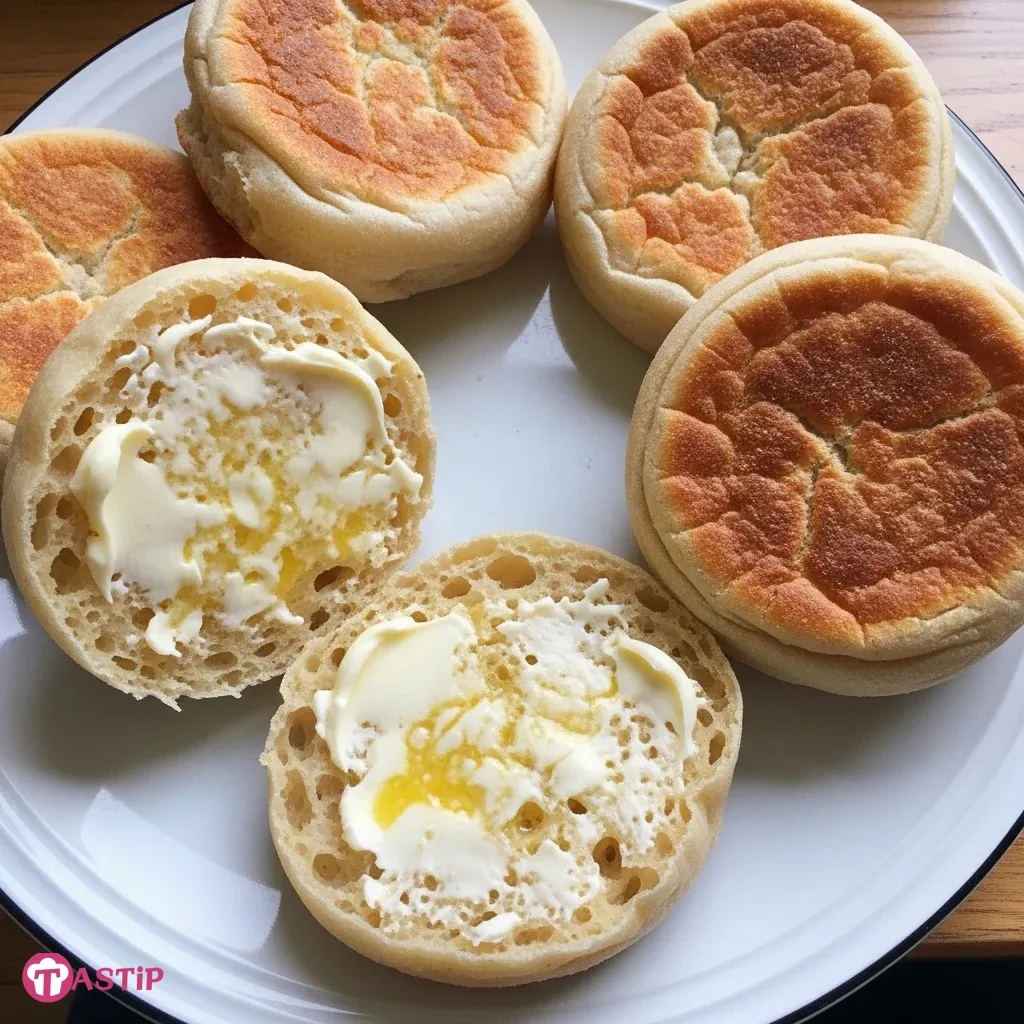
Pairing your Sourdough English Muffins with nutrient-dense toppings elevates them from a simple snack to a complete, balanced meal. For a high-protein breakfast, top a toasted muffin with smashed avocado, a poached organic egg, and a sprinkle of microgreens. This combination provides healthy fats, protein, and essential enzymes.
If you prefer a sweeter start, try a thin layer of almond butter topped with sliced strawberries and a dash of hemp seeds. For a savory lunch, these muffins serve as an excellent base for a tuna salad melt using wild-caught tuna and a slice of raw grass-fed cheddar.
You can also serve them alongside a warm bowl of roasted vegetable soup, using the muffin to soak up the delicious broth. No matter how you serve them, these Sourdough English Muffins offer a satisfying and wholesome foundation for your favorite clean-eating ingredients.
Enhancing your Sourdough English Muffins with nutritious toppings transforms them into a balanced meal. If you’re curious about combining flavors, try adding toppings from my recipe for Rosemary Garlic Sourdough Bread.
FAQs
Can I make these Sourdough English Muffins with sourdough discard?
Yes, you can use sourdough discard, but the rise may be slightly denser. If your discard is very old, I recommend adding a half-teaspoon of baking soda to the dough during the final shaping stage. This helps neutralize excess acidity and provides a little extra lift during the griddling process. However, for the most traditional texture, an active starter works best.
Why did my English muffins turn out doughy in the middle?
Doughy centers usually indicate that the griddle heat was too high or the muffins were not cooked long enough. Sourdough English Muffins require a low, slow heat to cook the interior thoroughly without burning the exterior. Using a meat thermometer to check for an internal temperature of 200°F is the most reliable way to ensure they are done.
Do I have to use cornmeal for the coating?
While cornmeal provides the classic texture and prevents the dough from sticking to the pan, you can use alternatives. Semolina flour is a great substitute that offers a similar crunch. If you are avoiding corn and grains like semolina, you could use a light dusting of rice flour, though the texture will be smoother and less traditional.
Sourdough English Muffins are a delightful variation of traditional English muffins, made from a fermented sourdough starter. These muffins are known for their unique texture and flavor, making them a fantastic base for various toppings; learn more about their history and preparation in this detailed article.
Nutrition Information (per serving)
This nutritional profile reflects one medium-sized muffin prepared with the standard ingredients listed above. These Sourdough English Muffins provide a steady source of complex carbohydrates and a moderate amount of protein to keep you satiated.
| Calories | 185 kcal |
| Total Carbohydrates | 34g |
| Dietary Fiber | 2g |
| Protein | 5g |
| Total Fat | 3.5g |
| Sugars | 2g |
| Sodium | 290mg |
Embrace the process of slow baking and enjoy the deep satisfaction that comes from creating your own Sourdough English Muffins. By choosing whole, clean ingredients, you are nourishing your body and soul one bite at a time. Happy baking!
Print
Sourdough English Muffins
- Total Time: 30 mins
- Yield: 8 servings 1x
- Diet: Vegetarian
Description
Sourdough English Muffins are a nutritious breakfast option characterized by their chewy texture and tangy flavor. Made from organic ingredients and fermented for superior digestibility, these muffins serve as an excellent canvas for various toppings, making them both versatile and delicious.
Ingredients
1/2 cup (100g) Active Sourdough Starter
3/4 cup (180g) Warm Filtered Water
3 cups (360g) Organic All-Purpose Flour
1 tablespoon Raw Honey or Maple Syrup
1 teaspoon Fine Sea Salt
2 tablespoons Melted Coconut Oil or Ghee
Organic Cornmeal for dusting
Instructions
- In a large glass bowl, combine your active sourdough starter, warm water, and honey. Whisk gently until the starter dissolves and the mixture appears bubbly
- Gradually add the flour and sea salt to the liquid mixture. Use a sturdy wooden spoon or your hands to mix until a shaggy dough forms
- Pour the melted coconut oil or ghee over the dough. Knead the dough inside the bowl for about 5 minutes until it becomes smooth and slightly elastic
- Cover the bowl with a damp cloth or beeswax wrap. Let the dough rest at room temperature for 8 to 12 hours
- Gently turn the dough onto a lightly floured surface. Divide the dough into 8 to 10 equal portions. Roll each portion into a smooth ball and flatten it slightly
- Place the discs on a baking sheet dusted generously with cornmeal. Sprinkle more cornmeal on top and let them rise for another 45 to 60 minutes
- Heat a cast-iron skillet or griddle over low-medium heat. Carefully place the muffins in the pa
- Cook each side for approximately 5 to 7 minutes until golden brown and the centers reach an internal temperature of 200°F
- Transfer the muffins to a wire rack to cool completely
Notes
Use a fork to split the muffins open to preserve the internal air pockets.
Ensure the griddle temperature stays low to avoid burning the exterior before cooking the interior.
- Prep Time: 20 mins
- Cook Time: 10 mins
- Category: Breakfast
- Method: Baking
- Cuisine: American
Nutrition
- Serving Size: 1 muffin
- Calories: 185 kcal
- Sugar: 2g
- Sodium: 290mg
- Fat: 3.5g
- Saturated Fat: 2g
- Unsaturated Fat: 1.5g
- Trans Fat: 0g
- Carbohydrates: 34g
- Fiber: 2g
- Protein: 5g
- Cholesterol: 0mg