
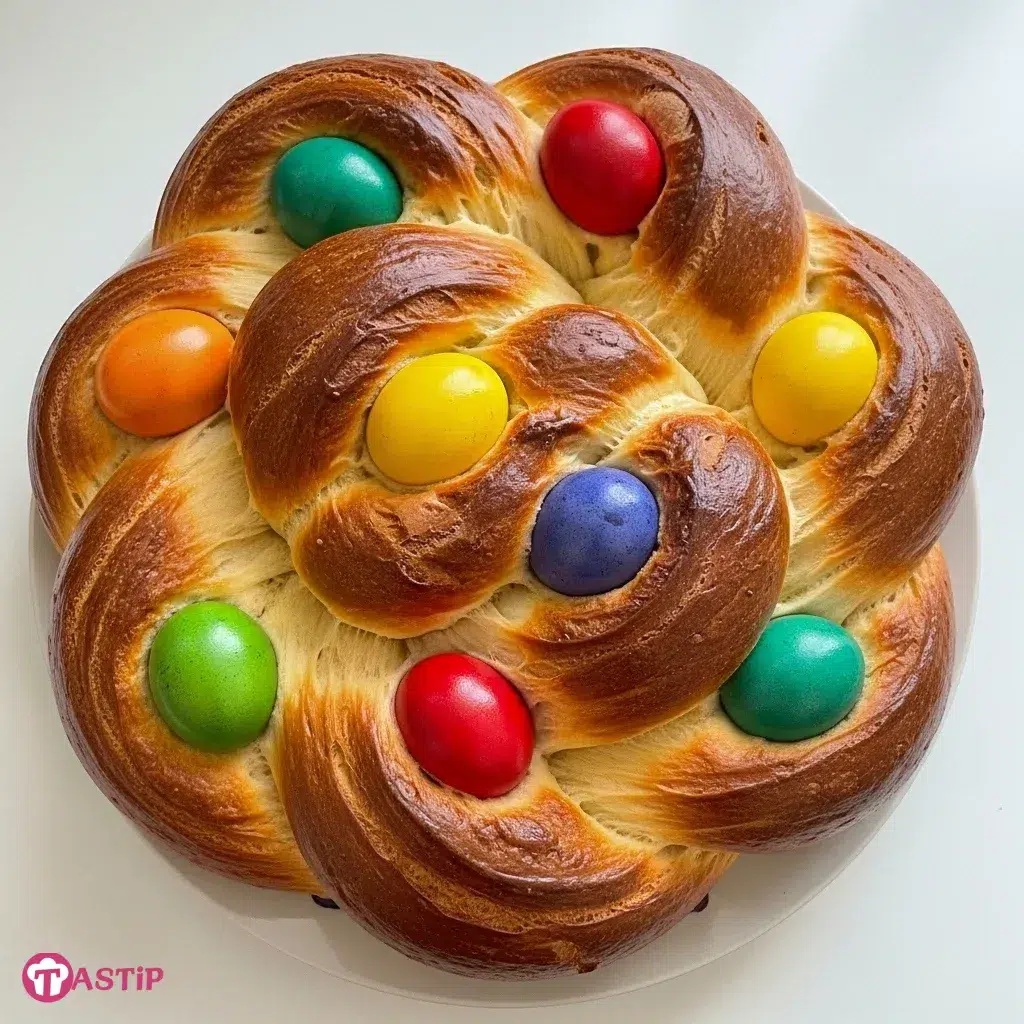
This Traditional Italian Easter Bread Recipe delivers a soft, brioche-like texture with a hint of citrus that will instantly brighten your holiday table. You will love the light, airy crumb and the beautiful aesthetic of colorful eggs nestled inside braided dough. Many people assume holiday baking requires hours of labor, but I have streamlined this process for the busy professional.
We are skipping the unnecessary steps and focusing on what actually delivers flavor and visual impact. This bread tastes like a celebration and smells like a dream while it bakes. Get ready to impress your family without spending your entire weekend in the kitchen. This Traditional Italian Easter Bread Recipe is the ultimate balance of efficiency and elegance.
Why You’ll Love This Traditional Italian Easter Bread Recipe
- Incredible Flavor: The combination of orange zest and anise creates a sophisticated, festive profile that far surpasses store-bought options.
- Time-Efficient: I use instant yeast and a simplified kneading process to ensure this Traditional Italian Easter Bread Recipe fits into your tight schedule.
- Visual Masterpiece: The braided design and vibrant eggs make this a stunning centerpiece that doubles as a delicious breakfast or snack.
- Wholesome Ingredients: By baking this at home, you avoid the preservatives and artificial softeners found in commercial holiday breads.
Ingredients You’ll Need
High-quality ingredients make all the difference when executing a Traditional Italian Easter Bread Recipe. Ensure your eggs are at room temperature and your butter is softened to achieve the perfect emulsion in the dough. Using fresh zest provides a punch of flavor that bottled extracts simply cannot match.
I recommend using high-quality bread flour for the best structure, though all-purpose flour works if you are in a pinch. Quality matters here because we want a rich, golden loaf that holds its shape beautifully.
| Ingredient | Quantity | Purpose |
|---|---|---|
| All-Purpose Flour | 3.5 to 4 Cups | Provides the structural base for the dough. |
| Instant Yeast | 1 Packet (2.25 tsp) | Speeds up the rising process significantly. |
| Whole Milk | 1 Cup | Creates a soft, tender crumb. |
| Unsalted Butter | 1/4 Cup (Softened) | Adds richness and a buttery flavor. |
| Granulated Sugar | 1/3 Cup | Provides just the right amount of sweetness. |
| Large Eggs | 2 (For dough) | Binds the ingredients and adds color. |
| Salt | 1/2 Teaspoon | Enhances all the other flavors. |
| Orange or Lemon Zest | 1 Tablespoon | Gives the bread its signature Italian aroma. |
| Dyed Raw Eggs | 3 to 5 Eggs | The traditional decoration for the nests. |
| Egg Wash | 1 Egg + 1 tbsp Water | Creates a shiny, golden-brown crust. |
| Rainbow Sprinkles | Optional | Adds a festive, traditional touch. |
Substitutions & Variations
Note: This video is for demonstration purposes and may use a slightly different method.

If you want to customize your Traditional Italian Easter Bread Recipe, there are several healthy and functional swaps you can make. Furthermore, you can adjust the flavor profile to suit your family’s preferences. I always suggest sticking to the basic ratios, but these small changes can make the recipe work for your specific pantry needs.
- Whole Wheat Swap: Replace 1 cup of all-purpose flour with whole wheat pastry flour for added fiber without making the bread too heavy.
- Natural Sweeteners: You can use 1/4 cup of honey or maple syrup instead of granulated sugar for a more complex sweetness.
- Dairy-Free Option: Use unsweetened almond milk and a high-quality vegan butter stick to make this recipe dairy-friendly.
- Flavor Profile: If you dislike anise, replace it with vanilla bean paste or almond extract for a different but equally delicious Traditional Italian Easter Bread Recipe.
- Egg-Free Decoration: If you prefer not to use eggs in the nests, you can place large blanched almonds or chocolate eggs (after baking) in the spaces.
If you’re considering personalizing your Traditional Italian Easter Bread Recipe, there are numerous healthy swaps you might explore. For more information on enhancing your dishes, check out What Is Carbonara Sauce Made Of? Traditional Ingredients and Preparation.
Step-by-Step Instructions
Follow these direct steps to master your Traditional Italian Easter Bread Recipe. I have eliminated the fluff to ensure you move quickly and confidently through the process. Remember, yeast is a living organism, so keep your milk warm but not hot to avoid killing it. Let’s get started on this beautiful holiday bake.
- Mix the Base: In a large bowl or the bowl of a stand mixer, combine 1.5 cups of flour, the instant yeast, sugar, salt, and citrus zest. Whisk these dry ingredients together to ensure even distribution.
- Warm the Liquids: Heat the milk and butter in a small saucepan or microwave until the milk is warm (about 110-115°F) and the butter is almost melted. Pour this mixture into the dry ingredients.
- Add the Eggs: Add the two large eggs to the bowl. Beat the mixture on medium speed for about two minutes. You want the batter to be smooth and well-combined before you add the remaining flour.
- Form the Dough: Gradually add the remaining flour, half a cup at a time, until the dough begins to pull away from the sides of the bowl. Consequently, the dough should be slightly tacky but manageable.
- Knead Quickly: Turn the dough onto a floured surface and knead for about 5 to 7 minutes. If you are using a stand mixer, use the dough hook for 5 minutes. The dough should become smooth and elastic.
- First Rise: Place the dough in a lightly greased bowl and cover it with a clean kitchen towel. Let it rest in a warm, draft-free spot for about one hour or until it doubles in size. This is the perfect time to prep your dyed eggs.
- Shape the Braid: Punch the dough down to release air. Divide the dough into two or three large pieces. Roll each piece into a long rope, about 14 inches long. Twist the ropes together to form a braid.
- Form the Ring: Bring the ends of the braid together to form a circle or wreath. Place the ring on a parchment-lined baking sheet. Tuck your dyed raw eggs into the folds of the braid.
- Second Rise: Cover the wreath and let it rise again for about 30 to 45 minutes. Preheat your oven to 350°F during this time. This second rise ensures your Traditional Italian Easter Bread Recipe is light and fluffy.
- Bake to Perfection: Brush the dough with the egg wash and add sprinkles if desired. Bake for 20 to 25 minutes until the bread is golden brown and sounds hollow when tapped. Let it cool on a wire rack before serving.
Pro Tips for Success
To ensure your Traditional Italian Easter Bread Recipe turns out perfectly every single time, I have gathered a few technical tips. These are the secrets that professional bakers use to maintain consistency and quality. Even if you are a beginner, these pointers will help you navigate the dough-making process like a pro.
- Check Yeast Freshness: Even with instant yeast, ensure it hasn’t expired. If your dough doesn’t rise, your yeast is likely inactive.
- Don’t Over-Flour: It is tempting to add more flour when the dough feels sticky. However, too much flour leads to a dense, dry bread. Keep the dough slightly tacky for the best results.
- Temperature Control: If your kitchen is cold, turn on your oven for 1 minute, turn it off, and then place the dough inside to rise. The residual heat creates the perfect environment.
- Raw Eggs are Safe: Do not hard-boil the eggs before putting them in the dough. They will cook perfectly in the oven during the baking process of the Traditional Italian Easter Bread Recipe.
- Use a Thermometer: To be 100% sure the bread is done, use an instant-read thermometer. The internal temperature should reach 190°F.
For those looking to perfect their cooking technique, mastering the details can make a significant difference in your Traditional Italian Easter Bread Recipe. Don’t miss these essential tips in my guide on Blended Iced Cappuccino to elevate your baking skills.
Storage & Reheating Tips
This Traditional Italian Easter Bread Recipe is best enjoyed fresh on the day it is baked. However, as a busy professional, I know you might need to prep ahead or save leftovers for a quick weekday breakfast. Proper storage ensures the bread remains moist and delicious for days after the holiday.
Store any leftover bread in an airtight container at room temperature for up to two days. Because this bread contains eggs in the dough, you should refrigerate it if you plan to keep it longer than 48 hours. In the refrigerator, it will stay fresh for up to five days.
When you are ready to eat, I recommend toasted a slice and spreading it with a bit of salted butter. You can also freeze the bread (without the decorative eggs) for up to three months. Simply wrap it tightly in plastic wrap and then foil. Thaw at room temperature and warm it in a 300°F oven for 10 minutes to restore that “just-baked” texture.
What to Serve With This Recipe
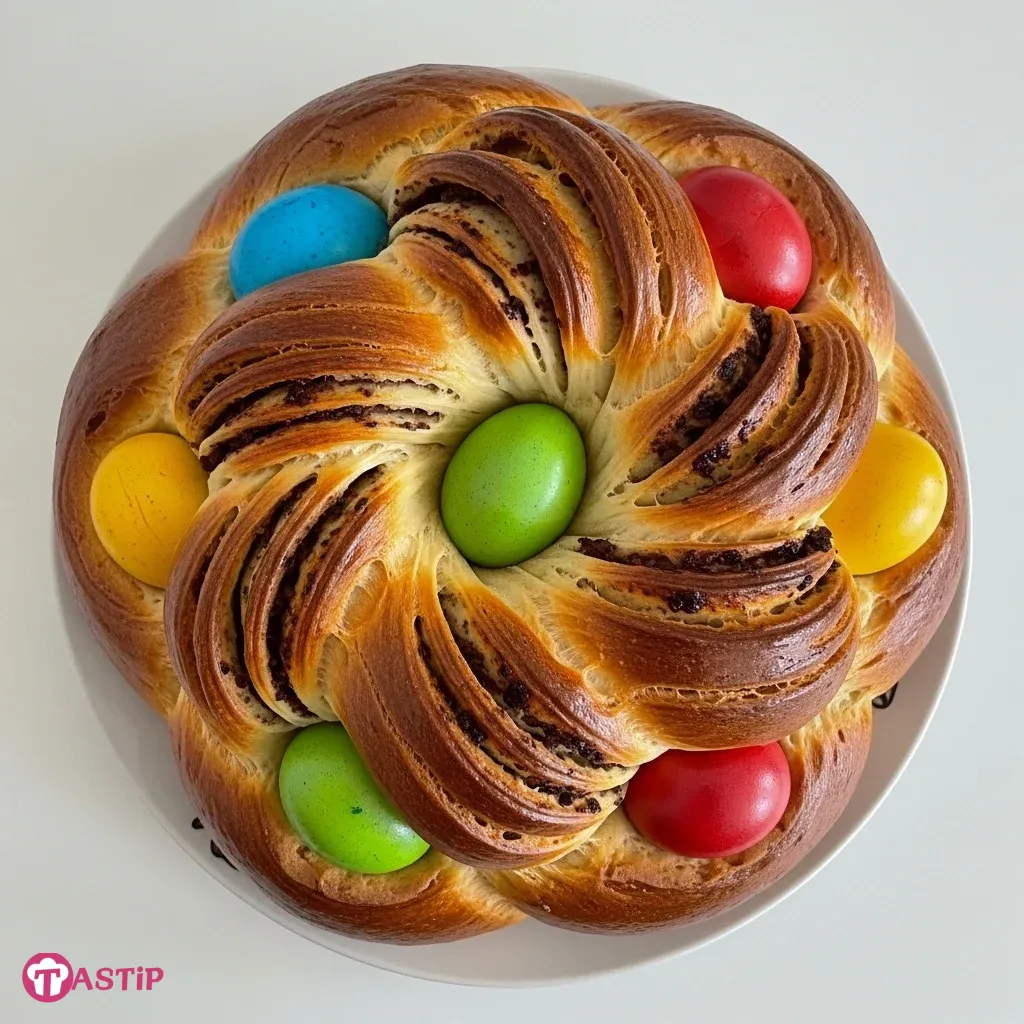
While this Traditional Italian Easter Bread Recipe is a star on its own, pairing it with the right sides creates a balanced and healthy holiday meal. I prefer pairings that contrast the sweetness of the bread with savory or fresh flavors. Here are my top recommendations for a complete and efficient holiday spread.
- Fresh Arugula Salad: A peppery arugula salad with lemon vinaigrette and shaved parmesan cuts through the richness of the bread perfectly.
- Roasted Asparagus: Since it’s spring, lightly roasted asparagus with a drizzle of balsamic glaze provides a healthy, seasonal side.
- Italian Frittata: Serve slices of this bread alongside a vegetable-heavy frittata for a high-protein brunch that keeps you full all afternoon.
- Fresh Fruit Platter: A simple spread of berries and melon adds natural sweetness and vibrant color to your table without any extra cooking time.
Pairing your Traditional Italian Easter Bread with the right sides can enhance the overall meal experience. Consider creating a balanced table with some of my favorite suggestions, such as the delightful Strawberry Cheesecake.
FAQs
Can I make the dough for this Traditional Italian Easter Bread Recipe in advance?
Yes, you can certainly prepare the dough a day ahead. After the first rise, punch the dough down, wrap it tightly, and store it in the refrigerator overnight. The next morning, let it come to room temperature for about 30 minutes before shaping and proceeding with the second rise and baking. This is a huge time-saver for busy mornings.
Do I need to dye the eggs before putting them in the bread?
Typically, yes. Dyeing the eggs adds the traditional festive look to the Traditional Italian Easter Bread Recipe. Ensure the dye is food-safe.
You place the raw, dyed eggs directly into the dough. They cook while the bread bakes, resulting in a perfectly “hard-boiled” egg inside your loaf. If you prefer not to eat the eggs, they still serve as a beautiful decoration.
Why is my Easter bread dry?
Dryness usually occurs if you added too much flour during the kneading process or if you overbaked the loaf. Next time, try to use the minimum amount of flour needed to handle the dough. Additionally, start checking the internal temperature around the 18-minute mark. Once it hits 190°F, take it out immediately to preserve the moisture in your Traditional Italian Easter Bread Recipe.
The preparation and enjoyment of traditional Easter breads vary widely across cultures, but they often symbolize new beginnings and celebration. This festive bread is not only a treat for the taste buds but also offers a rich heritage that many families cherish during holiday gatherings, representing cultural and family traditions in baking.
Nutrition Information (per serving)
Understanding the macros helps you fit this Traditional Italian Easter Bread Recipe into your lifestyle. This recipe makes approximately 10 servings. While it is a holiday treat, it offers a decent amount of protein and can be part of a balanced diet when paired with fresh vegetables.
| Metric | Amount per Serving |
|---|---|
| Calories | 245 kcal |
| Total Fat | 8g |
| Saturated Fat | 4g |
| Cholesterol | 65mg |
| Sodium | 180mg |
| Total Carbohydrates | 36g |
| Dietary Fiber | 2g |
| Sugars | 8g |
| Protein | 7g |
Enjoying a Traditional Italian Easter Bread Recipe is about more than just food; it is about creating efficient, beautiful traditions that work for your modern life. By using these smart shortcuts and focusing on quality ingredients, you can celebrate the holiday with a homemade masterpiece that everyone will remember. Happy baking!
Print
Traditional Italian Easter Bread Recipe
- Total Time: 45 mins
- Yield: 10 servings 1x
- Diet: Vegetarian
Description
This Traditional Italian Easter Bread Recipe delivers a soft, brioche-like texture with a hint of citrus, featuring colorful eggs nestled inside braided dough, perfect for your holiday table.
Ingredients
3.5 to 4 cups All-Purpose Flour
1 packet Instant Yeast
1 cup Whole Milk
1/4 cup Unsalted Butter (Softened)
1/3 cup Granulated Sugar
2 Large Eggs (For dough)
1/2 teaspoon Salt
1 tablespoon Orange or Lemon Zest
3 to 5 Dyed Raw Eggs
1 Egg + 1 tbsp Water (Egg Wash)
Optional Rainbow Sprinkles
Instructions
- In a large bowl or stand mixer, combine 1.5 cups flour, instant yeast, sugar, salt, and citrus zest. Whisk together
- Heat the milk and butter until warm (110-115°F), then pour into dry ingredients
- Add the two eggs and beat mixture on medium speed for about 2 minutes until smooth
- Gradually add remaining flour until dough starts to pull away from bowl; should be slightly tacky
- Knead dough on a floured surface for 5-7 minutes or use a dough hook for 5 minutes until smooth and elastic
- Place dough in a greased bowl, cover, and let rise in a warm spot for about 1 hour
- Punch down the dough and divide it; roll each piece into a long rope and braid together
- Form a circle with the braid and place on a parchment-lined baking sheet; tuck dyed eggs into the braid
- Cover and let rise for another 30-45 minutes while preheating oven to 350°F
- Brush with egg wash, add sprinkles if desired, and bake for 20-25 minutes until golden brow
Notes
Ensure the yeast is fresh for proper rising.
Avoid adding too much flour to prevent dry bread.
Use a thermometer to check bread is done (internal temp 190°F).
- Prep Time: 20 mins
- Cook Time: 25 mins
- Category: Bread
- Method: Baking
- Cuisine: Italian
Nutrition
- Serving Size: 1 slice
- Calories: 245 kcal
- Sugar: 8g
- Sodium: 180mg
- Fat: 8g
- Saturated Fat: 4g
- Unsaturated Fat: null
- Trans Fat: null
- Carbohydrates: 36g
- Fiber: 2g
- Protein: 7g
- Cholesterol: 65mg