
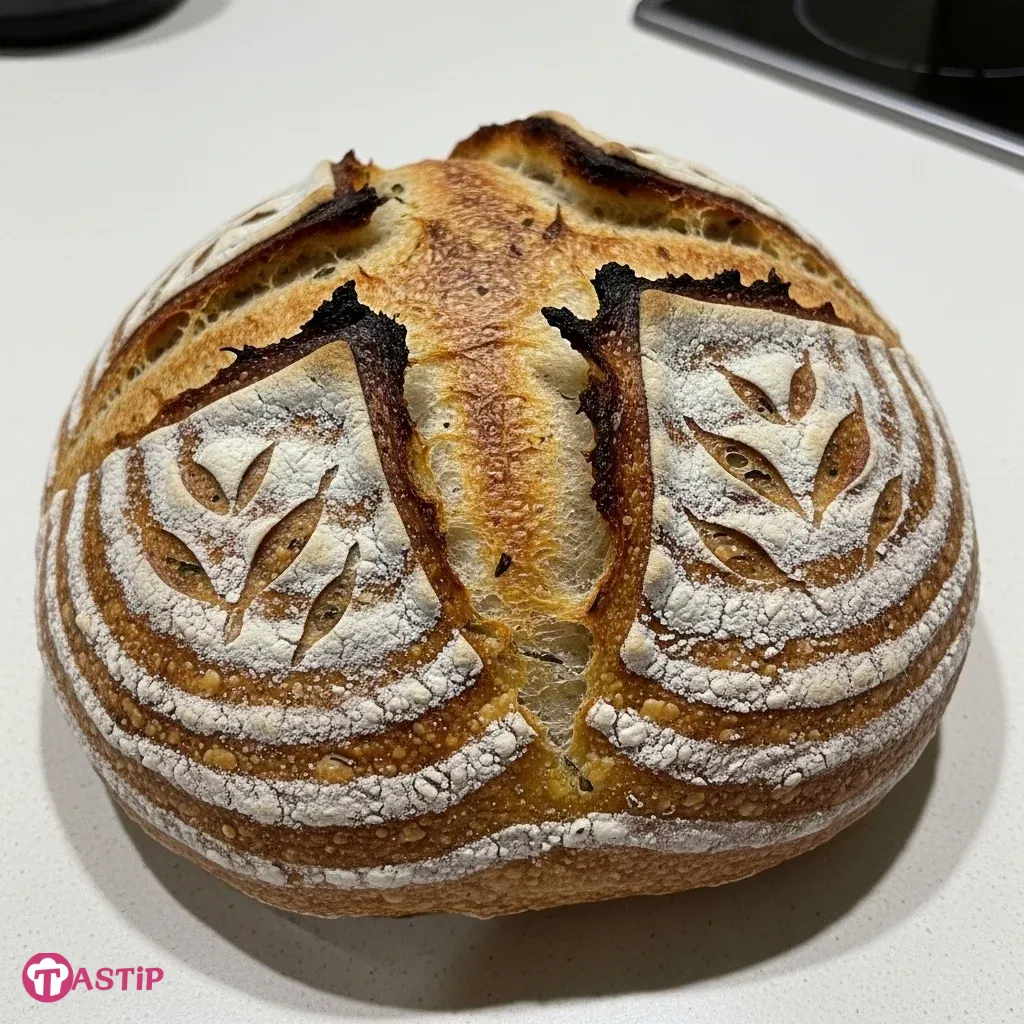
Nothing beats the intoxicating aroma of freshly baked Garlic Herb Sourdough Bread wafting through a kitchen. This loaf combines the complex, tangy depth of a long-fermented wild yeast starter with the savory punch of roasted garlic and earthy herbs. You will achieve a shatteringly crisp crust and a soft, custard-like interior that defines artisan baking.
Mastering this recipe requires a basic understanding of fermentation and hydration, but the results far surpass any store-bought alternative. This guide breaks down the science of gluten development and aromatics to ensure your success. Elevate your next meal with this incredible Garlic Herb Sourdough Bread.
Why You’ll Love This Garlic Herb Sourdough Bread Recipe
- Superior Flavor Profile: The slow fermentation process creates organic acids that perfectly complement the pungent garlic and fresh herbs.
- Better Digestion: Long-duration fermentation breaks down much of the gluten and phytic acid, making this Garlic Herb Sourdough Bread easier on your gut.
- Artisan Texture: Using high-hydration techniques ensures a professional-grade open crumb and a robust, caramelized crust.
- Natural Preservation: The inherent acidity of sourdough acts as a natural preservative, keeping your loaf fresh for longer without chemicals.
Ingredients You’ll Need
To produce a high-quality Garlic Herb Sourdough Bread, you must prioritize the quality of your raw materials. Each ingredient plays a specific chemical role in the dough’s structure and flavor development.
| Ingredient | Quantity | Purpose |
|---|---|---|
| Active Sourdough Starter | 100g | The biological engine that provides lift and acidity. |
| Bread Flour (High Protein) | 450g | Provides the gluten potential for a strong structure. |
| Whole Wheat Flour | 50g | Adds nutrients and a nutty flavor depth. |
| Filtered Water | 350g | Hydrates the flour and activates enzymatic activity. |
| Fine Sea Salt | 10g | Tightens the gluten network and regulates yeast. |
| Roasted Garlic Cloves | 1 entire head | Provides a mellow, sweet, and savory aromatic base. |
| Fresh Rosemary and Thyme | 2 tablespoons | Infuses the crumb with volatile oils and fragrance. |
Substitutions & Variations
You can easily customize your Garlic Herb Sourdough Bread to suit your nutritional needs or pantry availability. If you prefer a more rustic texture, substitute the whole wheat flour with Rye flour or Spelt flour. These grains provide different sugar profiles for the wild yeast to consume.
For a healthier fat profile, fold in chopped walnuts or flax seeds to add Omega-3 fatty acids and extra crunch. If you lack fresh herbs, use high-quality dried herbs, but reduce the quantity by half since dried herbs possess a higher concentration of oils. You might also consider replacing the roasted garlic with fermented black garlic for an umami-rich twist that offers a balsamic-like sweetness to your Garlic Herb Sourdough Bread.
If you’re looking to customize your Garlic Herb Sourdough Bread, there are plenty of creative options available. For instance, check out this tasty Garlic Chicken Ramen that can be a great addition to your meal planning.
Step-by-Step Instructions
Follow these steps carefully to master the art of the Garlic Herb Sourdough Bread. Precision in timing and temperature will yield the best results.
- The Levain Build: Mix 20g of your mature starter with 40g of bread flour and 40g of water. Let it sit for 4-6 hours until it doubles in size and looks bubbly. This ensures your Garlic Herb Sourdough Bread has maximum leavening power.
- Autolyse Phase: Combine the bread flour, whole wheat flour, and water in a large bowl. Mix until no dry flour remains. Cover and let it rest for 1 hour. This process allows the flour to fully hydrate and triggers the protease enzymes to start softening the gluten.
- Incorporate Starter and Salt: Add your active levain to the autolyse mixture. Dimple the dough with your fingers to incorporate. After 30 minutes, add the sea salt and a splash of water, then squeeze the dough to mix thoroughly.
- Bulk Fermentation: This is the most critical stage for your Garlic Herb Sourdough Bread. Perform four sets of “stretch and folds” every 30 minutes. During the third set, gently fold in the roasted garlic and chopped herbs.
- The Long Rise: After the folds, let the dough rest undisturbed until it increases in volume by about 50%. You should see visible air bubbles on the surface and along the sides of the bowl.
- Pre-shaping: Gently tip the dough onto a lightly floured surface. Fold the edges toward the center to create a loose round. Let it rest for 20 minutes to allow the gluten tension to relax.
- Final Shaping: Shape the dough into a tight boule or batard. Ensure you create significant surface tension on the “skin” of the dough. Place it into a floured banneton basket.
- Cold Proof: Cover the basket and place it in the refrigerator for 12 to 24 hours. Cold fermentation develops the complex “sour” notes in the Garlic Herb Sourdough Bread and improves the final crust color.
- Baking: Preheat a Dutch oven at 500°F (260°C) for one hour. Turn the dough onto parchment paper, score the top with a sharp blade, and carefully lower it into the pot. Lower the temperature to 450°F (230°C).
- The Reveal: Bake with the lid on for 20 minutes to trap steam. Remove the lid and bake for another 20-25 minutes until the crust reaches a deep mahogany brown. Internal temperature should reach 208°F (98°C).
Pro Tips for Success
As a former test kitchen chef, I focus on the technical variables. First, pay attention to water temperature. If your kitchen is cold, use warm water (around 85°F) to keep the fermentation active.
Conversely, use cold water in the summer to prevent the dough from over-proofing too quickly. Secondly, consider the Allicin content in your garlic. Raw garlic contains antimicrobial properties that can actually slow down yeast activity. By roasting the garlic first, you neutralize these compounds and caramelize the sugars, which creates a better environment for your Garlic Herb Sourdough Bread to rise.
Another technical tip involves steam management. The steam released by the dough inside the Dutch oven keeps the surface moist, allowing the loaf to expand fully before the crust sets. If you do not have a Dutch oven, place a tray of lava rocks or a cast iron skillet on the bottom rack and pour boiling water into it when you load the bread.
This mimics a professional deck oven. Finally, always use a digital scale. Volume measurements for flour are notoriously inaccurate because flour density changes based on humidity and packing technique. Precise gram measurements ensure your Garlic Herb Sourdough Bread remains consistent every time you bake.
Technical aspects of bread making can be challenging but rewarding. For a deeper understanding of how garlic interacts with yeast, read more about Garlic Mushroom Soup to enhance your culinary skills.
Storage & Reheating Tips
To maintain the integrity of your Garlic Herb Sourdough Bread, avoid the refrigerator at all costs. The refrigerator accelerates starch retrogradation, which makes the bread go stale faster. Instead, store the cooled loaf cut-side down on a wooden cutting board for the first 24 hours.
For longer storage, wrap the loaf in a breathable linen bag or a paper bag. This preserves the “crunch” of the crust while keeping the interior soft.
If you want to freeze your Garlic Herb Sourdough Bread, slice it first. Place the slices in a heavy-duty freezer bag with pieces of parchment paper between them. When you feel a craving, simply pop a frozen slice directly into the toaster.
The high heat will gelatinize the starches again, restoring that fresh-baked texture. For a whole loaf reheating, mist the crust with a little water and place it in a 350°F oven for 10 minutes. This creates a “second bake” effect that refreshes the crumb beautifully.
What to Serve With This Recipe
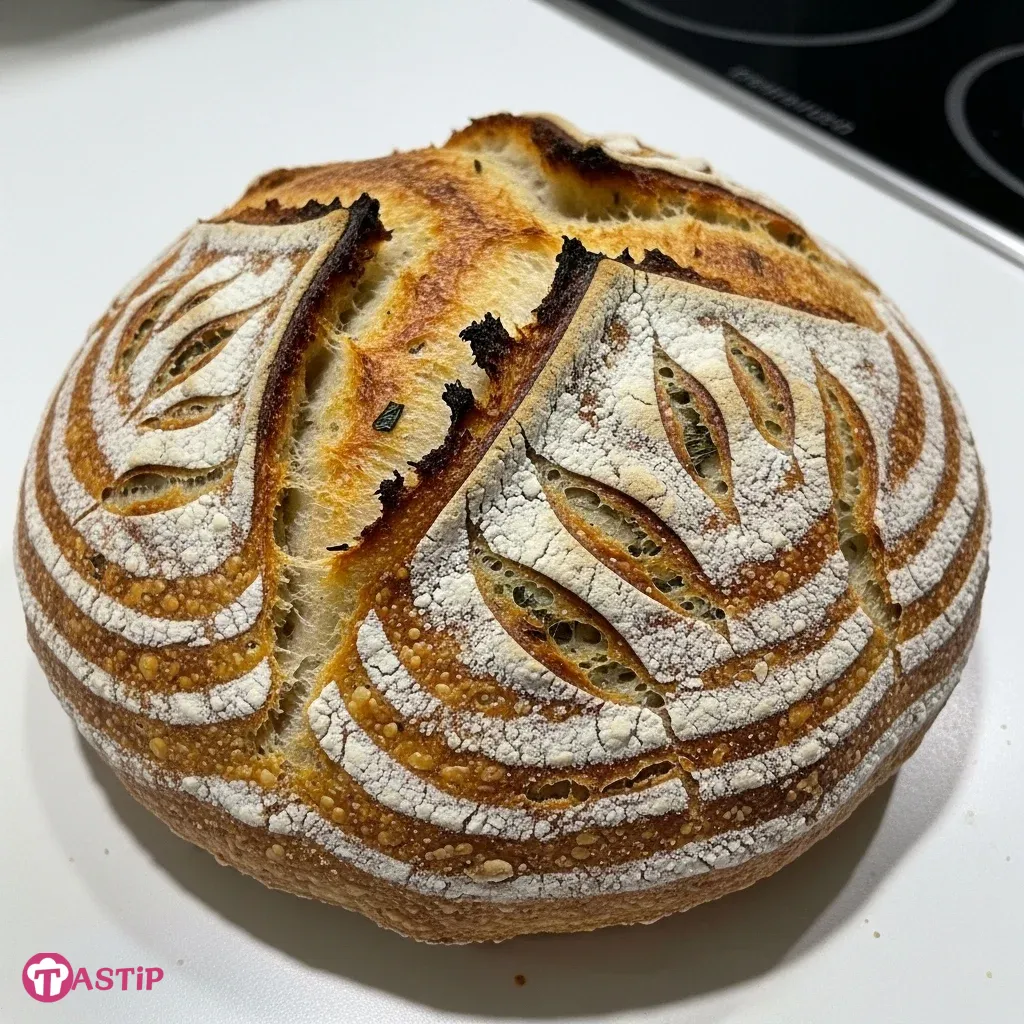
This savory Garlic Herb Sourdough Bread pairs excellently with nutrient-dense, vibrant dishes. The acidity of the bread cuts through rich fats perfectly. Consider these healthy pairings:
- Roasted Tomato Basil Soup: The lycopene in the tomatoes and the healthy fats in a drizzle of olive oil complement the herbal notes of the bread.
- Massaged Kale Salad: Use a lemon-tahini dressing. The sturdy texture of the kale holds up against the crunch of a toasted sourdough slice.
- Mediterranean Grain Bowls: Serve a thick slice alongside quinoa, roasted chickpeas, and fresh cucumbers for a balanced, high-fiber meal.
- Whipped Feta with Honey: The contrast between salty cheese, sweet honey, and the savory Garlic Herb Sourdough Bread creates a sophisticated appetizer.
Pair your freshly baked Garlic Herb Sourdough Bread with delightful dishes to maximize flavor. For a gourmet experience, consider making Garlic Butter Scallops to complement the herbal notes of the bread.
FAQs
Can I use raw garlic instead of roasted garlic in this bread?
You can use raw garlic, but I do not recommend it for the best Garlic Herb Sourdough Bread. Raw garlic has very strong antibacterial properties that can inhibit the growth of your wild yeast. Furthermore, raw garlic pieces remain pungent and sharp in the finished loaf. Roasting the garlic transforms the cloves into a sweet, spreadable paste that integrates seamlessly into the dough’s structure without harming the fermentation process.
Why did my Garlic Herb Sourdough Bread turn out flat?
A flat loaf usually results from one of two things: weak gluten structure or over-proofing. If you do not perform enough stretch and folds, the dough cannot hold the carbon dioxide produced by the yeast. If you let the dough rise for too long during the bulk fermentation, the gluten network begins to break down, and the loaf collapses in the oven. Ensure you monitor the dough’s “jiggle” and look for a 50% increase in volume rather than a 100% increase.
What are the best herbs to use for this specific loaf?
Hard herbs like rosemary, thyme, and oregano work best for Garlic Herb Sourdough Bread. These herbs have woody stems and hardy leaves that withstand the high heat of the oven without turning bitter. Soft herbs like parsley or cilantro tend to lose their flavor and turn brown during the long bake. If you use rosemary, chop it very finely to avoid “pine needle” textures in your soft crumb.
Garlic herb sourdough bread is a unique variation of classic sourdough, incorporating roasted garlic and fresh herbs into the dough for enhanced flavors. This type of bread not only offers a delightful taste but also boasts the health benefits of fermentation, making it a favorite among artisanal bakers who appreciate both flavor and wellness. Learn more about sourdough processes in this detailed article on sourdough.
Nutrition Information (per serving)
The following data represents one thick slice of Garlic Herb Sourdough Bread (approximately 1/12th of the loaf). Sourdough generally has a lower glycemic index than commercial white bread.
| Calories | 185 kcal |
| Total Carbohydrates | 36g |
| Dietary Fiber | 3g |
| Protein | 6g |
| Total Fat | 1g |
| Sodium | 320mg |
By understanding the science of enzymatic breakdown and fermentation, you have the tools to create a world-class Garlic Herb Sourdough Bread. Enjoy the process, watch the bubbles, and savor the crunch!
Print
Garlic Herb Sourdough Bread
- Total Time: 12 to 24 hours (including rise time)
- Yield: 1 loaf 1x
- Diet: Vegetarian
Description
This Garlic Herb Sourdough Bread features a complex flavor profile enhanced by roasted garlic and fresh herbs, resulting in a crisp crust and soft interior. A perfect addition to elevate your meals.
Ingredients
100 g Active Sourdough Starter
450 g Bread Flour
50 g Whole Wheat Flour
350 g Filtered Water
10 g Fine Sea Salt
1 entire head Roasted Garlic Cloves
2 tablespoons Fresh Rosemary and Thyme
Instructions
- Mix 20g of starter with 40g of bread flour and 40g of water. Let sit for 4-6 hours until doubles and bubbly
- Combine bread flour, whole wheat flour, and water in a bowl. Mix until no dry flour remains. Cover and let rest for 1 hour
- Add active levain to the autolyse mixture. Dimple to incorporate. After 30 minutes, add sea salt and a splash of water, squeezing to mix
- Perform four sets of 'stretch and folds' every 30 minutes. During the third set, fold in the roasted garlic and herbs
- Let the dough rest until it increases in volume by about 50% with visible air bubbles
- Gently tip the dough onto a floured surface. Fold edges to the center and let rest for 20 minutes
- Shape the dough into a tight boule or batard and place it in a floured banneto
- Cover and refrigerate for 12 to 24 hours
- Preheat a Dutch oven at 500°F (260°C) for 1 hour. Transfer dough onto parchment, score, and lower into the pot. Reduce temp to 450°F (230°C)
- Bake with lid for 20 minutes. Remove lid and bake for another 20-25 minutes until the crust is deep brow
Notes
Use warm water if the kitchen is cold.
Roast garlic before using to ensure it integrates seamlessly into the dough.
Avoid the refrigerator for storage; keep bread cut-side down on a wooden board for the first day.
- Prep Time: 20 mins
- Cook Time: 40 mins
- Category: Bread
- Method: Baking
- Cuisine: American
Nutrition
- Serving Size: 1 slice
- Calories: 185 kcal
- Sugar: 0 g
- Sodium: 320 mg
- Fat: 1 g
- Saturated Fat: 0 g
- Unsaturated Fat: 0 g
- Trans Fat: 0 g
- Carbohydrates: 36 g
- Fiber: 3 g
- Protein: 6 g
- Cholesterol: 0 mg